SpaceX on Aug. 25 formally announced plans for a new launch-and-manufacturing campus in Vermilion Parish, Louisiana, calling it Starbase, Louisiana. Multiple reports put the investment at about $100 billion, with construction slated to begin in 2027 and the first Starship launch targeted for 2029.
The key incremental development today is the company’s public confirmation of the project details after weeks of speculation. Reports say the site is designed to support thousands of Starship flights per year, underscoring SpaceX’s push for a much higher launch cadence.
For investors and industry watchers, the project reinforces expectations around SpaceX’s long-term capital spending, Starship throughput and the broader supply chain tied to launch infrastructure. Local reports also say the project could create roughly 3,000 direct jobs, which highlights the scale of the industrial buildout.
Louisiana officials and SpaceX have both publicly backed the plan, and no party has denied the core figures in the reporting reviewed. The next watchpoints are permits, environmental reviews and the pace of construction toward the 2027 start date.
Multiple outlets, citing Pakistani and Iranian military sources through RIA Novosti, reported that the United States and Iran have reached a ceasefire arrangement and could announce it in the coming days. The reported terms include free navigation through the Strait of Hormuz.
The latest report builds on a conflict that has repeatedly disrupted diplomacy and shipping since an April truce brokered by Pakistan. The Strait of Hormuz remains the key chokepoint for global energy flows, making any shift in its status market-relevant.
Oil prices moved lower on the headline, while energy-linked stocks and ETFs are likely to stay sensitive to any confirmed easing in Middle East risk. The move matters most for crude-exposed assets rather than companies with only indirect geopolitical exposure.
Neither Washington nor Tehran has officially confirmed the reported deal. Given the source chain, the story still needs official validation before it can be treated as settled fact.
The Bureau of Economic Analysis reported that the July personal consumption expenditures (PCE) price index rose 3.7% year on year, while core PCE was unchanged at 3.3%. On a monthly basis, headline PCE rose 0.2% and core PCE also increased 0.2%. The second estimate of second-quarter US GDP was left unchanged at an annualized 1.5%.
The numbers matter because PCE is the Federal Reserve’s preferred inflation gauge, and the GDP second estimate is a key check on how much momentum the economy retained in the quarter. Markets had been looking for headline PCE at 3.6% and GDP to stay at 1.5%, so the release did not deliver an inflation cooldown.
The combination tends to matter most for front-end Treasury yields, the dollar and rate-sensitive equities. Technology and growth stocks, including major Nasdaq constituents, can be pressured when inflation proves sticky because it complicates the case for easier policy and keeps valuation multiples under scrutiny.
Consumer spending and personal income also came in above expectations, reinforcing the view that demand remained firm in July. Traders will now focus on the next round of inflation and labor data for clues on whether this print alters the Fed outlook ahead of the September meeting.
Court filings and media reports say Meta Platforms has reached a settlement with 29 U.S. states over claims that Facebook and Instagram harmed children, misled users about safety and improperly collected data from users under 13. The deal is valued at up to $16.68 billion.
The lawsuit has been one of the highest-profile state cases targeting social media design and youth use, with plaintiffs alleging Meta built features that encouraged compulsive engagement among teenagers. Earlier reporting said Meta calculated that the case could expose it to as much as $1.4 trillion in penalties in a worst-case outcome.
For investors, the key question is no longer the headline number alone but the settlement structure, any operational restrictions and whether the company must change product features for minors. Shares of Meta and other social platforms remain sensitive to how regulators use this case as a template.
Meta has denied the allegations and said it has worked to protect children on its platforms. Further court filings are expected to clarify payment terms and whether the agreement includes future design commitments.
これまでの経緯
2026-07-02
決算
エヌビディア、Q2決算前夜に2,000億ドルの信用エクスポージャーが焦点に英語原文
Wall Street is shifting from the top line to off-balance-sheet AI financing commitments, with earnings due after the bell.
Nvidia is set to report fiscal second-quarter earnings after the bell on Wednesday, and the conversation on Wall Street has widened beyond revenue and margins. Morgan Stanley has initiated credit coverage on the company with a neutral view, saying Nvidia’s AI-infrastructure financing links could lift broad credit exposure toward $200 billion by the end of 2028.
The report focuses on mechanisms such as residual value support, lease guarantees, revenue sharing and credit support, which Morgan Stanley says could create risks that traditional metrics miss. News coverage cited by 21财经 says roughly $170 billion of that exposure could stem from adjustments and contingent obligations.
Investors are now watching whether Nvidia’s earnings release adds more clarity on those off-balance-sheet commitments, alongside its usual beat-and-raise setup. CNBC also notes that the market is still sensitive to Nvidia’s dependence on hyperscale cloud customers, which can ripple through AI hardware and data-center names.
Nvidia has not publicly responded to Morgan Stanley’s credit framework. For the market, the earnings print remains the cleanest read on AI demand, supply-chain commitments and capital-spending trends.
NVIDIA said its Vera Rubin NVL72 production racks are now here, while Microsoft said the first operational racks have arrived at its data centers. The company framed the update as a milestone for the next phase of AI infrastructure deployment.
The development extends Rubin’s path from lab validation to customer rollout. Prior reports said each NVL72 rack contains 72 Rubin GPUs and 36 Vera CPUs and is designed for large-scale inference and training workloads, with rack pricing estimated at roughly $7 million to $8 million.
For the market, the update reinforces the AI capex narratives around NVIDIA and Microsoft. It also matters for cloud and data-center supply chains, where proof of production readiness can influence expectations for future rack-scale adoption.
The public confirmation is still coming primarily from the companies and partner-linked posts, rather than an independent site visit. Investors will now watch for any clearer disclosure on Rubin shipments or revenue contribution in NVIDIA’s upcoming earnings update.
Anthropic is expected to tell IPO investors that its total addressable market exceeds $30 trillion, according to WSJ and Reuters reporting. The figure would top SpaceX’s $28.5 trillion estimate and reflects the company’s view of the economic work AI models could eventually perform.
The number is a market-size claim, not a revenue forecast. Bloomberg reported on Aug. 17 that Anthropic’s annualized revenue run rate had surpassed $65 billion by the end of July, while FT-based reporting cited by The Next Web said investors see that figure rising to $100 billion-$120 billion by the end of 2026.
The latest pitch matters because it feeds into how investors may price Anthropic’s planned IPO, which reports say could target a near-$2 trillion valuation and as much as $100 billion in new capital. It also reinforces the broader AI valuation debate across listed names tied to the theme, including infrastructure beneficiaries such as Nvidia and Microsoft.
Anthropic has not commented on the reported TAM figure. The company filed confidentially with the SEC in June, placing it in a quiet period that limits what it can say publicly about its finances.
これまでの経緯
2026-06-30
規制
日本、2027年前半までに株式と国債の24時間ブロックチェーン決済へ英語原文
A study group will map the architecture and responsibilities for a next-gen settlement rail, potentially reshaping Japan’s market plumbing.
Japan is preparing to build a next-generation payment infrastructure that would allow instant settlement of stock and Japanese government bond transactions at any time of day using blockchain technology, Nikkei reported. The Financial Services Agency, the Ministry of Finance, the Bank of Japan and financial institutions are set to launch a study group this summer, with a development plan targeted for early 2027 at the earliest.
The initiative matters because Japan’s current settlement cycle is still T+2 for stock cash settlement and T+1 for JGB trades, leaving a gap between execution and cash finality. Real-time settlement would compress that gap and could allow investors to recycle sale proceeds more quickly.
The report said the plan is expected to cover blockchain design, institutional roles and a roadmap for future work. It also suggested the system could eventually extend to cross-border remittances, though no formal implementation approval has been announced.
For markets, the story is about infrastructure rather than a single listed company. Any eventual rollout would matter most for Japanese banks, brokerages, clearing and payment providers, with the biggest implications likely around trading, custody and settlement workflows.
Multiple outlets citing the Wall Street Journal said JPMorgan Chase recently evaluated launching its own crypto stablecoin, though no product is currently under development. The same wave of reports says a separate group of at least 12 financial institutions is pushing ahead with a global stablecoin consortium.
The development marks a notable shift for big banks, many of which spent years treating stablecoins with caution. JPMorgan has already expanded its blockchain footprint through tokenized funds and its Kinexys platform, so the latest reports suggest banks may be reassessing whether digital-dollar activity should stay on private or consortium rails.
For markets, the story sits at the intersection of JPMorgan, Circle, and peer banks including Bank of America, Wells Fargo and Santander. If large lenders ultimately choose to issue or jointly support stablecoins, it could reshape how institutions settle payments and access tokenized assets, even though the reported discussions are still early-stage.
No timeline or product details were disclosed in the reports. For now, the key takeaway is that the debate has moved from defensive commentary to active exploration inside some of the world’s largest banks.
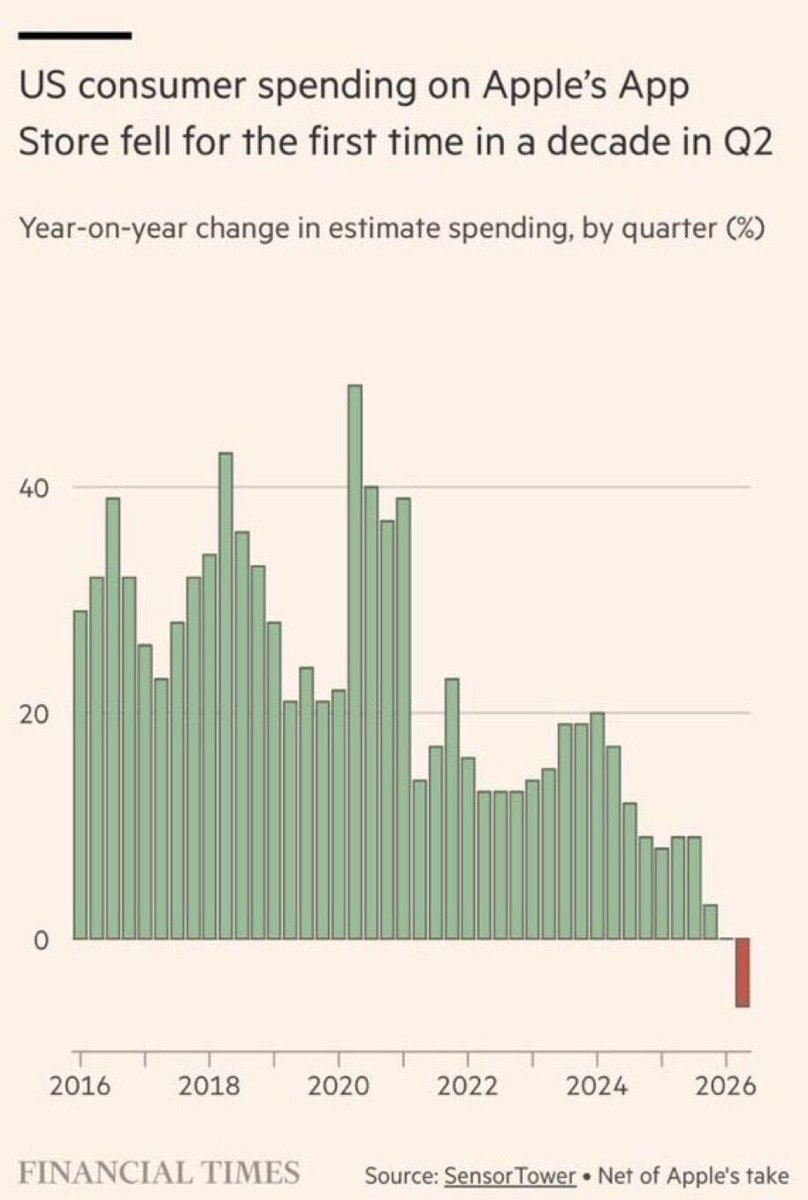
Multiple outlets citing Sensor Tower and Appfigures said U.S. consumer spending in Apple’s App Store fell 6% year over year in the second quarter, the first such decline in years. Separately, Apple’s U.S. App Store commission revenue is down 18% year to date in 2026.
The backdrop is a regulatory change that allows developers to steer users to external payment links, reducing Apple’s ability to collect its traditional 15% to 30% commission. Apple has also acknowledged on its earnings call that these changes have begun weighing on Services growth.
For investors, the key issue is the durability of Apple’s high-margin Services segment, a major pillar of the company’s valuation. Similar declines reported in Brazil and Japan suggest the pressure is not isolated to one market.
Apple had not offered a fresh data-driven rebuttal in the reports cited. The company has previously pointed to foreign exchange and other factors, but third-party data now places regulation at the center of the slowdown.
これまでの経緯
2026-06-28投稿30件 · 投稿者26人
Apple faces backlash over memory price hikes, AOC calls for antitrust breakup, and Cook is accused of favoring Chinese suppliers.
Chris Malone’s departure underscores a broader infrastructure reshuffle as OpenAI pushes a massive compute expansion and prepares for a public listing.
OpenAI’s head of data centers, Chris Malone, has left the company, according to CNBC and the Wall Street Journal. An OpenAI spokesperson said the company had recently reorganized its infrastructure organization to match the scale and pace of its work.
Malone joined OpenAI in March 2025 after senior data-center infrastructure roles at Meta and Google. His exit comes as OpenAI continues to pursue an ambitious compute plan that has been reported at roughly $600 billion by 2030.
The leadership change keeps the spotlight on OpenAI’s infrastructure partners and heavy spenders, including Oracle, Nvidia and the Stargate project. Follow-up reporting says other executives are now overseeing parts of the buildout.
OpenAI President Greg Brockman said last week that the turnover was not “actually that atypical.” CNBC also reported that CFO Sarah Friar told employees the company could be public in 2027, keeping the IPO timetable in view.
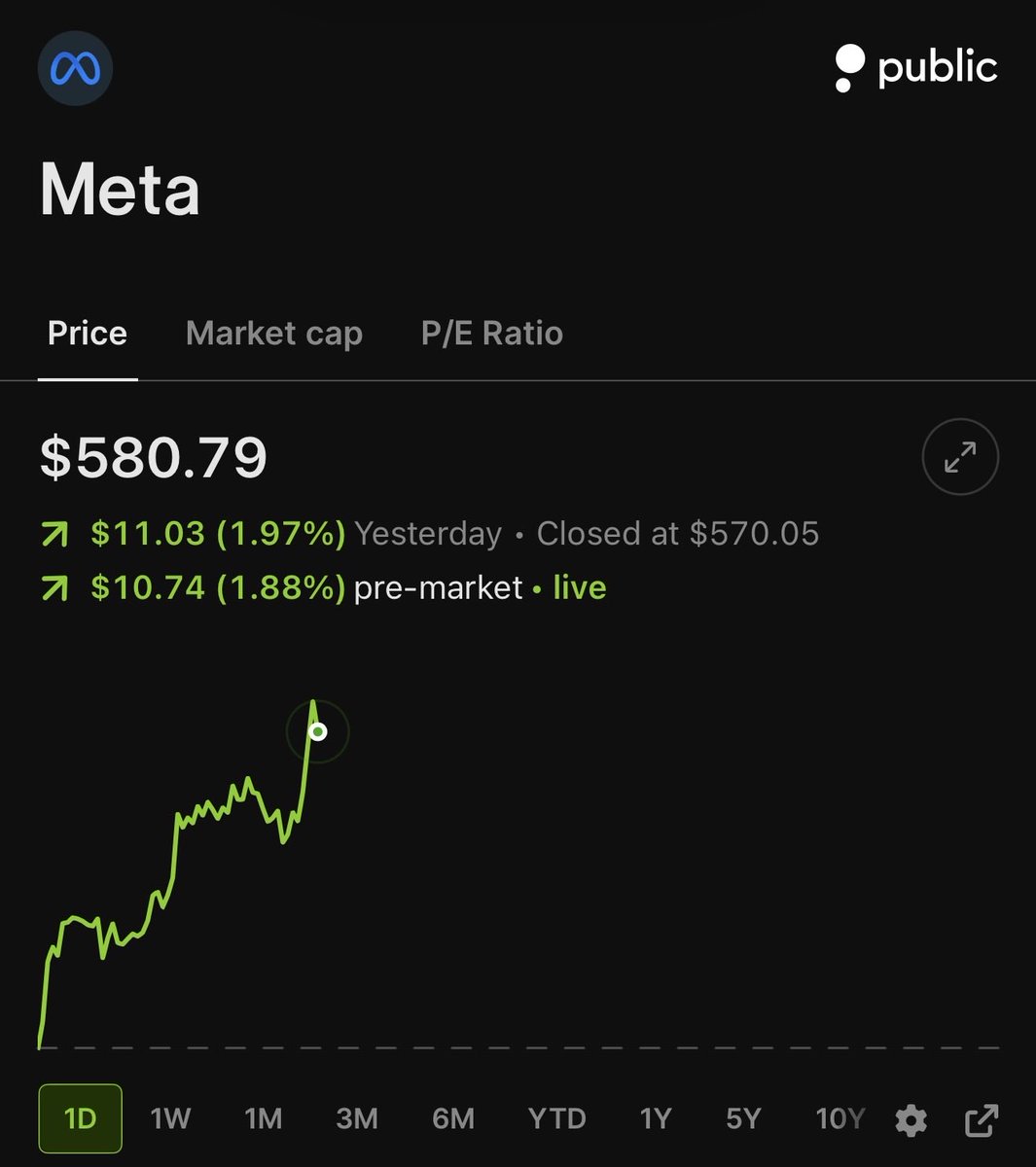
Meta shares climbed as a Bloomberg report, cited by Fazen Markets, said the company is in settlement talks with a coalition of U.S. states over a lawsuit tied to alleged harms to teenage users. The stock briefly reached an intraday high of $570.80 and was up as much as 3.66% in early trading.
The legal fight has been building since October 2023, when more than 40 states filed actions against Meta over youth mental-health concerns tied to its platforms. Any settlement progress matters because the case has been one of the company’s most persistent non-antitrust regulatory risks.
The move was visible in the tape: Meta’s early strength outpaced the broader market and added to demand across large-cap tech names. Investors are watching whether a deal would reduce uncertainty around future legal costs and possible operating restrictions, though the settlement terms remain unknown.
Neither Meta nor the state attorneys general have publicly confirmed the reported talks. Traders are now waiting for official statements or filings that could verify the scope and timing of any resolution.
これまでの経緯
2026-06-30投稿4件 · 投稿者3人
Indonesia's 54% global palm oil export share positions it as the marginal supplier, while insiders at TSM and SBSW made notable stock purchases.
市場🔥進行中
Bessent’s bond buybacks hit at least $4 billion as 30-year Treasury swap spread narrows to a February low英語原文
Long-end Treasuries, swaps and options are flashing a fresh response after the Treasury’s expanded buyback push.
Treasury Secretary Scott Bessent’s expanded bond-buyback campaign is now showing up in market pricing. Bloomberg said the 30-year Treasury swap spread has narrowed to the tightest since February, while the 10-year swap spread has compressed to about 39 basis points.
The backdrop is Treasury’s Aug. 19 decision to at least double liquidity-support buybacks for 10- to 30-year securities to a minimum of $4 billion per operation, with operations scheduled from Sept. 9 through Nov. 4. Reuters reported on Aug. 20 that the initial relief in yields was brief and investors were split over whether the move can produce durable support.
Options positioning is also shifting. Bloomberg said call demand on long-dated Treasury futures has jumped relative to puts, and JPMorgan’s Aug. 24 investor survey showed neutral positioning falling to 54%, the lowest since May 26.
Still, traders and strategists say the moves amount to a market signal, not a fix for the broader fiscal backdrop. Both Bloomberg and Reuters note that persistent budget deficits and heavy Treasury supply remain the structural forces keeping long yields elevated.
これまでの経緯
2026-06-30投稿6件 · 投稿者6人
Bessent said China is Iran's only oil buyer and warned gas stations to cut prices.
決算
DKS、Q2売上高55.9億ドルで予想下回り約30%下落、フットロッカー24億ドル買収後英語原文
The retailer cut guidance and flagged acquisition-related costs, putting margin pressure back in focus for sports retail investors.
Dick’s Sporting Goods slumped in trading after reporting second-quarter results, with shares at one point down nearly 30%. The company posted revenue of $5.59 billion, below consensus of $5.64 billion, while adjusted earnings per share came in at $3.53, in line with estimates.
The selloff comes as investors reassess the impact of Dick’s $2.4 billion acquisition of Foot Locker last year. The company previously disclosed $96.5 million of Foot Locker acquisition-related costs, including inventory write-downs, liquidation activity and merger-and-integration expenses.
The market reaction also rippled through the broader athletic retail group, as traders weighed inventory levels, consumer demand and the pace of margin recovery across footwear and apparel names. The Foot Locker integration has become a central lens for judging Dick’s profit outlook.
No new standalone company announcement appeared to explain the intraday move; the latest pressure stems mainly from the earnings release, updated outlook and integration-related expenses.
Solana spot ETFs recorded $32.25 million in net inflows on Aug. 25, extending a run of positive flows. Multiple reports said Bitwise’s BSOL was among the main contributors as the category’s cumulative inflows climbed to a new high.
The latest data builds on a broader stretch of sustained demand. Arkham-tracked activity showed Bitwise clients buying SOL for five straight days, with cumulative net purchases reaching about $948 million, just short of the $1 billion mark.
For the market, persistent ETF inflows can support expectations around spot demand, assets under management and trading activity across SOL-linked products. The key names here are Solana and Bitwise’s BSOL, which has become the focal point of the flow story.
That said, one day of ETF flow data does not tell investors where SOL will trade next. The more important takeaway is that institutional participation in Solana products remains active in the latest reported session.
これまでの経緯
2026-07-22投稿4件 · 投稿者3人
Bitwise Solana Staking ETF saw a second consecutive day of inflows, surpassing $1.1 billion total, amid market fear.
2026-07-29
市場🔥進行中
グレイスケール、手数料2.5%でZcash ETF「ZCSH」をNYSE Arcaに上場英語原文
The listing brings spot ZEC exposure into a U.S. exchange-traded wrapper for the first time.
Grayscale began trading its Zcash ETF, ZCSH, on NYSE Arca on Aug. 25 after converting the long-running Grayscale Zcash Trust into an exchange-traded product. The firm says it is the world’s first spot Zcash ETP, and the fund carries a 2.5% annual sponsor fee.
Zcash was launched in 2016 and combines a 21 million coin cap, proof-of-work consensus and optional privacy features that can hide transaction details. Grayscale’s listing follows the trust’s move from OTCQX quoting to a national exchange structure.
The launch drew attention because ZEC traded above $800 around the listing window, underscoring the market interest around the ETF debut. For U.S. markets, the key securities are ZCSH and the underlying ZEC exposure it packages for brokerage accounts.
Grayscale also said fee revenue from the fund will be directed back into the Zcash ecosystem. In comments cited by broadcasters, company executives described Zcash as a bitcoin-like asset with an added privacy layer.
これまでの経緯
2026-08-22投稿8件 · 投稿者6人
Grayscale announced the conversion of its Zcash Trust into the first ZEC ETF, set to launch on August 25.
市場
GLD and IBIT rejoin ETF volume top 10 as AI trade cools英語原文
Balchunas says trading is shifting toward hard assets, with semiconductor ETFs losing some ground in the rankings.
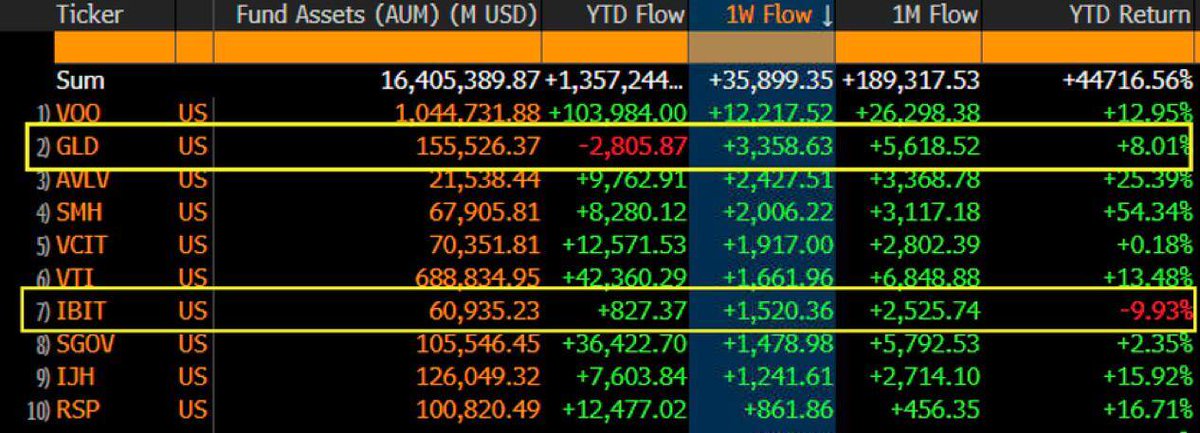
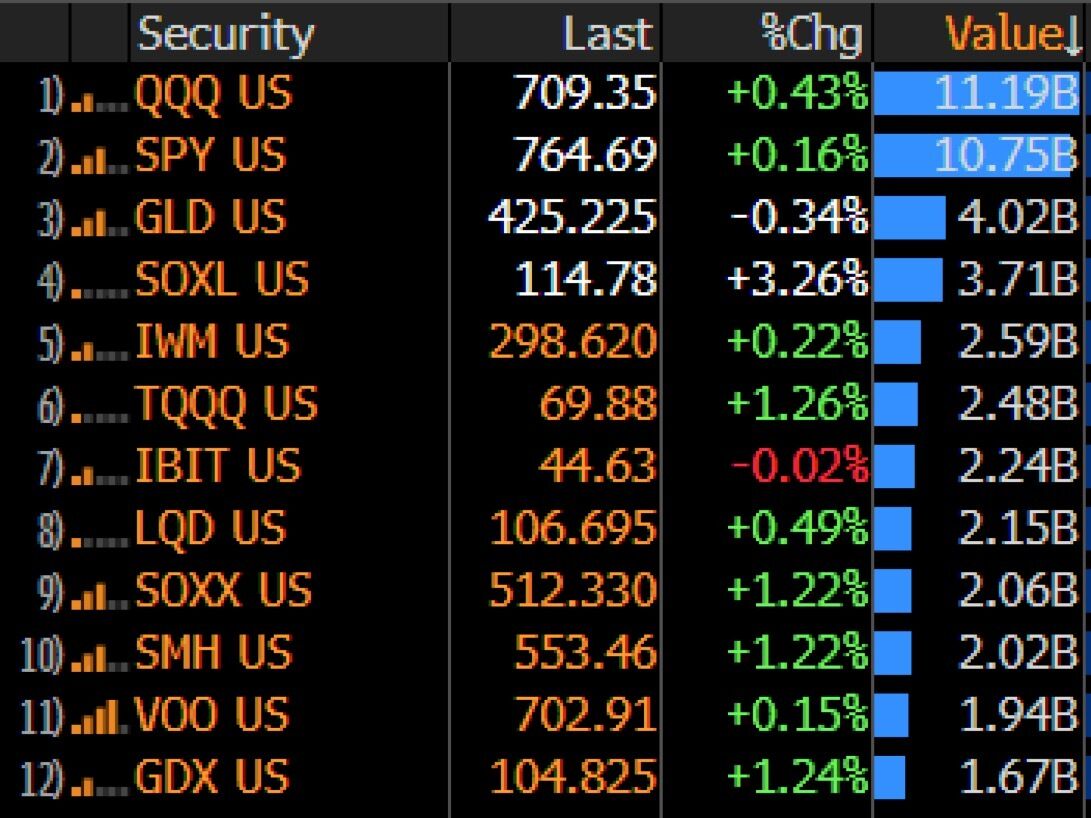
Bloomberg ETF analyst Eric Balchunas said on X that SPDR Gold Shares (GLD) and iShares Bitcoin Trust (IBIT) have returned to the top 10 most actively traded ETFs, pushing out some semiconductor funds. Several reposts and coverage echoed his view that the so-called debasement trade may be starting to displace the summer AI mania.
The backdrop is a summer run in which AI- and chip-linked ETFs dominated volume rankings. Recent coverage also points to a broader macro story: investors have been paying more attention to gold and bitcoin as store-of-value assets amid rising concern over U.S. fiscal strain and a record-high federal debt load.
For markets, the move matters because trading activity can show where attention and positioning are shifting, even if it does not equal net inflows. The renewed prominence of GLD and IBIT suggests some capital is rotating away from semiconductors and toward hard assets and bitcoin-linked exposure.
Balchunas did not present new flow data, and high volume alone does not prove a durable allocation shift. Investors will still need creation/redemption figures and weekly issuer flow reports to confirm whether the rotation is more than a short-lived trading theme.
Sea Limited reported second-quarter 2026 GAAP revenue of $7.8 billion, up 48.1% year over year. Net income rose 10.6% to $458.1 million, while adjusted EBITDA reached $917.2 million, according to the company’s August 11 release.
The growth was broad-based across the group’s three main businesses. Shopee revenue climbed 48.9% to $4.9 billion, Monee revenue rose 58.9% to $1.4 billion, and Garena revenue increased 33.5% to $746.6 million; Sea also said gross orders reached $4.2 billion and GMV totaled $38.3 billion.
For investors, the numbers keep Sea Limited (SE) on the radar as a growth-stock benchmark in Southeast Asian e-commerce, fintech and gaming. The X post reflects that read-through, pointing to revenue growth, improving monetization and continued institutional support.
Sea also said it repurchased 4.7 million shares for $416.8 million during the quarter under its $1 billion buyback plan. Management said Shopee and Monee are strengthening market leadership while Garena continues to benefit from Free Fire’s user base.
これまでの経緯
2026-08-11投稿9件 · 投稿者8人
Sea reported Q2 earnings with revenue beating estimates but EPS missing, driven by strong Shopee and Monee growth.
決算
Intuit lifts Q4 revenue to $4.35 billion, but FY2027 sales guide of $23.28 billion-$23.51 billion disappoints英語原文
Strong quarter, softer outlook: investors are now focused on slowing growth in TurboTax and Mailchimp rather than the beat.
Intuit reported fiscal Q4 revenue of $4.354 billion, ahead of the $4.27 billion consensus estimate, and adjusted EPS of $4.03 versus expectations of $3.58. The company also guided fiscal 2027 revenue to $23.28 billion-$23.51 billion, below the Street’s $23.72 billion estimate.
The new-year outlook is the main update. Multiple reports indicate TurboTax revenue growth is expected to slow to 2%-3%, while Mailchimp is projected to be flat to slightly down, underscoring a more cautious growth profile for the tax season and small-business software businesses.
The market’s reaction centered on the guide rather than the quarter. Intuit had already said Mailchimp would become a separate reportable segment starting in fiscal 2027, which makes the segment trends easier to track but also puts more scrutiny on each line’s growth rate.
Management also changed the non-GAAP framework for fiscal 2027, a shift that makes the EPS guide look less comparable to prior-year figures. For traders, the question shifted from whether Intuit beat the quarter to whether its growth can re-accelerate enough to support valuation.
Zoom reported fiscal Q2 2027 revenue of $1.277 billion, up 4.9% year over year, and adjusted EPS of $1.55. Enterprise revenue rose 7.8% to $787.5 million, while non-GAAP operating margin came in at 40.0%.
The company raised full-year FY27 revenue guidance to $5.09 billion-$5.10 billion and lifted adjusted EPS guidance to $6.08-$6.12. It also guided Q3 revenue to $1.275 billion-$1.280 billion and adjusted EPS to $1.46-$1.48.
Investors are likely to focus on the mixed tone in the outlook: the beat-and-raise quarter supports the case for improving execution, but the third-quarter profit range appears softer than some Street expectations. That keeps the stock in the spotlight as traders weigh enterprise demand, AI monetization and competition in collaboration software.
Zoom said enterprise retention remained at 99% and free cash flow was $472.4 million in the quarter. The company also reiterated a cash-rich balance sheet, a backdrop that keeps buybacks and strategic capital allocation in the market discussion.
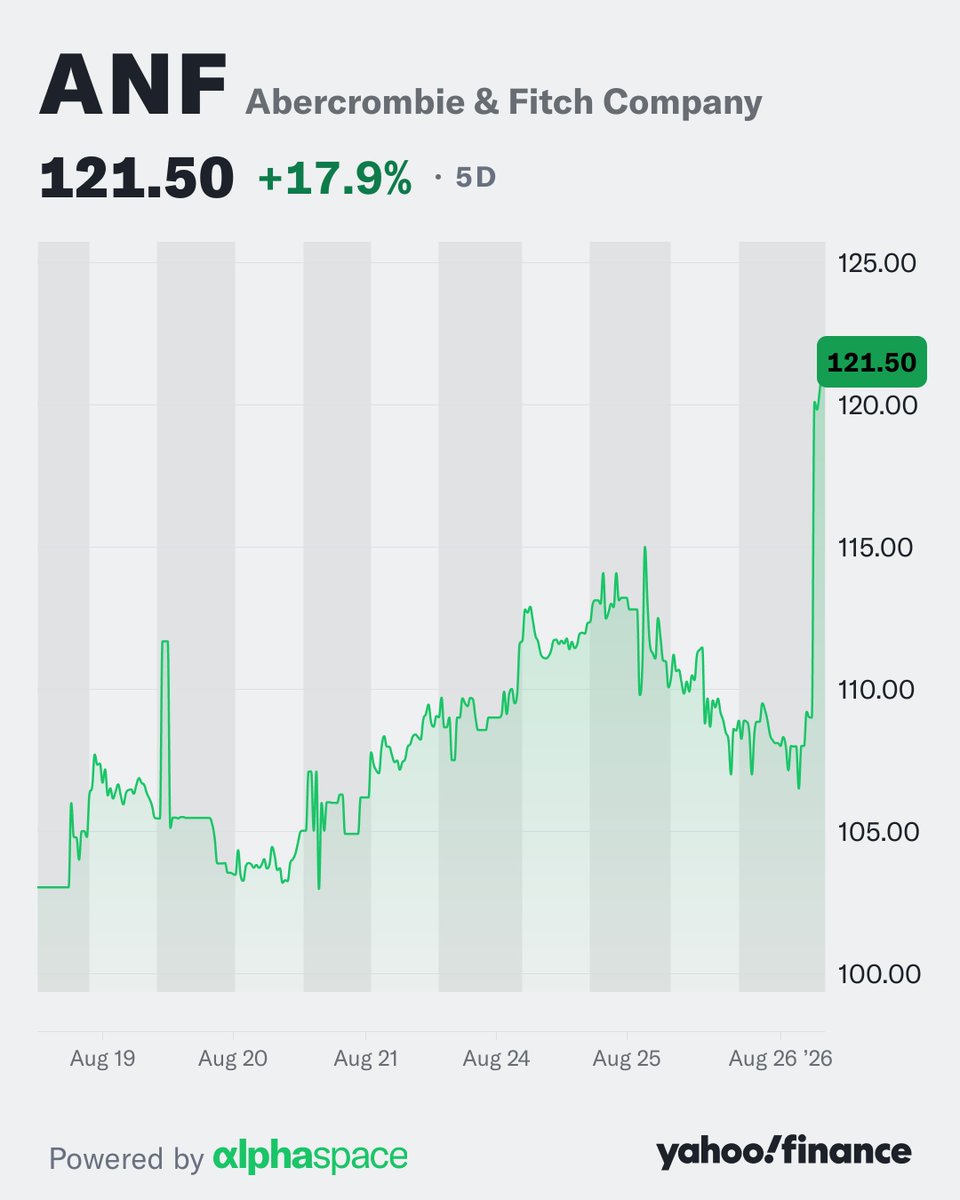
Abercrombie & Fitch reported second-quarter fiscal 2026 net sales of $1.267 billion, up 5% from a year earlier, while diluted earnings per share came in at $4.17. The company also raised full-year EPS guidance to $13.10-$13.60 and increased its share-repurchase target to at least $500 million.
A notable factor in the quarter was roughly $100 million of IEEPA tariff refunds, which management said added about $1.75 per share to results. Even so, the company said the quarter marked its 15th straight quarter of sales growth, underscoring continued demand across its brands and regions.
ANF shares rallied in premarket trading, with reports indicating gains of more than 11% after the release. Investors are now focusing on whether apparel demand and margin expansion can hold up once the one-time tariff benefit rolls off.
The company’s updated third-quarter outlook calls for net sales of $1.355 billion-$1.367 billion and EPS of $2.90-$3.20. That guidance gives the market a fresh read on operating momentum heading into the back half of the fiscal year.
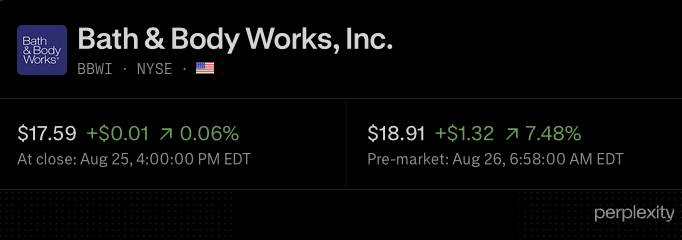
Bath & Body Works posts $1.5 billion sales, $0.62 EPS and lifts FY26 profit guide to $2.60-$2.80英語原文
The beat was driven by digital demand, but the company trimmed its sales outlook; traders are now focused on store traffic and execution in the back half.
Bath & Body Works reported second-quarter revenue of about $1.5 billion and adjusted earnings of $0.62 per share, both ahead of Wall Street expectations. The company also raised its full-year adjusted EPS outlook to $2.60-$2.80 while trimming its full-year net sales view to down 4% to down 2.5%.
Management said digital demand, especially in body care and home fragrance, helped offset softer mall traffic. That matters because the company has been trying to prove that its turnaround can hold up beyond the holiday-heavy parts of the year.
The stock’s reaction was cautious in premarket trading, suggesting investors are weighing the stronger profit outlook against the weaker sales guide. BBWI is the key ticker in focus, with traders watching whether the improved earnings profile can translate into sustained margin and cash-flow gains.
The company had already scheduled the quarter’s release for Aug. 26, making today’s report the first hard read on its back-half momentum. The next attention point is management’s commentary on third-quarter sales, margin trends and digital contribution.
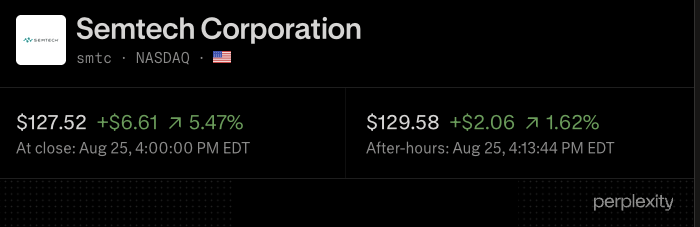
Semtech reported second-quarter fiscal 2027 revenue of $341.9 million, ahead of Street expectations around $328.6 million to $328.7 million. Adjusted EPS came in at $0.71, also above estimates, while the company guided third-quarter revenue to $410 million plus or minus $5 million and adjusted EPS to $1.05 plus or minus $0.03.
The results extend a run of improvement at the semiconductor company, which has been leaning on data-center connectivity, Signal Integrity and LoRa-related growth. In its prior quarterly update, Semtech said Q1 FY2027 net sales were $291.0 million, underscoring the sequential step-up into the latest quarter.
Shares of SMTC moved higher in after-hours trading following the release, as investors focused on the combination of a beat and a stronger forward guide. The stock reaction also reflects how closely the market is watching Semtech’s margin expansion and demand momentum in its core businesses.
Management said the quarter reflected record revenue across key focus areas and continued earnings leverage. The company framed the results as evidence that its portfolio optimization and investment in growth areas are starting to show through in the numbers.
Apple on Aug. 25 introduced two new chips, M6 and M5 Ultra, alongside refreshed Mac mini and Mac Studio models. Apple says M6 is built on a 2nm process and comes with a 12-core CPU, a 12-core GPU and a dual 16-core Neural Engine, while M5 Ultra scales up to a quad-die design with as many as 36 CPU cores and 80 GPU cores.
The company is positioning the upgrade around on-device AI and efficiency. Apple said M6 delivers up to 40% faster CPU performance versus M4, up to 4x faster AI task performance, up to 2x faster graphics, and 170GB/s of unified memory bandwidth; M5 Ultra tops out at 1.2TB/s of unified memory bandwidth for heavier pro and AI workloads.
Investors will likely watch AAPL and, by extension, 2nm-related supply chain names such as TSMC. With neural accelerators in each GPU core and stronger local LLM performance, Apple is trying to strengthen the case for desktop AI use cases while keeping the iPhone maker squarely in the premium PC and AI workstation conversation.
The Verge, MacRumors and CNBC also confirmed the new Mac mini pricing and launch timing: the M6 model starts at $899, the M5 Pro model at $1,699, preorders are open and shipping is slated for Sept. 22. Apple has not disputed the public performance figures it shared in its announcement.
X posts from multiple accounts indicate that Amazon Web Services has agreed to acquire DuckLabs, the Amsterdam-based team behind DuckDB. The parties have not publicly disclosed the financial terms.
DuckLabs said on its website on May 27 that it was dropping “Labs” from the name and now employs more than 30 full-time people. The company also said DuckDB now gets more than one million downloads a day, underscoring how far the open-source analytics database has scaled since its 2021 spin-off.
For AWS, the appeal is straightforward: DuckDB has become a popular embedded analytics engine, and DuckLabs also works on DuckLake and Quack. Amazon investors will likely watch how the acquisition fits into AWS’s broader data and developer-tool strategy, though there is no public evidence yet that the deal will materially change Amazon’s near-term financial outlook.
DuckDB Foundation has said it holds the project’s intellectual property and preserves its open-source continuity under permissive licensing. That means the acquisition appears aimed at the team and commercial support capabilities rather than a change in the project’s open-source status.
World Liberty Financial said on Aug. 25 that its USD1 stablecoin is now issued natively on Canton Network, rather than bridged from another chain. DeFiLlama data put USD1’s market value at about $4.05 billion, making it the sixth-largest dollar-pegged stablecoin.
The move matters because Canton is built for institutional finance, where tokenized securities and cash legs need to settle together. World Liberty said USD1 can now be used for collateral, lending, issuance, redemptions and cross-border payments inside the network’s privacy and permissioning framework.
The stablecoin’s operating setup still depends on external plumbing. BitGo Bank & Trust currently handles issuance and redemption, while World Liberty Trust Company received conditional OCC approval on Aug. 14 and still must satisfy pre-opening requirements, including at least $20 million in eligible capital.
For now, the launch adds another institution-facing use case to USD1 as World Liberty continues to build out its regulatory structure. The company has said a final OCC green light would allow its trust company to take over reserve management and stablecoin operations.
Reuters reported on Aug. 25 that SLB and Venezuela’s state-run PDVSA signed a contract last week giving SLB access to the country’s oilfield data. According to sources, the agreement spans data management from reservoir characterization to real-time crude production and will help organize and upgrade PDVSA’s databases.
The backdrop is a long-running information gap in Venezuela’s oil sector, where routine oil statistics have not been published for more than a decade. The report also said PDVSA’s systems were damaged by a cyberattack, and that some data now has to be rebuilt from paper copies while geological and production databases are migrated to new providers.
For investors, the key angle is SLB’s expanding role in digital oilfield services, cloud systems and technology transfer, not just field operations. SLB closed at $53.29 on Aug. 25, down 1.31% on the day, though that move reflects broader market trading and not a proven reaction to this specific contract.
Reuters said the contract’s duration and payment mechanism remain undisclosed. Venezuela’s oil ministry and the U.S. Embassy in Caracas had already confirmed an agreement with SLB to modernize exploration and production.
Waymo is preparing to test autonomous vehicles in Munich in the coming weeks, according to Bloomberg and Reuters-linked reporting cited in the social-media signal. The plan starts with manual mapping and road familiarization, then moves to supervised autonomous testing, with a commercial rollout targeted for 2027.
The move would take Alphabet’s self-driving arm deeper into international expansion after earlier plans for London and Tokyo. Waymo has already registered a German entity, Waymo Germany GmbH, whose filing describes autonomous ride-hailing as part of its business purpose, underscoring that the company is building a local operating structure rather than floating an abstract idea.
For markets, the main stock in focus is GOOGL, since Waymo sits inside Alphabet and remains part of the long-term bull case around autonomy. Uber is a comparison name for investors because it continues to expand in Europe across mobility and delivery, but it is not the direct subject of the German testing plan.
Waymo has not provided a more detailed launch calendar for Germany. The new development is that the company is now publicly tied to Munich road testing and a late-2027 commercial target, giving its Europe push a concrete operational timeline.
BTQ Technologies says it has signed a memorandum of understanding with ITCENGLOBAL, through security subsidiary ITCEN PNS, to collaborate on post-quantum cryptography, quantum-safe authentication and next-generation security infrastructure. The stated focus includes financial networks, digital identity, biometric authentication, public-sector systems and enterprise platforms.
The backdrop matters: ITCENGLOBAL says its 2025 consolidated revenue was about KRW 8.9 trillion, or roughly US$6 billion, and ITCEN PNS received KCMVP validation for a hybrid cryptographic module in July 2026. That certification is important in Korea’s regulated government and financial environments, where validated crypto products are often required for deployment.
For BTQ, the partnership offers a potential route into Korean banks, agencies and large enterprises through an established local delivery partner. ITCEN PNS also claims deployments across Korean financial institutions and participation in a Korea Internet & Security Agency zero-trust pilot, which could help BTQ position its technology in real-world infrastructure.
The agreement is still an MOU, so it signals intent rather than guaranteed revenue. Even so, it adds another datapoint for BTQ’s Korea strategy and keeps the company tied to the broader post-quantum security theme that investors have been tracking in the sector.
The latest comments add color to Northrop’s expected role in the U.S. missile-defense push, with investors watching how much of the program turns into contracts.
Northrop Grumman CEO Kathy Warden said President Donald Trump’s Golden Dome missile-defense initiative is becoming “very tangible” for defense companies, adding that Northrop expects to capture a “decent share” of the program. The comments were carried by market wires and highlighted the company’s role in the architecture.
Golden Dome is being built as a collection of existing and emerging capabilities rather than one standalone weapons system. Earlier reporting said Congress provided about $24 billion in reconciliation funding for related air and missile-defense capabilities in 2025, and that money has begun moving onto contracts.
For NOC, the key issue is how quickly Golden Dome-related work translates into funded awards across missile warning, tracking, interceptors and command-and-control. That could support sentiment around the stock because Northrop is already positioned across multiple layers of the defense stack, including B-21 and missile-defense programs.
Still, long-term funding remains uncertain. Recent reports noted that fiscal 2027 funding is not yet secured, so the pace of awards and budget follow-through will likely determine how meaningful the program becomes for Northrop’s revenue mix.
これまでの経緯
2026-08-12投稿3件 · 投稿者3人
SpaceX, Northrop Grumman, and other contractors passed initial key tests for the Golden Dome missile defense system.
マクロ
UK CBI retail sales balance sinks to -48 in August from -26英語原文
The latest distributive trades survey points to weaker retail, wholesale and total sales, underscoring fragile UK consumer demand.
The CBI’s August distributive trades survey showed the retail sales balance at -48, weaker than the -35 consensus and down from -26 in July. Total distributive trades reported sales also slipped to -27 from 1 a month earlier, indicating a broad softening across retail, wholesale and motor trade activity.
The CBI said its June survey had already flagged depressed consumer sentiment and rising cost pressures, with retailers reporting a gloomy start to the summer. The balance measures the share of firms reporting higher sales minus those reporting lower sales, so a more negative reading signals a wider downturn.
The reading is closely watched by UK consumer, department store and home improvement stocks because it offers an early read on household spending and inventory trends. Investors often use it alongside margins and pricing data to gauge whether weaker demand is filtering through to earnings.
The CBI has not issued fresh policy comments on the August print. In June, it said businesses still needed clarity on business rates, energy costs and employment rules to support confidence and growth.
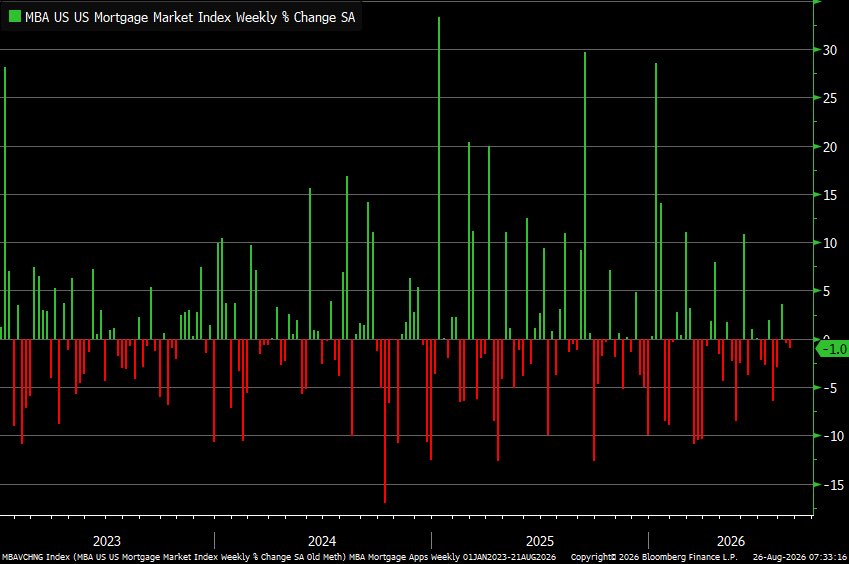
The Mortgage Bankers Association said mortgage applications fell 1.0% in the week ended Aug. 21, after a 0.4% decline in the prior week. The average contract rate on 30-year fixed mortgages rose to 6.78% from 6.77%, according to the latest figures cited in the X signal.
That follows MBA’s Aug. 19 release for the week ended Aug. 14, when applications slipped 0.4%, purchase applications fell 2%, and refinance activity rose 2%. MBA economist Joel Kan said affordability concerns had resurfaced as higher mortgage rates lifted monthly payments.
For the housing market, persistently elevated borrowing costs can keep pressure on home sales activity and mortgage origination volumes. Lenders and housing-linked equities are watching the data closely because weaker application trends usually translate into softer near-term demand.
MBA also said refinance share climbed to 41.9% in the prior report, while the average refinance loan size fell to $282,200, the lowest since June 2025. That suggests the refinancing pool is still narrowing even as some borrowers take advantage of slightly lower pockets in rates.
これまでの経緯
2026-07-01投稿7件 · 投稿者6人
MBA mortgage applications were flat versus prior, with markets focused on a slate of US data and central bank speeches.
規制
EchoStarとHughes、米管財人から15億ドルの調査要求英語原文
The bankruptcy watchdog is seeking an independent examiner over alleged related-party transactions between the parent and its Chapter 11 subsidiary.
The U.S. Trustee in Hughes Satellite Systems’ bankruptcy case has asked a Texas court to appoint an independent examiner to review more than $1.5 billion in transactions between EchoStar and Hughes. The request, reported on Aug. 25, marks the latest escalation in a dispute centered on alleged related-party transfers.
Hughes filed for Chapter 11 on Aug. 2 in the Southern District of Texas after disclosing debt maturities and a special committee review of transactions with EchoStar and its affiliates. Court filings show the company’s 5.25% secured notes due 2026 and 6.625% senior notes due 2026 were automatically accelerated when the case began.
For EchoStar shares, the issue matters because the probe targets the parent company’s dealings with the bankrupt unit that houses part of its debt restructuring. Bondholders representing about 80% of Hughes’ notes have also pressed for scrutiny, raising the stakes for negotiations over recoveries and governance.
EchoStar has not been reported to admit wrongdoing, and Hughes has said it expects to keep operating during bankruptcy as it pursues a reorganization. The court will decide whether to appoint an examiner.
企業動向
NVIDIA launches Jetson Orin Nano 2 with 78 TOPS, H1 2027 availability英語原文
The new edge-AI robotics computer targets robots and drones with higher inference efficiency and lower power use.
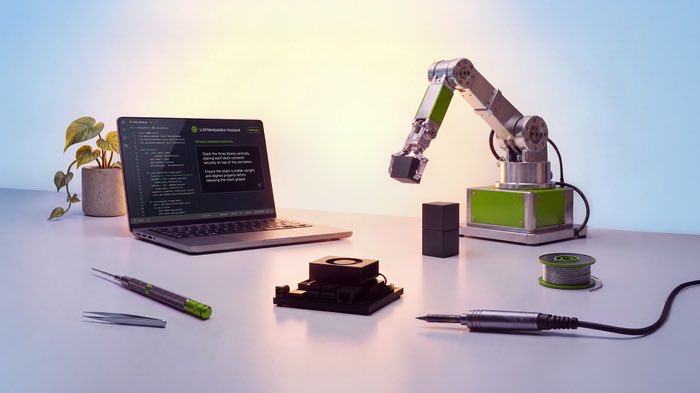
NVIDIA announced Jetson Orin Nano 2 on August 25, a new robotics computer for entry-level edge AI. The company said the module delivers 78 TOPS of AI compute, 8GB of memory and an 8-core Arm CPU, with availability expected in the first half of 2027.
The launch extends NVIDIA’s push into robotics infrastructure. According to the company, Jetson Orin Nano 2 doubles inference performance versus its predecessor in the same form factor and uses 40% less power at the same performance in 15-watt mode, aimed at robots, delivery and inspection drones, and vision AI systems.
For the market, the update reinforces NVIDIA’s position as a key supplier to the robotics and edge-AI ecosystem, while giving partners a new hardware upgrade path. NVIDIA also said more than 3 million developers have built on its robotics stack, with Cognex, Doosan Bobcat and Matic among the early adopters exploring the new system.
NVIDIA has not disclosed pricing or any direct financial impact from the launch. So far, follow-up coverage has focused on the product specs, power efficiency and timing rather than incremental revenue guidance.
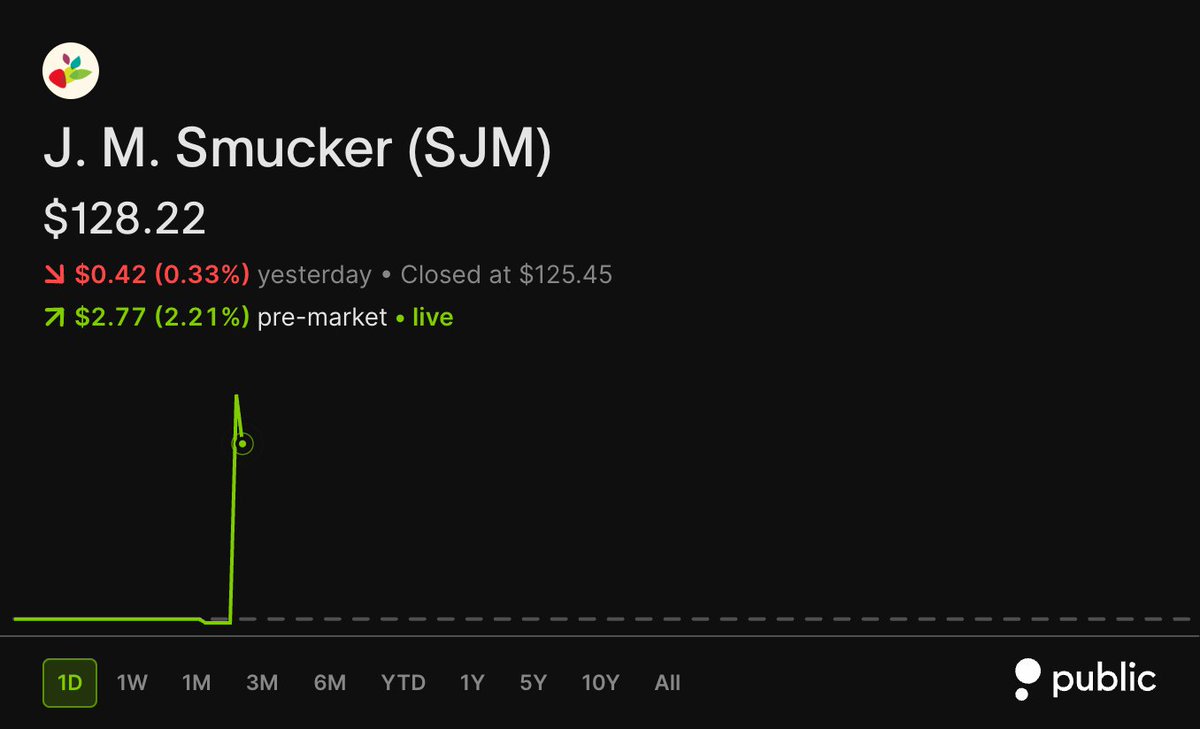
J.M. Smucker posted a stronger-than-expected first quarter, with revenue of about $2.2 billion and adjusted EPS of $3.24, both above Wall Street expectations. The company also raised its fiscal 2027 adjusted EPS guidance to $10.50 to $11.00 and narrowed its full-year sales decline outlook to 1% to 2%.
The upgrade reflects stable demand in coffee and ready-to-eat meals. In its prior outlook, the company had guided for a 3% to 4% sales decline and adjusted EPS of $9.75 to $10.25, making the latest update a clear step up on the profit side.
For the stock, the quarter keeps attention on SJM’s coffee pricing, Uncrustables momentum and Hostess integration. Investors will be watching whether pricing power and cost relief can continue to offset volume pressure.
The company also said tariff-related refunds helped the quarter. Earlier reporting had already pointed to a smaller annual sales decline, suggesting demand trends have remained firmer than feared.
Jim Cramer said he keeps reading about chips that are supposedly better than Nvidia, but that he still sees “no real competitors.” Multiple X signals echoed the same message, framing the comment as a fresh take ahead of Nvidia’s earnings release.
The timing matters because Nvidia is about to report second-quarter results. CNBC said Wall Street expects $2.09 in earnings per share on $92.28 billion in revenue, and investors are treating the report as a referendum on the AI trade.
For markets, Nvidia remains the key bellwether for NVDA itself and for the broader AI hardware stack, including AMD, Micron and Taiwan Semiconductor. Any surprise in the results or guidance can ripple through data-center spending expectations, memory-chip names and hyperscaler capex plans.
The comment is Cramer’s view, not a company statement. CNBC also said he sees Nvidia as “all-important” to the AI ecosystem despite concerns around data-center buildouts, HBM shortages and U.S. export restrictions to China.
Bitcoin traded around the $78,000-$80,000 range on Aug. 26 after a sharp August run that briefly pushed the token above $81,000. The latest market update shows momentum cooling as traders take profits and wait for U.S. inflation data and Federal Reserve signals.
The rally was helped by renewed spot Bitcoin ETF inflows, a softer dollar and policy-related tailwinds, including the U.S. Treasury’s decision to expand longer-dated bond buybacks. Several market reports said Bitcoin has already tested a resistance band near $80,000-$82,000, while some analysts are watching about $83,000 as a more decisive confirmation level.
For equities tied to crypto trading and fund flows, the setup keeps names such as Coinbase (COIN) in focus, along with Bitcoin-linked investment products. A stronger risk backdrop could support volumes and sentiment across digital-asset markets, while a pause in Bitcoin’s breakout may keep trading activity choppy.
No new company-specific disclosure drove the move; today’s incremental news is the market’s reaction to macro events still pending. The near-term debate is centered on whether Bitcoin can hold the $80,000 area after the latest surge or fade back into the previous range.
これまでの経緯
企業動向
WSJ says OpenAI data center chief Chris Malone left; Oracle back in focus英語原文
The reported departure comes as OpenAI keeps reshaping its compute strategy, shifting more work toward cloud partners and self-built capacity.
Multiple wire accounts, citing The Wall Street Journal, said OpenAI’s head of data centers, Chris Malone, has left the company and that he departed last week. OpenAI has not publicly confirmed the report or commented on the reason for the exit.
The personnel move lands amid a broader reset in OpenAI’s infrastructure plan. Recent reporting has described a reorganization of its compute and infrastructure teams, alongside a push to rent more AI servers from cloud providers while still pursuing new buildouts.
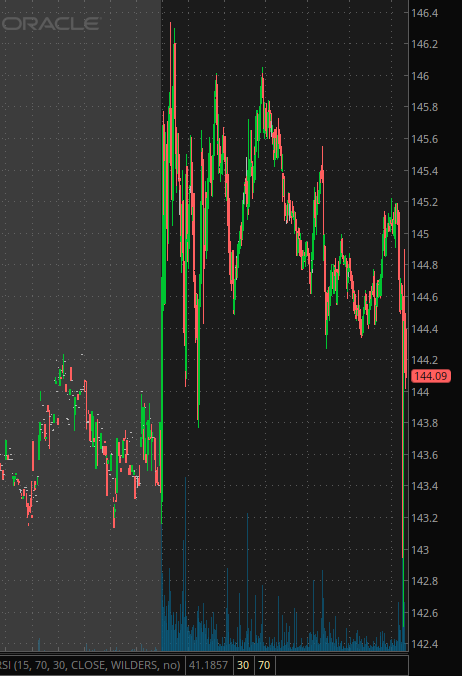
For investors, the key read-through is the infrastructure ecosystem around OpenAI, including Oracle, which has been a major partner in its data-center expansion efforts. A local market report said Oracle closed Aug. 24 at $142.45, down 2.74% on the day.
At this stage, the only verifiable facts are the media reports of Malone’s departure and the previously reported shift in OpenAI’s data-center strategy. There has been no public disclosure on whether the leadership change affects any specific contracts or timelines.
Meta employees consumed 73.7 trillion AI tokens in a month, costing roughly $221 million, sparking debate over its AI spending scale.
2026-07-08投稿16件 · 投稿者14人
Meta faces a lawsuit from four states with potential penalties up to $1.4 trillion, nearly its market value, while Truist sees it as undervalued.
2026-07-10投稿11件 · 投稿者10人
Meta plans to produce its own Iris AI chip in September to cut reliance on Nvidia and AMD, while the EU preliminarily found it in breach of digital laws.
2026-08-18投稿9件 · 投稿者9人
Meta heads to court Tuesday over claims of addictive social media designs from a coalition of states, with shares slipping 1% premarket.
2026-08-24投稿3件 · 投稿者3人
Analysts expect Meta to underperform the S&P 500 near-term due to a $1 trillion trial, while users complain about missing AI features.
2026-08-26投稿27件 · 投稿者14人
Meta agreed to pay $16.7 billion to settle claims from U.S. states that its platforms harmed children.
Palantir and Nvidia expanded their sovereign AI partnership, Goldman noted IPO volumes lag 2021 levels with buybacks on record pace, and Gulf states seek a more active role in Silicon Valley investments.
2026-07-23投稿15件 · 投稿者14人
Alphabet reported Q2 revenue up 24% to $119.8B with cloud surging 82%, but missed on core earnings; net income jumped 298% largely from unrealized equity gains.
2026-08-13投稿12件 · 投稿者12人
Reports suggested Anthropic could overtake SpaceX as the largest IPO at a $2T+ valuation; SpaceX surged 35% post-lockup, with Morgan Stanley setting a double-price target.
2026-08-21投稿46件 · 投稿者38人
Bloomberg reported Anthropic may file for IPO by end of August, expecting to match or exceed SpaceX's record $86.2B raise, with a potential $2T valuation.
2026-08-25投稿5件 · 投稿者4人
Anthropic is expected to tell IPO investors its TAM exceeds $30T, surpassing SpaceX's $28.5T; SpaceX derives ~45-50% of revenue from AI compute leasing to Google and Anthropic.
2026-08-26投稿13件 · 投稿者13人
Anthropic is set to disclose a TAM above $30T to IPO investors, roughly the size of US GDP; the WSJ exclusively reported the figure, drawing wide attention.
Discussions centered on correcting tech community messaging on data center power facts, plus a production comparison of OCaml, C++, and Rust in HFT systems; market brief noted suppressed volatility but not risk-on.
2026-08-18投稿12件 · 投稿者12人
Metaplanet was praised for leveraging US capital markets, while Meta faced its largest social media litigation with 29 states alleging addictive platform design.
2026-08-19投稿12件 · 投稿者11人
Meta faced potential $1.4 trillion penalties in the social media addiction trial, with stock down 15.8% monthly; trial is judge-decided and expected to last six weeks.
2026-08-22投稿4件 · 投稿者4人
Commentary questioned the Meta lawsuit's logic, while attention turned to a $3B critical metals commitment and commodity ETF options.
2026-08-26投稿58件 · 投稿者32人
Meta agreed to pay $16.7 billion to settle claims from US states over child harm, ending the blockbuster lawsuit.
BlackRock's IBIT saw its seventh straight weekly outflow, losing $860M this week alone, hitting a 52-week low of $33, while total spot Bitcoin ETF outflows set a weekly record at $1.79B.
2026-08-11投稿28件 · 投稿者24人
Spot Bitcoin ETFs saw their largest weekly inflow since April at $850 million, with BlackRock telling Bloomberg that ETF investors are consistently buying and holding BTC long-term on the dip.
2026-08-21投稿31件 · 投稿者25人
Spot Bitcoin ETF daily volume surpassed $5.3 billion with BlackRock leading at $4.4 billion, while weekly inflows reached $1.6 billion, the highest in 10 months.
2026-08-24投稿29件 · 投稿者25人
IBIT call option volume hit a record 1.58 million contracts in a day, while spot BTC and ETH ETFs posted their highest weekly inflows since October at $1.92 billion and $697 million respectively.
2026-08-25投稿31件 · 投稿者26人
Bitcoin ETF volume surged to $5 billion in a day (72% above average), Thailand's SEC officially proposed regulating Bitcoin and crypto ETFs, and ETF assets climbed 25.4% to $96.1 billion in a week.
2026-08-26投稿30件 · 投稿者22人
Thailand's SEC advanced spot Bitcoin and Ethereum ETF regulations, Bitcoin ETFs saw a $337 million daily inflow, and BlackRock enabled direct BTC-to-IBIT swaps starting at $1 million.