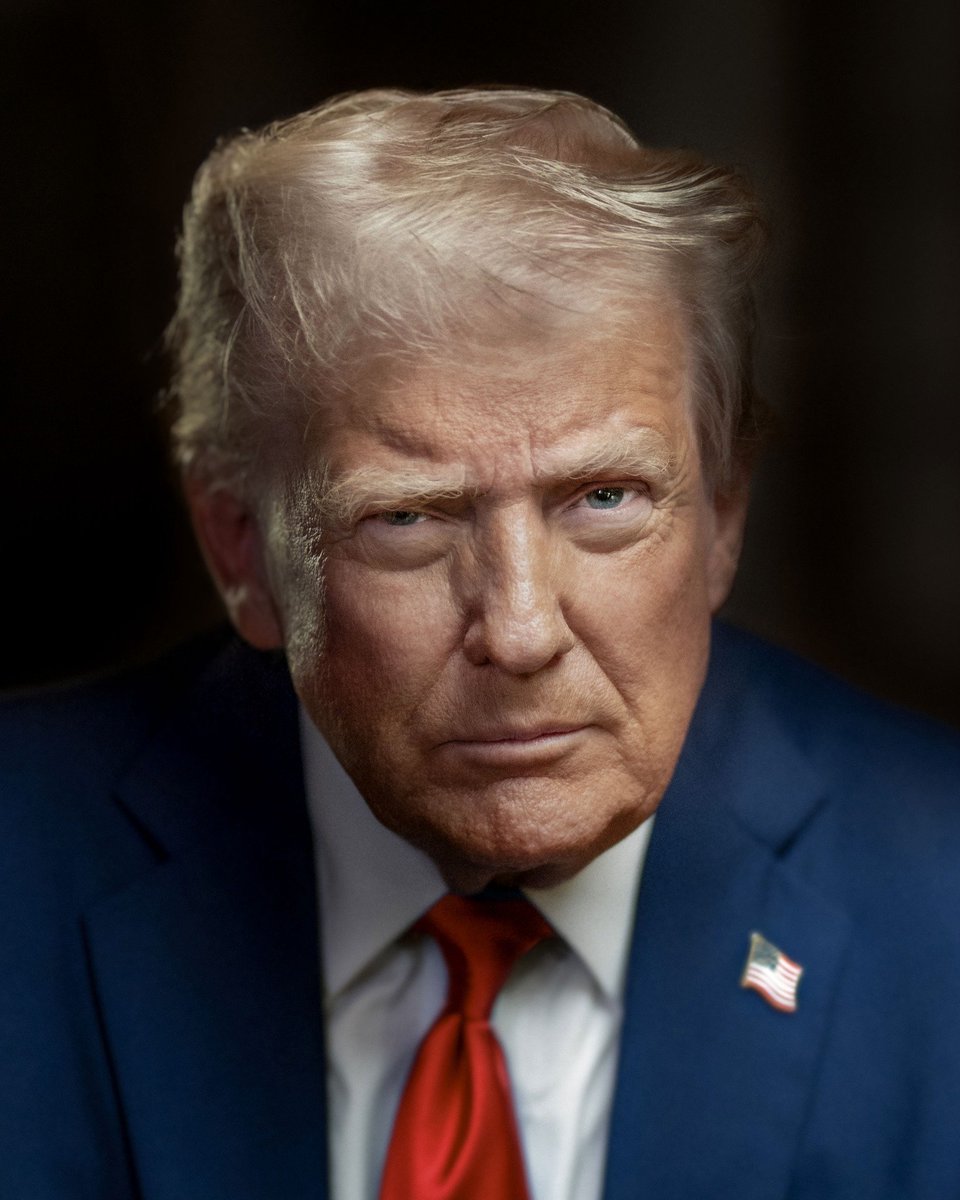
Trump said he is forming an “AI Force” and will soon appoint an “AI czar.” Multiple signal sources relayed the same statement, alongside his message that the U.S. will not slow or stifle AI development.
The update points to a more formalized White House approach to AI rather than a company-specific move. In the same remarks, Trump also said AI could eventually account for as much as 25% of U.S. GDP.
For markets, the headline reinforces sentiment around the AI trade and its infrastructure buildout. Recent site coverage has continued to focus on AI-linked names including Alphabet, Broadcom, Meta, Microsoft and Nvidia.
The concrete new development is Trump’s explicit mention of both an “AI Force” and an “AI czar,” though no detailed structure or timetable was provided in the material. The reports remain based on live remark transcriptions and wire summaries.
Russian officials said Ukraine launched one of its largest drone attacks of the war on Moscow and the surrounding region, damaging the Moscow Oil Refinery and setting off fires. Reuters reported that two people were killed in the Moscow region, while Russian authorities said more than 1,600 drones were downed or intercepted in total.
The attack landed on the final day of Russia’s parliamentary elections, making the refinery strike politically sensitive as well as operationally significant. Multiple outlets cited Moscow mayor Sergei Sobyanin in saying the refinery was hit during the overnight barrage.
For markets, the immediate focus is on refinery uptime, fuel logistics and the broader security of Russian energy infrastructure rather than on a direct earnings hit to U.S.-listed companies. Any prolonged disruption could feed into refined-product pricing and sentiment across the European energy complex.
Ukrainian officials have not provided a fully independent account of the strike details, though Kyiv has repeatedly framed long-range attacks as retaliation against Russia’s energy and military infrastructure. Russian statements on casualties and damage differed across officials, with some saying there were fatalities and others saying there were none at the refinery itself.
President Donald Trump cut short his weekend stay at Camp David on Sept. 19 and returned to the White House earlier than scheduled. Multiple reports citing a White House pool update said the president was due back in Washington that evening, while the White House did not immediately explain the change.
The move came the same day the State Department issued a new security alert for Americans in the Middle East, warning that the security environment could escalate rapidly. The advisory urged travelers to monitor airport and airline operations amid risks of cancellations, airspace closures and broader disruption.
Traders often read sudden presidential schedule changes through the lens of geopolitics, especially for crude, defense and risk-off positioning. The mention of USO in social posts reflects that oil-linked exposure, but there is no evidence that Trump’s early return itself changed policy or supply conditions.
US media also reported that NORAD intercepted a general aviation aircraft near Thurmont, Maryland, earlier in the day, though officials said it posed no danger to people on the ground or to the presidential retreat. The White House has not offered a reason for the shortened trip.
President Trump said artificial intelligence could eventually account for 25% of U.S. GDP. Multiple X posts echoed the comment, and one said he also announced an "AI Force".
The statement matters because it adds a fresh policy signal at the macro level rather than a company-specific update. In nearby coverage, Nvidia CEO Jensen Huang reiterated his view that global AI infrastructure spending could reach $3 trillion to $4 trillion by 2030.
The market read-through pointed to AI infrastructure names such as CoreWeave, IREN, and Nebius. On X, some traders framed the remarks as a sign that Washington is not looking to slow AI growth.
The current material does not include a formal policy document or further implementation detail. Any impact on the sector will depend on what follows after the comment and whether spending plans continue to scale.
X signals citing Nikkei Asia say Nippon Life is planning about $13 billion of financing for data centers, with the U.S. as the main focus. The reports are consistent on size and geography, but do not provide execution details.
The update matters because it links traditional insurance capital more directly to AI infrastructure financing. Recent coverage in our news library shows CoreWeave closed Q2 2026 with a record $104.2 billion revenue backlog and raised 2026 revenue guidance to $12.4 billion-$13.2 billion, underscoring how large the funding cycle has become.
For the market, this kind of capital allocation is relevant to names such as NBIS, IREN, CIFR and CRWV, which are all tied to the data-center buildout theme. CoreWeave also featured in Sep. 18 trading coverage after a $3 billion convertible deal, with the stock down 4.2% that day.
At this stage, the available material does not identify a specific project, counterparty, or closing timetable. That means the report should be read as a financing plan, not as a completed transaction.
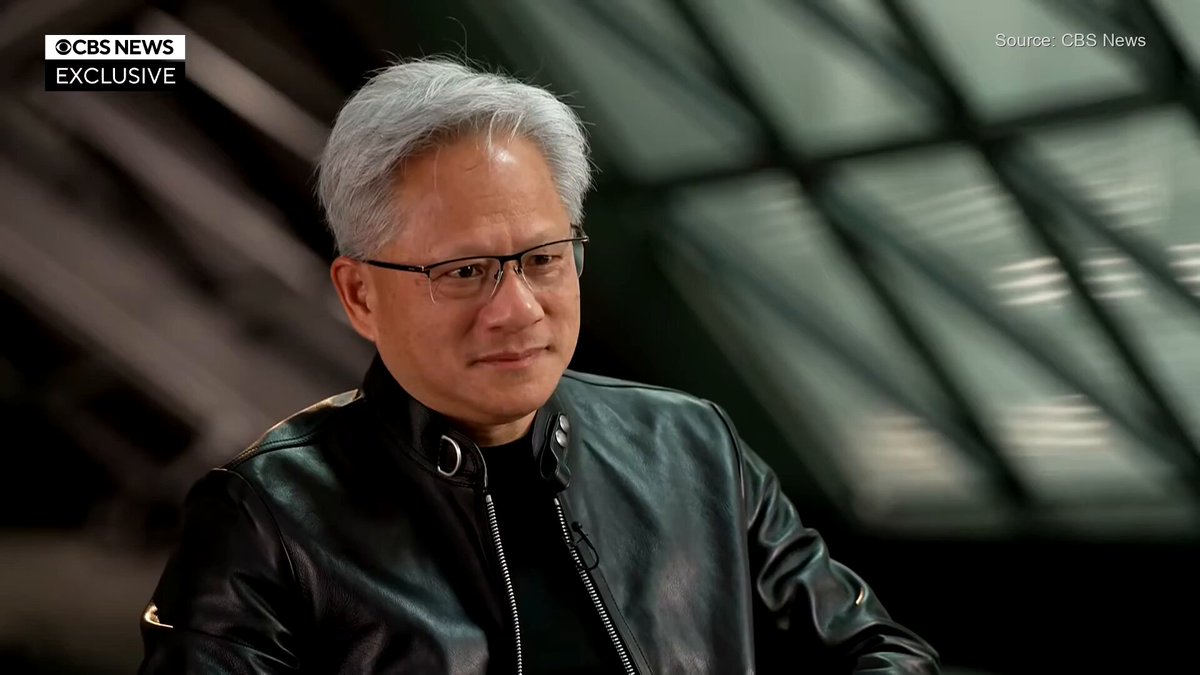
Nvidia CEO Jensen Huang said AI should move “as fast as we can,” while stressing that speed must not come at the expense of safety. He added that products should never be shipped before they are ready or delivered in an unsafe state.
The comments land amid an intensifying debate over AI safety and regulation. Anthropic researcher Jacob Coxon recently resigned publicly, warning that leading AI labs are gambling with people’s lives, and Anthropic CEO Dario Amodei has also urged the industry to slow the pace of frontier model development.
Huang also addressed pushback over data-center expansion, saying the industry should have engaged communities earlier. He argued newer facilities are more water-efficient and should help support local infrastructure such as power, roads, and schools.
For markets, the remarks reinforce the narrative around Nvidia’s central role in the AI buildout and could keep attention on NVDA and the wider data-center supply chain. Nvidia remains one of the biggest beneficiaries of the AI infrastructure boom, with a market value above $5 trillion.
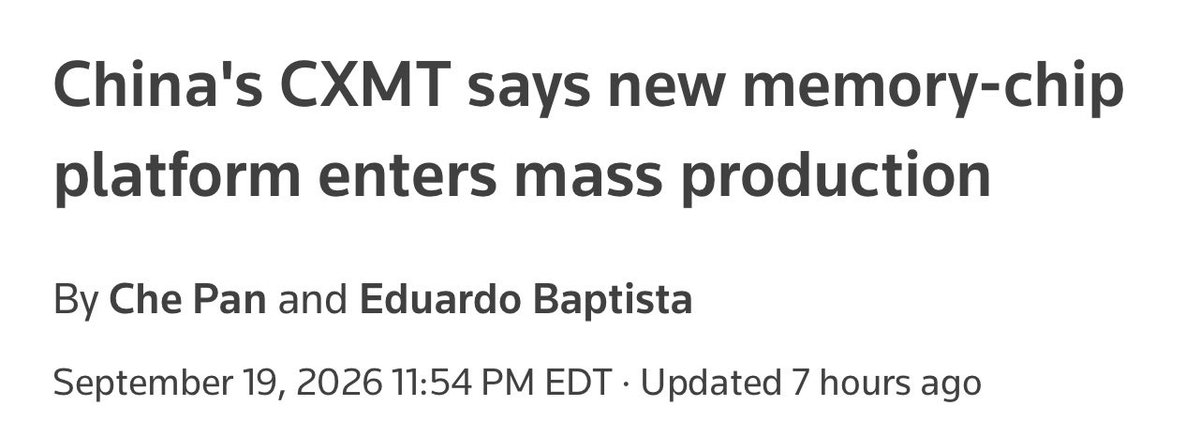
Chinese memory-chip maker ChangXin Memory Technologies (CXMT) said its fifth-generation DRAM platform has entered mass production and that it has launched two 24Gb LPDDR5X products built on the new process. The company said the platform reduces key cell spacing to 11.95 nanometers and uses quadruple-patterning techniques.
CXMT also said the new platform produces at least 50% more dies per wafer than its fourth-generation platform, while the new LPDDR5X parts offer 50% more capacity than prior comparable products. Reuters and the Global Times both reported the company’s claims, with the latter saying the chips are aimed at mid- to high-end smartphones and portable consumer electronics.
The development matters because DRAM is the working memory used in phones, PCs and other devices, and CXMT is one of China’s key domestic memory suppliers. Reuters said the platform could help CXMT compete more effectively with Samsung Electronics, SK Hynix and Micron in the global memory market.
For investors, the immediate takeaway is a potential shift in the competitive map for commodity DRAM, though commercial impact will still depend on yields, customer qualification and ramp speed. The reports present CXMT’s claims as company statements, and no independent source in the search results contradicted them.
Multiple X posts say SpaceX $SPCX will rise to 2.82% of the Nasdaq 100 when the index’s quarterly rebalance takes effect Monday. They describe the new weighting as more than double the current level of about 1.28%.
In the past 48 hours, our newsroom has also seen coverage framing SpaceX as a focal point for investors, including debate over analyst coverage and valuation. The rebalance gives that discussion a fresh market-structure angle by changing how the stock is represented in a major index.
The X signal also says Tesla is already near 4% of the Nasdaq 100, putting the combined exposure of Elon Musk’s companies at nearly 7%. That makes the index more sensitive to moves in these names and to portfolio flows linked to passive tracking.
The posts cite Bloomberg and wire reports, and they consistently point to the 2.82% figure. If the rebalance proceeds as described, SpaceX will carry a materially larger footprint in the Nasdaq 100 starting Monday.
Bitcoin traded back near the $81,000 area on Sunday as the market continued to digest two recent headwinds: a Federal Reserve rate hike and the Senate’s failure to advance the CLARITY Act. The key takeaway from today’s signal is that those bearish headlines did not extend the selloff; instead, price quickly stabilized after a brief dip.
That backdrop matters because Glassnode-linked commentary now shows entity-adjusted SOPR holding above 1, which means coins are being spent at a profit on average. In market terms, profitable selling has so far been absorbed without a major breakdown in price, a pattern often associated with stronger demand.
The latest readings also fit with reports of renewed inflows into U.S. spot bitcoin ETFs after earlier outflows. That matters for bitcoin-linked equities and crypto trading venues because ETF demand is one of the main channels translating sentiment into actual buying pressure.
For now, the market is treating the macro and regulatory negatives as already priced in rather than as fresh catalysts. The next test is whether Bitcoin can sustain the rebound while on-chain profit-taking and macro volatility remain elevated.
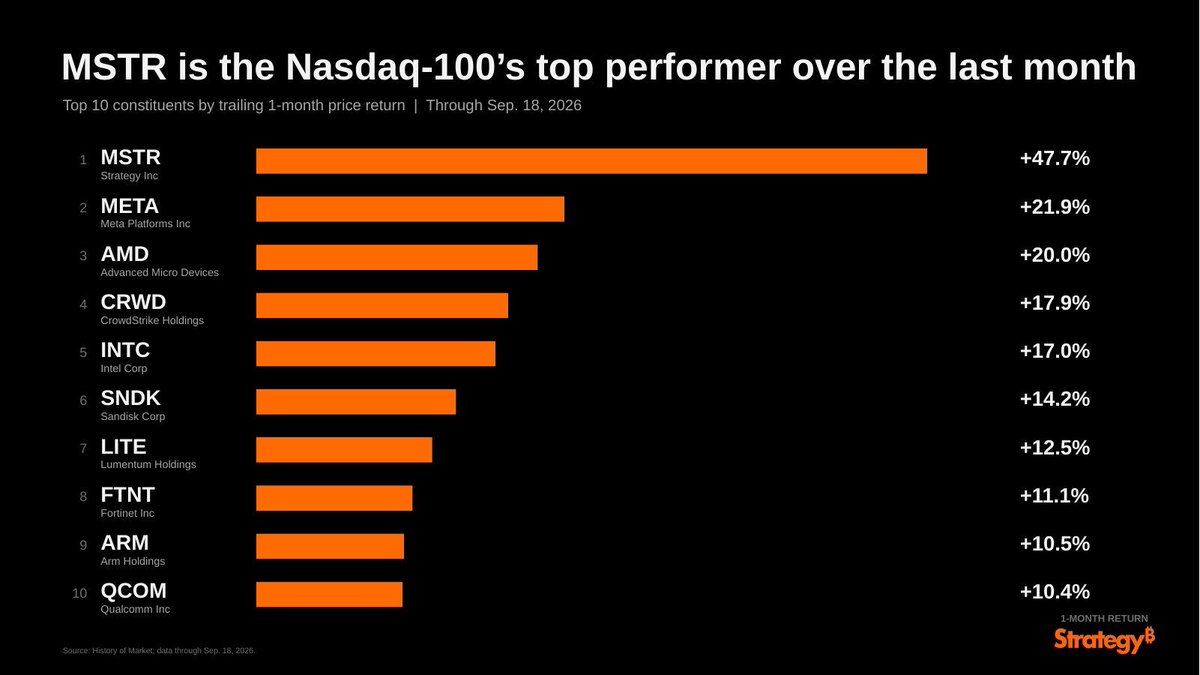
Multiple posts and reports today said Strategy (MSTR) was the best-performing Nasdaq-100 constituent over the past month, rising 48%. The company’s official account also amplified the claim on X, while Cointelegraph and other outlets repeated the same figure.
This is a performance snapshot rather than a new corporate event. Search results show the figure is being sourced to BIT (bit.com) market data, with one independent write-up citing a 47.7% trailing one-month return, broadly consistent with the 48% headline.
The stock draws outsized attention because investors often treat MSTR as a high-beta proxy for Bitcoin exposure. Broader Nasdaq-100 strength also included chip names, but Strategy’s move was far larger than peers, putting it at the top of the one-month leaderboard.
The verified takeaway is limited to the ranking itself. No forward direction should be inferred from this one-month data point.
Grayscale has filed to execute a 3-for-1 forward split of its Zcash ETF, ZCSH. Under the plan, shareholders of record at the Sept. 28 close would receive two additional shares for each one held, with split-adjusted trading expected to begin Sept. 30.
The ETF launched on Aug. 25 and has already taken in more than $233 million in net inflows, according to reports citing Grayscale data. Its net assets were estimated at about $890 million as of Sept. 17, underscoring how quickly the product has scaled.
A forward split does not change the fund’s underlying exposure to ZEC; it only reduces the per-share price. That can make the product easier to trade for retail investors, especially as attention around Zcash has intensified.
Separate reporting said ZEC briefly hit an intraday high of $1,521, adding momentum to the backdrop for the ETF. Grayscale has said the split is intended to improve accessibility by lowering the share price.
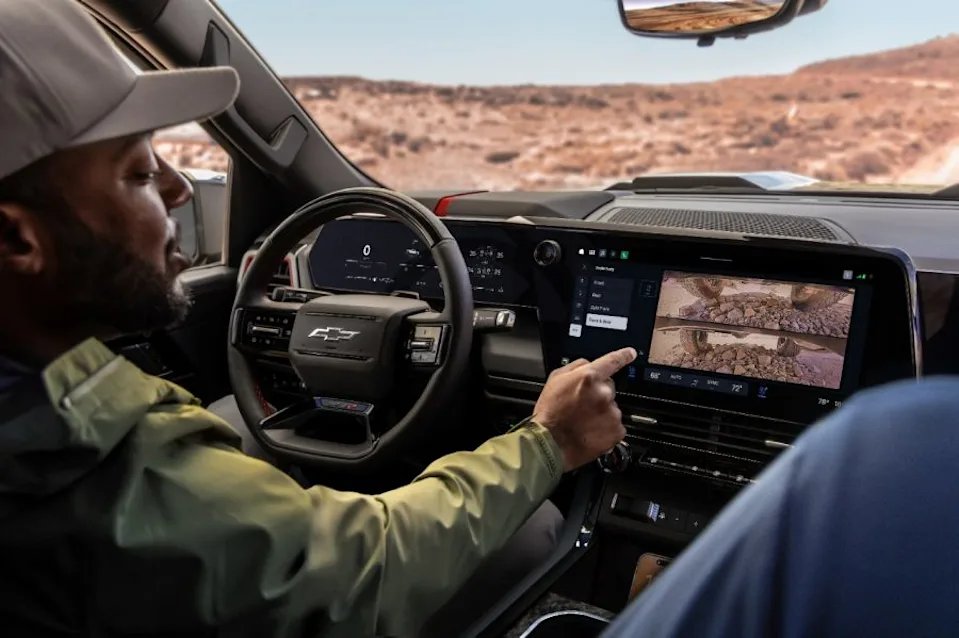
General Motors said its next-generation infotainment system will again support Apple CarPlay and Google Android Auto, with a split-screen layout that first arrives on the 2027 Chevrolet Silverado and GMC Sierra pickups. GM said drivers will be able to keep phone apps and native vehicle functions visible at the same time.
The update marks another shift in GM’s infotainment strategy. In 2023, the company said future EVs would not offer CarPlay, but the new truck interface suggests GM is now trying to balance a more integrated native system with the convenience many customers expect from phone mirroring.
For GM, the change is as much about software strategy as it is about user preference. Investors tend to view infotainment choices as part of the broader in-car platform battle, and GM’s decision to reintroduce CarPlay on its highest-volume trucks may help reduce friction with buyers while preserving its own digital ecosystem.
Michael Wahlstrom, GM’s executive director for connected applications and services, said the company had listened to customer feedback and wanted drivers to feel like they were using one cohesive experience rather than switching between separate systems. GM said the new interface will roll out first on its flagship pickups before expanding to more vehicles.
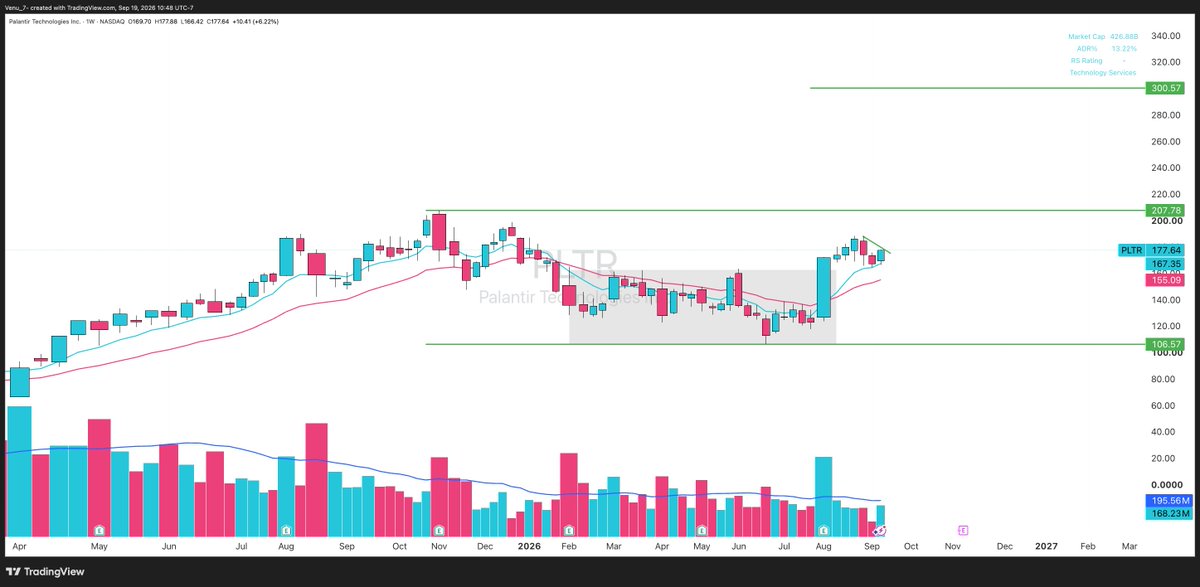
X chatter today put Palantir (PLTR) back at the center of a momentum trade narrative. Multiple posts called it the strongest name in the market and pointed to a long base, rising margins and a breakout-style chart setup, but those comments were market commentary rather than new company disclosure.
The fundamental backdrop is real. Recent earnings coverage said Palantir posted about $1.935 billion in second-quarter revenue, up roughly 93% year over year, while U.S. commercial revenue rose 149% and full-year 2026 revenue guidance was lifted to roughly $8.15 billion to $8.16 billion.
That combination keeps PLTR relevant for both stock traders and AI-tilted portfolios such as ARKK. It also matters because Cathie Wood’s ARK Innovation ETF was reported to have sold Palantir in the latest round of disclosed trades, suggesting the market is still balancing momentum enthusiasm against portfolio reweighting.
For now, the day’s incremental development is sentiment-driven, not a new corporate event. The key question remains whether the company can keep converting strong growth into durable expectations and whether the stock can sustain its technical strength through the next catalyst window.
Meta’s new AI agent Muse is prompting investors to revisit the hardware demand picture around consumer AI. Several X posts argued that the product could drive more CPU and memory usage, not just GPU demand, as the agent moves work from simple chat into task execution.
Muse launched on September 9, and third-party app data cited in recent coverage said it reached nearly 600,000 downloads in its first five days and briefly topped the App Store rankings. Meta also expanded availability to Mac this week, widening the product’s reach.
The market relevance extends beyond Meta itself. If Muse gains traction, it could add to Meta’s AI infrastructure bill while also supporting demand expectations for chips and memory across the AI supply chain. That comes as investors continue to track the spending plans of large AI platforms.
For now, the CPU-demand thesis is still a market interpretation rather than a company update. Meta has not, in the cited coverage, issued a formal revision to guidance tied specifically to Muse adoption or related hardware needs.
これまでの経緯
2026-07-30投稿4件 · 投稿者4人
Meta's 2Q26 earnings showed revenue growth but declining EBIT and net income, with discussion focusing on the scale of its free distribution platform beyond ads.
2026-09-09投稿105件 · 投稿者68人
市場
TOPT spotlighted as a concentrated bet on 20 U.S. mega-caps英語原文
Social media debate revived around BlackRock’s TOPT, which holds the 20 largest S&P 500 names and overlaps heavily with SPY
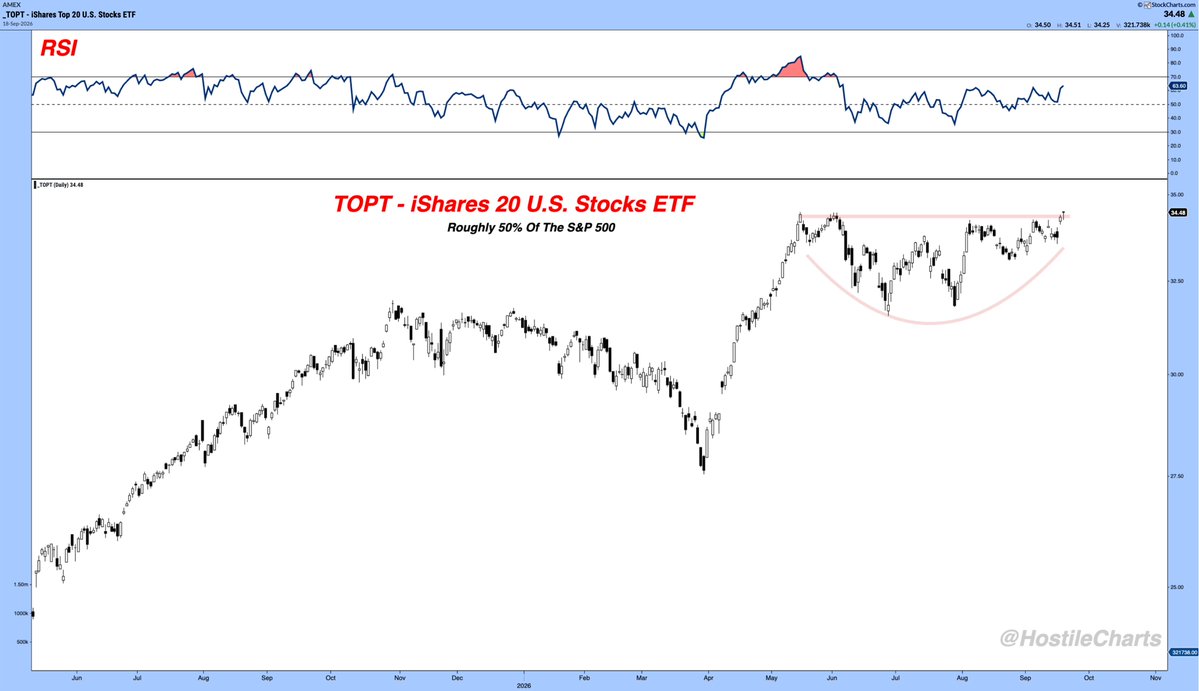
A post on X put the iShares Top 20 U.S. Stocks ETF (TOPT) back in focus, framing it as a basket of 20 stocks that together make up roughly half of SPY’s weight. The point of the discussion is not a new fund launch, but the renewed attention on how concentrated the product is.
TOPT launched in October 2024 and tracks the 20 largest companies in the S&P 500, rebalancing quarterly. At launch, BlackRock said those 20 names had accounted for 68% of the S&P 500’s return over the prior three years, underscoring why the fund has drawn interest from traders watching mega-cap leadership.
The market significance is concentration. Recent commentary has noted that the top four holdings together make up about 50% of TOPT, with Nvidia, Apple and Microsoft among the largest positions, while the S&P 500’s top 10 names now represent about 41% of index value versus roughly 32% of earnings.
So far, the move is mainly a social-media and market-structure story rather than a fresh corporate announcement. For investors, TOPT functions less as a diversified index fund than as a magnified bet on whether the market’s largest tech leaders can keep carrying the tape.
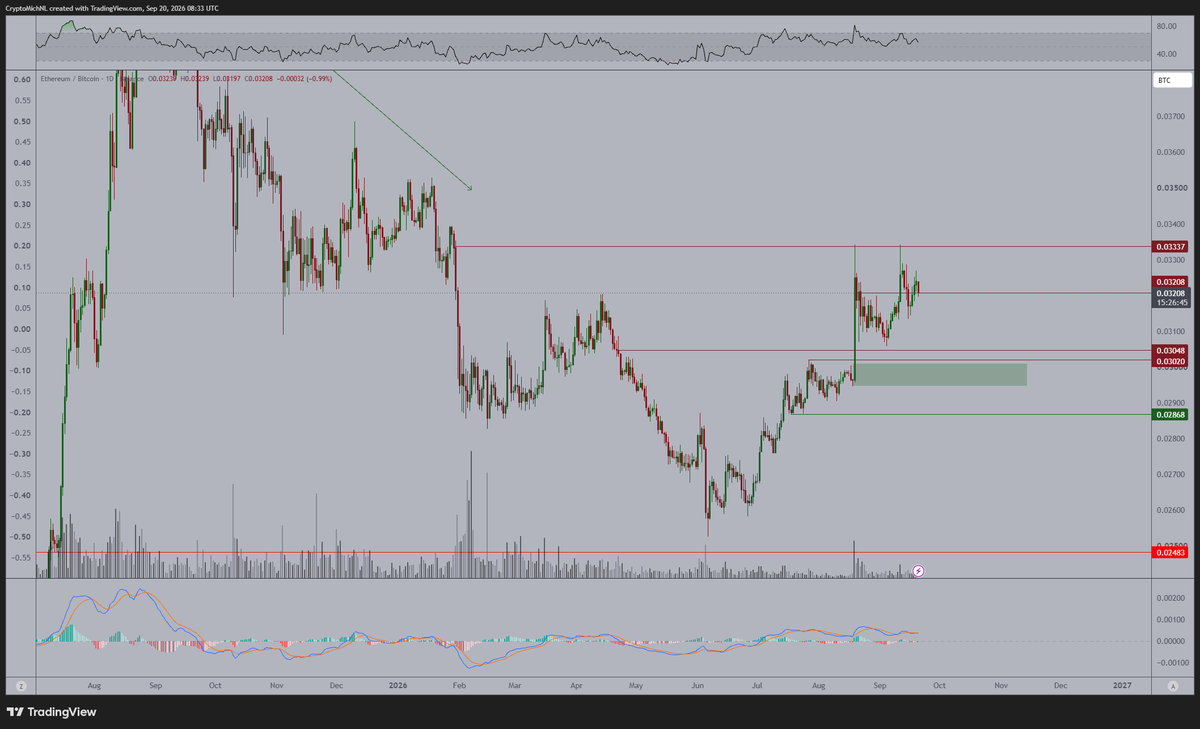
Crypto analyst Michaël van de Poppe said on X that he would not be surprised to see Ether rally to $15,000–$20,000 in this bull cycle, arguing that the market is starting to resemble 2017. The post is a bullish long-term view, not a near-term price target.
The immediate trading backdrop remains more tactical. Separate market coverage says ETH has recently reclaimed the $2,600 area, while traders are watching whether the coin can finish the week above $2,550 and hold higher support.
Recent reports also point to improving ETF demand: U.S. spot ether funds reportedly logged about $143.8 million in net inflows on September 18 after three sessions of roughly $405.4 million in combined outflows. That flow reversal, plus ongoing technical resistance near $2,672 and $2,800, is keeping ETH in focus for altcoin traders.
For now, the key debate is not whether ETH can retest prior highs, but whether the market can sustain the current rebound without slipping back toward the $2,400 zone. The latest X posts mostly reinforce an already active bullish narrative rather than introduce new fundamental evidence.
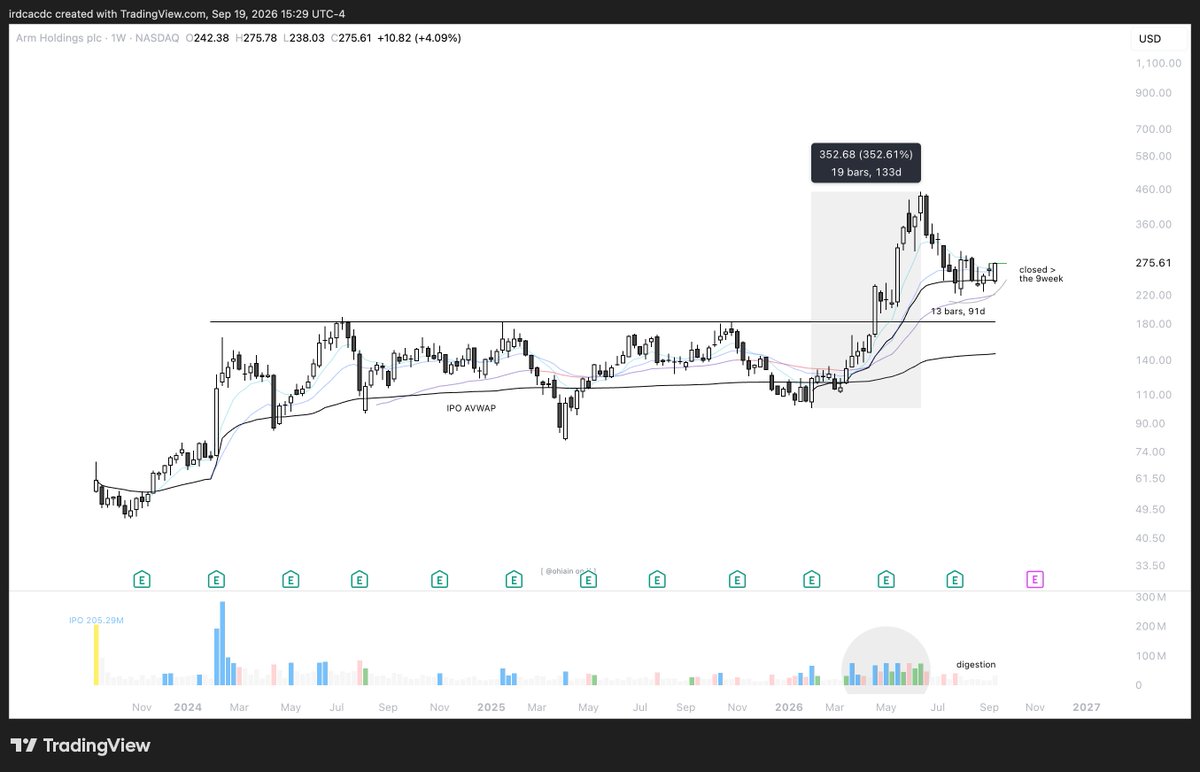
X chatter around Arm turned noticeably more constructive today, with traders highlighting a close back above the 9-week line and multiple moving averages. Several posts described the stock as setting up for a potential breakout, underscoring a clear shift in short-term sentiment.
The bullish tone is not happening in a vacuum. Arm has remained on investors’ radar as an AI infrastructure name because it licenses CPU architectures and collects royalties from major cloud and data-center customers, including Nvidia, Amazon, Microsoft and Alphabet, according to recent coverage.
For the market, Arm matters as a sentiment leader in semis, especially when trading turns toward AI servers and data-center CPUs. ARKK also showed up in the same social stream as a separate growth-stock momentum story, but that should be treated as broader risk appetite rather than evidence of any new Arm-specific catalyst.
What is new today is the social signal itself: traders are focusing on price action and moving averages. Any stronger case for a lasting rerating would still need fresh confirmation from company disclosures, orders, or earnings updates.
企業動向
Meta bulls say Muse is not priced in as chart eyes breakout英語原文
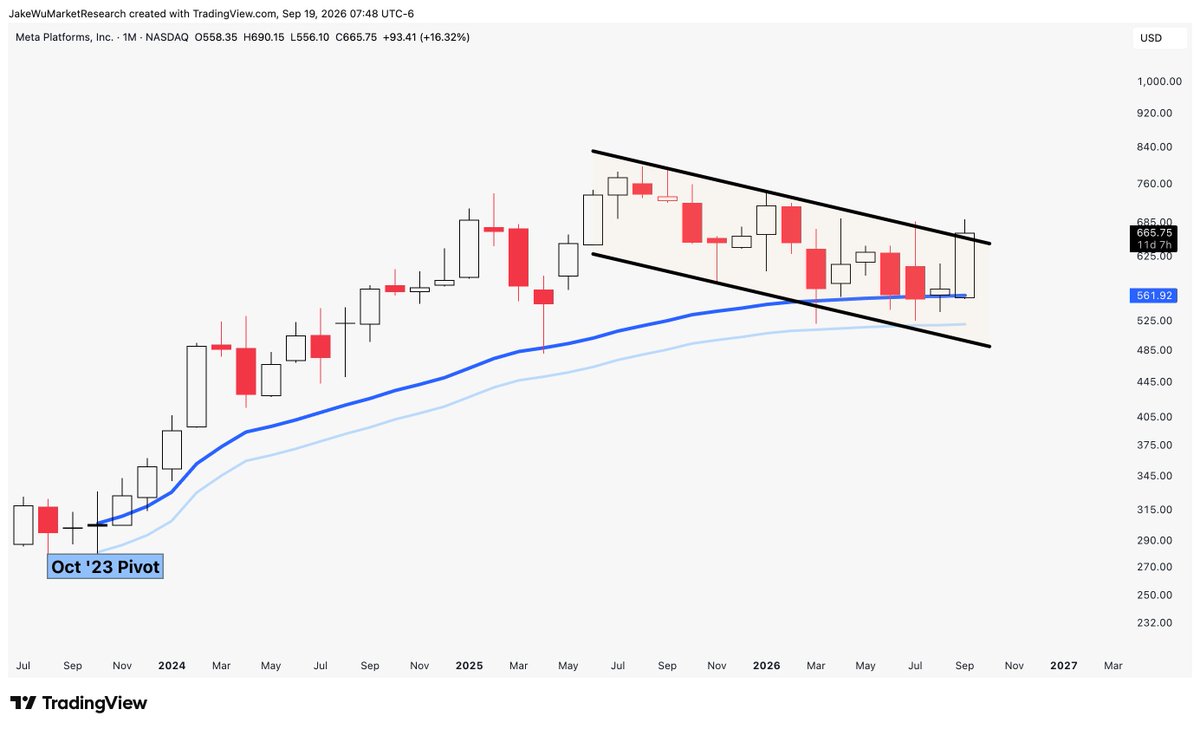
A fresh round of X chatter keeps Meta in focus, with traders arguing Muse upside is still underappreciated while the stock trades near flat for 2026.
X posts show traders extending a bullish Meta thesis around Muse. EpicTrades1 said Meta has “not remotely priced in” the success of Muse and added that the stock looks ready for a long-term breakout on the monthly chart.
The underlying story is not a new company announcement, but a continuation of Meta’s AI narrative. A recent site report also said Meta Platforms has been trading near breakeven for 2026, alongside Broadcom and Microsoft, despite solid fundamentals.
For the market, the immediate impact is on sentiment around META, while the discussion also keeps attention on the broader AI trade and large-cap tech peers. The mention of NVDA trading at 17 to 18 times some estimates appears only as a side note in the post, not as a separately verified newsroom fact.
At this stage, the only fresh input is trader commentary on X. With no new company filing or official update in the local news cache, the development reads as a sentiment-driven extension of the existing Meta AI theme.
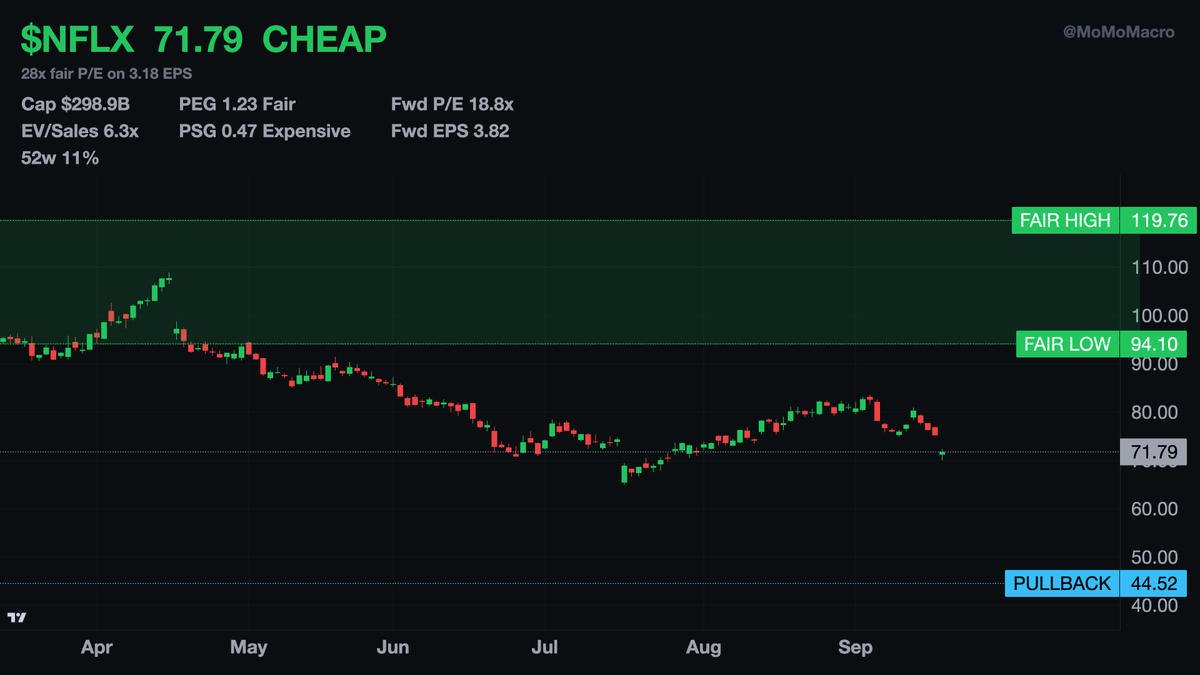
Netflix (NFLX) was cited at $71.79 in X posts today, with traders once again framing the stock as either cheap or expensive on earnings-based measures. One post cited 23 times earnings and 19 times next year’s earnings, while another pointed to 20.7x forward earnings and a PEG of 1.
A same-day report in the site’s news feed said Netflix shares fell 4.7% on Friday, trading as low as $70.11 before last changing hands at $71.79. That puts the X chatter and the article on the same name and the same trading session, with valuation the common thread.
For the market, NFLX is the clear focus. The competing multiple snapshots show investors are still re-pricing the streaming company against its earnings outlook.
No new company response was included in the supplied material. Based on the report, the immediate story is the stock move and the ongoing debate around how Netflix should be valued.
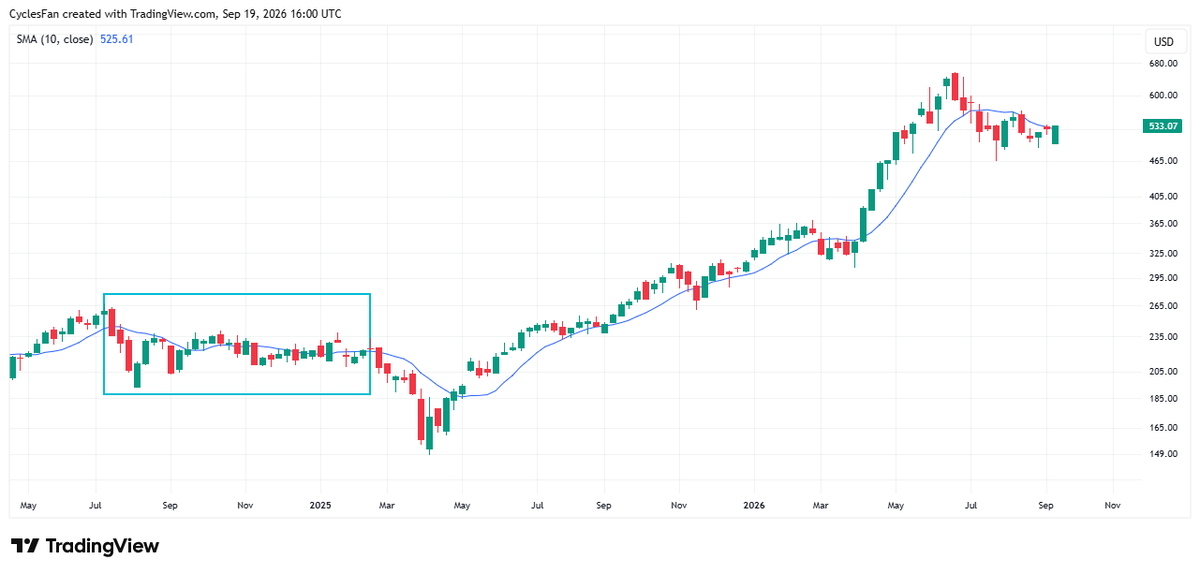
Weekend trading chatter on X says SOXX ended the week above its 10-week moving average, a technical level some traders treat as a sign the rebound can extend. The post also points to a possible move above 566, but that is a chart-based target rather than a disclosed company or fund action.
The backdrop is a still-volatile semiconductor tape. A Seeking Alpha note from Aug. 21 said the sector had suffered July’s sharpest monthly drop since 2002 before rebounding, while guidance from major holdings such as Nvidia, AMD and Broadcom suggested growth and margins may be cooling.
For markets, the read-through is mainly to SOXX, SOXL and other chip-sensitive names, plus AI hardware and supply-chain trades. It matters because semiconductors remain a high-beta barometer for broader risk appetite, especially when momentum reverses around a widely watched trend line.
No new official filing or announcement was found to contradict the X signal. Nasdaq’s SOXX news page currently shows no available headlines, so the move in attention today appears to be technical-trading focused rather than event-driven.
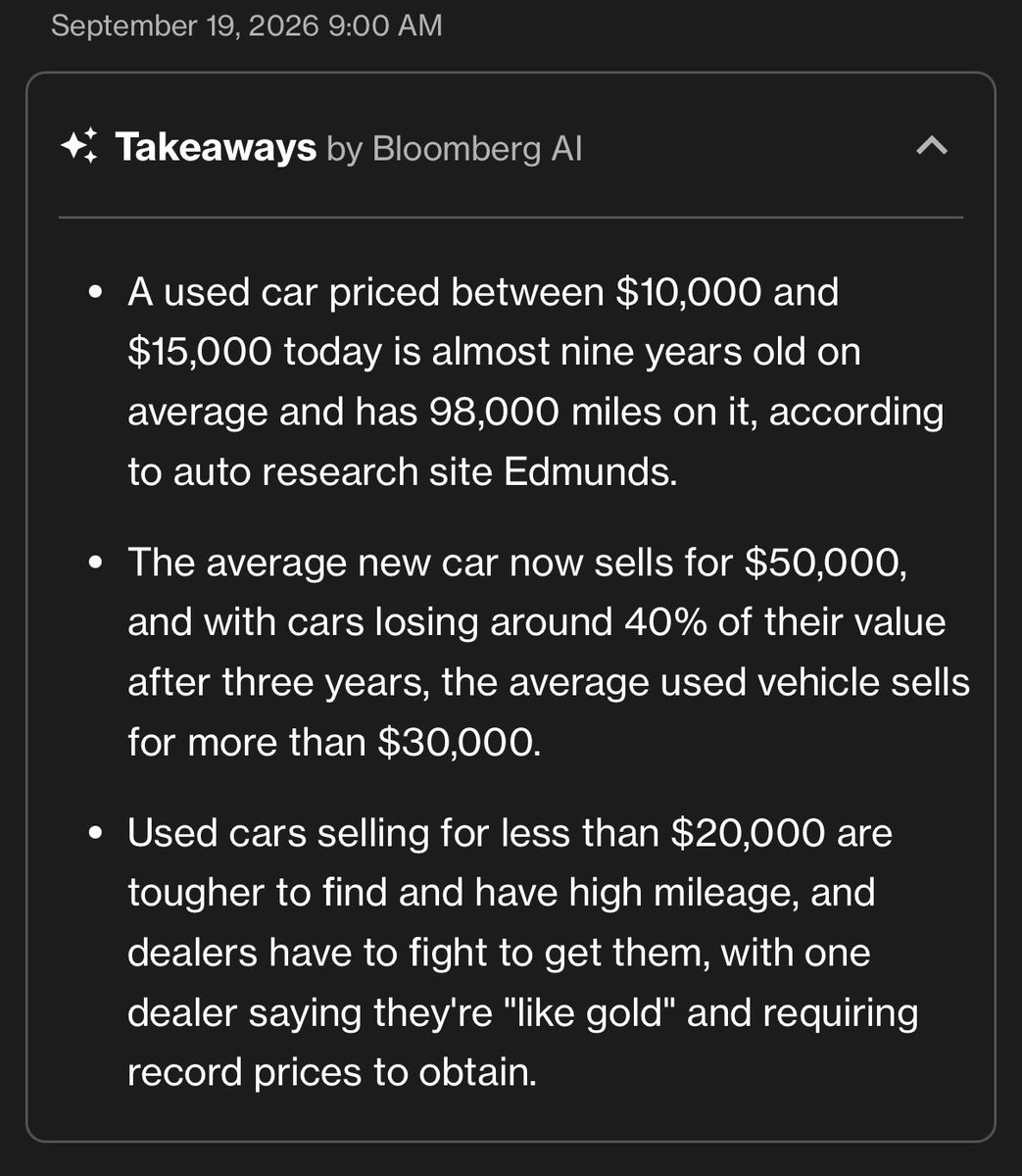
Edmunds’ latest quarterly data show the average transaction price for a three-year-old used vehicle climbed to $32,461 in Q2 2026, a second-quarter record. In the same market, a $10,000–$15,000 budget now typically buys a car that is 8.7 years old and has 98,222 miles.
The shift underscores how much the used-car market has repriced since 2019. Edmunds said that back then, the same budget fetched a 4.7-year-old vehicle with 58,250 miles, and vehicles under $20,000 made up 55.2% of used sales versus 31.8% in Q2 2026.
For investors, the trend keeps attention on online used-car retailers such as Carvana, where pricing power, inventory mix and turn times matter more when affordable supply is scarce. The data also suggest budget shoppers are facing fewer low-mileage options and longer trade-offs on age and condition.
Edmunds said the cheapest inventory tends to move fastest, leaving shoppers with little time to wait for discounts. The company also urged buyers to shop the total cost of ownership, not just the sticker price.
企業動向
Apple is being cast as the Magnificent Seven’s defensive name英語原文
Analysts are highlighting its much lighter AI capex load versus peers, reviving the debate over capital discipline
Apple is again being described in market commentary as the most defensive stock in the Magnificent Seven. The core argument is not that Apple has suddenly become a different company, but that it is not participating in the AI infrastructure spending spree the way Microsoft, Amazon, Alphabet and Meta are.
The comparison is getting sharper in the numbers. The Motley Fool said Apple’s fiscal 2025 capex was $12.7 billion, while the major cloud and platform companies are on track to spend more than $700 billion on AI-related capex in 2026. Baillie Gifford separately said the five hyperscalers could spend $750 billion on AI infrastructure in 2026, while Apple continues to license models rather than build a frontier model stack of its own.
For investors, that leaves Apple with a different cash-flow profile from the rest of Big Tech. Apple’s lighter capex burden supports a narrative of resilience, buybacks and dividends, while AI infrastructure beneficiaries such as Nvidia still depend on the spending of those larger customers.
None of this reflects a new Apple announcement. It is a fresh market interpretation built on recent commentary and a widening gap in capital intensity across the largest U.S. tech names.
An X-posted ranking shows a sharp split in one-year returns among semiconductor ETFs: FTXL is up 116.0%, followed by SOXX at 99.9%, PSI at 96.1%, SOXQ at 90.6%, SMH at 81.3%, and XSD at 58.2%. The list has been widely reposted, putting ETF construction back in focus for traders watching the chip complex.
The gap is largely about design, not just sector exposure. Public comparisons of SOXX, SMH and SOXQ show that holdings, weighting schemes and index rules differ, with SMH carrying a much heavier Nvidia concentration while SOXX and SOXQ are closer to each other in structure.
That matters because semiconductor ETFs do not all express the same bet on AI, foundry capacity, memory, or equipment. Funds with different weights can respond very differently to the same chip rally, which helps explain why one-year performance has separated so widely.
No fund sponsor response was included in the X signal. Based on the public record, the ranking is best read as a snapshot of how investors are comparing semiconductor exposure, not as a forecast of what comes next.
Meta launched its AI agent Muse with early usage exceeding projections, sending shares up over 5% premarket and sparking widespread market attention.
2026-09-10投稿61件 · 投稿者46人
Meta faced backlash for taking over Muse band's Instagram handle, while JPMorgan upgraded the stock to Overweight with a price target raise to $820.
2026-09-16投稿36件 · 投稿者29人
Zuckerberg said Meta delayed Muse for months over safety concerns, implicitly criticizing competitors for not doing similar testing, sparking AI industry debate.
2026-09-19投稿28件 · 投稿者20人
Oppenheimer projected Muse reaching $28B revenue by 2027, Muse hit #1 on the US App Store, and Truist published an AI economy report.
2026-09-20投稿20件 · 投稿者16人
Meta aired its first national TV ad for Muse, analysts reiterated its AI agent revenue potential, and investors discussed its market recognition.