In premarket trading Friday, crypto-linked U.S. stocks extended their rally as bitcoin jumped 6.6% to nearly $77,800 and ether gained 2.7%. Strategy and Coinbase were among the biggest movers, adding to the sector's strong run this week.
The move builds on a friendlier backdrop for digital assets. Earlier this week, President Donald Trump urged Congress to pass a “fair” Clarity Act at a White House event with crypto executives, while the Treasury’s expanded buyback plans helped ease pressure on risk assets by stabilizing longer-dated bond yields.
For stocks, the impact is most direct on companies tied to bitcoin exposure and trading activity. Strategy tends to trade with bitcoin itself because of its large holdings, while Coinbase often benefits when volatility and volumes pick up across crypto markets.
The rally also follows reports that bitcoin had already broken out of a multi-week range, with short covering helping to accelerate the move. That has kept attention squarely on policy expectations, yields and crypto market liquidity rather than on company-specific news.
China's market regulator said Tesla will recall up to 2.98 million vehicles in the country, covering a mix of imported and China-made models. The fix centers on emergency door-release safety issues and includes warning labels plus a software update that lowers windows after severe crashes to improve access.
The action comes amid a broader Chinese crackdown on vehicle entrapment risks tied to door handles and door-release designs. Bloomberg reported Tesla and at least eight other automakers are recalling vehicles in China over the same class of safety concern, underscoring how the issue has moved from isolated complaints to a wider regulatory focus.
For Tesla, the recall puts a major safety-compliance issue back in the spotlight in one of its most important markets. Investors will be watching the scope of the campaign and any follow-on cost or regulatory implications for TSLA, rather than this being a delivery or earnings update.
No separate Tesla response was quoted in the signal provided. Because the wire items use differing counts, the figure used here follows the regulator-linked headline number of up to 2.98 million vehicles.
Anthropic is preparing to publicly file its IPO paperwork as soon as the end of August, according to Bloomberg citing people familiar with the matter. The company is also said to be targeting a fundraising size that could match or exceed SpaceX’s record-setting offering, though final terms remain subject to change.
The filing would follow a period of rapid scale-up for Anthropic. Public reports this week put its May fundraising at $65 billion in a round that valued the company at $965 billion, while its latest-quarter revenue was reported at $11.5 billion, up roughly 14-fold from a year earlier.
A public listing would put Anthropic at the center of the AI market’s biggest capital-markets test so far, with implications for underwriting, valuation comps and investor appetite across the sector. SpaceX is the benchmark here, after its IPO reportedly raised $75 billion and $86.2 billion including the over-allotment option.
Bloomberg-linked reports say Morgan Stanley, Goldman Sachs and JPMorgan are involved in preparations, and Citigroup may join the advisory group. Anthropic has not publicly confirmed the proposed size or timing of the deal.
Broadcom is in talks with a group of lenders to raise more than $60 billion in debt for an AI chip financing deal, according to multiple reports citing people familiar with the matter. The structure may include about $30 billion of junior debt, while Broadcom could guarantee part of the senior-secured tranche.
The financing is linked to AI infrastructure spending and would benefit Anthropic and other companies that need chips and data-center capacity. Bloomberg said the total package under discussion could reach as high as $100 billion, though the terms are not final.
For markets, the story matters because it could reshape Broadcom’s leverage profile and debt pricing, while also highlighting how costly AI buildout has become. AVGO is the key stock in focus, and Apollo and Blackstone were also reported to be in discussions around the financing.
No final agreement has been announced, and the size, structure and participants could still change.
Multiple outlets, citing public disclosure filings, said Trump bought Moderna shares on March 2 in a $15,001-$50,000 range and added another $1,001-$15,000 purchase on March 17, with only a partial sale in May. The buying surfaced again as Moderna and Merck said their INTerpath-001 personalized mRNA cancer-therapy trial met key phase 3 endpoints on Aug. 19.
The backdrop is Moderna’s push to prove its mRNA platform can grow beyond COVID vaccines. The companies described the result as the first positive phase 3 readout for an mRNA-based cancer therapy, which made the announcement an important read-through for the company’s longer-term pipeline story.
In the market, Moderna jumped about 177% on Aug. 19 before giving back roughly 25% the next day, according to the reports, erasing more than $18 billion in market value. The move spilled into biotech sentiment and added to volatility around short sellers and systematic strategies.
So far, the public record being circulated centers on the disclosed trades and the clinical readout. There has been no new confirmed denial from the parties involved about the filing details or the trial data cited in the reports.
U.S. long-dated Treasury yields remained elevated on Friday, with the 30-year yield around 5.23% and the 10-year near 4.70%, according to AP and CNBC reporting. The move extends a volatile week for the bond market despite the Treasury Department’s intervention.
The backdrop is Treasury’s decision this week to at least double its longer-dated bond buyback operations from $2 billion to at least $4 billion per operation. Treasury said the program starts Sept. 9 and runs through Nov. 4, and Bessent later said the size could be more than $4 billion.
But the market response has been short-lived. AP reported the 10-year yield had climbed back to 4.69% on Thursday, while CNBC said Friday’s renewed rise showed investors still worry about deficits, heavy corporate issuance and the Federal Reserve’s inflation fight.
For markets, higher long-end yields feed directly into mortgage rates and corporate borrowing costs. Analysts quoted by CNBC said the buybacks may improve liquidity, but they do little to change the underlying supply and inflation pressures driving the move.
U.S. spot Bitcoin ETFs took in more than $1 billion over the past two days, including about $606 million on Wednesday, while four-day inflows climbed to $1.61 billion. CoinDesk and Cointelegraph both cited SoSoValue-based flow data showing every listed spot ETF for BTC, ETH, SOL and XRP posted net inflows on the day.
The move extends a recent rebound in crypto ETF demand after a stretch of withdrawals. The renewed buying has been concentrated in regulated U.S. products, with BlackRock’s IBIT once again capturing the largest share of fresh capital.
For the market, that matters because ETF flows are one of the clearest gauges of institutional appetite for bitcoin exposure. The same session also saw positive flows into ETH, SOL and XRP funds, suggesting the bid was not limited to BTC alone.
No issuer response was reported in the cited coverage. The flow numbers were reported by multiple outlets using the same underlying ETF data set, allowing the figures to be cross-checked.
Walmart shares fell sharply on Thursday, with intraday losses approaching 10% after reports said U.S. same-store sales rose just 2.6% in the latest quarter, below the 3.8% expected by analysts. The move marked one of the stock’s steepest single-day declines in years.
The selloff follows a period in which Walmart had been treated as a defensive bellwether for consumer spending. While the company’s broader earnings release had still shown solid top-line performance, investors were focused on slowing comparable-sales growth and what it implies for margins and demand ahead.
The stock’s weakness also rippled through consumer-focused benchmarks such as XLP and retail proxies like XRT, both of which are sensitive to signals from the largest U.S. retailer. Because Walmart reaches a broad slice of U.S. households, its sales trends are often read as a real-time gauge of household budgets.
Mixed reporting around the size of the drop and the associated market-value loss remained secondary to the main takeaway: Walmart’s sales momentum cooled to a six-year low. That has put the company’s guidance and consumer commentary squarely back in focus.
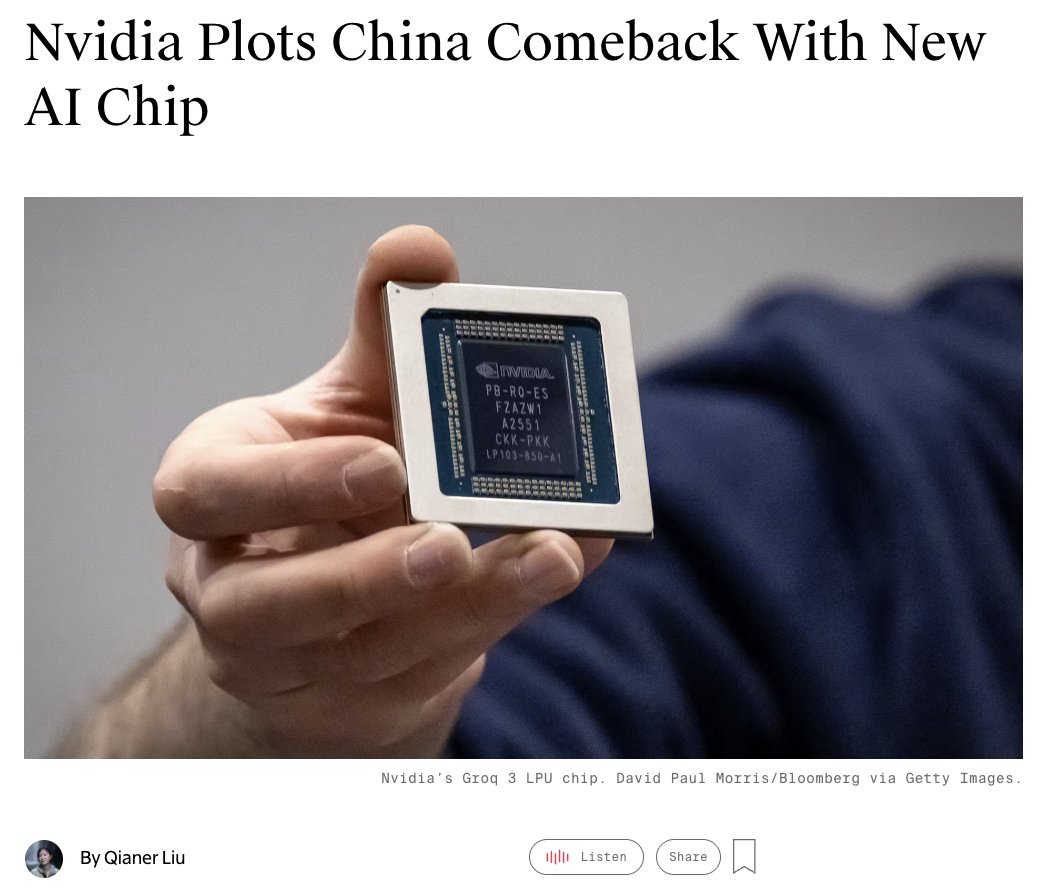
The Information reported that Nvidia was planning small-batch shipments of a China-tailored AI chip by year-end, with several Chinese customers already placing orders. But Nvidia immediately pushed back, telling Reuters the report was wrong and that it has no China-specific LPU product on its roadmap.
The dispute lands against a shifting backdrop in Nvidia’s China business. Reuters noted that Washington approved H200 sales in May to a limited set of Chinese firms, including Alibaba, Tencent and ByteDance, and deliveries have only recently started.
For investors, the key issue is not just one chip design but Nvidia’s broader ability to preserve revenue in China under export controls. The debate also keeps Huawei and other domestic chipmakers in focus as potential beneficiaries if Nvidia’s China options remain constrained.
Nvidia’s statement is the most concrete, verifiable update in today’s signal: the company is denying the existence of a China-specific LPU sales plan. Until there is an official filing or product announcement, the report should be treated as unconfirmed.
According to Nevada Transportation Authority records, Tesla Robotaxi LLC has been approved to operate a commercial autonomous vehicle network in Clark County, but the initial fleet cap is just 10 vehicles rather than the 5,000 Tesla requested. The permit also confines operations to an approved geofenced area along the Las Vegas corridor and limits passenger service to roads with posted speed limits of 45 mph or lower.
The approval follows Tesla’s June application seeking authority to run up to 5,000 vehicles over the first 12 months, including service near Harry Reid International Airport and Henderson Executive Airport. Local reporting says regulators issued a heavily pared-back interim order on July 27 and did not explain why the fleet was reduced so sharply.
For investors, the immediate public-company angle is TSLA. Tesla has been preparing local operations with a retrofit site and hiring, so the permit gives it a formal legal route into paid robotaxi service, even though any expansion in fleet size or service area still needs additional approval.
The move also sets Tesla against an already-established benchmark in Nevada: Amazon-owned Zoox, which has been allowed to scale to a larger fleet and has already begun paid service. That makes Nevada a closely watched test case for how quickly Tesla can expand beyond a minimal rollout.
これまでの経緯
マクロ🔥進行中
U.S. August flash PMI at 56.0, U.K. at 52.5 and eurozone at 52.1 beat forecasts英語原文
August flash PMIs point to broad expansion across the U.S., U.K. and eurozone, keeping attention on inflation and rate expectations.
S&P Global’s August flash PMI readings showed the U.S. composite index at 56.0, with services at 56.8 and manufacturing at 53.2, all above market expectations. The U.K. composite PMI came in at 52.5, while the eurozone composite PMI printed at 52.1, keeping all three economies in expansion territory.
The official S&P Global release adds context: the U.S. composite output index was 55.4, the U.K. composite was 53.0 and the eurozone composite was 51.1, each near recent highs. U.S. manufacturing output rose to 55.2 and the eurozone manufacturing PMI improved to 50.5, showing a broader pickup in factory activity as well.
For markets, the key question is less growth than pricing power. S&P Global said U.S. firms are hiring faster and passing through tariff-related cost increases, while U.K. and eurozone respondents pointed to persistent cost pressures and uneven demand, keeping the inflation outlook in focus.
The survey period ran from August 12 to 20, making the data a timely read on third-quarter momentum. That keeps the dollar, European equities and rate-sensitive bonds in focus as traders reassess the macro backdrop.
これまでの経緯
2026-07-01投稿4件 · 投稿者4人
DeepMind poker AI team's trading startup EquiLibre valued at $500M; BE up 20% on Brookfield partnership expansion, CRCL down 17% on Stripe/Visa/BlackRock exits.
規制🔥進行中
SpaceX, ASTS vie for 800 MHz spectrum as FCC sets Nov. 5 deadline英語原文
Grain’s low-band airwaves have become a live battleground for satellite direct-to-device plans, with bidding and regulatory milestones now in view.
SpaceX and AST SpaceMobile are among the companies reportedly interested in buying Grain Management’s 800 MHz spectrum portfolio, which Bloomberg sources value at about $6 billion. The latest reports say preliminary bids are due in early September, while the FCC is targeting Nov. 5 to complete the process.
The race follows the FCC’s July approval of T-Mobile’s spectrum swap with Grain. Under that deal, Grain received 800 MHz licenses and was expected to run a fair process for choosing a satellite partner, part of a broader push to enable direct-to-device services over low-band spectrum.
For investors, the key read-through is on ASTS and SpaceX’s satellite-to-phone ambitions. The 800 MHz band’s near-national reach makes it strategically important for coverage, but the reporting stops short of saying either company has won the spectrum.
For now, the clearest facts are the bidding calendar and the regulatory framework. Any final outcome still depends on Grain’s process, FCC filings and a completed transaction.
これまでの経緯
2026-06-22投稿21件 · 投稿者16人
SpaceX's market cap dropped $800 billion from last week's peak, shares fell below $166, and it launched its first investment-grade bond offering to raise at least $20 billion.
市場
Bitcoin tops $77,000 after a $14,000 four-day rebound and $4 billion in short liquidations英語原文
Derivatives positioning remains skewed short, leaving traders focused on whether spot demand can hold the move.
Bitcoin briefly pushed above $77,000 after climbing roughly $14,000 from the $62,700 area in just four days. The move triggered an estimated $4 billion in short liquidations, according to the X signal and market chatter, extending one of the sharpest short squeezes in recent crypto trading.
The backdrop matters: CoinDesk reported that Binance bitcoin perpetual funding rates have stayed negative for 46 straight days, a streak K33 Research says is rare outside major stress periods. Negative funding alongside rising open interest suggests traders are still leaning bearish even as price has accelerated higher.
For the market, that combination puts exchanges, derivatives desks and leveraged traders in focus. If the rally keeps going, more short covering could spill into broader crypto assets; if fresh spot demand fails to appear, the move may remain dependent on forced buybacks rather than organic accumulation.
The debate has now shifted to whether bitcoin can reclaim the $80,000 area this year. Polymarket’s traders are pricing that outcome at more than 60%, highlighting how quickly expectations have reset after the latest squeeze higher.
A Florida teen has dropped his addiction lawsuit against Meta without receiving any payment, according to Meta and multiple reports. The case had been set to go to a Los Angeles state court jury next week as one of the bellwether trials in the social-media addiction litigation.
The broader case docket remains large: reports say more than 3,300 similar suits are consolidated in Los Angeles Superior Court. Meta and YouTube had already been found liable in the first bellwether trial, while a separate New Mexico case resulted in a $375 million penalty.
For Meta and Alphabet’s Google unit, the dismissal removes one of the litigation milestones that could have shaped expectations for the next wave of trials. The wider litigation still includes claims involving Snap, TikTok and YouTube, with additional bellwether cases still on the calendar.
Meta said the plaintiff chose to withdraw his claims and received no payment. The plaintiff’s lawyers said he wanted to close the chapter and focus on recovery and therapy.
これまでの経緯
2026-06-23投稿6件 · 投稿者5人
Analysts project S&P 500 long-term earnings growth at 23% annually, a record high surpassing the dot-com peak; AppsFlyer raises over $1B from Unity, Google, and others at a $2.7B valuation; AI power demand boosts uranium and nuclear focus.
企業動向
Micron commits $10 billion as Boise fabs target 2027 start英語原文
Mehrotra says AI has rewritten the memory business, while customer lock-ins are deepening.
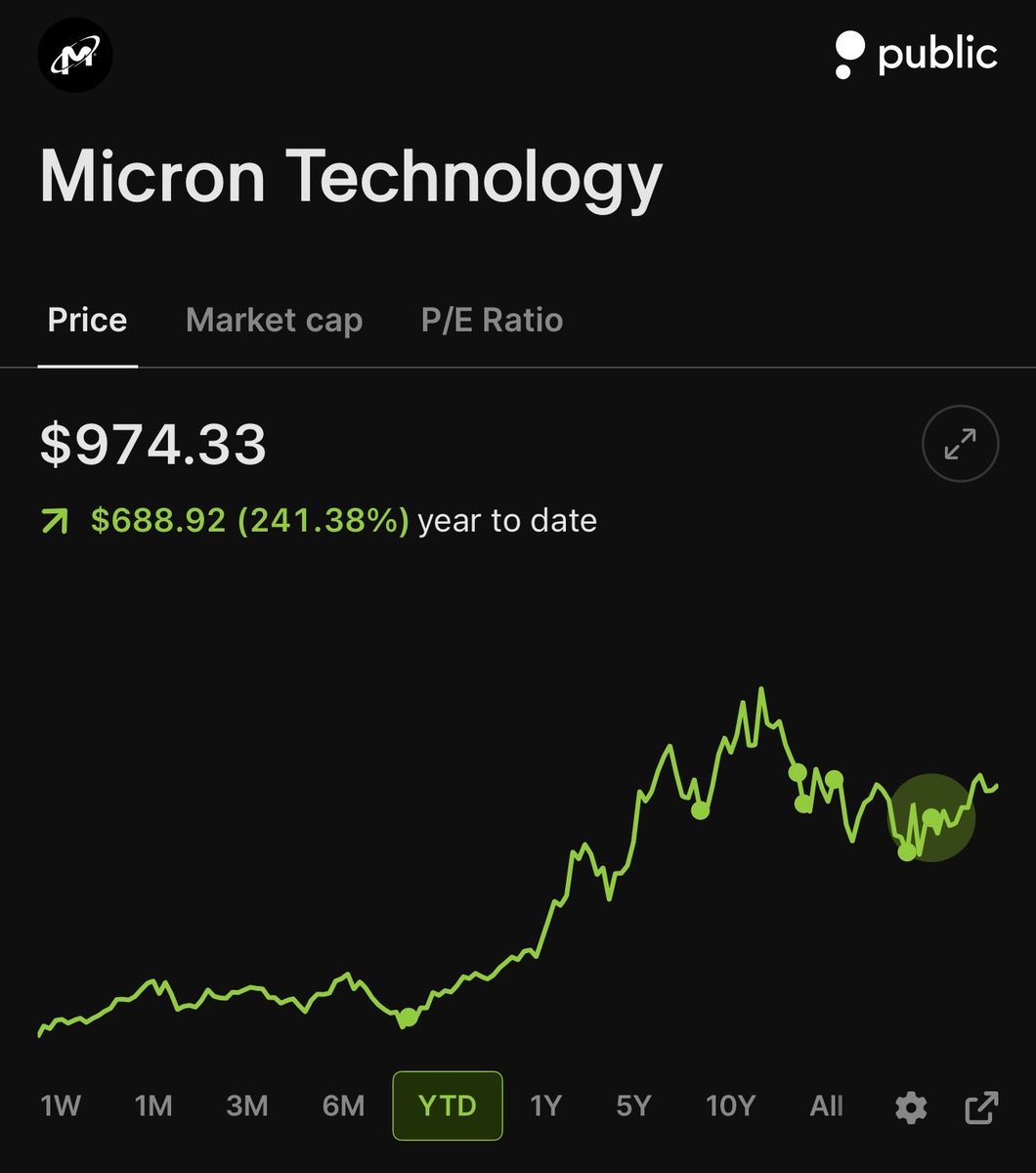
On Aug. 20, Micron CEO Sanjay Mehrotra said AI has “totally changed” the economics of the memory industry and called memory the “strategic infrastructure” of the AI era. The company also unveiled Micron Research Labs in Boise, a $10 billion research organization focused on advanced memory, memory-compute architectures, advanced packaging and future semiconductor manufacturing.
The move builds on a much larger U.S. push. CNBC reported that Micron has committed more than $250 billion to U.S. manufacturing and R&D, with the Boise campus eventually housing two fabs and the first expected to start producing wafers in mid-2027. In June, Micron said it had signed five-year strategic agreements with 16 customers.
For the market, the message is that memory has become a critical bottleneck in AI infrastructure, not just a commodity input. CNBC said data-center customers currently want roughly 50% more supply than Micron can commit, and MU traded up about 1.1% premarket on the news.
Micron says the Boise lab is meant to support a 10-year technology horizon and make memory a more central part of system architecture. The company says demand should also extend beyond data centers to autonomous vehicles, robots and AI-enabled consumer devices.
The White House is turning a space-policy slogan into a concrete capacity target, with implications for launch infrastructure and commercial space contractors.
President Donald Trump signed a presidential memorandum directing U.S. space transportation ranges to be scaled to support more than 1,000 launches and reentries a year by 2030. The White House said the move is meant to expand the space transportation industry, speed permitting and environmental reviews, and identify additional launch and reentry sites.
The new memo builds on the administration’s earlier push. A White House order issued on Aug. 13, 2025, had already called for a more competitive commercial space market and a substantial increase in launch cadence by 2030, along with streamlined licenses, permits and spaceport approvals. This latest step puts a hard number on the capacity goal.
For investors, the clearest read-through is to launch-heavy and space-infrastructure names such as Rocket Lab, Intuitive Machines and AST SpaceMobile, plus space-focused ETFs. A faster permitting and range-scheduling process could help commercial satellite, lunar and reentry missions, though the immediate significance is the policy signal rather than any direct operating change.
The White House also said the expansion is intended to support national security, satellite communications, navigation, timing and weather forecasting. NASA was instructed to facilitate commercial transport to and from the Moon, support robotic Mars missions and explore commercial options for human transport to Mars.
これまでの経緯
企業動向🔥進行中
Tesla Solar Roof: launched in 2016, now stopped after about 3,000 installs英語原文
Electrek says Tesla has stopped supplying Solar Roof tiles and redirected the product page to solar panels.
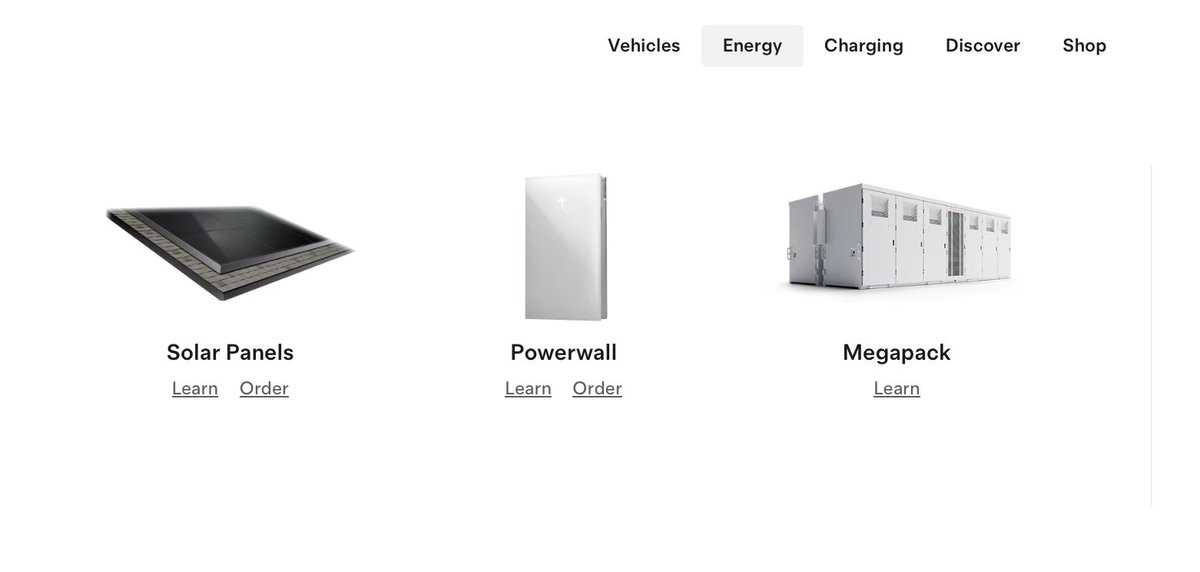
Tesla has reportedly stopped supplying Solar Roof tiles, and the product page now redirects to Tesla’s solar panel page, according to Electrek. The report says people close to the program described the Solar Roof line as effectively killed, with installers no longer able to order tiles.
The Solar Roof was unveiled in October 2016 as a roof-replacement product that integrated solar cells into the roofing structure. Electrek previously reported that Tesla had installed roughly 3,000 Solar Roof systems in the U.S. before the company stopped publishing solar deployment figures.
The shift further tilts Tesla’s residential solar business toward conventional panels rather than solar shingles. For TSLA, the change matters mainly for its energy-product mix, channel strategy, and the future of a once-prominent marketing showcase.
Tesla has not publicly issued a detailed end-of-life statement for the product. Electrek says Tesla’s message to third-party installers is that it will no longer supply Solar Roof tiles, only solar panels.
これまでの経緯
2026-07-23投稿11件 · 投稿者10人
Tesla announced Cybercab production at Gigafactory Texas, Semi on track, and highlighted battery capacity as the key bottleneck.
決算
Apple paid $17 billion to Ireland, about 40% of global taxes英語原文
FT says the payment follows court-related back levies, adding fresh detail to Apple’s overseas tax bill
The Financial Times, citing Apple filings, reported that Apple paid $17 billion in taxes to Ireland last year, equal to roughly 40% of its worldwide tax total. The report said the payment was linked to back levies following a court ruling.
The new filing details come against the backdrop of Apple’s long-running tax dispute with Ireland and the EU. Reuters previously noted that the European Commission had pursued back taxes of 13 billion euros, while recent Irish accounts have shown unusually large tax charges and cash payments tied to Apple’s Irish structure.
For investors, the disclosure mainly affects views on Apple’s cross-border tax burden and cash allocation, with AAPL as the key stock. It is a tax-and-regulatory update rather than a change in product demand or core operations.
The signal points to a media readout of filing data. Any fresh company comment on the composition of the payment would need to be confirmed in the original accounts or an Apple statement.
Prime Video said on Thursday it will invest more than $2 billion in Latin America from 2027 through 2030, spanning original programming, licensed content and sports rights. The company said its local original slate across five major markets will more than double by 2030, with more than 25 new titles slated for 2027 alone.
The announcement was made in Mexico City and centers on Mexico, Brazil, Argentina, Colombia and Chile. Beyond production, Prime Video also plans broader NBA coverage and an expansion of third-party streaming subscriptions, rentals and purchases into additional territories.
For AMZN, the move underscores a push to turn Prime Video into a broader entertainment-and-commerce hub. Investors are likely to watch whether local programming and sports inventory can support higher engagement, better retention and stronger ad monetization in the region.
Prime Video executives framed the spending as a long-term bet on the region rather than a single-country or single-genre play. The company also said it will support behind-the-camera training and creative infrastructure as part of the rollout.
Spotify said its board approved another $1.5 billion for share repurchases, increasing the remaining authorization to roughly $2.22 billion. The company said about $723 million was still available under the existing program before the increase.
The move extends a capital-return strategy that Spotify has used for years. The company first announced a buyback plan in 2021 and has continued to execute repurchases since then.
For SPOT investors, the headline matters because buybacks can support per-share metrics and signal confidence in free cash flow and balance-sheet flexibility. The announcement also lands after a recent run-up in the stock, keeping capital allocation in focus.
Spotify did not pair the authorization boost with a new operating forecast in the announcement. The key numbers were confirmed by both the company release and follow-up reporting.
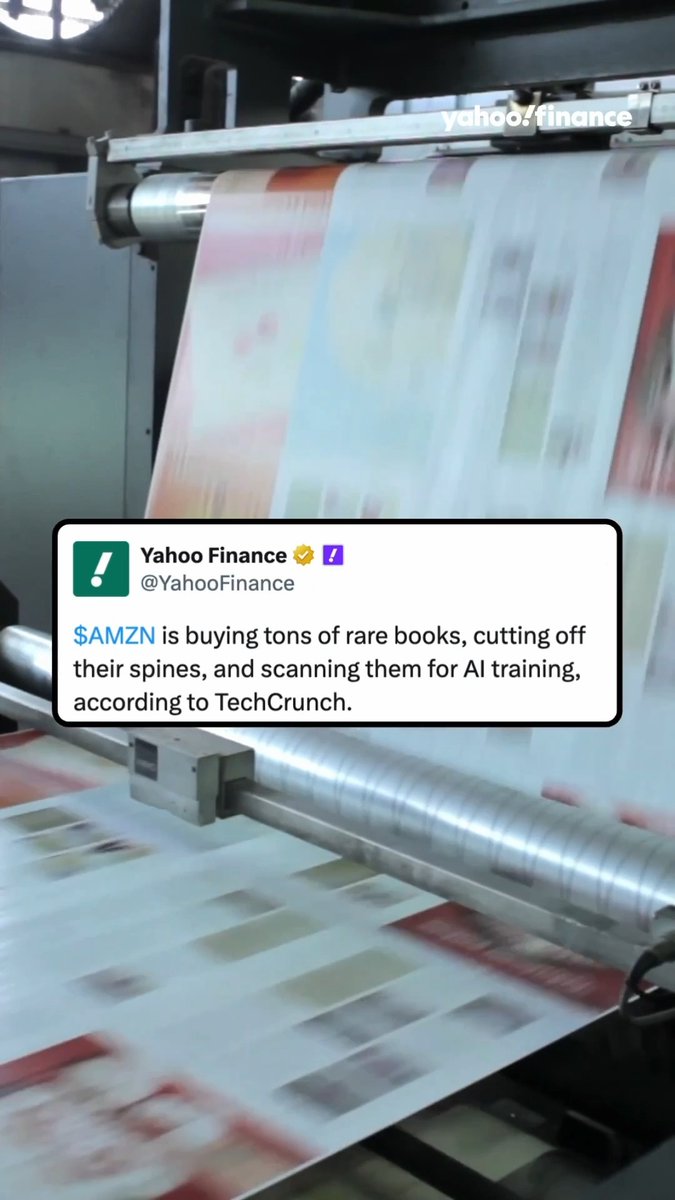
404 Media tracks 1,000 rare books to Amazon’s Las Vegas AI site英語原文
The latest reporting sharpens the evidence behind Amazon’s book-buying and scanning operation, while Amazon says it buys books through commercial channels to improve products and services.
404 Media says it followed a tracked rare book to an Amazon facility in Las Vegas, where employees described a process that involves removing book spines and scanning pages. The report says the books are destroyed in the process.
The new reporting adds to a broader debate over whether AI companies are buying rare and out-of-print books to build training datasets. TechCrunch, Ars Technica and the Las Vegas Review-Journal all cited the 404 Media investigation, with the Review-Journal saying the shipment was about 1,000 books and landed at LAS8 in North Las Vegas.
For Amazon, the issue feeds into the market’s AI narrative around AMZN and raises reputational questions rather than changing near-term fundamentals. Amazon told 404 Media it purchases books through commercial channels to improve the products and services customers use.
Amazon has not publicly acknowledged using the books specifically for AI training. As of now, 404 Media’s investigation remains the central reporting behind the claim, with other outlets mainly corroborating location, process and Amazon’s statement.
Nvidia has reportedly agreed to pay $6 billion for a non-exclusive license to Poolside’s AI model-development software, while also investing another $1 billion in the coding startup at a $12 billion valuation. Some reports say the package also includes hiring about 109 Poolside employees.
Poolside builds AI systems and developer tools tailored to software engineering. Earlier coverage said Nvidia had already invested $1 billion in Poolside in July 2026, so this latest report appears to be an additional commercial step built on an existing relationship rather than a first-time tie-up.
For Nvidia, the reported transaction underscores how the company is extending its AI strategy beyond chips and into software ecosystems that could drive more inference demand. The news also places NVDA squarely in the center of investor attention around AI applications, while Poolside becomes a more visible name in the coding-agent race.
So far, the deal details are based on media reports and have not been fully confirmed in a formal company announcement.
AT&T said open-source models now handle about 40% of employee AI queries, and it expects that share to rise to 60% to 70%. The company said model routing through LiteLLM cut AI coding costs by 56%, with performance down by only about 2%.
The update extends AT&T’s broader push toward open models. Earlier reports said the company has been leaning on open-source and open-weight systems to reduce inference costs, keep sensitive data in-house, and avoid becoming dependent on a single AI vendor.
For investors, the main implication is on AT&T’s spending mix, not on the telecom’s core service revenue. A heavier tilt toward open models could restrain demand growth for frontier-model providers such as OpenAI and Anthropic, while AT&T (NYSE:T) is positioning itself as an enterprise example of AI cost discipline.
AT&T said it wants open models to take on more routine employee queries and coding workloads, while spending on OpenAI and Anthropic models stays roughly flat. The company did not disclose the exact scope of LiteLLM routing or the dollar value of the savings.
The U.S. Treasury said on Aug. 21 that its latest 30-year TIPS auction cleared at a high yield of 2.973% with a bid-to-cover ratio of 2.82. The $8 billion sale was fully awarded, with indirect bidders taking 84.4% and primary dealers 2.1%.
The result came after Treasury’s prior comparable auction in August 2025, when the 29-year 6-month TIPS sold at a 2.650% high yield with a 2.78 bid-to-cover ratio. The latest sale therefore shows a higher clearing yield and slightly stronger demand at the long end.
TIPS auction performance is closely watched because it feeds into pricing for real yields, inflation expectations and duration-heavy fixed-income products. A stronger indirect bid can also be read as evidence of continued foreign and institutional participation in long-dated U.S. government debt.
No separate official commentary accompanied the auction figures. For investors, the key takeaway is the change in yield, bid coverage and allocation mix rather than any single headline number alone.
これまでの経緯
2026-08-05投稿3件 · 投稿者3人
The US Treasury kept auction sizes unchanged for several quarters, announcing a $125B quarterly refunding.
2026-08-11投稿3件 · 投稿者3人
The 30-year Treasury yield surged to 5.27%, the highest since the financial crisis, with the 10-year near 4.73%.
決算
Ross Stores、EPS $2.66・売上高62.6億ドル、FY2026 EPSを$8.61〜$8.77に引き上げ英語原文
Tariff refunds and stronger traffic boosted results as the retailer also raised store-opening plans and second-half sales targets.
Ross Stores reported fiscal second-quarter results for the 13 weeks ended August 1, 2026, with sales rising 13% year over year to $6.265 billion and diluted EPS reaching $2.66. The company said roughly $253 million in IEEPA tariff refunds meaningfully boosted operating profit and earnings.
The quarter extended a strong first half for the off-price chain. Ross said first-half sales climbed to $12.275 billion, comparable-store sales were up 13%, and it raised full-year guidance for EPS, comp sales, and new store openings.
Investors are watching the stock as a read-through on consumer demand for value apparel and accessories, with Ross also benefiting from stronger traffic. The results may also feed into broader trading in retail peers such as TJX and other discretionary names.
Management said second-quarter operating income was $1.104 billion and increased its 2026 store-opening plan to 115 locations. It now expects comparable sales to rise 6% to 7% in the third quarter and 4% to 5% in the fourth quarter.
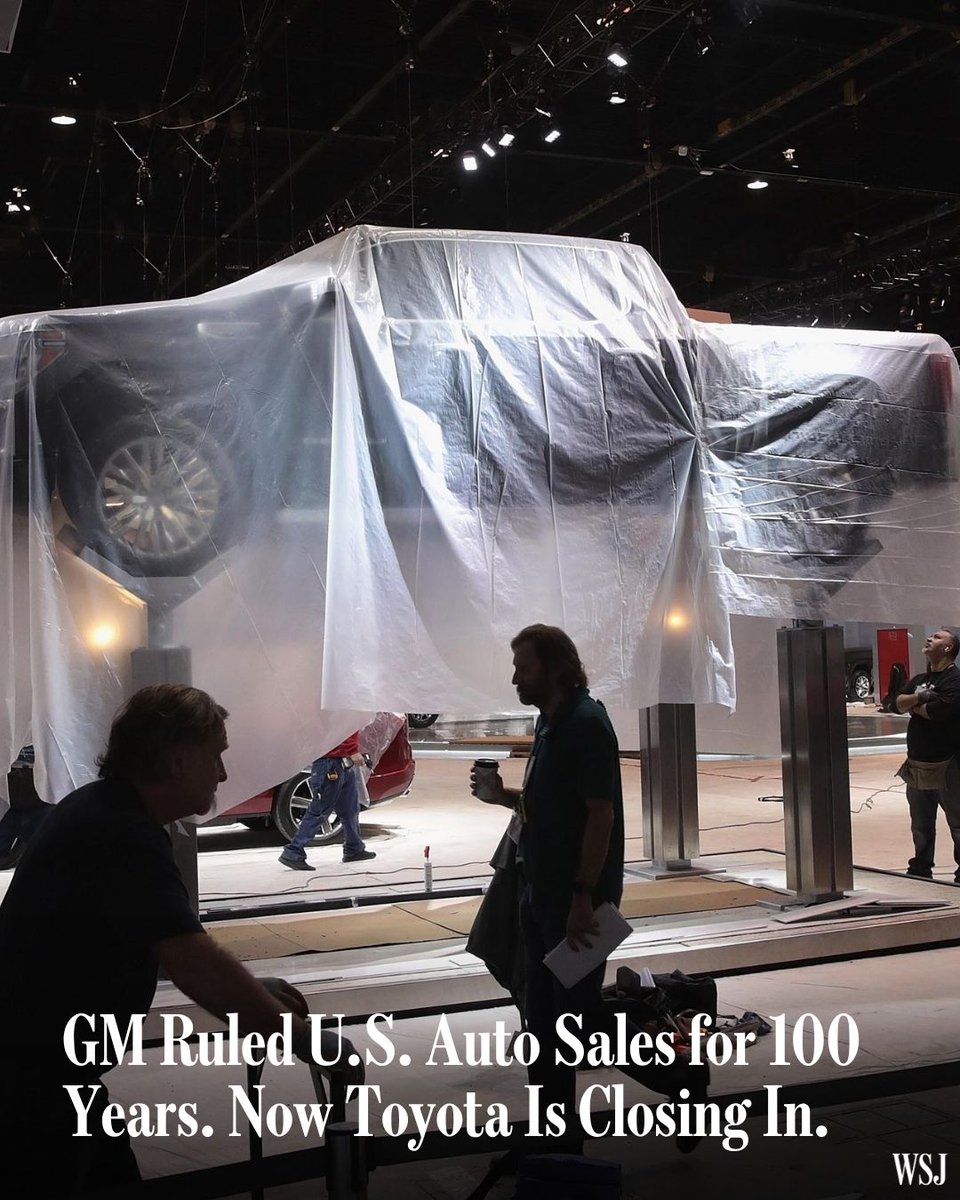
The Wall Street Journal reported on Aug. 20 that General Motors is boosting profits while selling fewer vehicles, even as Toyota continues to close the gap on the U.S. sales crown. The piece frames the rivalry as a contrast between GM’s margin-first approach and Toyota’s volume growth strategy.wsj.com
The backdrop is Toyota’s steady U.S. momentum, led by hybrids, alongside product-transition issues around key models such as the RAV4. Earlier industry estimates cited by other outlets put Toyota and Lexus at about 1.246 million U.S. sales in the first half of 2026, leaving GM ahead by roughly 83,000 vehicles.gcn.com, automotiveworld.com
For investors, the split matters because GM and Toyota are being judged on different operating mixes: GM on profitability, vehicle cadence and U.S. share retention, Toyota on whether hybrid-led demand can keep translating into sales gains. The latest WSJ framing adds fresh confirmation that the competitive narrative is now about strategy, not just quarterly unit volumes.
GM also faces another near-term overhang: Reuters reported on Aug. 21 that U.S. regulators opened a probe into nearly 1 million GM pickups and SUVs over engine-failure concerns.reuters.com
Justin Sun said Thursday that a California federal judge rejected World Liberty Financial’s bid to force all of his claims into private arbitration. Sun said his individual claims will remain in open court, while company-related claims will be sorted out separately.
The dispute dates to April, when Sun sued World Liberty Financial in the U.S. District Court for the Northern District of California after investing $45 million in the project. He alleges the company used smart-contract controls to freeze his WLFI tokens; World Liberty has denied wrongdoing and has accused Sun of harming the company through a public campaign.
For WLFI, the ruling matters because it keeps the case and its discovery process in public view, rather than behind closed doors. It may affect perceptions of token-holder protections and governance, but it does not by itself resolve the underlying allegations.
World Liberty’s risk disclosures say it can block or freeze wallet addresses and associated tokens when it deems them tied to illegal activity or violations of its terms. Sun, meanwhile, has argued that the same kind of control was used against his holdings and that token holders deserve transparency.
The UK borrowed £1.8 billion in July 2026 on a public-sector net borrowing basis excluding public-sector banks, the Office for National Statistics said. That was above the £1.1 billion recorded a year earlier, while the public-sector net cash requirement came in at minus £29.0 billion and central government net cash requirement at £2.8 billion.
The July print follows a much stronger June reading, when UK public-sector net borrowing was £16.0 billion, down about one-third from a year earlier. For the fiscal year to June, borrowing reached £57.6 billion, still above the Office for Budget Responsibility’s March profile.
Markets tend to watch these releases for their implications for gilt supply, debt-interest costs and the government’s room under fiscal rules. BBC and ONS data also point to debt remaining close to 95% of GDP, keeping the UK’s medium-term fiscal debate firmly in focus.
ONS said the improvement in June borrowing was helped by lower inflation-linked debt-interest payments. The latest July figure extends the run of data that will feed into the government’s next budget planning and investor scrutiny of UK sovereign finances.
これまでの経緯
2026-07-17投稿5件 · 投稿者5人
SpaceX unveiled Starlink V3 specs with 1Tbps downlink and 160Gbps uplink; SK Hynix stock returned to May levels after Nvidia partnership.
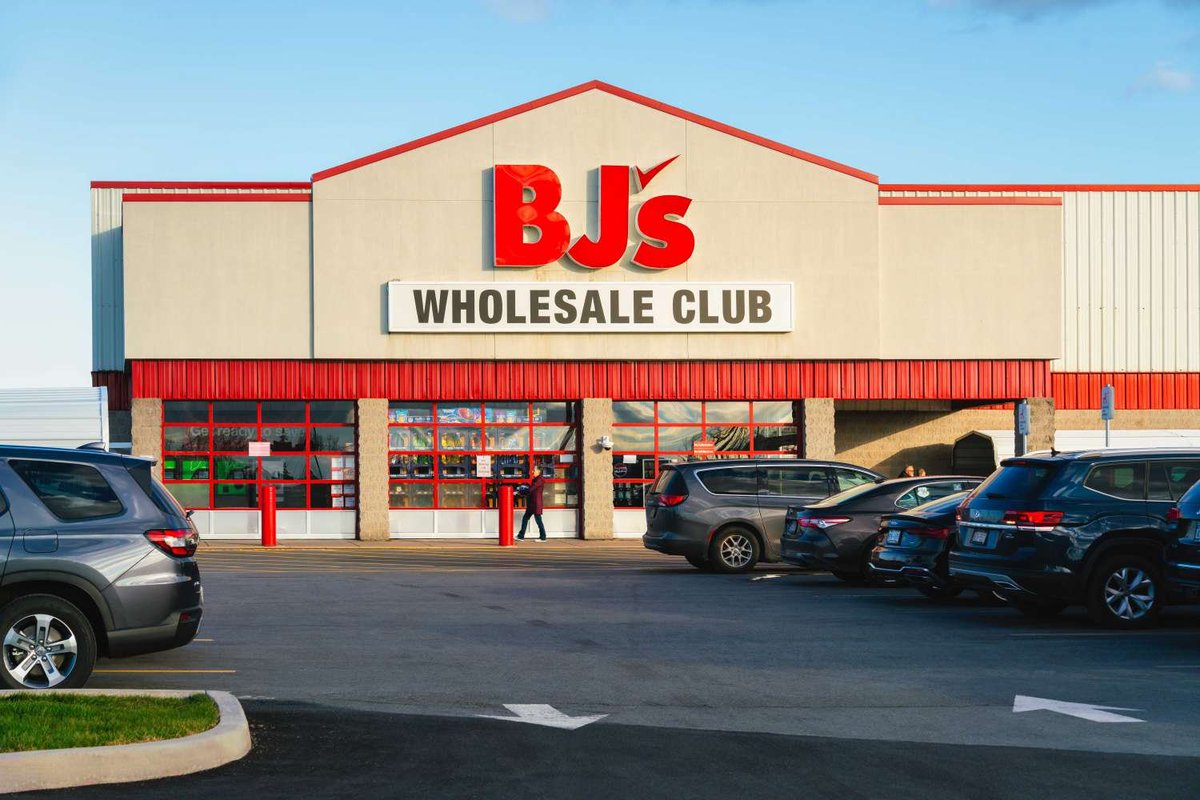
BJ’s Wholesale Club reported second-quarter fiscal 2026 results that beat Wall Street expectations on both the top and bottom lines. Revenue came in at $6.23 billion and adjusted earnings per share were $1.36, according to the company’s earnings release.
The quarter also showed solid underlying demand. Membership fee income rose 9.9% year over year, ex-gas comparable club sales increased 3.1%, and digitally enabled comparable sales climbed 30%. BJ also raised its full-year adjusted EPS guidance to $4.60 to $4.80.
For investors, the report matters beyond BJ itself because it offers another read on consumer spending in the warehouse club and value retail space. Better-than-expected traffic, membership momentum and higher unit volumes can influence sentiment across retail peers.
BJ said the quarter reflected execution across membership, fuel and digital priorities, and that the results were released before the market open on Aug. 21. The company’s earnings materials and subsequent coverage from financial outlets confirmed the key figures.
BJ's Wholesale Club Holdings reported second-quarter adjusted EPS of $1.36, ahead of the $1.16 consensus estimate, while revenue came in at about $5.97 billion versus expectations of roughly $5.968 billion. The company said the quarter came in above its own expectations as well.
The result extends BJ's recent run of earnings beats. Zacks had noted the company topped estimates in each of the prior two quarters, and the retailer also announced a new club planned for Tyler, Texas, underscoring its continued store-expansion push.
For investors, the report matters most for BJ shares and for sentiment across the warehouse-club retail group. Traffic trends, membership gains and comparable sales remain the key operating metrics to watch after another quarter of stronger-than-expected results.
Company announcements and follow-up coverage from market outlets aligned on the main takeaway: both sales and profit came in ahead of forecasts. The latest beat also followed a period of positive analyst revisions heading into the print.
New Zealand July trade balance flips to NZ$1.949 billion deficit as exports fall to NZ$7.39 billion英語原文
Monthly trade swung sharply from a NZ$23 million surplus, with imports climbing to NZ$9.34 billion and the 12-month deficit widening to NZ$5.236 billion.
New Zealand posted a NZ$1.949 billion trade deficit in July, reversing June’s NZ$23 million surplus. July exports came in at NZ$7.39 billion, while imports rose to NZ$9.34 billion.
The latest print marks a clear deterioration from the prior month and adds to the evidence that import demand is running ahead of export earnings. On a 12-month basis, the trade deficit widened to NZ$5.236 billion.
June data had shown only a slim surplus, with exports of NZ$8.09 billion and imports of NZ$8.07 billion. July’s much larger shortfall suggests a weaker monthly external balance, though it does not by itself indicate a policy shift.
The release is relevant for the NZD because trade flows feed into views on New Zealand’s external position and currency support. No official response was included in the signal set provided.
Sweden’s July unemployment rate came in at 7.8%, while the seasonally adjusted rate eased to 8.6%. That compares with the previous readings of 9.9% and 8.9%, according to multiple wire-style reports picked up in today’s X signals.
For context, Sweden’s labor-market releases are closely watched because the seasonally adjusted figure gives a cleaner read on near-term momentum. Prior public references showed the SA rate around 8.7% to 8.9% in June, suggesting this month’s move looks more like a monthly dip than a clear trend break. Sweden Herald Moody's Analytics
For markets, the data mainly matter for the Swedish krona and rate expectations, with knock-on effects for domestic cyclicals such as consumer, retail and construction names. As a macro release, it does not map to a single stock, but it can still shift pricing around the Riksbank path.
So far, the cross-checked sources are aligned on the key figures of 7.8% and 8.6%, and there is no conflicting company-side response to report. The next read-through will depend on the full breakdown, including employment, youth unemployment and the trend measure.
Nvidia on Aug. 20 denied a report that it plans to start small-batch shipments of a China-tailored LPU by year-end. A spokesperson said the report was incorrect, adding that Nvidia has no LPU sales in China today and no China-specific LPU on its roadmap.
The denial follows an earlier report that said the chip would be based on Groq-licensed technology and that some Chinese customers had already placed orders. Nvidia’s statement directly contradicts that version of events and removes the near-term product narrative around a China-specific LPU.
The issue matters because investors continue to parse Nvidia’s China exposure under U.S. export rules. Nvidia has still been allowed to sell H200 AI chips to a limited group of Chinese customers, while also marketing its Vera CPU in China.
Reuters reported in March that Nvidia was preparing a China-compatible AI chip, reflecting its effort to preserve a foothold in the world’s largest AI inference market. But CEO Jensen Huang said in May the company had “largely conceded” China’s AI chip market to Huawei, highlighting the pressure Nvidia faces there.
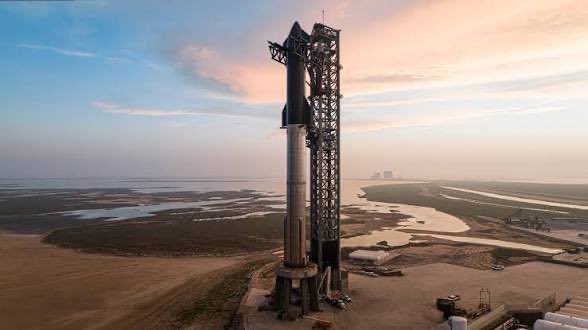
SpaceX CEO Elon Musk said on X that the company is aiming for 30+ Starship launches per day by 2030, which works out to roughly 10,000 annual launches. He also said that pace would still be small compared with the number of daily airline flights.
The statement extends a goal Musk has floated in earlier public remarks, including plans for 10,000 launches a year within five years that were widely reported in May. Other coverage has also repeated his more aggressive long-term visions for Starship production and launch cadence.
For investors, the comment matters mainly for SPCX and for the broader valuation story around SpaceX’s launch and Starlink businesses. A sustained shift toward much higher launch frequency would change how the market models revenue potential, manufacturing scale and eventual public-market pricing.
There is no new confirmation in the material that the target has been achieved or approved by regulators; it remains a management ambition. The next catalyst will be whether SpaceX offers concrete updates on Starship production, testing and launch operations.
これまでの経緯
2026-06-30投稿3件 · 投稿者3人
Musk says Wall Street may underestimate SpaceX, responding to revenue projections.
市場🔥進行中
Bitcoin at $79,500 after Cramer’s sell call; price up 27% from $62,300英語原文
X users are recirculating his exit remark as a fresh inverse-Cramer talking point
Several posts on X say Bitcoin climbed to $79,500 after Jim Cramer said he would sell his Bitcoin holdings, lifting the token about 27% from roughly $62,300. There has been no new verifiable disclosure showing whether he actually sold.
The backdrop is Cramer’s early-August warning that quantum computing could become a threat to crypto security, a comment that quickly fed the long-running “inverse Cramer” meme in crypto circles. Prior reporting also noted that the size of his bitcoin stash has not been publicly disclosed, making any claimed liquidation impossible to verify independently.
The move matters mainly for Bitcoin sentiment, not for listed equities. Recent coverage described BTC trading resiliently around the mid-$60,000s after Cramer’s remark, while social media has kept using the episode as a contrarian signal.
At this stage, there is no new on-the-record response from Cramer or his team that would alter the story. The fresh angle is the market’s continued rally relative to the price level cited in those posts.
これまでの経緯
2026-06-23投稿6件 · 投稿者4人
Critics likened Bank of America to Cramer, accusing it of misleading retail into selling Korean stocks.
2026-07-17
市場
Short interest in Atlanta Braves stock hits record as MLB labor talks strain英語原文
Bloomberg says traders are piling into bearish bets on Braves as the risk of a 2027 season disruption grows, putting a rare sports stock under pressure.
Bloomberg reported that bearish positioning in Atlanta Braves shares is rising quickly as labor talks between Major League Baseball and its players union remain contentious. Traders are increasingly treating a possible disruption to the 2027 season as a live market risk.
The dispute centers on the next collective bargaining agreement, with salary-cap language still the key fault line. The current CBA is due to expire on Dec. 1, 2026, and the league’s last major work stoppage — the 1994-95 strike — remains the cautionary backdrop.
For investors, Braves is one of the few listed sports assets whose valuation can react directly to MLB calendar risk. If scheduling, broadcast revenue or gate receipts are threatened, sentiment can move before any actual lockout occurs.
For now, the market signal is about rising concern, not a confirmed stoppage. The union continues to reject a hard salary cap, while the league says it wants better competitive balance, leaving the talks stuck at a familiar impasse.
Multiple outlets reported on Aug. 20 that Meta CEO Mark Zuckerberg has bought Strancally Castle in County Waterford, Ireland. A spokesperson said Zuckerberg and his family are excited to continue caring for the historic home and look forward to spending time in Ireland.
The 19th-century Gothic-style property sits on roughly 440 acres and was built in the 1830s. TechCrunch cited an estimated price range of about $23 million to $35 million, while RTÉ said the estate has long been associated with the Alen-Buckley family.
The news does not change Meta’s operating outlook, but it does highlight Zuckerberg’s personal spending and the company’s footprint in Ireland, where Meta maintains its international headquarters. RTÉ said Meta employs about 1,500 people in the country.
Meta has confirmed the purchase through a spokesperson, but no official transaction price has been disclosed. The property is also notable because it is being linked to a founder whose business interests remain closely watched by investors.
ISM manufacturing PMI expanded for 6th month to 53.3, but Shiller PE at 41.6 raises valuation concerns; focus on AI fund rotation.
2026-08-03投稿7件 · 投稿者5人
Markets focus on US-Iran de-escalation and CLARITY Act's final window; week features July ISM PMI, JOLTS, and ADP data.
2026-08-06投稿3件 · 投稿者3人
Market prices prosperity while households lag; Fed official says inflation too high lifting yields; Dow and S&P futures hit records but NQ fails to rally.
2026-08-17投稿3件 · 投稿者3人
Week features July housing starts, pending home sales, and Fed minutes; August Philly Fed index and PMI data due.
2026-08-21投稿2件 · 投稿者2人
Treasury Secretary Bessent's bond market support dismissed as 'band-aid on a bullet hole' amid $40T debt; Eurozone August composite PMI rises to 52.1, beating forecasts.
SpaceX's cumulative market cap loss reached $1 trillion, Falcon 9 launched the Starfall Demo mission, and markets saw synchronized selling across assets.
2026-07-07投稿41件 · 投稿者30人
Morgan Stanley initiated coverage on SpaceX with a $300 price target and $600 bull case, and SpaceX was added to the Nasdaq 100, marking the fastest inclusion in the index's history.
2026-08-05投稿99件 · 投稿者66人
SpaceX revealed its Starmind AI1 satellite payload uses NVIDIA Vera Rubin NVL72, executives said Starlink Mobile would target carrier customers, and it held its first post-IPO earnings call.
2026-08-20投稿8件 · 投稿者7人
SpaceXAI appeared on a fastest-growing list for open-source AI adoption, and 319 million shares worth $42 billion (17% of float) are set to unlock the next day.
2026-08-21投稿14件 · 投稿者12人
Anthropic expects its IPO to match or beat SpaceX's record $75 billion raise, and SpaceX and AST SpaceMobile are reportedly interested in acquiring 800 MHz spectrum licenses valued around $6 billion.
Meta reportedly builds a cloud business to sell excess AI compute, competing with Amazon, Microsoft, and Google, with shares up over 8% premarket; analysts question the excess capacity assumption, seeing it as a response to investor pressure.
2026-07-02投稿35件 · 投稿者31人
OpenAI reportedly offers the U.S. government a 5% equity stake worth $42.6B at current valuation; AST SpaceMobile advances BlueBird launches and Japan's J-LEO approval; Bernstein estimates Meta's ~20GW footprint, with Google possibly throttling its compute.
2026-08-04投稿23件 · 投稿者22人
DeepSeek releases V4 Flash coding model at $0.28 per million output tokens, a 99% discount to Claude Opus 4.8; top five tech firms have ~$1.65T off-balance-sheet obligations; Palantir Q2 revenue up 93% YoY to $1.94B.
2026-08-20投稿19件 · 投稿者12人
Moderna and Merck report their mRNA cancer vaccine with Keytruda slows melanoma recurrence; J.P. Morgan urges aggressive buying of Google, citing a five-year TPU deal locking Broadcom revenue; Meta AI connects to multiple platforms and launches a native Mac app.
2026-08-21投稿6件 · 投稿者5人
U.S. debt hits $40T, with AI CapEx seen as key to growth; AT&T says open-source models handle 40% of employee AI queries, targeting 60-70%; a teen drops social media addiction claims against Meta, Google, and Snap.