President Donald Trump said he has paused the planned 50% tariffs on Canadian goods for three days, saying the two sides have a deal subject to final paperwork. Canadian Prime Minister Mark Carney said substantial progress has been made, but important work remains.
The tariff fight has been brewing for days, with the U.S. threatening duties on roughly C$30 billion, or about $22 billion, of Canadian goods. Earlier reporting said the threatened list covered about $20 billion of products, underscoring the scale of the dispute and the last-minute nature of the negotiations.
Markets are watching Canadian exporters, North American supply chains and Canada-focused ETFs such as iShares MSCI Canada ETF (EWC). A delay reduces the immediate hit to import costs, but also keeps tariff risk alive for companies exposed to autos, alcohol and dairy.
Carney’s office said the leaders held repeated calls as negotiators tried to narrow differences. Trump also suggested Keystone XL could be revived, though that remains his own public comment rather than a finalized policy step.
France’s 30-year government bond yield was reported to have climbed to its highest level since the global financial crisis. In the U.S., the 30-year Treasury yield briefly touched 5.33%, its highest since 2007, while the 10-year yield rose to 4.74%.
The move is part of a broader long-end selloff across developed markets. Reuters said Japan’s 10-year yield reached a three-decade high near 3%, Germany’s 10-year Bund yield hit its highest since 2011 and France’s 10-year yield climbed to its highest since 2008.
Rising sovereign yields feed through to mortgages, auto loans and other borrowing costs. CNBC reported that the average rate on a 30-year fixed mortgage had risen to 6.75%, underscoring how bond-market pressure can quickly hit consumers.
Equities also came under pressure as investors rotated out of duration-sensitive assets. The selloff has broadened concerns about fiscal deficits, inflation and heavier long-term government borrowing needs across the U.S., Europe and Japan.
Apple said on Aug. 18 that it will overhaul its EU App Store terms starting Oct. 1, replacing the Core Technology Fee with a 5% commission on digital transactions for apps distributed outside the App Store. The company is also reshaping its fee stack for in-app purchases and alternative payment routes in the bloc.
The move comes after a prolonged clash with EU antitrust regulators over whether Apple’s rules comply with the Digital Markets Act. Reuters reported earlier this year that the company was facing a 500 million euro fine as Brussels scrutinized its restrictions on steering users to cheaper payment options outside the App Store.
For investors, the update matters because it changes the revenue mechanics tied to Apple’s Europe services business and the economics for app developers such as Spotify and marketplace operators. The new structure could also alter the costs of alternative distribution and payments for companies that rely on iPhone and iPad users in the EU.
Apple said the revised terms are meant to simplify the system and align it with the EU’s requirements, while regulators are expected to continue reviewing whether the package goes far enough. The announcement marks a fresh, concrete step in a dispute that has already reshaped app distribution rules across Europe.
China has allowed small batches of Nvidia H200 chips into mainland China, with ByteDance and Tencent each reportedly receiving about 10,000 processors in recent weeks, according to the Financial Times. The report said Beijing still wants most of the chips kept outside the mainland, and some processors may be used in Hong Kong.
The latest step follows earlier shifts on both sides of the Pacific. Reuters reported in January that China had approved H200 purchases for ByteDance, Alibaba and Tencent, while Reuters also reported in May that the U.S. had cleared H200 sales to 10 Chinese companies, underscoring a gradual loosening of access rather than a single policy reversal.
For investors, the update matters most for Nvidia, which remains heavily exposed to China demand for AI training hardware, and for Chinese internet names such as ByteDance and Tencent that need more compute for model training. But limited Hong Kong data-center capacity and power constraints could keep near-term deployment smaller than the shipment numbers suggest.
Nvidia, ByteDance, Tencent and China’s National Development and Reform Commission had not immediately commented on the FT report. The reported shipments are still subject to licensing and operating conditions.
How this story unfolded
2026-07-0824 posts · 22 authors
China's government approved purchases of 200,000 Nvidia H200 chips by DeepSeek, ByteDance, Alibaba and others for training purposes.
Company
Moderna, Merck Phase 3 readout lifts MRNA 100% as cancer vaccine hits RFS, DMFS
A fresh Phase 3 win for the personalized mRNA vaccine broadens the case for cancer-vaccine commercialization and related sequencing tools.
Moderna and Merck said on Aug. 19 that their personalized cancer vaccine, intismeran autogene, met the recurrence-free survival and distant metastasis-free survival endpoints in the Phase 3 INTerpath-001 trial. The update sent Moderna shares sharply higher in premarket trading, while Merck also moved up on the readout.
The significance is that the program has now advanced beyond earlier-stage evidence and into a larger pivotal dataset. Merck and Moderna had already reported sustained benefit in melanoma follow-up studies, but the latest announcement adds a more important validation point for the platform.
The immediate market winners were MRNA and MRK. Investors also began to extrapolate to tumor sequencing, MRD monitoring, and other oncology-enabling names, though those are second-order beneficiaries rather than direct recipients of the company announcement.
In its release, Merck said the trial enrolled patients with completely resected stage IIB-IV melanoma and that the study met its primary endpoints. More detailed data are expected later, but the top-line readout is the key new catalyst today.
Unitree Robotics surged as much as 542% in its Shanghai trading debut on Aug. 19, making the humanoid robot maker one of the day’s most-watched new listings. The company had sold shares at 150.8 yuan apiece, raising about 6.1 billion yuan, or roughly $904 million.
The listing marks a milestone for China’s humanoid robotics sector. Public reports say Unitree became the first mainland-listed humanoid robot maker, and its IPO was more than 8,000 times oversubscribed by retail investors, a record for Shanghai’s STAR Market.
The debut is likely to keep attention on robot makers and parts suppliers across China’s industrial chain, including firms tied to motors, reducers and control systems. Investors are also using the deal to benchmark commercialization progress and valuation for the broader robotics theme.
Unitree has said its robots are intended for civilian use, while U.S. regulators and the Pentagon have taken restrictive actions against the company in recent months. The company also recently unveiled a new robot dubbed “Superman,” touting a 2-meter standing jump and a top speed of 12.66 meters per second.
OpenAI’s second-quarter revenue climbed 18% to $6.7 billion from $5.7 billion in the prior quarter, according to people familiar with the matter cited by The Wall Street Journal. Over the same period, Anthropic’s revenue more than doubled to $11.6 billion, marking the first time it has surpassed OpenAI on a quarterly basis. The report also said Anthropic posted a small operating profit while OpenAI’s losses widened.
The numbers underscore a growing divergence in the commercialization of frontier AI. Investors have been watching whether OpenAI can reaccelerate ChatGPT growth while Anthropic’s Claude Code has gained traction with developers and enterprise users.
The read-through matters for AI infrastructure and cloud-exposed names including Microsoft, Oracle, Amazon Web Services, CoreWeave, Nvidia, AMD and Broadcom. Faster revenue growth and a move toward profitability can shape expectations for compute demand, contract economics and the pace of spending across the AI supply chain.
OpenAI has also been in the middle of management changes, including the replacement of its chief revenue officer, according to the report. The figures remain attributed reporting rather than full audited disclosures.
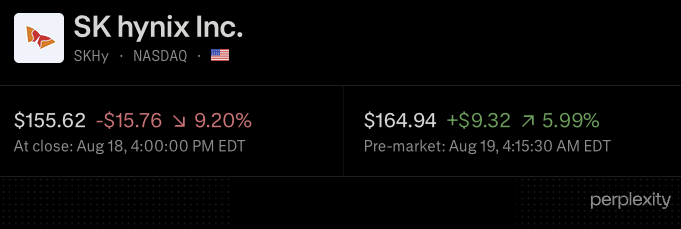
SK Hynix said it will repurchase and cancel as much as 40 trillion won, or about $28.6 billion, of treasury shares between Aug. 20 and Nov. 19. The company said the program covers up to 24 million shares and comes with a higher shareholder-return framework for 2025-2027.
The move builds on the company’s role as a key supplier of high-bandwidth memory chips used in AI systems. It also follows a period of strong cash generation, which has given management more room to return capital while reinforcing confidence in its AI-driven earnings profile.
South Korean chip stocks were volatile after the announcement, with SK Hynix and Samsung Electronics both falling sharply at points during the session. The KOSPI also swung lower as global semiconductor names sold off, showing how sensitive the sector remains to sentiment around AI hardware spending.
SK Hynix also said it will provide more details on additional repurchases, cancellations and dividends with its third-quarter earnings release. The announcement extends a broader push to channel free cash flow back to shareholders through 2027.
Meta child-safety trial opens as 29 states seek about $200 billion
California and other states say Facebook and Instagram were designed to hook minors, and the case could put internal product documents on public display
A federal child-safety trial against Meta opened in Oakland this week, with 29 states accusing the company of misleading children and parents about the risks of Facebook and Instagram. In opening statements, the California attorney general’s office said Meta used technology designed to turn young users into compulsive users and boost ad revenue.bloomberg.com
The case builds on earlier child-safety rulings against Meta. In New Mexico, a judge ordered the company to pay another $567 million in a related matter, bringing the total in that case to $942 million and underscoring how the litigation has widened beyond a single state complaint.bbc.com
For investors, the key issue is not just potential monetary penalties but the possibility that internal documents on recommendations, teen engagement and safety controls become public. That could sharpen scrutiny of Meta’s ad-supported business model, which relies heavily on Facebook and Instagram usage time.cnbc.com
Meta has said it disagrees with the allegations and will fight them. The states argue the lawsuit centers on product design and disclosures rather than third-party content, a distinction that could matter for broader platform-liability fights ahead.
How this story unfolded
2026-06-226 posts · 6 authors
Meta announced bringing Instagram to Samsung TVs and testing horizontal video, Stories on TV, and casting Reels.
Company
Nebius plans $4.5 billion converts, with potential proceeds up to $5.175 billion
The AI cloud company is enlarging its financing stack for data centers, cloud infrastructure and GPU закупки amid rapid expansion.
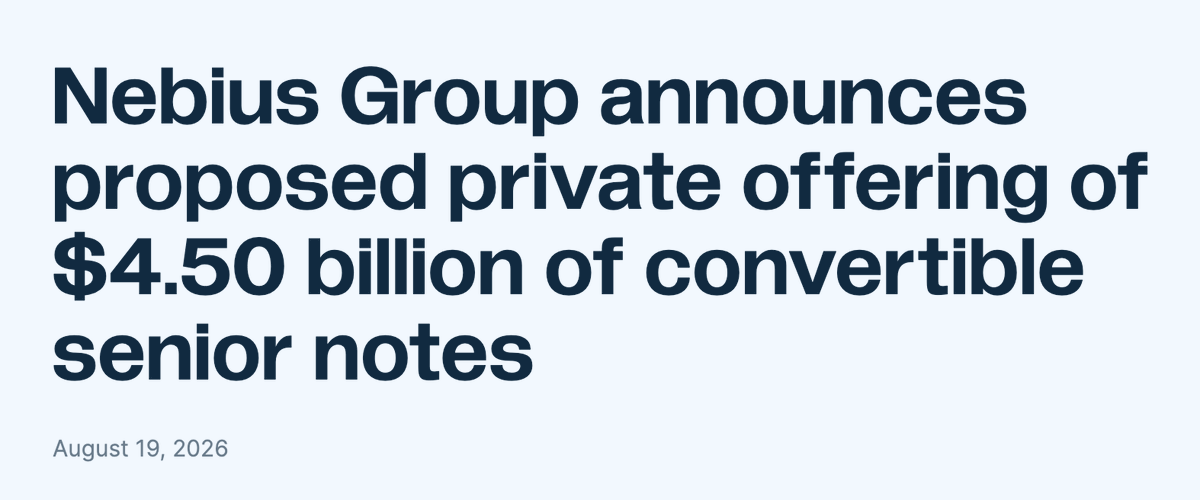
Nebius Group said on Wednesday it plans to sell $4.5 billion of private convertible senior notes in two tranches: $2.75 billion due 2030 and $1.75 billion due 2034. The company also granted the initial purchaser an option to buy up to an additional $675 million of notes, taking potential gross proceeds to $5.175 billion.businesswire.com
Nebius said it intends to use the money to fund data center construction and expansion, build out its AI cloud platform, expand its data center footprint and buy key components including GPUs. The new deal is larger than the $3.75 billion convertible offering the company disclosed in March, which was later priced at $4.0 billion after demand came in stronger than expected.sec.gov
The financing underscores how capital-intensive the AI infrastructure race remains, especially for cloud providers that are racing to secure power, chips and server capacity. Reuters said Nebius was tapping the convertible market to support its data-center and AI-platform buildout, while market commentary pointed to volatility in NBIS shares around the announcement.reuters.com
The U.S. diesel crack spread jumped above $100 a barrel for the first time, with Monday’s intraday high reaching $102.20, a new all-time record. Bloomberg said the spread was hovering around $100 on Tuesday after settling in triple digits for the first time on Monday, while Reuters also reported the $102.20 intraday peak.bloomberg.com reuters.com
The rally reflects a stack of supply disruptions hitting diesel markets at once. Reports point to the U.S.-Iran war, shipping pressure around the Strait of Hormuz, Ukrainian strikes on Russian refineries, and outages or attacks in Libya and Saudi Arabia as key drivers of the squeeze.ttnews.com dtnpf.com
For investors, the move tends to support U.S. refiners such as Marathon Petroleum, Valero and Phillips 66, whose earnings are highly sensitive to diesel margins. It also raises costs for trucking, agriculture and industrial users, with industry-linked reports saying U.S. average retail diesel prices have climbed to $5.45 a gallon.zerohedge.com
Traders will now watch refinery runs, distillate inventories and the next EIA data for signs of relief. TT News also noted that elevated margins may encourage refiners to delay maintenance, increasing the risk of unplanned outages later in the season.ttnews.com
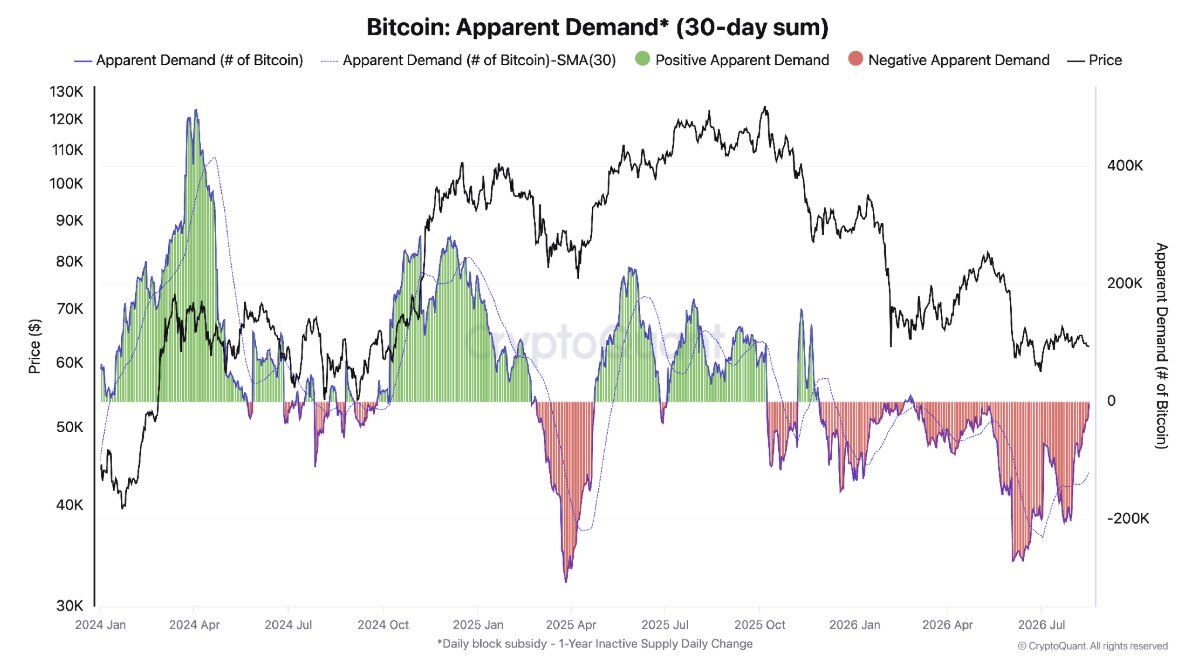
Bitcoin is still holding above $61,000, while traders continue to debate whether the next move could revisit $50,000. A separate market signal showed BTC failing to set a new Monday high, with the intraday peak around $64,500.
The backdrop is more unusual: CoinBureau said global M2 is at record highs and up 7.2% year over year, yet Bitcoin is no longer tracking that liquidity trend in the way it did for years. At the same time, Cointelegraph-reported Glassnode and CryptoQuant signals suggest conviction buyers are accumulating near $60,000 and spot demand may be turning positive.
Flows into Strategy-linked trades are also part of the story. Recent coverage said Strategy is no longer buying Bitcoin for now, while the leveraged MSTU ETF has drawn heavy trading as investors look for amplified exposure through MSTR.
That makes MSTR and its related ETFs an important pressure valve for crypto sentiment in U.S. markets. Until spot demand and institutional flows improve together, Bitcoin appears more likely to remain range-bound and data-driven than trend-driven.
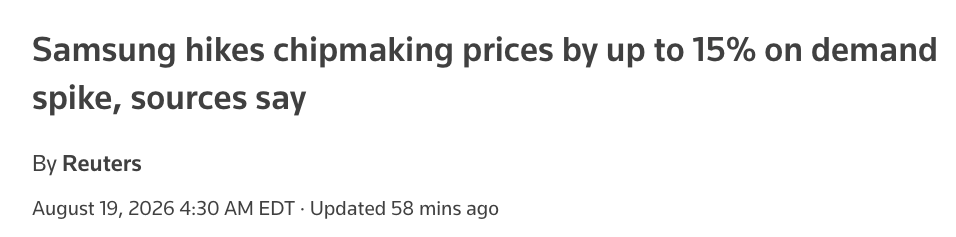
Reuters reported on August 19 that Samsung Electronics has raised prices for some advanced foundry services by as much as 15% on new orders. The increase is said to cover nodes including 4nm and 5nm, with some 8nm automotive chips also seeing higher pricing.
The move comes as AI chip demand continues to tighten supply across leading-edge manufacturing. Earlier reporting also said TSMC recently notified major customers of wafer price increases for 3nm, 5nm and 7nm nodes, underscoring a broader shift in foundry pricing power toward suppliers.
For investors, higher wafer costs could ripple through customers such as Nvidia, AMD and Apple, adding to chip and product costs across AI servers, smartphones and PCs. Samsung’s foundry unit could see improved pricing leverage if demand remains firm, while TSMC’s booking pressure remains a key indicator for the sector.
Samsung has not publicly commented on the Reuters report. The pricing details were attributed to people familiar with the matter, and the increase may vary by customer, process node and region.
How this story unfolded
2026-06-214 posts · 4 authors
Sivers Semiconductors received a bullish analysis, JEDEC ratified a new HBM standard, and Citi raised wafer-fab equipment spending forecasts.
Company🔥Developing
Oklo enters physical build mode as Meta-backed 1.2 GW Ohio plan advances
The Idaho project moving into construction gives the Meta-linked nuclear push a more concrete footing after months of licensing and procurement milestones.
Oklo said it has entered physical “build mode” at Idaho National Laboratory, moving its Aurora reactor project from preparation into actual construction work. The company had already secured Department of Energy Idaho Operations Office approval of the preliminary documented safety analysis for the first Aurora Powerhouse deployment in June.
The update extends the nuclear partnership Meta disclosed in January, under which Meta is supporting development of up to 1.2 GW of Aurora capacity in Pike County, Ohio. That agreement is meant to fund fuel procurement and Phase 1 site development, with first power targeted as early as 2030.
For investors, the key significance is execution: the INL demonstration could validate Oklo’s ability to build, supply, and operate its design on schedule, while Meta is continuing to line up long-dated clean power for data-center growth. The most directly exposed stocks are Oklo and Meta, with the former tied to project milestones and the latter to the reliability of its future power strategy.
Separately, Bloomberg reported that TerraPower expects to announce a second U.S. nuclear project for a data-center customer this year, underscoring continued corporate demand for advanced nuclear capacity. TerraPower CEO Chris Levesque said a 2027 groundbreaking is possible if the next project proceeds on schedule.
How this story unfolded
Company
KKR reportedly offers $42.50 a share, about $9 billion for UGI
The WSJ-reported bid puts the regulated utility back in dealmaking focus, while investors weigh the premium against execution risk
The Wall Street Journal reported that KKR has made a takeover offer for UGI Corp. at about $42.50 per share, valuing the natural gas and electricity distributor at roughly $9 billion. Reuters later confirmed the report, citing people familiar with the matter.
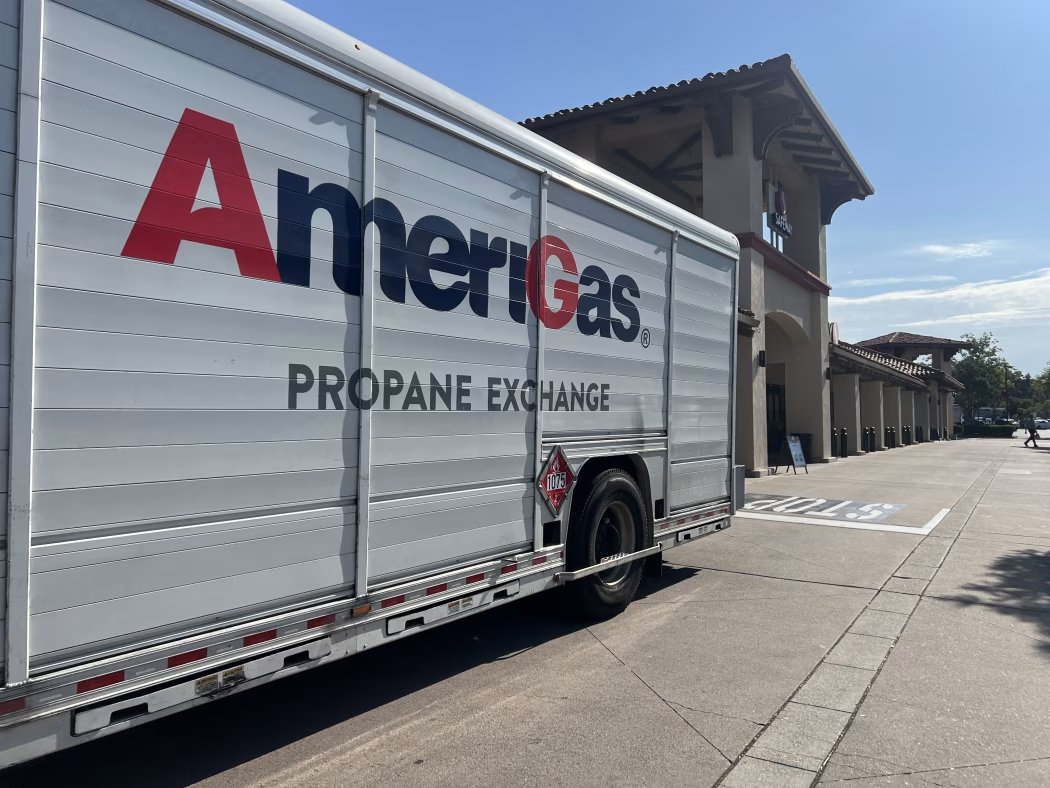
UGI is based in Pennsylvania and runs natural-gas and electric distribution utilities, pipeline and storage assets, plus AmeriGas. The company’s shares had been little changed over the past year, making a cash bid with a clear premium stand out to investors.
Reuters said UGI stock rose more than 11% on the news, while KKR fell about 1.3%. Reuters’ calculation put the premium at 21.1% versus UGI’s Monday close of $35.09, and the implied equity value at about $7.53 billion, below the headline deal value.
Neither UGI nor KKR immediately commented. The report adds to a broader wave of private-equity interest in energy infrastructure, but any transaction would still depend on negotiations and formal filings.
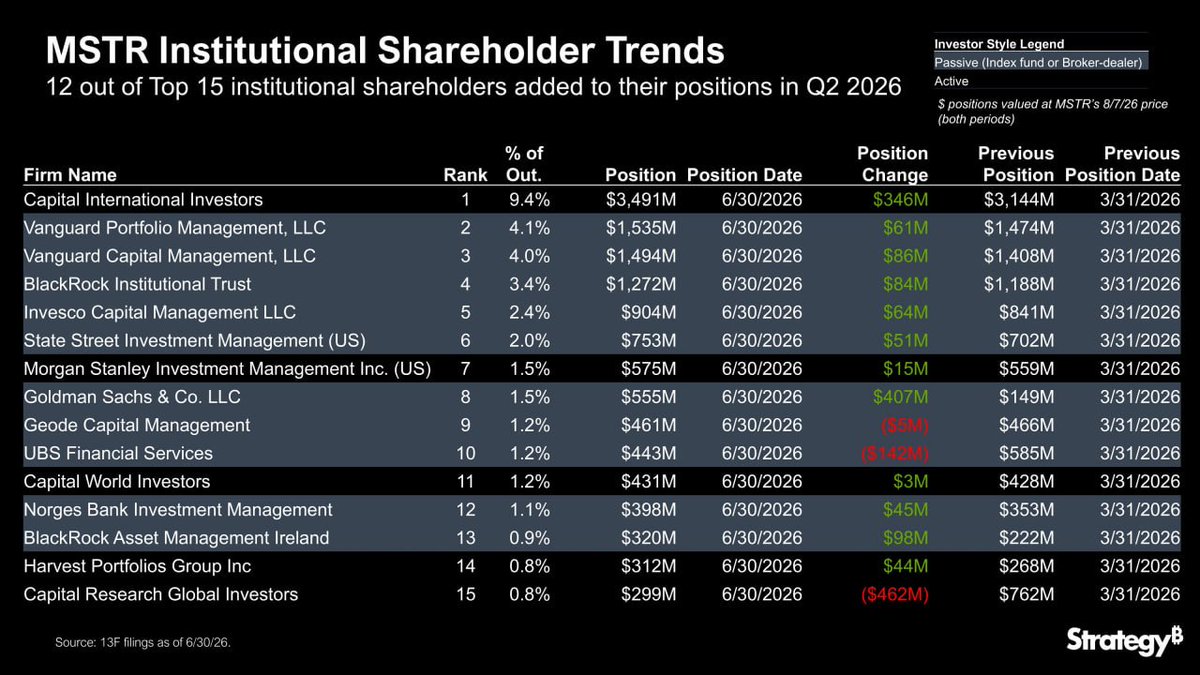
Strategy said on X that 12 of its top 15 institutional shareholders increased their MSTR positions in the second quarter of 2026, lifting combined holdings by $1.2 billion. The post was echoed by multiple market-news accounts and is the latest fresh disclosure in the name.
The update comes against the backdrop of Strategy’s long-running Bitcoin treasury strategy. Earlier reporting said the company held about 843,775 bitcoins as of late July, with an average cost basis near $75,476 per coin.
For the market, MSTR remains one of the clearest equity proxies for Bitcoin exposure, so shifts in institutional ownership are closely watched by traders and funds. Related products and other Bitcoin-linked equities can trade around that positioning signal, even though this disclosure does not say Strategy bought additional BTC today.
Strategy has not yet published a breakdown of which shareholders drove the $1.2 billion increase. For now, the headline number is the key new data point from the company’s own social update.
On Tuesday, X signals showed CoreWeave fell about 10%, Nebius dropped roughly 8%, and TeraWulf was also down around 8%. The Semiconductor ETF SMH finished the session down more than 4%, signaling broad pressure across AI infrastructure and chip stocks.
The move comes as markets continue to digest higher long-end Treasury yields and renewed debate over the durability of AI spending. Recent reports said the 30-year Treasury yield climbed to 5.33%, a 19-year high, while analysts and journalists highlighted large off-balance-sheet AI commitments at major tech companies, raising the discount rate applied to far-dated growth.
Memory names joined the selloff: SanDisk fell about 10% intraday, while Micron and Western Digital also weakened. In Korea, SK hynix and Samsung Electronics later slid as the US semiconductor slump spread across the region, reinforcing the view that this was a sector-wide de-risking rather than a company-specific shock.biz.heraldcorp.com
There were no new denials or fresh company disclosures in the signals. The immediate market reaction remains tied to rates, AI capex expectations, and position unwinding across high-beta AI trades.
The American Petroleum Institute’s weekly data showed U.S. crude inventories down 328,000 barrels in the week ended Aug. 14, while gasoline stocks rose 1.076 million barrels and distillate inventories fell 2.797 million barrels. Cushing crude inventories also declined by 1.438 million barrels, according to the same readout cited by market wires.
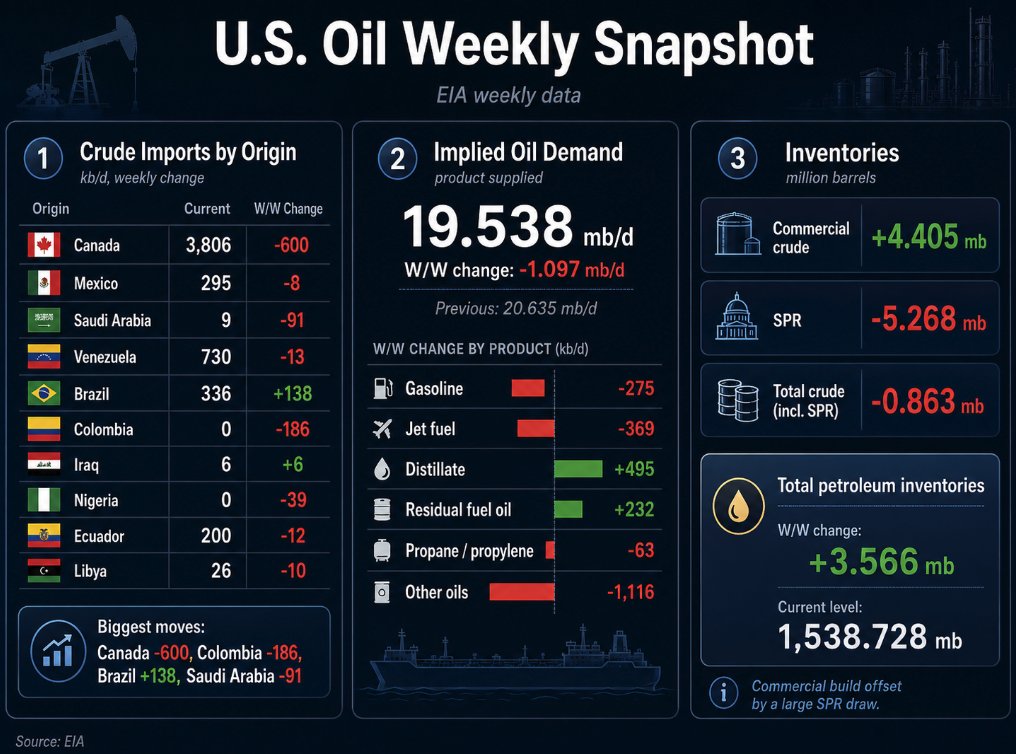
A separate EIA-based update circulating in the market painted a different picture for commercial balances: commercial crude inventories rose 4.405 million barrels, while the Strategic Petroleum Reserve fell 5.268 million barrels, leaving total crude down 863,000 barrels on the week. The gap reflects the difference between commercial stocks and SPR withdrawals.
The product mix matters for refiners and fuel margins. A gasoline rebuild alongside a larger distillate draw keeps attention on diesel tightness and on the prompt structure for WTI-linked prices at Cushing.
For traders, the key point is not a single headline draw or build, but the split between commercial crude, SPR flows and refined products. That combination can influence refinery utilization expectations and relative pricing across energy equities, refiners and fuel-linked contracts.
Amazon said it will expand Prime Air drone delivery to nearly 500 U.S. cities and towns, widening the service’s reach to about 30 million people. The company said the drones are designed for lightweight parcels of up to 5 pounds and can deliver in as little as 30 minutes.
The move builds on an existing network rather than launching a brand-new program. Amazon has already been testing the service across 11 U.S. sites, and recent reports indicate the company has logged hundreds of thousands of drone deliveries this year as it pushes deeper into suburban markets such as Chicago and Atlanta.
For investors, the update keeps AMZN’s logistics automation story in focus. Drone delivery still faces regulatory, noise and landing-zone constraints, so the near-term impact is more about operational efficiency and brand positioning than a wholesale change to Amazon’s package network.
Amazon has said the rollout remains a scale-up effort and will require local approvals and site preparation in each market. The company is also working to broaden the service footprint while keeping operations centered on existing fulfillment infrastructure.
Tesla has updated the official Semi website with new photos, videos and product details, and the page now says deliveries begin in 2026. The same wave of reporting also points to a new 500-truck commitment from Einride, a Swedish transport company that plans to deploy the vehicles across its North American fleet.
The refreshed page highlights a long-range version with up to 500 miles of range and charging at up to 1.2 MW, which Tesla says can recover about 60% of range in 30 minutes. Reuters and TechCrunch both reported that Einride’s rollout will be phased over the next two years and financed by a third party, underscoring the move from pilot programs toward larger commercial use.
For investors, the update matters most for Tesla and for the broader electric heavy-duty trucking space, including Daimler Truck, PACCAR and Volvo. A larger order book and a more detailed product page suggest Tesla is trying to turn Semi from a showcase vehicle into an operational freight platform with service coverage to match.
Tesla has not issued additional financial guidance tied to the website update. The underlying deal itself, however, has now been confirmed by multiple outlets, while Tesla also says it is expanding Semi service centers to provide same-day support in major metro areas and beyond.
Robinhood CEO Vlad Tenev has again urged U.S. policymakers to open the door for tokenized stocks in the American market. In recent remarks and a new article, he argued that tokenized securities could enable near-instant settlement, round-the-clock trading and greater asset portability.
The company has been making this case for more than a year. In an April 2025 letter to the SEC, Robinhood said tokenization of real-world assets could compress settlement to seconds and improve market efficiency and transparency.sec.gov
The latest comments matter because they tie Robinhood’s public policy push to its broader blockchain strategy. CoinDesk reported in July that real-world assets on Robinhood Chain had reached about $70 million in market value, showing that tokenized equities are already trading with some scale.coindesk.com
Robinhood has not announced a U.S. launch of tokenized stocks yet. The new signal is mainly Tenev’s sharper public framing of tokenization as a major market-structure shift rather than a niche crypto use case.fortune.com
PromptWatch data show Reddit’s share of ChatGPT Search citations fell to 0.5% on Aug. 14-17 from an average 3.8% in the July 18-Aug. 7 period, an 86% relative drop. X posts circulating today echoed the same takeaway, saying Reddit has “all but stopped” appearing in ChatGPT search results.
The move extends a broader pattern in AI search where citation visibility can change quickly as retrieval systems and query fanout behavior evolve. Recent coverage has also pointed to shifting web-crawling dynamics and Google search-result changes as possible background factors shaping which domains surface in AI answers.
For investors, the read-through is mainly about Reddit (NYSE: RDDT), whose ad growth story has increasingly intersected with search referral and AI visibility metrics. With Reddit recently entering the S&P 500 and still drawing attention as an ad-tech and platform-growth name, any change in citation share is being watched as a signal on discoverability, not a direct operating metric.
As of now, there has been no public confirmation or denial from OpenAI or Reddit regarding this specific citation shift. The data point should be treated as third-party measurement of AI search output, not proof of an immediate change in traffic or revenue.
YouTube is in advanced talks with the NBA over a centralized local-broadcast streaming hub that could debut in the 2027-28 season, according to Sports Business Journal. The initial plan would bring at least 25 teams into one geofenced destination, with a broader rollout potentially reaching 29 of the league’s 30 clubs.
The deal concept has been circulating for weeks. NBA Commissioner Adam Silver said in July that he expected an aggregated local broadcast hub to be ready for 2027-28, and SBJ later reported that the league could seek about $1.2 billion annually if 29 teams participate, versus roughly $850 million for a 25-team package or smaller.
For Alphabet, the parent of YouTube, the arrangement would deepen its role in live sports distribution and could expand monetization through subscriptions. For the NBA, the key issue is preserving team-by-team local rights economics while replacing revenue lost as the regional sports-network model continues to unravel.
The talks are still unresolved on critical details, including which teams opt in, who controls the inventory, and whether local OTA simulcasts stay in place. The league has not publicly confirmed a final structure.
Rocket Lab wins $12M SDN orders as Space Force advances a $2.3B backbone
The new awards push Rocket Lab deeper into military satellite networking, where interoperability and secure optical links matter more than launch alone.
Rocket Lab said it has joined the U.S. Space Force’s Space Data Network Consortium and secured two delivery orders worth a combined $12 million. The work is tied to the Space Data Network Backbone program, which is meant to validate secure, interoperable optical communications and networking hardware.
The new awards matter because they move Rocket Lab beyond launch services and deeper into the military satellite communications stack. Industry reporting also points to a roughly $2.3 billion backbone initiative, with SpaceX playing a central role in the broader ecosystem, underscoring how aggressively the Space Force is building out the network.
For investors, the immediate significance is not just the dollar amount but the potential for recurring defense work and technical validation. That helps explain why RKLB tends to react to defense contract news, while SpaceX-linked names remain closely watched for any spillover into the same space-communications lane.
Rocket Lab has not disclosed additional delivery timing beyond the initial contract framework. The current details come from the company announcement and are being cross-checked against recent industry coverage.
United Launch Alliance has completed a $1.5 billion private bond offering, tripling the deal from its original $500 million target. The rocket venture is jointly owned by Boeing and Lockheed Martin and serves U.S. military missions as well as commercial customers including Amazon.
The first reports on Aug. 5 described a roughly $500 million private placement aimed at refinancing existing debt. New reporting says the deal was expanded into four tranches with maturities ranging from three to 10 years, underscoring steady demand for high-grade private credit.
For Boeing and Lockheed Martin, ULA remains a strategically important launch business tied to sensitive national-security payloads. The larger bond sale gives the company more financing flexibility while highlighting how issuers are favoring shorter-duration debt in a high-rate environment.
Representatives for ULA and the banks involved in the deal have not publicly commented on the expansion. The transaction adds another data point to a private placement market that has been leaning toward shorter maturities this year.
How this story unfolded
2026-06-233 posts · 3 authors
China added 10 US companies to its export-control list while Trump met with defense contractors to boost munitions production.
Company
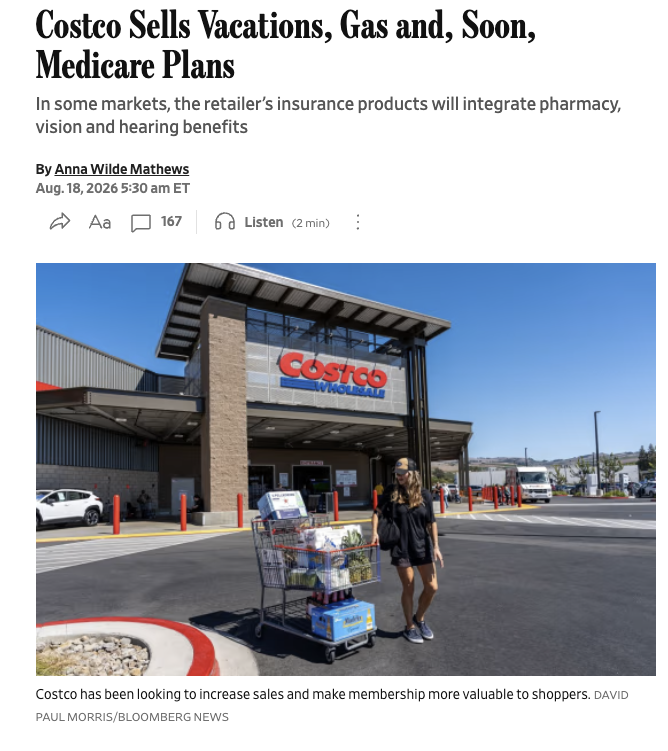
Costco, SCAN to test Medicare Advantage in 2 states, supplement in a 3rd
The retailer’s first broad Medicare partnership links its pharmacy and senior-friendly services to a new insurance channel.
Costco and nonprofit insurer SCAN Health Plan said on Aug. 18 that they will launch an expanded partnership to roll out a suite of senior-focused insurance products. The initial plan calls for Medicare Advantage offerings in two states and a Medicare supplement product in a third, pending regulatory approval.
The move marks Costco’s first comprehensive partnership with a Medicare plan. SCAN said its Medicare Advantage business spans 33 counties across California, Arizona, Nevada, Texas, New Mexico and Washington, with nearly 460,000 members, and that the new products could incorporate pharmacy, vision, hearing and OTC benefits.
For investors, the announcement matters most for Costco (COST) and for the broader managed-care and senior-services ecosystem. The rollout is still subject to approval and the companies have not disclosed the target states or launch timing, so the key question is whether Costco can turn store traffic into a healthcare distribution channel.
Both companies said the partnership is intended to reduce the fragmented experience older adults often face when navigating care and benefits. They described the deal as the start of a longer rollout, but provided no full timetable.
PayPal said on Aug. 19 that students and families at participating U.S. schools can now use PayPal or Venmo to pay tuition. The new rollout adds integrations with Illumia, Nelnet Campus Commerce and TouchNet, bringing the company’s consumer wallets into campus billing workflows.
The update builds on PayPal’s earlier campus-commerce push. In March, Venmo announced it could connect with PayPal users across 90 markets, expanding the network behind peer-to-peer transfers and making it easier for the two apps to operate as a shared payments layer.
For investors, the main relevance is usage growth rather than a new revenue number: more tuition and student-account payments flowing through PayPal could lift engagement across PYPL’s wallet and processing stack. It also broadens the payment options available to schools and their campus commerce vendors.
PayPal did not disclose transaction volume or the number of schools live on the new integration. It said the feature is available at participating institutions and is being rolled out through its campus-payment partners.
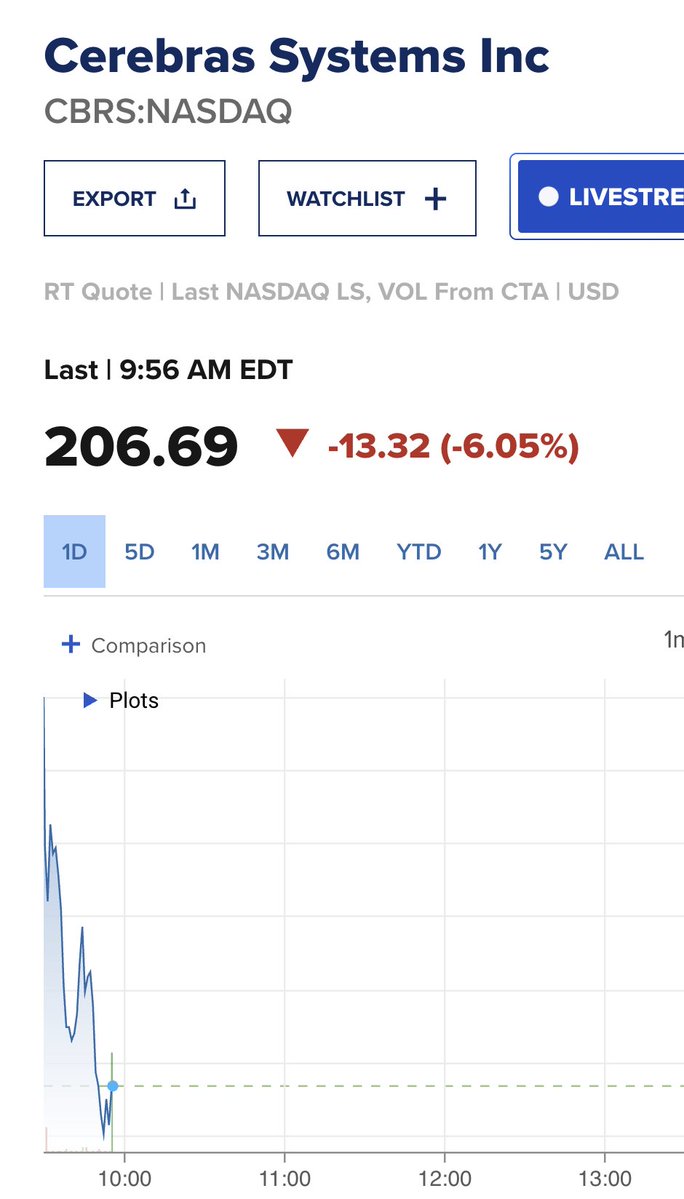
Cerebras on Aug. 18 introduced CS-4, its new server system built around three large chips and aimed at AI chatbot inference. The company also unveiled the WSE-3 Turbo chip alongside the rack hardware.
The update extends Cerebras’ strategy of attacking inference bottlenecks rather than competing head-on on conventional GPU architecture. Reuters reported the machine will be available in the third quarter, and the company said chip-to-chip bandwidth rises to 2.4 Tbps while latency falls to 2 microseconds.
Investors are watching the launch because Cerebras has been trying to turn its niche hardware into a broader growth story after a weak post-IPO stock run. The new system is being compared with Nvidia-based equipment as Cerebras seeks to argue that its larger chips can deliver faster chatbot responses.
Cerebras said the CS-4 is based on its Nexus rack architecture and needs fewer components, which it says will simplify data-center deployment. The company also said it expects to deliver 600 megawatts of computing power by the end of 2027.
Japan’s core machinery orders, excluding ships and electric utilities, rose 9.7% month on month in June to JPY 1.0558 trillion, according to the Cabinet Office release on Aug. 19. Orders were also up 16.9% from a year earlier, both readings beating market expectations.
The report matters because core machinery orders are a closely watched leading indicator for private capital spending in Japan. The June rebound suggests corporate investment demand improved after a weak May, with manufacturing orders up 19.9% and non-manufacturing orders up 4.5%.
The data may keep investors focused on Japan’s industrial and capital-expenditure exposure, including machinery makers and automation suppliers. Reuters-style and local wire coverage also noted second-quarter core orders were slightly positive on quarter, reinforcing the view that investment activity stabilized in June.
Cross-checks from RTTNews and Yahoo Japan’s Kyodo-distributed report matched the June month-on-month and year-on-year figures, while TradingView’s wire summary added the quarterly context. No company-specific market move was cited in the available reports.
Euro area current account data for June showed a clear improvement. The X signal reported a seasonally adjusted surplus of €35.1 billion and a non-seasonally adjusted surplus of €46.9 billion, up from €25.1 billion and -€6.2 billion previously.
For context, the ECB said the euro area posted a €25 billion current account surplus in May. Eurostat also reported that the euro area’s goods trade surplus widened to €8.6 billion in June, versus €4.8 billion a year earlier, underscoring a firmer external position at the start of summer.
For markets, a larger current account surplus typically points to lower external funding needs and can support the euro’s structural demand. The immediate read-through is mainly for FX, sovereign bonds and export-sensitive European sectors rather than for a single equity name.
The key point is that the X signal and the official releases are consistent on direction: June external balances improved. The difference lies in statistical presentation, with the signal showing both seasonally adjusted and non-seasonally adjusted figures for the same monthly release.
The Mortgage Bankers Association said on Aug. 19 that U.S. mortgage applications fell 0.4% in the week ended Aug. 14, reversing the prior week’s 3.6% increase. The average contract rate on 30-year fixed mortgages was unchanged at 6.77%, while the refinance index rose to 755.9 and the purchase index slipped to 154.8.
The report extends a run of elevated borrowing costs in the U.S. housing market. In MBA’s Aug. 12 release, the 30-year fixed rate also stood at 6.77%, near a one-year high, after applications had rebounded on a brief dip in rates the previous week.
For lenders, mortgage originators and housing-linked businesses, a rate stuck at 6.77% keeps affordability and refinancing incentives under pressure. That typically limits transaction volume even when weekly rates fluctuate only modestly.
MBA’s weekly survey covers a large share of U.S. retail residential mortgage applications, making it one of the most closely watched high-frequency gauges of housing-finance demand.
How this story unfolded
2026-06-244 posts · 4 authors
US MBA mortgage applications rose 1.0% WoW, with 30-year rate easing to 6.59%.
2026-07-156 posts · 6 authors
US MBA mortgage applications fell 7.3% WoW, the fourth decline in five weeks.
Markets
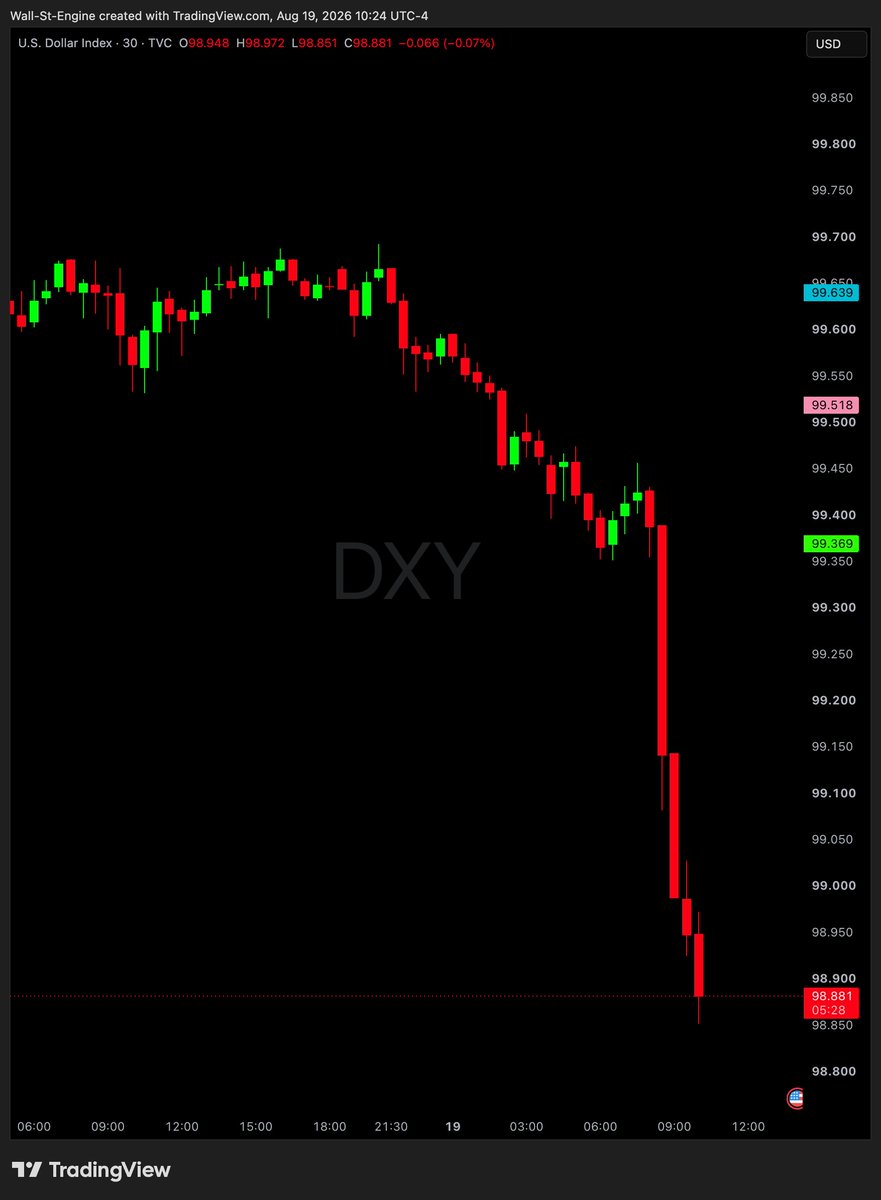
Dollar Index sinks to 99.45, a 2-plus-month low
Traders are positioned ahead of the July FOMC minutes, while U.S. CPI and jobs data remain the bigger swing factors.
The U.S. Dollar Index fell to around 99.45 on Wednesday, down about 0.2% on the day, and hovered near the 99.29 area seen earlier this week, its lowest level in more than two months. Trading signals on X also showed the DXY breaking below the June 16 low.
The move comes ahead of the July FOMC minutes, with investors seeing limited room for a major repricing from the minutes alone. The bigger catalysts are still the next U.S. CPI print, labor-market data and the Jackson Hole symposium.
A softer dollar has helped lift euro-linked assets and precious metals. Barchart noted that gold and silver advanced as the DXY weakened, while FXStreet said the index was still near lows last seen in mid-June, reflecting a further unwind in near-term Fed hike bets.
For markets, a weaker dollar typically eases pressure on dollar-priced assets and can support gold, silver and parts of emerging markets. But until the minutes and the next batch of macro data are out, rate expectations remain the main driver.
Analog Devices reported fiscal Q3 2026 revenue of $4.02 billion, up 39.6% year over year, with adjusted EPS of $3.45. The company also said adjusted operating margin reached 50.0%, underscoring the strength of its latest quarter.
The results extend a run of solid execution for ADI, which had guided Q3 revenue to about $3.9 billion in its prior quarter update. Management has repeatedly pointed to industrial, communications and data-center demand as the main growth engines, especially demand tied to AI infrastructure.
Investors are now focused on the Q4 outlook. ADI guided revenue to about $4.3 billion, plus or minus $100 million, above Wall Street expectations, and also lifted its adjusted EPS outlook above consensus. Shares traded higher premarket as the company reinforced its position in power-management and analog chips used in data centers.
Company materials and reporting from Reuters both said the guide reflects continued AI-fueled demand, while the official release confirmed record quarterly revenue and strong margin performance.
Keysight Technologies reported fiscal third-quarter 2026 revenue of $1.85 billion and adjusted EPS of $3.07 after Tuesday’s close, topping Wall Street expectations. The company also guided fourth-quarter revenue to $1.93 billion-$1.95 billion and adjusted EPS to $3.34-$3.40, both above consensus.
The results extend the company’s momentum after a stronger-than-expected prior quarter. Reuters reported earlier that Keysight pointed to robust AI data-center buildouts as a key demand driver, underscoring how semiconductor, high-speed digital and optical-testing demand continue to support the business.
Shares of KEYS were little changed to slightly weaker in after-hours trading despite the beat-and-raise report. Investors will be watching whether the company’s upbeat guide reinforces sentiment across the electronic-test and measurement group and AI infrastructure suppliers more broadly.
Management said the quarter reflected the growing relevance of its strategy and portfolio across end markets. The commentary adds to the view that Keysight remains closely tied to capital spending in advanced computing and communications infrastructure.
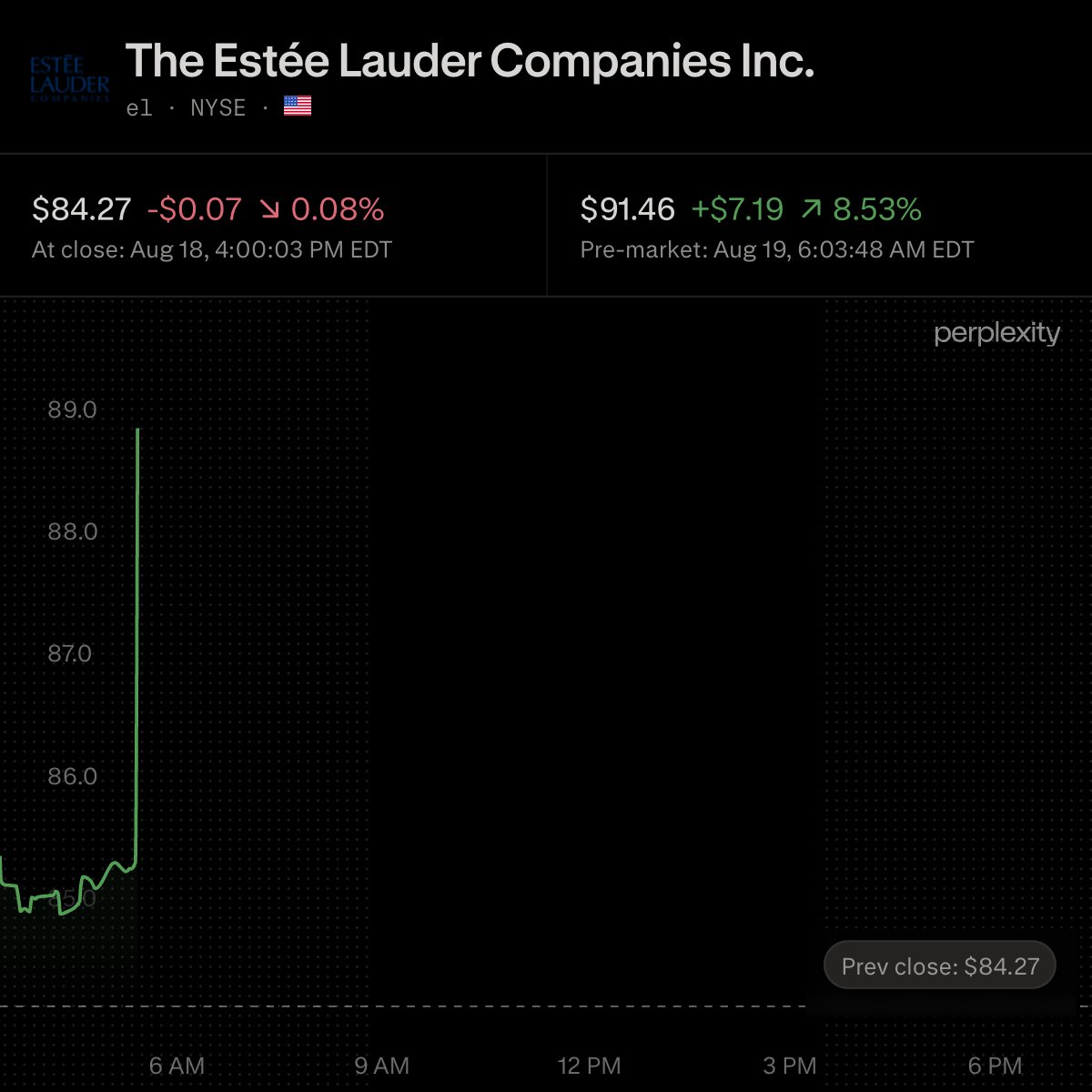
Estée Lauder reported fiscal fourth-quarter revenue of $3.63 billion and adjusted EPS of $0.39 on Aug. 19, topping expectations on both lines. The company also guided fiscal 2027 adjusted EPS to $3.10-$3.35, above the Street’s prior view.
The update extends a turnaround narrative that has been in focus since the company’s revenue slid for three straight years. Management has repeatedly pointed to prestige fragrance and China as key growth engines, and the latest results suggest those efforts are continuing to gain traction.
Shares were firmer in premarket trading after the release as investors parsed the report as another beat-and-raise quarter. The market is now watching whether the company can hold on to improved margins while it continues restructuring and refreshes distribution.
Estée Lauder said its Beauty Reimagined plan remains in place and highlighted ongoing supply-chain and manufacturing changes. For now, the headline for investors is less about a new strategy than about improved execution and a higher earnings outlook.
Target reported fiscal second-quarter net sales of $26.54 billion, up 5.3% from a year earlier, while comparable sales increased 3.8%, topping Wall Street estimates. The company also lifted its full-year net sales growth outlook to about 5% and raised its EPS guidance range.
The quarter extends the improvement Target signaled in May, when first-quarter sales rose 6.7% and the retailer raised its 2026 revenue growth target to around 4%. Management said gains were broad-based across categories, with digital comparable sales also advancing.
Profit was boosted by tariff refunds, which added $994 million to pretax income and $752 million to net earnings, or $1.65 per share. Investors are likely to focus on how much of the turnaround is driven by underlying demand rather than one-time items.
Target shares moved in premarket trading after the report, as the market weighed stronger comps and guidance against the one-time nature of the tariff refund benefit. The company said it is still early in its turnaround plan and that more work remains ahead.
How this story unfolded
2026-06-267 posts · 7 authors
Earnings
TJX lifts Q2 comp sales 6% and guides FY profit higher as it targets 7,500 stores
The retailer’s stronger quarter was overshadowed by a faster long-term store rollout that changes the market’s view of growth and returns
TJX reported another stronger-than-expected quarter, with comparable sales up 6% in the second quarter and full-year profit guidance raised. The company also said it will accelerate annual store growth to 4% starting in FY28 and lifted its long-term global store target to 7,500 locations.
The new store plan matters because it shifts the story from a pure earnings beat to a more aggressive expansion framework. For off-price retailers, more stores can extend the growth runway, but it also raises questions about margin discipline, capital intensity and the pace of cash returns.
The market reaction centered on TJX shares and sentiment across discount retail. Investors have long valued TJX for resilient demand from price-conscious shoppers, but the updated rollout plan pushed the stock into a fresh debate about how much growth is worth in terms of future returns.
Management said the higher store target reflects the long-term opportunity across its existing banners and current countries. The company framed the move as an extension of its growth model rather than a change in strategy.
Lowe’s reported second-quarter adjusted EPS of $4.40, ahead of the $4.22 consensus, while revenue came in at $25.96 billion versus estimates around $26.1 billion to $26.2 billion. Comparable sales rose just 0.2% year over year.
The update underscores continued pressure in U.S. home-improvement spending, where higher borrowing costs and sluggish housing turnover have restrained big-ticket projects. Earlier previews had flagged Lowe’s heavier exposure to the DIY customer, making demand trends especially important.
The bigger market focus is guidance. Lowe’s kept full-year sales at $92 billion and narrowed comparable-sales growth to flat from a prior range of flat to up 2%, signaling a more cautious view of the rest of the year. That matters for LOW and peer Home Depot because it offers a read-through on renovation demand and consumer willingness to spend.
Management also left its adjusted EPS outlook at $12.25 to $12.75. For investors, the combination of an earnings beat and softer revenue/guidance is likely to keep attention on margins, mix, and whether Pro and digital channels can offset weaker DIY demand.
Morgan Stanley has upgraded Honeywell Aerospace to Overweight and kept its price target at $205, according to market reports on Tuesday. The call marks a sharper stance than its earlier August note, which had already framed the stock as cheap on valuation grounds.
The backdrop is a company that has been working through execution and supply-chain constraints. Honeywell Aerospace had previously cut full-year guidance after reporting its first standalone quarterly results, and Morgan Stanley said at the time that the business still looked attractive if bottlenecks could be eased.
The stock has been trading against a mixed set of catalysts, with investors comparing its growth profile and margin trajectory with peers such as RTX and GE Aerospace. The latest upgrade shifts attention back to valuation, not to any new operating disclosure.
Separately, Business Wire reported on August 19 that Robbins Geller had launched an investigation into Honeywell Aerospace. That filing is an attorney announcement, not a regulatory finding, and it does not resolve the company’s operating issues or valuation debate.