Bitcoin fell to about $55,500 in Asian trading on Saturday, its weakest level since September 2024 and more than 50% below the record above $126,000 set on Oct. 6, 2025. Roughly $650 million of leveraged positions were liquidated within 60 minutes, according to Watcher Guru and Kobeissi Letter, after $385 million was wiped out in the prior five minutes. Ether fell below $1,550, XRP below $0.88 and SOL below $66.
The move extends a slide that began well before the weekend. Bitcoin broke below $60,000 during Friday's U.S. session, a four-month low, as technology shares weakened following Anthropic's market debut. U.S. spot bitcoin ETFs bled $582.3 million on Nov. 19, including a record $541.1 million exit from BlackRock's IBIT, taking November outflows to about $3.47 billion.
Leverage and fund structure have widened the weekend liquidity gap. Peter Schiff noted that ETF holders cannot sell until Monday's open, while Kobeissi Letter put the 45-day crypto market value loss at about $900 billion and the drawdown from the peak at $2.3 trillion. Strategy holds roughly 850,849 BTC against a cost basis of about $64.2 billion, worth about $50.2 billion as of Nov. 16.
Views on what comes next diverge. Fidelity's Timmer said he remains bullish on four-year-cycle and power-law math but acknowledged prices are back at the power-law support curve near $62,000. Ripple CEO Brad Garlinghouse attributed part of the selling to investors rotating into Anthropic shares, a claim some analysts have disputed.
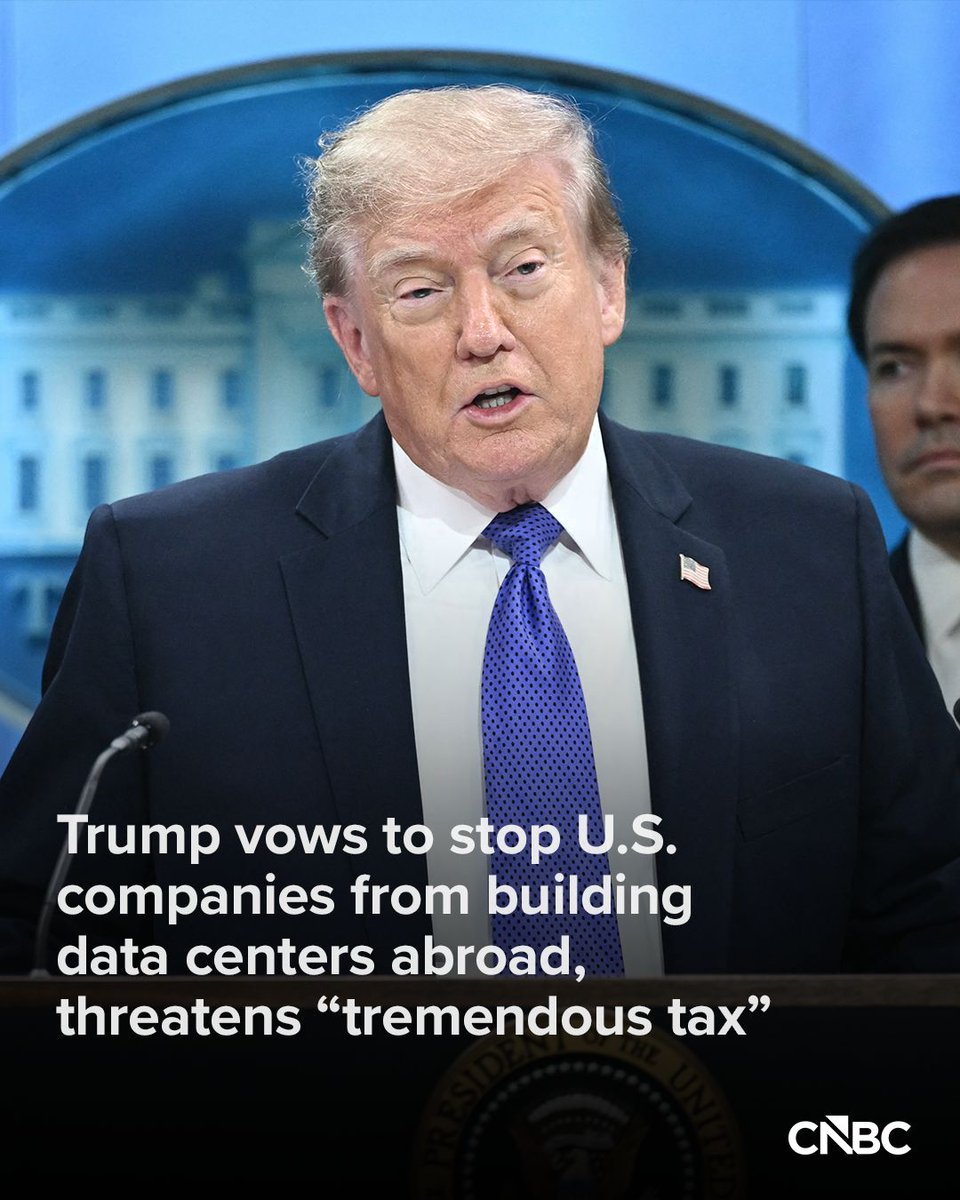
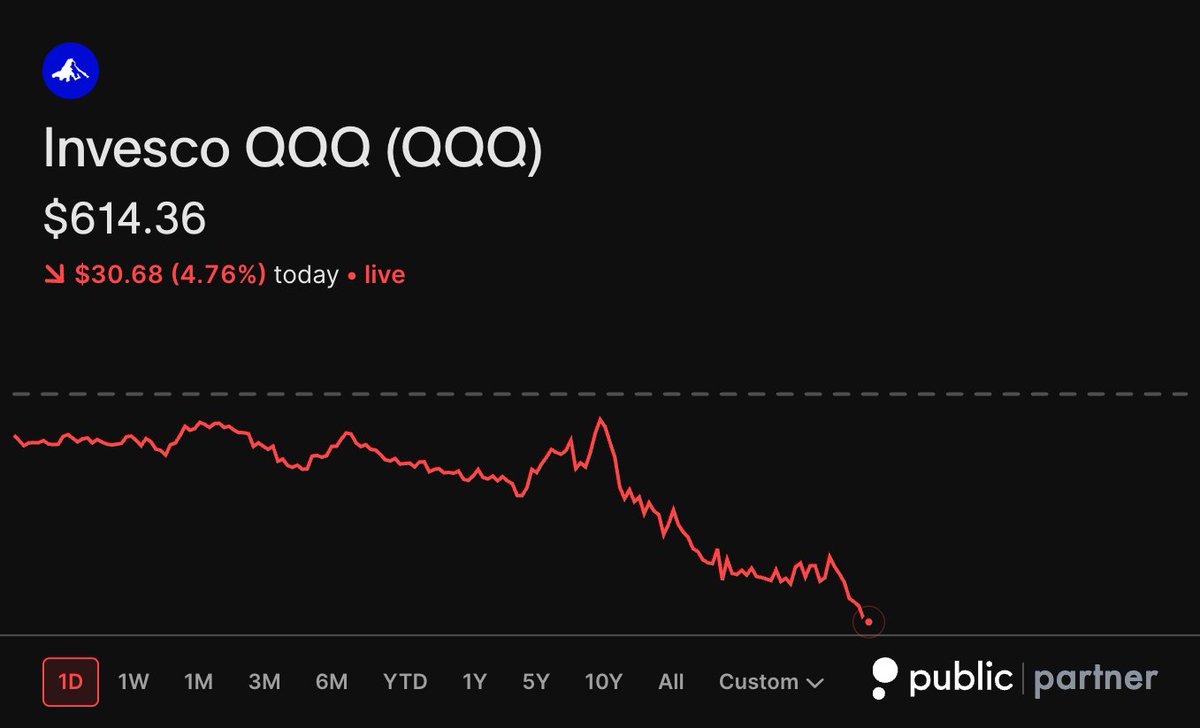
Trump Threatens "Tremendous Tax" on Overseas Data Centers; Nasdaq 100 Slides About 4%
No rate, legal authority or effective date was offered at the White House briefing, sharpening policy risk for overseas AI compute just days after Washington tightened remote chip-access rules.
President Donald Trump said at a White House press conference on Nov. 20 that U.S. companies will not be allowed to build data centers abroad and will face a "tremendous tax" if they do, arguing that "China will take all of them." He also urged U.S. communities to negotiate benefits from data center projects rather than reject them.
The remarks came after his Asia trip and days after the Commerce Department issued a rule requiring licenses for remote AI compute serving restricted countries, a move that had already hit Southeast Asian data center and chip-supply-chain shares. Trump said he had not told his staff about the proposal.
No tax rate, statutory authority, effective date or enforcement mechanism was disclosed, leaving investors unable to size the impact. The selloff in tech deepened: the Nasdaq Composite closed down 5.28% at 22,617.73, turning negative for the year, while the Nasdaq 100 fell roughly 4% intraday. Nvidia closed down 14.01% at $125.53, Meta fell 5.93% to $560.84 and CoreWeave dropped 12.02% to $39.51.
For neoclouds such as CoreWeave, Nebius and IREN, whose compute assets sit largely in the U.S., curbs on overseas buildouts could in principle keep demand at home. Their shares nonetheless fell with the broader AI complex, suggesting investors are pricing policy uncertainty and AI capex concerns rather than a single directional catalyst. No named company had publicly responded as of publication.
The U.S. Securities and Exchange Commission's investigation of Nvidia is now examining potential accounting issues, Reuters reported on Nov. 20, citing people familiar with the matter. Enforcement staff are looking at how the company recognizes revenue and what it discloses to investors. An SEC spokesperson declined to comment, and Nvidia spokespeople did not immediately respond to requests for comment.
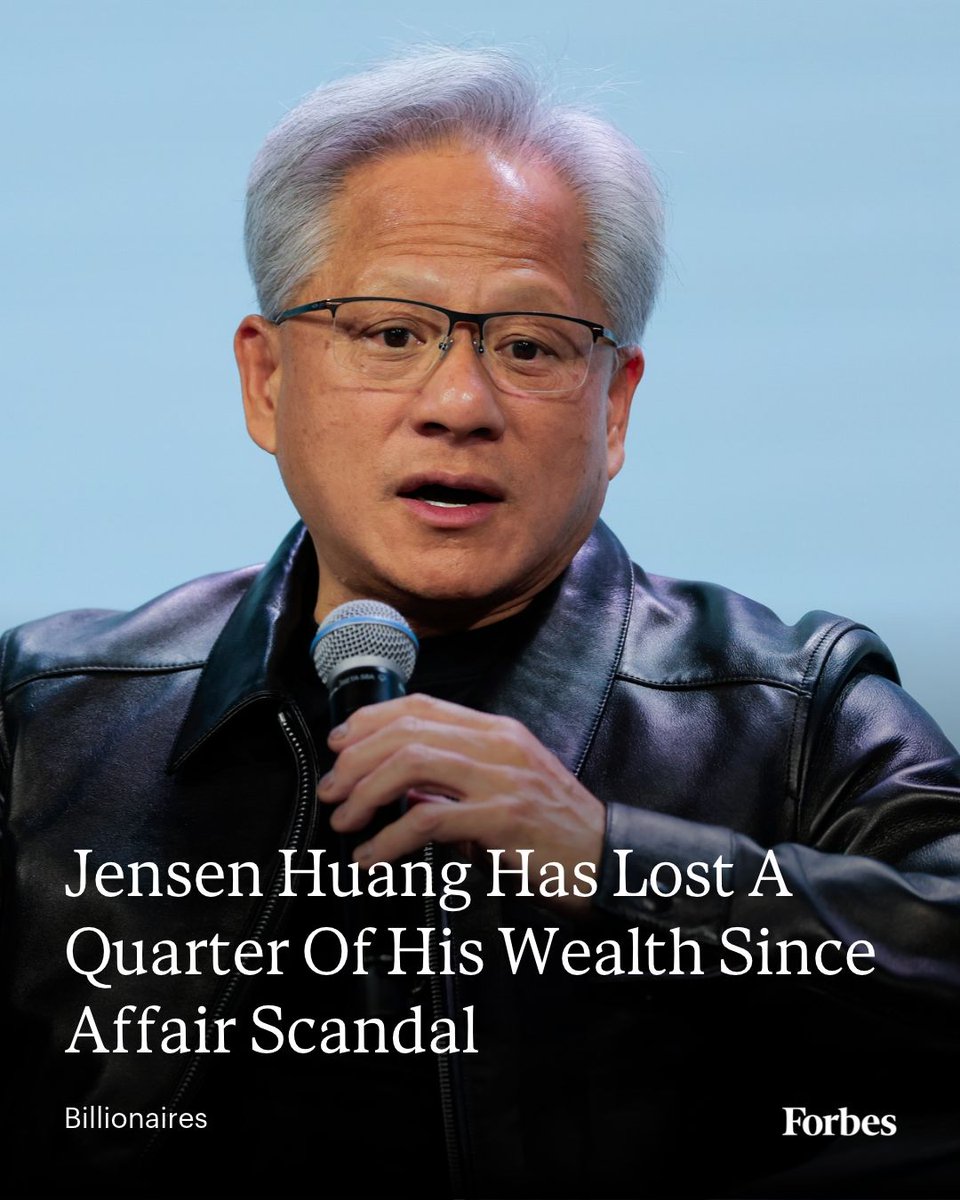
The accounting angle extends a probe that became public earlier in the week. The Wall Street Journal reported on Nov. 17 that the SEC opened a civil investigation into whether Nvidia misled investors in its disclosures following the departure of CEO Jensen Huang. Nvidia's board announced an independent investigation on Nov. 8, and Huang left on Nov. 12, with CFO Colette Kress named interim CEO.
The report landed on top of a brutal stretch for the stock. Nvidia closed at $125.53 on Nov. 20, down 14.01% for the day and 23% for the week, its steepest weekly decline since October 2008, with roughly $905 billion of market value erased over the five sessions. The slide came despite fiscal third-quarter revenue of $115.8 billion, up 103% year over year, and a $130 billion fourth-quarter revenue outlook issued on Nov. 17.
The concern has shifted from governance to the credibility of the numbers themselves. Nvidia remains a top-weighted S&P 500 constituent and the anchor of the AI capital-spending trade, so doubts about its financial reporting ripple across the sector; some strategists note utilities have held up better this week, though rates remain the dominant variable.
Board chair Harvey Jones said on the earnings call that the board does not intend to reinstate Huang, while Kress said the company's customer and partner relationships remain fully intact.
How this story unfolded
Markets🔥Developing
Nasdaq 100 drops 5.6% to the edge of a bear market as QQQ turns negative for 2026
Anthropic's 8.5% slide a day after its record IPO failed to steady the AI trade; roughly seven in ten Nasdaq 100 members are now 20% or more below their highs
The Nasdaq 100 fell 5.6% on Nov. 20 and 10.4% for the week, its worst weekly showing since 2020. QQQ closed at $609.75, 19.7% below its 52-week closing high and just $2.05 above the level that would mark a 20% bear market. The S&P 500 and Dow both closed in correction, and the Nasdaq Composite erased its 2026 gain.
The trigger was a reversal in the AI trade rather than any single data point. Anthropic priced its IPO at $83 a share on Nov. 18, raising $81.3bn in the largest listing on record, and closed its first session up 17.1% at $97.17. It gave back 8.5% to $88.91 on Nov. 20, dashing hopes the debut would anchor the sector. Nvidia fell 13.93%, its largest one-day drop in the records tracked by Quantisnow.
Breadth is thin. About 58% of Nasdaq 100 members are 20% or more below their highs by Schwab's count, and 71 stocks by Benzinga's. Traders on X flagged the 630 level on QQQ as the line in the sand, with VIX cited near 32; QQQ traded as low as $608.45 intraday.
The practical change for holders is that 2026 gains are gone: the Nasdaq Composite is down 2.7% year to date and QQQ is negative for the year, turning what began as an October pullback into a full round trip.
Levent Alpöge published a 175,187-file Lean archive a day after the company's IPO. If it holds, it would be AI's first Millennium Prize breakthrough — but peer review and the $1M award are far off.
Levent Alpöge, a research scientist at Anthropic, said on November 20 that he and Claude had "discovered a proof of the Riemann Hypothesis," and that the result extends to the stronger Generalized Riemann Hypothesis. Rather than a natural-language paper, he released a 14-part archive of 175,187 Lean 4 files, a format in which a proof assistant checks each step of the argument.
The conjecture, posed by Bernhard Riemann in 1859, holds that every nontrivial zero of the zeta function lies on the critical line. It is one of the seven Millennium Prize Problems for which the Clay Mathematics Institute offers $1 million; only the Poincaré conjecture has been settled. According to Scientific American, independent researchers including MIT's Andrew Sutherland have rebuilt the Lean proof without finding errors, though formal peer review, a match against Mathlib's standard statement and any prize determination remain outstanding.
The claim landed a day after Anthropic's market debut. The company priced its IPO at $83 a share on November 19, raising about $81.3 billion at a roughly $1.5 trillion valuation, and closed its first session at $97.17. On November 20 the stock fell 8.5%, finishing above its IPO price, as AI-linked and global tech shares slid.
The Clay institute has not ruled on the proof, and Alpöge framed his statement as a belief. A separate, non-AI proof was also posted the same day, leaving open whether either survives scrutiny.
Take-Two Interactive (Nasdaq: TTWO) said Friday that Rockstar Games' Grand Theft Auto VI generated $37.9 billion in day-one retail sales, a figure the company called the biggest entertainment launch ever. The release also disclosed 32.5 million units sold before launch and a Metacritic score of 99.
The game arrived Nov. 19 on PlayStation 5 and Xbox Series X|S after two delays pushed it from autumn 2025 to November 2026. On Nov. 9, Take-Two guided fiscal third-quarter net bookings to $33.5 billion–$35 billion, below the $35.1 billion analyst average; the day-one retail figure exceeds the top of that range.
The stock did not follow the headline higher. TTWO closed at $227.82 on Nov. 13, drifted to $208.65 on Nov. 19 and finished at $210.00 on Nov. 20, up 0.65% for the session. Coverage framed the move as a sell-the-news reaction, while Morgan Stanley and other analysts kept bullish ratings.
Definitions matter here: the $37.9 billion is Take-Two's own "day-one retail sales" measure, which includes pre-orders. Sensor Tower's independent estimate put launch day at roughly 24.58 million copies and about $2.36 billion. A widely shared prediction-market extrapolation of $1.38 trillion in annual revenue is an annualized projection, not a reported figure.
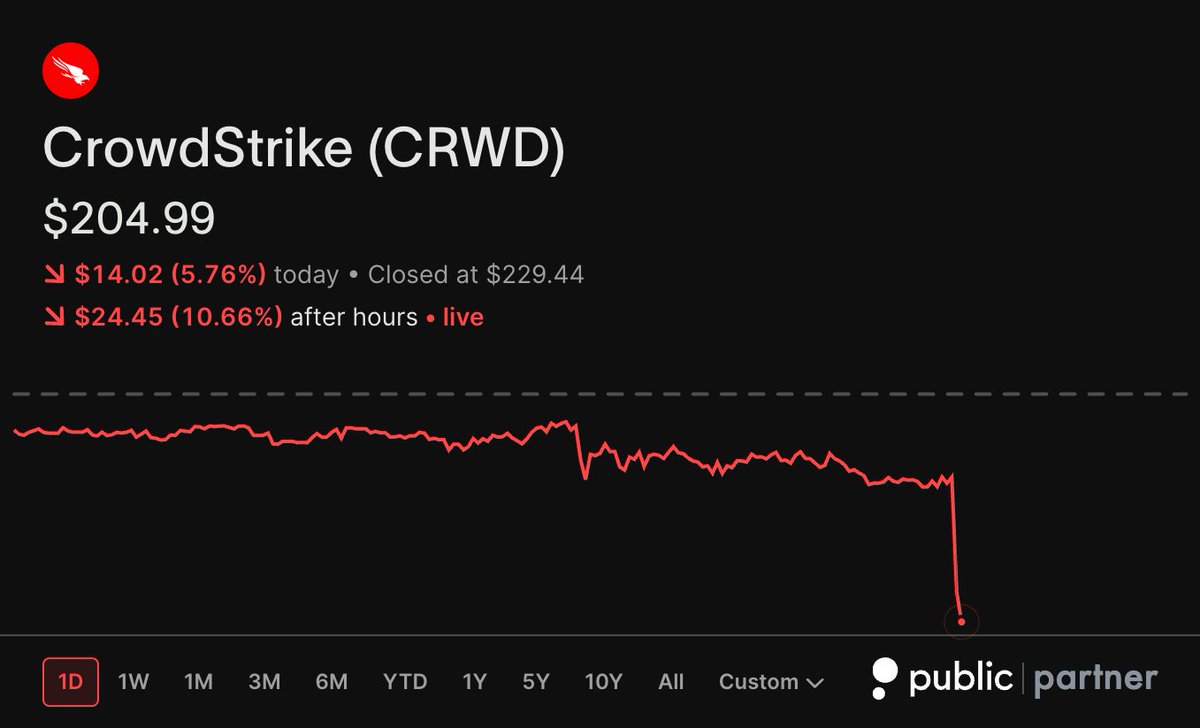
CrowdStrike is in talks to acquire Zscaler, according to people familiar with the matter cited by Bloomberg on Nov. 20, in what would rank among the largest deals ever in cybersecurity and create a company with a combined market value of roughly $265 billion. Reuters reported the same discussions, adding that no agreement has been reached and talks could still fall apart.
The two businesses overlap little. CrowdStrike's Falcon platform anchors endpoint and identity security, while Zscaler's zero-trust architecture covers the network, browser and AI-agent traffic between devices and the cloud. CrowdStrike has been an active acquirer, picking up SGNL, Seraphic Security, Onum and Pangea over the past year. Zscaler, valued at about $32 billion, has fallen roughly 13% this year, including a more than 30% single-day plunge in May after weak guidance and sales-leadership departures.
Investors split on the report: CRWD fell about 9% to 11% in extended trading while ZS rose about 18% to 20%. The reaction reflects concern over the premium and integration risk CrowdStrike would absorb versus the takeover premium Zscaler holders would capture. Peer Palo Alto Networks edged lower after hours.
Neither company has commented publicly, and no consideration structure has been disclosed. At Zscaler's current market value, any transaction would reset valuation benchmarks across the security sector.
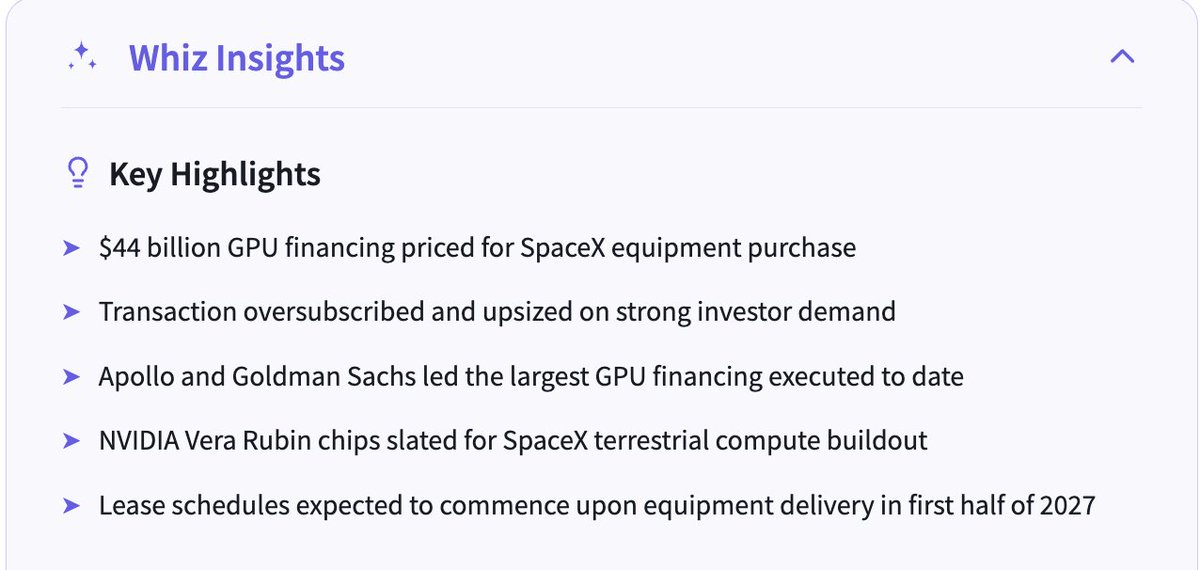
Apollo Global Management (NYSE: APO) and Goldman Sachs (NYSE: GS) said on Nov. 20 they priced roughly $44 billion of senior and subordinated notes to fund SpaceX's (NASDAQ: SPCX) purchase of Nvidia Vera Rubin chips and related equipment. The banks called it the largest GPU-backed financing on record, and said the deal was oversubscribed and upsized on strong demand.
The transaction extends a structure first disclosed on Oct. 26, when SpaceX announced an approximately $40 billion master finance lease for GPUs. Under the arrangement reported by Reuters, a special purpose vehicle managed by Apollo-backed Atlas SP buys the chips and leases them to SpaceX, with lease schedules beginning when equipment is delivered in the first half of 2027. BlackRock, Goldman Sachs Asset Management and KKR-advised accounts anchored the offering.
The pricing landed in a difficult week for the underlying hardware: Nvidia fell 23% over the week, its worst since 2008, after Reuters reported the SEC is examining potential accounting issues, and closed Friday at $137.05. Investors are watching whether chip-collateralized debt can hold its spread as AI-linked credit broadly widens, and what that implies for the cost of the next round of compute financings.
SpaceX and Nvidia did not comment further on the terms. Apollo and Goldman disclosed neither coupon nor yield in the release, emphasizing only the oversubscription and the upsized size.
How this story unfolded
Geopolitics🔥Developing
Iran's Araghchi keeps seven Hormuz conditions, offers to cut reopening window to two hours
Tehran also declared the June Islamabad Memorandum void, resetting talks; Brent has slid about 15% in November on returning Mideast exports
Iranian Foreign Minister Abbas Araghchi said in a state-media interview published on Nov. 21 that the Strait of Hormuz will stay shut until Washington meets Tehran's seven conditions, while offering to shorten the implementation window for reopening from two days to one day or even two hours. He said the two-day proposal remains on the table but that the U.S. must first signal seriousness and take confidence-building steps to ensure airstrikes do not resume.
Araghchi also said the Islamabad Memorandum of Understanding signed on June 17 is no longer on the table and has no practical relevance. That accord had envisaged a phased reopening of the waterway and an end to military operations, and the two sides agreed in August to extend a 60-day ceasefire; a seven-day version of the reopening plan was rejected by President Trump in September before being shortened to two days.
Oil has been the main transmission channel since Iran ordered the strait closed in March. Brent traded near $92 a barrel on Nov. 20, down roughly 15% over the month as recovering Middle East exports revived surplus expectations, according to Reuters and Trading Economics data; the United States Oil Fund (USO) closed at $138.67 on Nov. 20, down 0.69%. Any change in the reopening timetable feeds directly into crude futures and USO.
Washington's position remains the swing factor. Trump has called Tehran's terms unacceptable and claimed total control of the strait, while Iranian officials insist the seven conditions are not new. The sequencing dispute — U.S. compliance first or an Iranian reopening first — remains the sticking point.
How this story unfolded
2026-09-23
Company🔥Developing
Trump Again Urges Nvidia to Take Back Huang After a 'Big Apology,' but Board Has Ruled It Out
Huang resigned on Nov 12 over ties to Megaspeed's CEO; Nvidia is also facing an SEC accounting probe and a House inquiry
President Donald Trump said on Nov 20 that he wants former Nvidia CEO Jensen Huang to "make a big apology and go back," telling reporters that "if they were smart, they'd take that brilliant man, accept an apology, and let him go back to work." Trump added that he raised the matter with Chinese President Xi Jinping during a meeting in Shenzhen this week, and that Xi called Huang a "brilliant man." It was his second public endorsement of a Huang return since the resignation.
Huang stepped down as president and CEO on Nov 12 after reports that he had a relationship with the CEO of Singapore-based Megaspeed, a customer suspected of helping Chinese firms skirt US export controls. CFO Colette Kress is serving as interim CEO, and the House Energy and Commerce Committee has opened an inquiry. On Nvidia's Nov 17 earnings call, board chair Harvey Jones said the board "does not intend to reinstate Jensen as CEO."
Nvidia shares closed down 14% at $125.53 on Nov 20 and fell 23% for the week, erasing roughly $900 billion in market value — its worst weekly decline since 2008 — after Reuters reported the SEC had opened an accounting probe into the company's disclosures. Prediction market Kalshi put the odds of Huang's return at about 8-9%, and Bloomberg reported that reinstatement remains highly unlikely.
Nvidia did not respond to Trump's latest remarks. A petition urging the board to bring Huang back while an independent investigation proceeds has drawn more than 177,000 signatures, including support from Tesla CEO Elon Musk.
How this story unfolded
Regulation🔥Developing
Senate Intelligence Chair Cotton Withdraws Support for Lutnick Over Ignored Chip-Smuggling Warnings
Trump publicly backed his commerce secretary the same day, exposing a Republican split over how tightly to police Nvidia's China sales
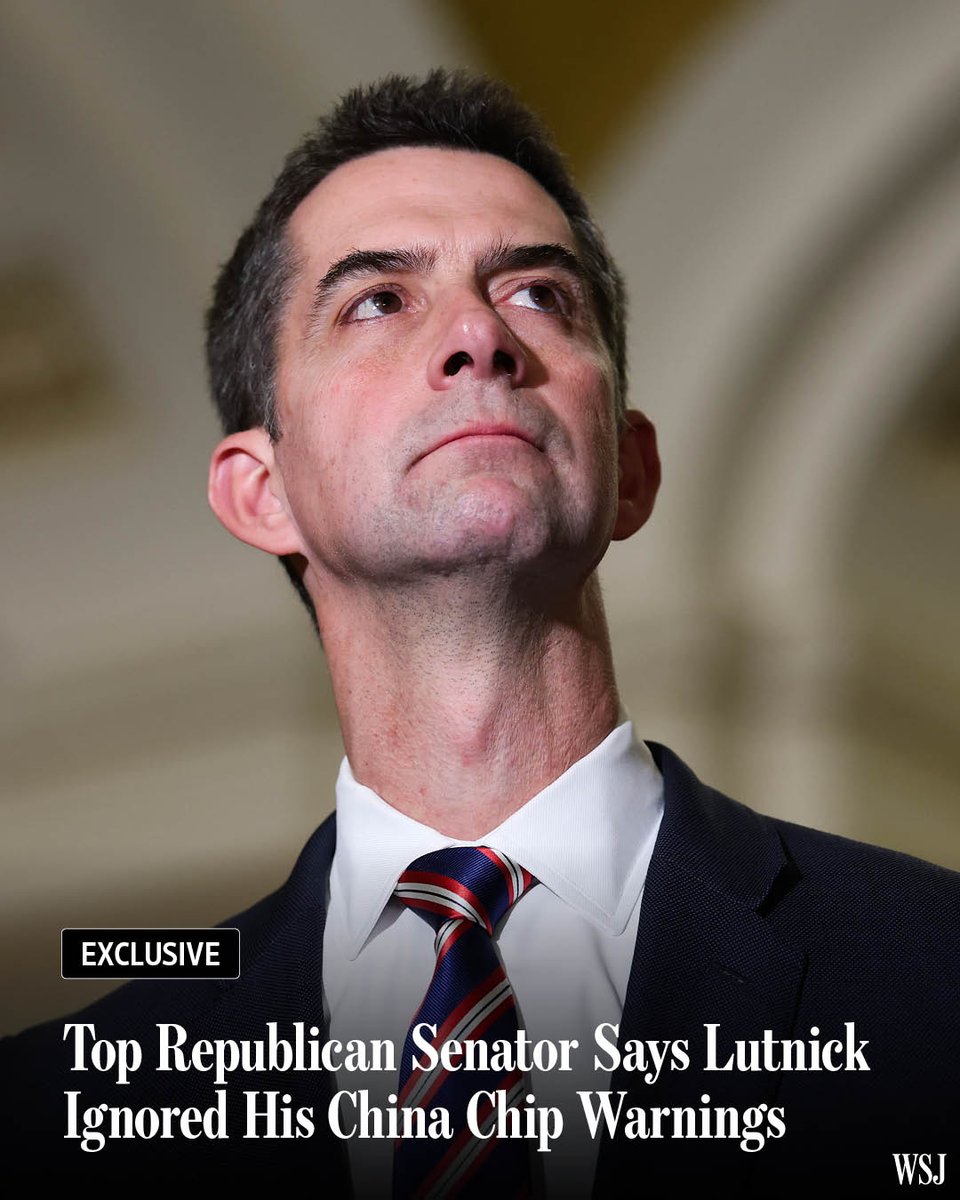
Senate Intelligence Committee Chairman Tom Cotton said Commerce Secretary Howard Lutnick and his deputies ignored more than a year of warnings about Nvidia AI chips being diverted to China, the Wall Street Journal reported on Nov. 20. Cotton said he wrote to the department in October 2025 asking it to investigate Singapore-based Megaspeed, a step he says never came. "If Howard Lutnick wanted my support, perhaps he should have responded to my many letters warning about these Chinese communist front companies," Cotton said.
Cotton stopped short of calling for Lutnick's resignation or dismissal but declined to endorse him, an unusual break from a senior Republican toward a cabinet member. The remarks land amid a widening controversy: earlier reporting said Commerce's Megaspeed inquiry was moved to the Justice Department after Nvidia contacted investigators, and DOJ is now pursuing a criminal probe. A Senate hearing on chip export controls is expected next month.
Chip stocks remained under pressure. Nvidia closed at $137.05 on Nov. 20, down about 6.1% on the day and well below levels above $220 in mid-October; AMD closed at $489.19, down roughly 7.7%. The concern for investors is that heavier congressional scrutiny could narrow the compliant China revenue channel for both companies.
The White House is standing by Lutnick. President Trump defended the commerce secretary's handling of the smuggling scandal on Nov. 20 and said he retains confidence in him, according to Bloomberg and Forbes. Megaspeed has denied wrongdoing, describing itself as a legitimate and lawful business.
How this story unfolded
Regulation🔥Developing
Two Nvidia server partners halt Southeast Asia shipments; third seeks new licenses for post-Nov. 19 orders
Washington's Nov. 16 interim rule puts Singapore, Malaysia, Thailand, Indonesia and Brazil on a licensing list, turning data-center orders into case-by-case reviews
At least two of Nvidia's server partners have suspended shipments to Southeast Asian customers, Nikkei Asia reported, with one halting all outbound shipments from Friday in compliance with new U.S. export rules. A third partner is still shipping and plans to apply for a new export license covering orders placed after Nov. 19.
The trigger is an interim final rule issued by the Commerce Department's Bureau of Industry and Security on Nov. 16 that requires licenses for advanced AI chip exports to Indonesia, Malaysia, Singapore, Thailand and Brazil, and extends controls to remote access for the first time. Overseas data centers serving Chinese AI firms have 90 days to obtain licenses, while U.S.-headquartered cloud providers can qualify for an exemption if they meet reporting requirements.
Southeast Asia had become a key route for compute capacity outside direct China restrictions, so a pause at the server-assembly and re-export layer disrupts delivery schedules for regional data-center projects. Nvidia closed at $137.05 on Nov. 20, down about 6.1% from $145.98 a day earlier, extending a November decline of more than 30%.
Nvidia has not publicly commented on the Nikkei report, and the partners have not disclosed the value of affected orders. How quickly licenses are granted will determine whether the halt is a short compliance pause or a longer delivery interruption.
How this story unfolded
Regulation🔥Developing
Jensen Huang agrees to public Senate hearing; date still unset
Banking Committee chair Tim Scott had sought Dec. 3 and threatened a subpoena; it would be Huang's first public testimony since resigning as Nvidia CEO on Nov. 12
Former Nvidia CEO Jensen Huang has agreed to appear at a public hearing before the Senate Banking Committee, Chairman Tim Scott said on Nov. 20. A Scott aide told Reuters that no date has been set; Scott's earlier letter had asked Huang to appear on Dec. 3 and warned the panel was prepared to consider a subpoena if he declined to come voluntarily.
The hearing stems from allegations about Huang's extramarital relationship with Nvidia executive Alice Huang, whom U.S. investigators suspect of ties to Chinese intelligence. Huang stepped down as CEO on Nov. 12 after 33 years at the company he co-founded; the board unanimously accepted the resignation and has said it does not intend to reinstate him, even after Huang said on Nov. 17 he would be honored to return. China's foreign ministry has flatly denied the espionage allegations, and Singapore's Ministry of Home Affairs said there was insufficient evidence that Alice Huang committed the suspected offenses.
The testimony adds to pressure from a separate front: Reuters reported on Nov. 20 that the SEC's investigation of Nvidia is examining potential accounting issues. Nvidia shares closed down about 14% at $125.53 that day, the biggest single-day drop since January 2025, capping a seventh straight weekly decline.
Scott has also asked Commerce Secretary Howard Lutnick to testify before the same panel on Dec. 10; Lutnick has agreed to appear. The committee invited Commerce Under Secretary Jeffrey Kessler to a Dec. 3 hearing.
How this story unfolded
2026-09-2318 posts · 17 authors
The guest list for the Trump-Xi state dinner was released, including Jensen Huang, who commented on AI fears.
Company
Son Sounded Out Wall Street on $1 Trillion SK Hynix Buyout; SoftBank Says It's Off the Table
SK Hynix says it has no knowledge of the report and notes foreign takeovers need Korean government approval; the target's market value dwarfs SoftBank's
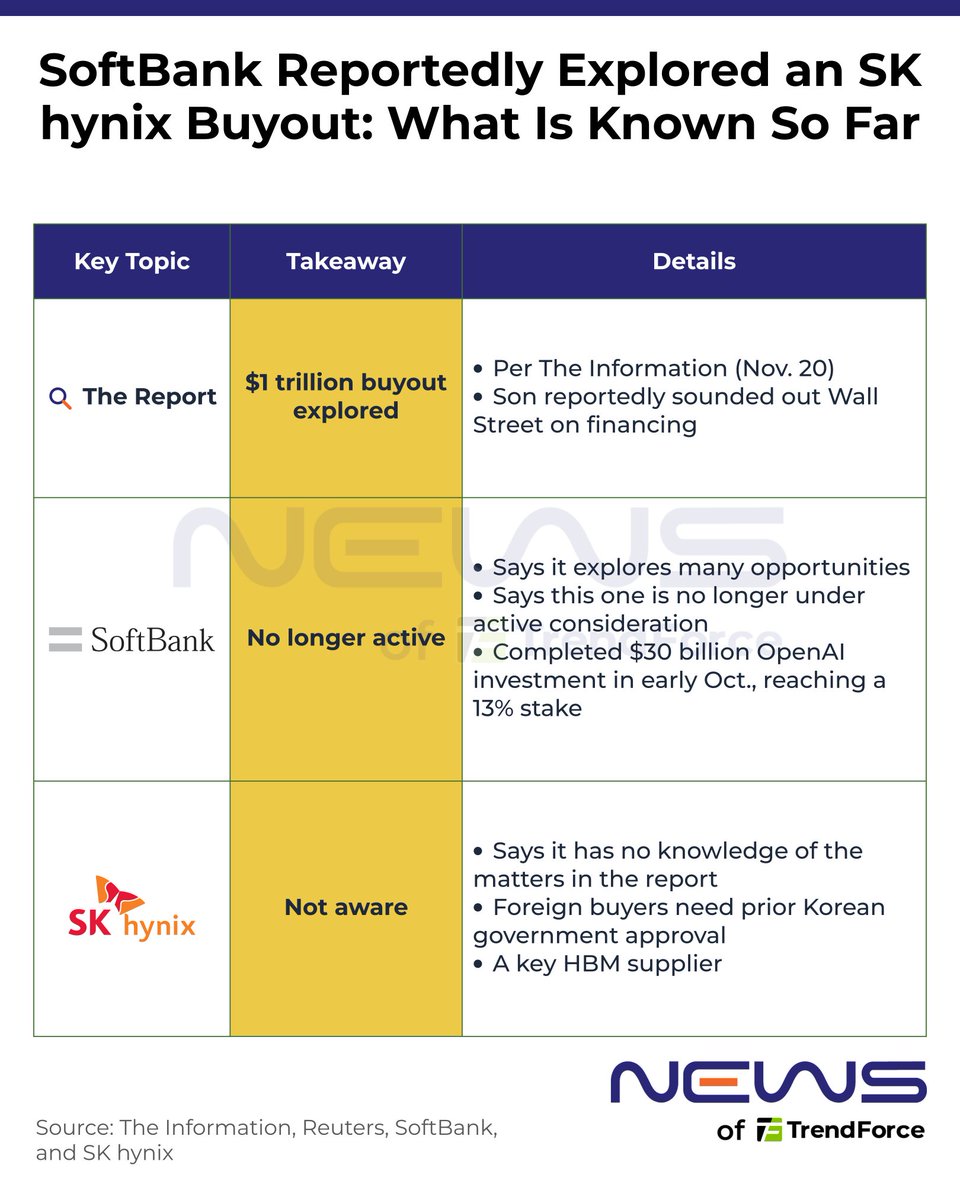
Masayoshi Son recently approached Wall Street institutions about financing a possible $1 trillion buyout of memory-chip maker SK Hynix, The Information reported on Nov. 20. A SoftBank spokesperson said Son is no longer actively considering such a deal, adding that the group reviews many opportunities.
SK Hynix said it had no knowledge of the matter and noted that under Korean law a foreign acquirer would need prior government approval. Whether SK Group would part with its flagship memory unit — a key supplier of HBM chips for AI accelerators — is a separate hurdle.
The arithmetic is daunting: SK Hynix's market value sits in a $578 billion to $730 billion range depending on the data source, while SoftBank Group is worth about $109 billion, meaning the mooted price is roughly nine times its own market capitalization. SK Hynix's ADRs (SKHY) closed at $103.57 on Nov. 20 after a sharp AI-led pullback; SoftBank (SFTBY) fell about 14.5% in Tokyo the same day.
The report lands amid heavy volatility in AI and memory stocks. SK Hynix disclosed on Nov. 20 that it will become Kioxia's largest shareholder with an indirect stake of about 14.1% after a bond conversion — an expansion path that contrasts with Son's mooted mega-deal. No party has confirmed the talks advanced beyond preliminary soundings.
Oracle said on Nov. 20 that it has secured all the funding needed to fulfill its infrastructure contract with OpenAI, after a final capital raise earlier in the month made it "the first hyperscaler fully funded for this investment cycle." The company said the financing outlined at its investor day, including vendor financing, is in place, and that any further private talks with vendors are merely additional options.
The contract dates to September 2025, when OpenAI agreed to buy about $300 billion of computing over five years, tied to up to 4.5 gigawatts of Stargate data-center capacity starting in 2027. Oracle's free cash flow turned negative $23.7 billion in fiscal 2026 as capex surged, and in early November it raised $20 billion through $10 billion of stock and $10 billion of senior notes, capping new capital-market funding at that level.
Oracle reiterated guidance for free cash flow to turn positive in the second half of fiscal 2028 and exceed $30 billion in fiscal 2029. Reuters reported the shares rose as much as 3.3% in after-hours trading on Friday, though the wider AI trade remains volatile after Nvidia's steep weekly decline.
Oracle preemptively addressed media reports that had not yet been published, saying vendor discussions are not required to meet its commitments. Investor litigation alleging the company misled shareholders over the OpenAI deal remains unresolved.
How this story unfolded
Regulation
YouTube Nears ~$3B Deal With Thousands of School Districts Over Addictive-Design Claims
A March jury already found its design negligent; the payout covers districts' counseling and monitoring costs and comes with teen-safety terms
YouTube has reached an agreement in principle to pay about $3 billion to thousands of U.S. school districts that accused it of designing an addictive platform that harmed students' mental health, Bloomberg reported on Nov. 20. Reuters, The Verge and others followed, all citing Bloomberg's sources.
The money would reimburse districts' "institutional costs" — expanded mental health counseling, monitoring software and similar spending — rather than individual families' injury claims. The cases stem from a consolidated group of roughly 1,200 school districts; in March a Los Angeles jury found Meta and YouTube negligent in a bellwether individual case, awarding $6 million with YouTube bearing about 30%. In May, YouTube, Snap and TikTok settled the first school-district bellwether case.
The deal is not final: it hinges on a majority of districts signing on and could take several months to close, according to the reports. For Alphabet the dollar figure is modest relative to its scale, but the reported teen-safeguard commitments carry compliance costs and set a template for remaining claims.
Alphabet has not publicly confirmed the report, and companies typically admit no wrongdoing in such settlements. Meta has already struck multibillion-dollar deals with states and districts, shifting the youth-design issue from courtroom verdicts toward system-wide payouts.
FDA Rejects Capricor's Duchenne Cell Therapy a Second Time; Shares Fall About 78% After Hours
The complete response letter cites serious data-integrity deficiencies in the HOPE-3 trial, leaving the cardiomyopathy cell therapy without a US approval path for now
Capricor Therapeutics said on Nov. 20 that the FDA issued a complete response letter for its Biologics License Application for deramiocel, the second rejection for the Duchenne muscular dystrophy cell therapy. The CRL states the agency does not consider the data sufficient to establish substantial evidence of effectiveness and cites other clinical deficiencies; a separate FDA statement said serious clinical trial data-integrity deficiencies in Study HOPE-3 render the data unreliable.
Deramiocel is an allogeneic cardiosphere-derived cell therapy initially aimed at DMD-associated cardiomyopathy and later narrowed to an upper-limb-function indication. The BLA won priority review in March 2025 and drew a first CRL that July; on July 29, 2026, the FDA's cellular, tissue and gene therapies advisory committee voted 9-3 against approval, and the PDUFA target date was pushed to Nov. 22.
The stock closed at $7.96 on Nov. 20, up 5.71%, before falling to about $1.63 in after-hours trading, a drop of roughly 78.5%. Capricor had already cut about 10% of its workforce in the third quarter and paused programs outside deramiocel, including its exosome platform; it held about $237.9 million in cash and equivalents as of June 30.
Capricor said it is "deeply disappointed" and noted that both HOPE-2 and HOPE-3 met their primary endpoints. The company scheduled a conference call for 8:30 a.m. ET on Nov. 23. A CRL does not permanently bar approval, but the company must address the data-integrity findings or supply new evidence.
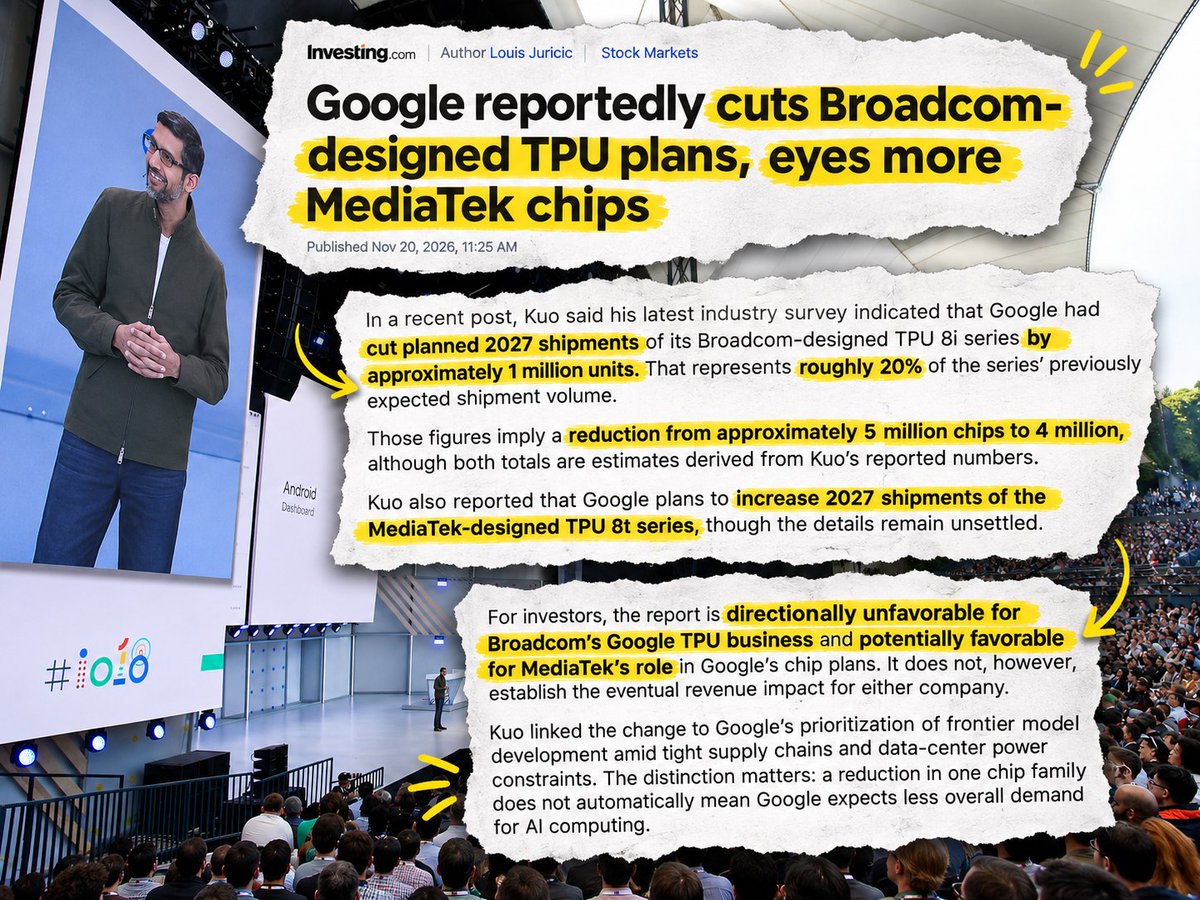
Kuo: Google Cuts About 1 Million Broadcom TPU 8i Units From 2027 Plans; AVGO Falls 11%
Broadcom's Google agreement runs through 2031, but MediaTek and Marvell are taking share of the TPU roadmap, forcing investors to reprice custom-silicon concentration risk.
TF International analyst Ming-Chi Kuo said in an X post on Nov. 20 that his latest supply-chain survey shows Google has cut planned 2027 shipments of Broadcom-designed TPU 8i chips by roughly 1 million units, or about 20%, concentrated in the higher-priced 8i Max/Whalefish variants. Google plans to raise 2027 shipments of the MediaTek-designed TPU 8t, though terms are not finalized, he said.
The report lands against a backdrop of a broadening supplier base. Broadcom disclosed in April a long-term Google TPU agreement running through 2031 and has guided AI chip sales above $100 billion for 2027, but Digitimes reported in June that MediaTek and Marvell were splitting TPU orders, and August reports added Marvell and AMD to the race.
The selloff centered on the custom-ASIC complex: Broadcom fell between 11% and 12% intraday, Marvell dropped about 10%, and Alphabet traded lower with the broader tech tape. The concern is order visibility for Broadcom's custom silicon business if roughly a fifth of 2027 TPU volume moves to MediaTek.
Neither Google nor Broadcom has publicly commented on the survey, and MediaTek has not confirmed the shift. Kuo's figures come from industry checks rather than company disclosure, leaving the actual scale of any order change to be tested by upcoming results and supply-chain data.
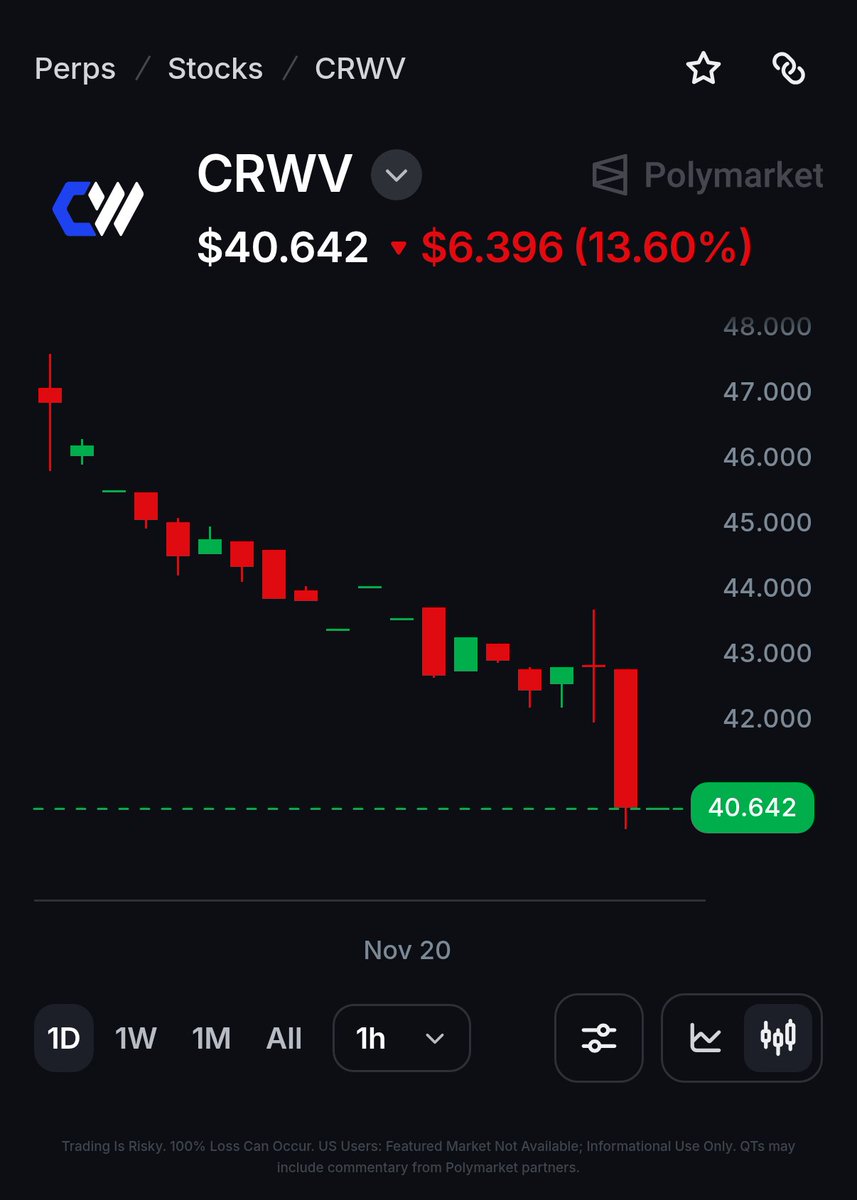
CoreWeave slips below its $40 IPO price, down about 78% from $187 peak
The AI cloud landlord's shares have now given back all of their post-listing gains, putting fresh scrutiny on a balance sheet built on debt rather than on its $132.5B contract backlog
CoreWeave (CRWV) briefly traded below its $40 IPO price from March 2025 on Nov. 21, roughly 78% below its all-time high of $187. The stock had closed near $46.04 a day earlier and is down about 25% over the past month.
The pressure is centered on the balance sheet rather than on demand. CoreWeave's disclosed contract backlog stands at about $132.5 billion, but rising interest costs and data-center delivery execution are seen as risks to converting that backlog into profit. Co-founder Brian Venturo recently put about $30 million into the company's discounted bonds, while the founding group had sold roughly $3.3 billion of stock.
The debate has therefore shifted from whether AI demand exists to whether it can be turned into cash flow. Some market participants argue the share price now discounts a sharp haircut to the backlog; if that assumption fails, equity and debt are pricing the same company very differently.
Separately, pre-market chatter said a charity associated with Nvidia CEO Jensen Huang had pledged $350 million to CoreWeave. That claim currently rests on a single low-credibility source and has not been confirmed by the company or the parties involved.
How this story unfolded
2026-09-234 posts · 4 authors
CoreWeave signed a multi-year deal with Harell Data to run AI training and inference on Nvidia A100 and H100 GPUs inside its secure platform.
Markets🔥Developing
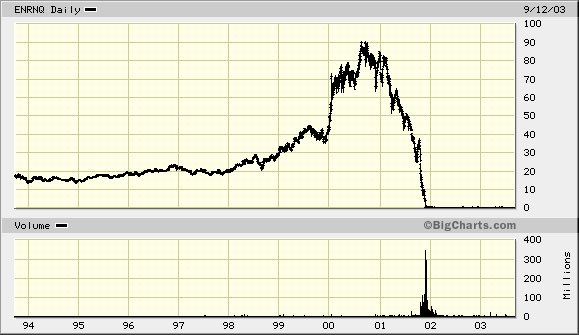
Nvidia has shed roughly $2.5 trillion in market value since its October peak — over 300 times what the whole company was worth when it replaced Enron
Nvidia entered the S&P 500 on Nov. 29, 2001 at about $7.8 billion; the selloff of the past six weeks has erased far more than that entire company was worth.
Nvidia closed down 14.01% at $125.53 on Friday, its seventh straight daily decline, capping a roughly 23% weekly drop — its worst week since 2008. At about 24.1 billion shares outstanding, the company is now worth roughly $3.0 trillion, down about $2.5 trillion from its Oct. 6 record close of $239.24.
The immediate trigger was a Reuters report on Friday that the SEC's investigation into Nvidia is focusing on potential accounting issues. The slide has continued despite fiscal third-quarter revenue of $115.8 billion, up 103% year over year, reported on Nov. 17, and follows CEO Jensen Huang's resignation on Nov. 12.
The comparison circulating on social media: Nvidia replaced Enron in the S&P 500 on Nov. 29, 2001, when it was valued at roughly $7.8 billion, as Enron slid toward bankruptcy. Measured against that figure, the past six weeks of losses amount to more than 300 times the entire company's value at index inclusion.
The parallel has limits. Nvidia's data center revenue reached $107.6 billion last quarter at gross margins near 75%, while Enron collapsed under accounting fraud. Nvidia did not immediately respond to a request for comment; the SEC declined to comment.
How this story unfolded
2026-11-174 posts · 4 authors
Journalist Bethany McLean, who exposed Enron, warns Nvidia's scandal could be 'both bigger and uglier.'
Macro🔥Developing
Warsh asks for a quieter Fed, but officials have spoken more than 20 times in a week
Ahead of the Dec. 9 meeting, Treasury Secretary Bessent publicly opposes a half-point hike as futures price only about a 4% chance of one
Fed Chairman Kevin Warsh has argued for less forward guidance, yet officials are talking more, not less. CNBC reported on Nov. 20 that policymakers continue to opine on the rate path, and a Reuters column counted no fewer than 20 public appearances by Fed officials last week alone, with sometimes conflicting views on inflation and rates.
The backdrop is a market that overwhelmingly expects a quarter-point increase at the Dec. 9 meeting. CME FedWatch puts the odds of a 50 basis point hike at roughly 4%, with about an 8% chance of no change. Warsh first floated a quieter Fed in his Jackson Hole remarks in August, but the volume of commentary has climbed since mid-October.
On Nov. 20, Treasury Secretary Scott Bessent told CNBC he would discourage a half-point move, citing an energy supply shock and a pullback in crude, and noted that one governor backing 50 basis points had sought a cut of similar size within the past year. A Treasury secretary weighing in on rate-setting adds to the noise before the meeting.
For markets, hike expectations are keeping duration buyers on the sidelines. AI infrastructure credit is also feeling it: CoreWeave's unsecured notes yielded above 15% in October and topped 16% in early November, while the stock rose 14.5% over the past week before closing down 12.02% at $39.51 on Nov. 20.
How this story unfolded
2026-09-243 posts · 3 authors
Company🔥Developing
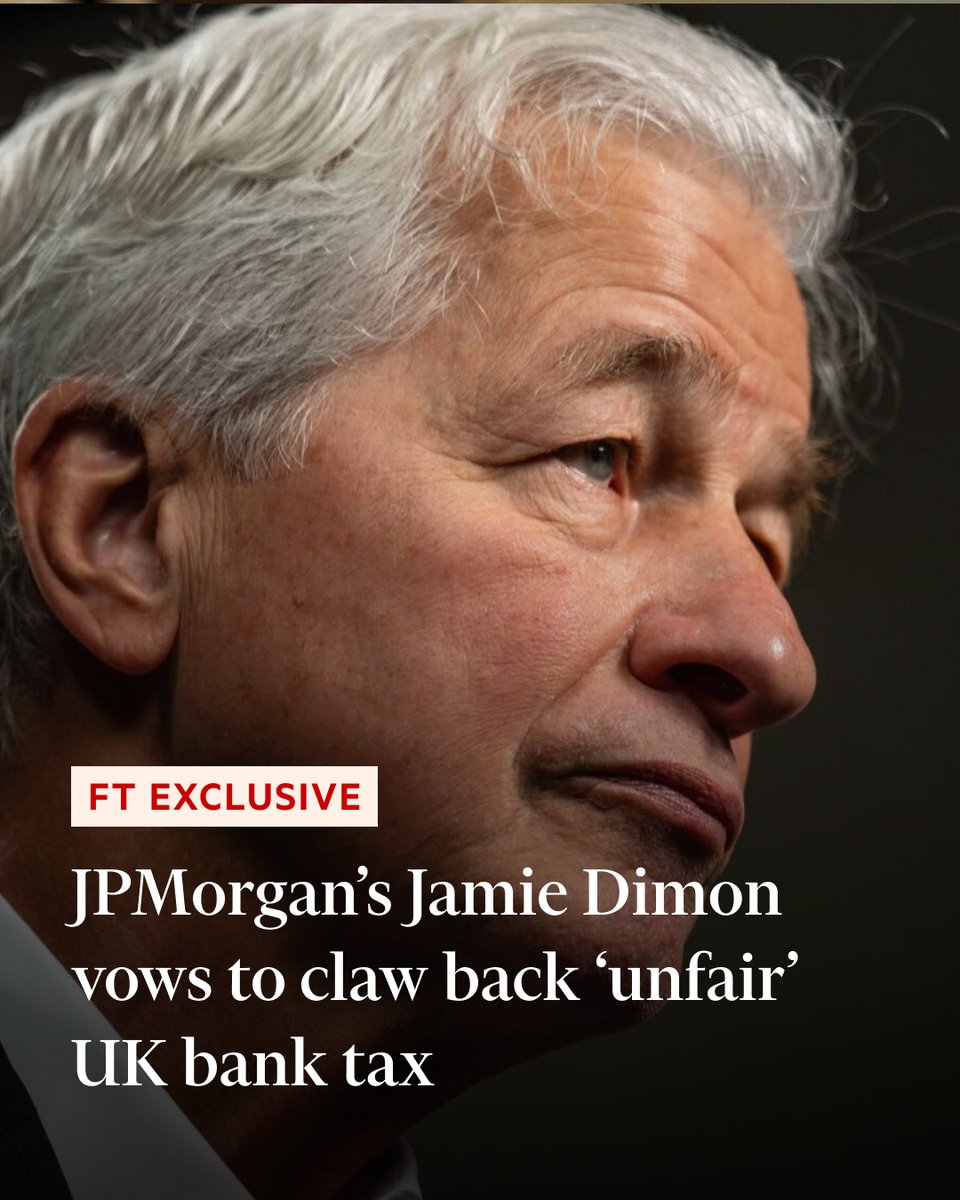
Dimon says JPMorgan will offset UK bank tax by cutting British spending, hiring and investment
Britain doubles its bank surcharge to 6% for 15 months from January; JPMorgan puts the extra cost at £100m-£150m, and Dimon wants politicians to see the trade-offs
JPMorgan Chase chief executive Jamie Dimon said he intends to set "an example" by finding ways to offset the UK government's bank tax increase through cuts to the bank's spending, hiring or investment in Britain, so that politicians "understand the trade-offs of these unfair penalties." The remarks were reported by the Financial Times and picked up by Zerohedge, FinancialJuice and other outlets.
The tax in question is the bank corporation tax surcharge, which Chancellor John Healey doubled from 3% to 6% for 15 months in his first Budget on 28 October, effective from 1 January 2027. Sky News reported that the change will cost JPMorgan an additional £100m-£150m, while the Telegraph said the bank has already paid £5.5bn in bank-specific taxes. JPMorgan employs about 23,000 people in the UK.
Dimon has used the bank's UK footprint as leverage before: in May he said JPMorgan could scrap its roughly £3bn Canary Wharf headquarters, designed for up to 12,000 staff, if bank taxes rose further, though the bank said on Budget day that it would press ahead with the tower. The latest threat shifts the pressure from one-off capital spending to recurring operating costs, a signal watched by UK-focused peers such as HSBC and Barclays.
JPMorgan shares have also faced technology-related scrutiny after reports of a third-party data breach following a banking outage, adding to concerns about cyber resilience and rising costs. The UK Treasury has not publicly responded to Dimon's latest comments.
How this story unfolded
Company
KKR in talks to buy EdgeCore majority stake at $8bn-$10bn valuation
The deal would be the largest deployment yet from KKR's $11bn Helix AI infrastructure vehicle, testing data-center valuations as AI sentiment cools
KKR is in negotiations to acquire a majority stake in data-center operator EdgeCore Digital Infrastructure from Partners Group, in a deal that could value the company at $8 billion to $10 billion, Bloomberg reported. No agreement has been signed and terms could still change.
KKR would fund the purchase through Helix Digital Infrastructure, the AI infrastructure vehicle it launched in June with roughly $11 billion in commitments, including capital from Nvidia. EdgeCore operates 2.27 gigawatts of capacity across Virginia, Arizona, Nevada and California.
The talks land in a sharply weaker market for AI-linked assets: Nvidia shares fell 23% over the week, their worst weekly performance since 2008, as investors reassessed the pace of compute capital spending. A deal in the reported range would give public data-center REITs such as Equinix and Digital Realty a fresh valuation marker.
KKR, Partners Group and EdgeCore have not publicly commented on the negotiations.
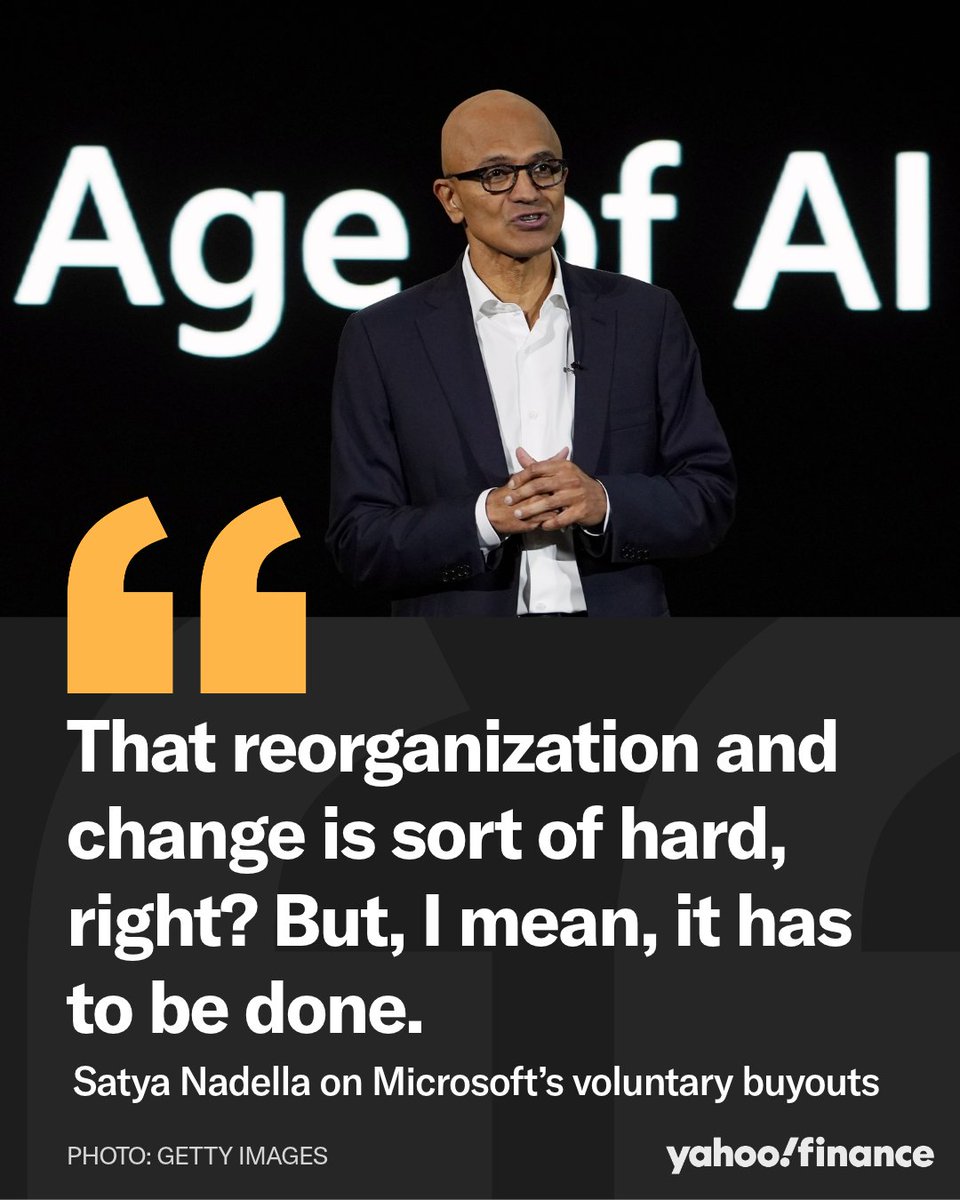
Nadella Says AI Drove Microsoft's 60,000 Buyout Offer, Insists It's Reorganization Not Replacement
The largest voluntary exit program in Microsoft's history, announced Oct. 26, has an early-December decision deadline; the CEO used DealBook to recast the "AI layoffs" narrative as job redesign.
Microsoft CEO Satya Nadella on Nov. 18 publicly explained for the first time why the company offered buyouts to roughly 60,000 employees in October, saying the driver was AI-driven reorganization rather than replacing people with the technology. The goal, he said at the New York Times DealBook Summit, is to restructure Microsoft so every job centers on managing AI, instead of pursuing another round of mass layoffs.
The program was announced on Microsoft's official blog on Oct. 26 and covers about 60,000 employees in the U.S., Canada, the U.K. and India — more than a quarter of its roughly 223,000 global workforce — with no age or tenure requirement, making it the largest buyout offer in company history. Employees must decide in early December, with participants leaving on Dec. 31. It is Microsoft's second such program this year; about one-third of eligible employees accepted the first round in April.
Nadella also pushed back on fears that AI is displacing software engineers, saying software engineering is "very much alive" and will thrive, with what changes being how teams are built and what the work involves. The remarks followed fiscal Q1 2027 results (quarter ended Sept. 30) showing revenue of $92.3 billion, up 19%, and Azure growth of 48%, as Microsoft leans on workforce reductions to offset heavy AI infrastructure spending.
For MSFT, investor focus is on the take-up rate, the charges incurred and the eventual labor-cost savings, plus whether Microsoft discloses participation numbers around the early-December deadline. The company has framed the offer as giving employees a choice rather than as layoffs, and has not disclosed how many employees it expects to accept.
Markets🔥Developing
Burry Cashes Out Half of Nvidia Puts, Keeps $140 February 2027 Contracts
With Nvidia down 23% in its worst week since 2008, the bear is banking gains rather than pressing the bet
Michael Burry said in a Friday update to subscribers of his "Cassandra Unchained" Substack that he sold 50% of his put options on Nvidia as well as half of his bearish position in the VanEck Semiconductor ETF (SMH), locking in gains after the AI trade's latest leg down. He did not exit the short outright: puts struck at $140 and expiring in February 2027 remain in place, alongside Nasdaq-100 puts.
The disclosure landed on the same day Nvidia closed at $125.53, down 14.01%, capping a 23% weekly slide — its worst since October 2008 — that erased roughly $900 billion in market value. Reuters reported that the SEC is examining the company's accounting practices, adding to pressure that began with CEO Jensen Huang's departure.
For traders, the partial exit reads as profit-taking by a prominent bear rather than a change of view. Burry also raised his MercadoLibre stake by 20% and pointed to "absolute relative strength" in select healthcare names. Nvidia is the largest holding in SMH, so the chip ETF's puts track the stock closely.
Burry had already closed all of his December 2026 Nvidia puts on September 9 to avoid rapid time decay; Friday's sale covers half of what remained. Nvidia has said it is cooperating with the SEC review and has not commented on Burry's positions.
How this story unfolded
2026-09-2335 posts · 27 authors
Copper hits record high; Burry discloses new shorts in MU, NBIS, and others, plus long positions.
Markets🔥Developing
Anthropic's ANT falls 8.5% on day two as three issuers ready 2x ETFs for Monday
The Claude maker closed at $88.91 after a 17% debut pop, and leveraged products arrive into a stock that has already round-tripped
Anthropic (Nasdaq: ANT) priced its IPO at $83 a share and closed its first session at $97.17, up 17%. On Friday, Nov. 20, the stock fell 8.5% to $88.91, having traded as low as roughly $83.10 intraday, giving back nearly all of its debut gain as the Nasdaq erased its 2026 advance and the S&P 500 and Dow slid into correction territory.
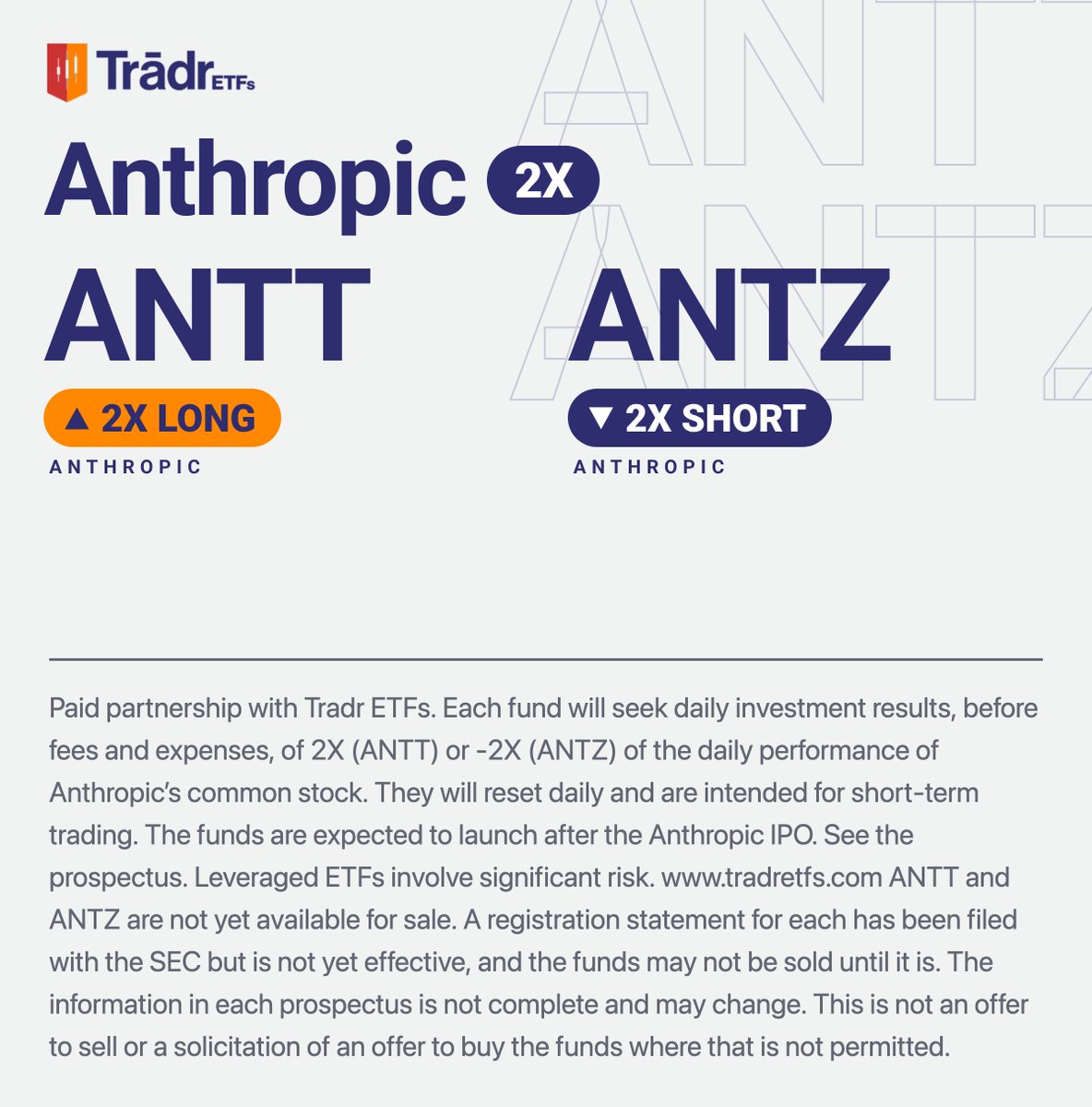
Leveraged-ETF issuers are moving in fast. Tradr ETFs said ANTT (2x long) and ANTZ (2x short) are expected to begin trading on Cboe on Monday, Nov. 23. Defiance's ANTC and ANTQ, and Leverage Shares' ANUU, ANDD and ANSS (1x short), are slated for the same day. According to Leveraged Position, eight issuers have cleared 2x and inverse Anthropic products to list once ANT trades.
Single-stock leveraged ETFs reset daily, targeting 200% or -200% of the underlying's move for that session rather than a multiple of cumulative returns. With ANT swinging from a $111.50 open to $88.91 in two sessions, compounding and volatility decay can sharply raise the cost of holding these funds, which are designed as short-term trading vehicles.
For the market, the arrival of geared and inverse products two sessions after listing widens both the long and short toolkit around ANT and could amplify intraday moves. Issuers cautioned that leverage carries significant risk, and the launches remain contingent on registration statements taking effect and exchange approval.
How this story unfolded
Company
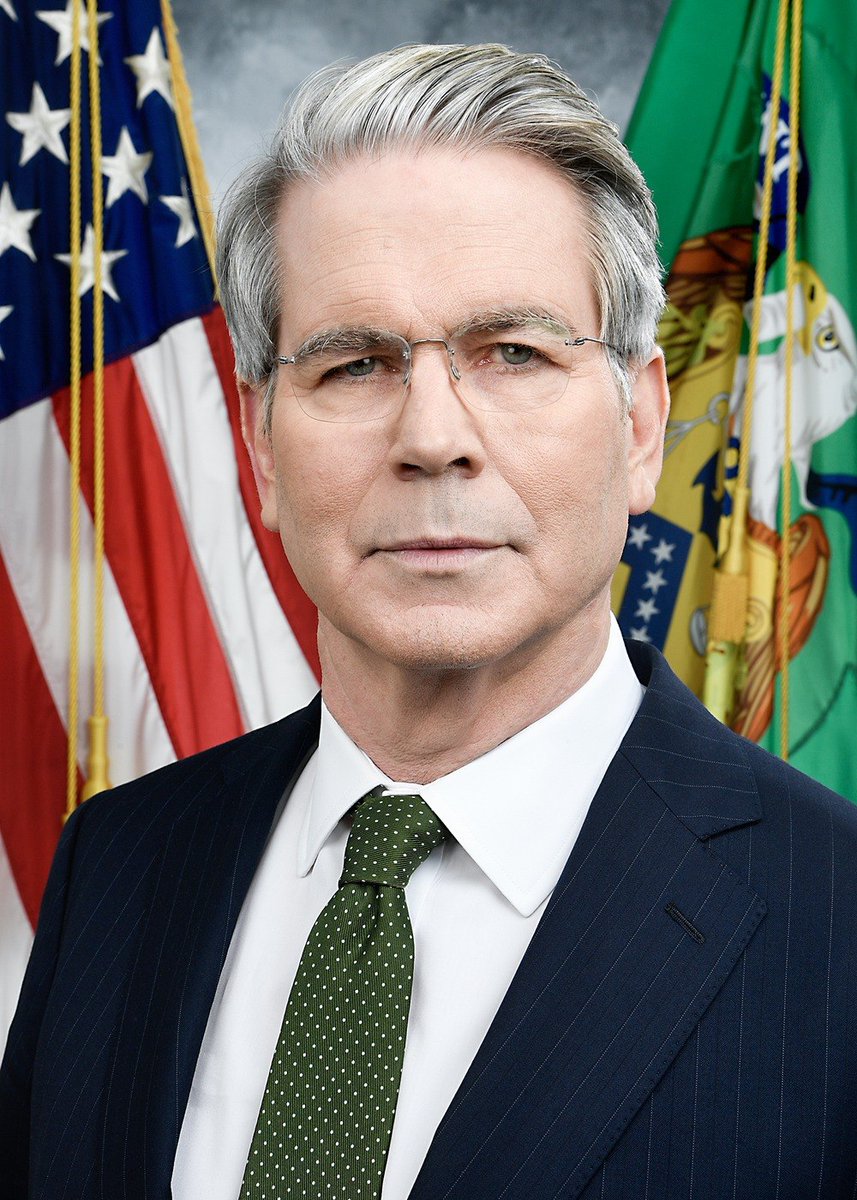
Bessent says an Anthropic co-founder will make a 'large gift' to Trump Accounts, weeks after the company's IPO
The Treasury chief named no donor and no amount on CNBC; Reuters later identified co-founder Tom Brown, with the size of the gift still undisclosed
Treasury Secretary Scott Bessent said on Nov. 20 that one of Anthropic's founders will make a "large gift" to Trump Accounts, the federal investment-account program for children, within the next few weeks. Speaking to CNBC, he did not name the founder or give a figure, describing Anthropic as an "AI national champion." Reuters later reported, citing a source, that the donor is Anthropic co-founder Tom Brown; the amount remains undisclosed.
The pledge follows Anthropic's record IPO this week: the company priced at $83 a share on Nov. 18, raising about $81 billion at a valuation of roughly $1.5 trillion, and opened at $111.50 on Nov. 19 before closing near $97. Forbes estimates put each of the seven co-founders in the tens of billions of dollars, with Brown among the largest holders.
Trump Accounts have drawn two other headline commitments: Elon Musk's pledge of $10 billion of SpaceX (SPCX) stock and a $6.25 billion commitment from Michael and Susan Dell. A completed Anthropic gift would be the first from an AI company founder, though neither the size nor the form — cash or shares — has been specified.
Anthropic (ANT) closed down about 8.5% on Friday near $88.30, still above its IPO price, as the Nasdaq erased its 2026 gains amid a broader AI selloff. Anthropic did not publicly comment on the donation.
Trump Backs Jensen Huang's Return at Nvidia, Says He Raised It With Xi
The president's public push collides with a board that has already ruled out reinstating Huang, as an SEC accounting probe deepens the chipmaker's troubles
President Donald Trump said on Nov. 20 that former Nvidia CEO Jensen Huang "made some bad decisions" but is "a brilliant person," and that he would like to see Huang apologize and return to the chipmaker. Trump also said he briefly raised Huang's situation with Chinese President Xi Jinping during their meeting in Shenzhen this week, and that Xi likewise called Huang a brilliant man.
Huang resigned as Nvidia's president, CEO and director on Nov. 12 after reports of extramarital affairs, including one involving a woman identified by U.S. intelligence as a Chinese spy. Nvidia named CFO Colette Kress as interim CEO; board chair Harvey Jones said the board unanimously accepted the resignation and does not intend to reinstate Huang, a position Kress reiterated to staff this week.
The stock fell about 23% over the week, its worst weekly performance since 2008, and dropped more than 8% on Friday after Reuters reported that the SEC is examining the company's accounting. Investors are weighing both the leadership vacuum and disclosure and China-compliance risk.
Neither the White House nor Nvidia elaborated on the gap between the president's remarks and the board's position. The intervention in a public company's succession, alongside an active regulatory probe, is likely to sharpen scrutiny of the boundary between government and corporate interests.
How this story unfolded
2026-09-238 posts · 8 authors
A list of business executives invited to the Trump-Xi state dinner circulated widely on X.
Company🔥Developing
NYT Report Revives 2007 Lawsuit Alleging Huang Used Humiliation to Manage Nvidia Staff
The report says Nvidia reached a confidential settlement with a former employee; Huang has resigned as CEO and the board says it won't reinstate him
The New York Times reported on Nov. 20 that Nvidia co-founder Jensen Huang ran the company for decades by publicly humiliating staff, citing more than a dozen sources and saying Nvidia once reached a confidential settlement with a former employee. Bloomberg reported the same day that two Nvidia employees complained about how Huang treated staff roughly two decades ago, allegations contained in a 2007 California lawsuit; one of them was Stephen Pettigrew, the company's first in-house lawyer.
Some of the claims had surfaced earlier: Michael Winston, then senior vice president for human resources, filed a complaint in 2005 alleging he was fired after objecting to Huang's conduct. A representative for Huang denied the allegations. The Times also reported that Huang told employees they had become too wealthy to motivate with money and that humiliation was the only remaining lever.
The report lands amid a broader governance crisis. After an October New York Times report that Huang was the target of a foreign intelligence operation, the board opened an independent investigation; Huang resigned as CEO on Nov. 12, with CFO Colette Kress serving as interim leader. Board chair Harvey Jones has said the company does not intend to reinstate him.
Nvidia shares closed at $125.53 on Nov. 20, down about 14% on the day and 23% for the week, the worst weekly slide since 2008, after Reuters reported the SEC is examining potential accounting issues. A petition calling for Huang's return has drawn more than 180,000 signatures, and President Trump has publicly urged his reinstatement, leaving the governance question central to the AI trade.
How this story unfolded
2026-09-23
Markets🔥Developing
Gold posts worst week in eight months as silver sinks 66% from January peak
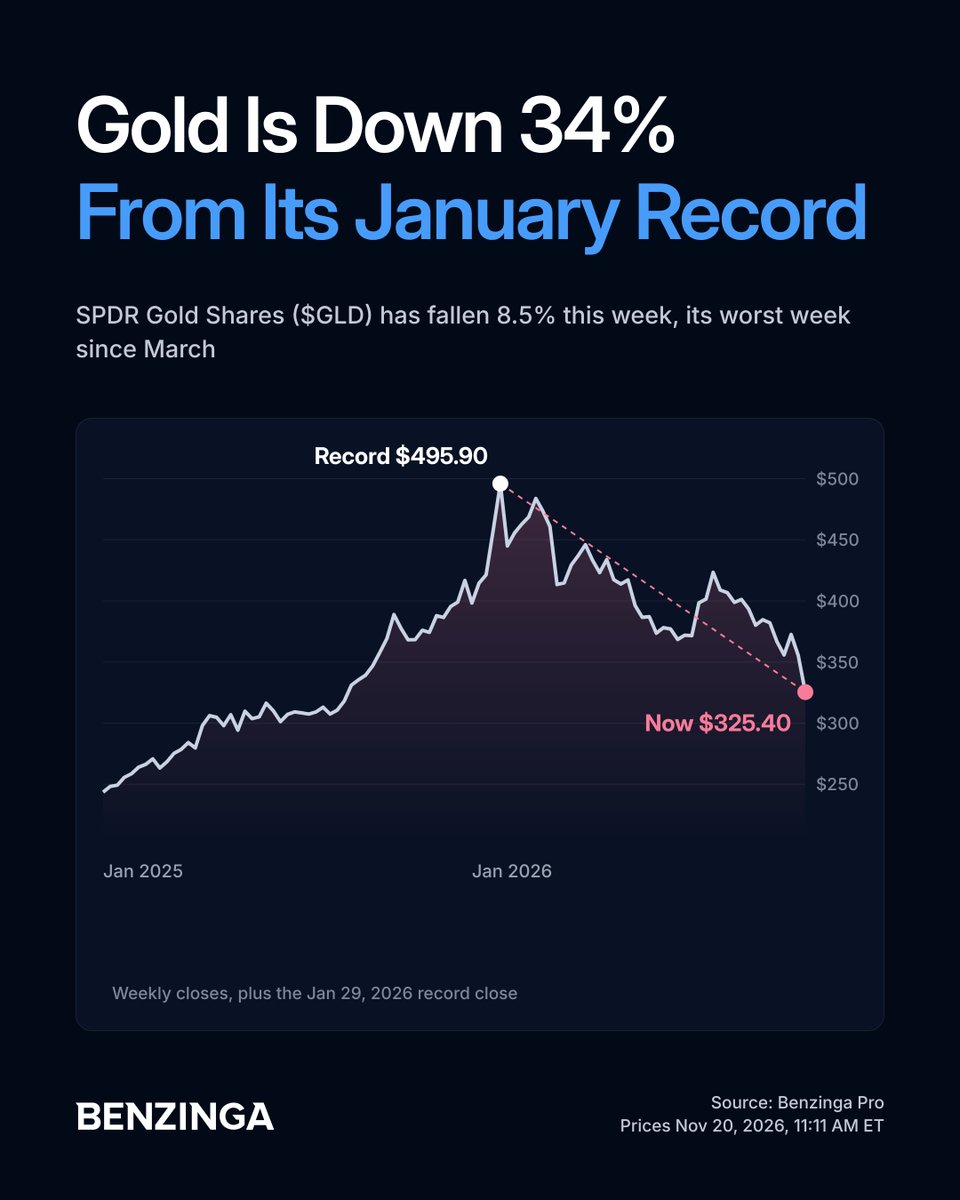
AI-stock rout and rate-hike bets knocked havens and risk assets down together; GLD fell 8.5% this week, its worst since March
Spot gold fell about 3% to $3,514.08 an ounce on Nov. 20 after touching $3,502.49, its lowest since September 2025, and lost roughly 8.9% on the week — its steepest weekly drop since March. December futures settled 4.6% lower at $3,515.40.
Silver has fallen further. Barchart put the metal 66% below its January all-time high, trading near $48.50 an ounce intraday on Nov. 20; exchange data showed London silver closing at $41.52, about two-thirds below the record above $121.60 set on Jan. 29. Copper, bitcoin and equities sold off in the same session, with the Nasdaq down 5.28%.
The damage reached ETFs and miners. SPDR Gold Shares (GLD) is 34% below its January record and down 8.5% this week, its worst week since March. VanEck Gold Miners ETF (GDX) fell about 3.5% to roughly $68, near its 52-week low of $68.01 against a 52-week high of $117.18.
Strategists point to liquidity rather than fundamentals. Saxo's Ole Hansen cited a dash for cash, dollar strength, the AI selloff and deeply negative momentum as forces overriding everything else, while Eurizon's Stephen Jen asked whether the drivers are risk aversion and liquidity needs or the start of growth worries. Peter Schiff argued the debt-and-inflation case for gold remains intact.
How this story unfolded
2026-09-23
Markets🔥Developing
S&P 500 enters correction as tech's index weight slides to 34.3% from 40.2%
An AI-trade unwind and Anthropic's 13% post-IPO drop pushed money into staples; tech's outsized weighting magnified the index decline
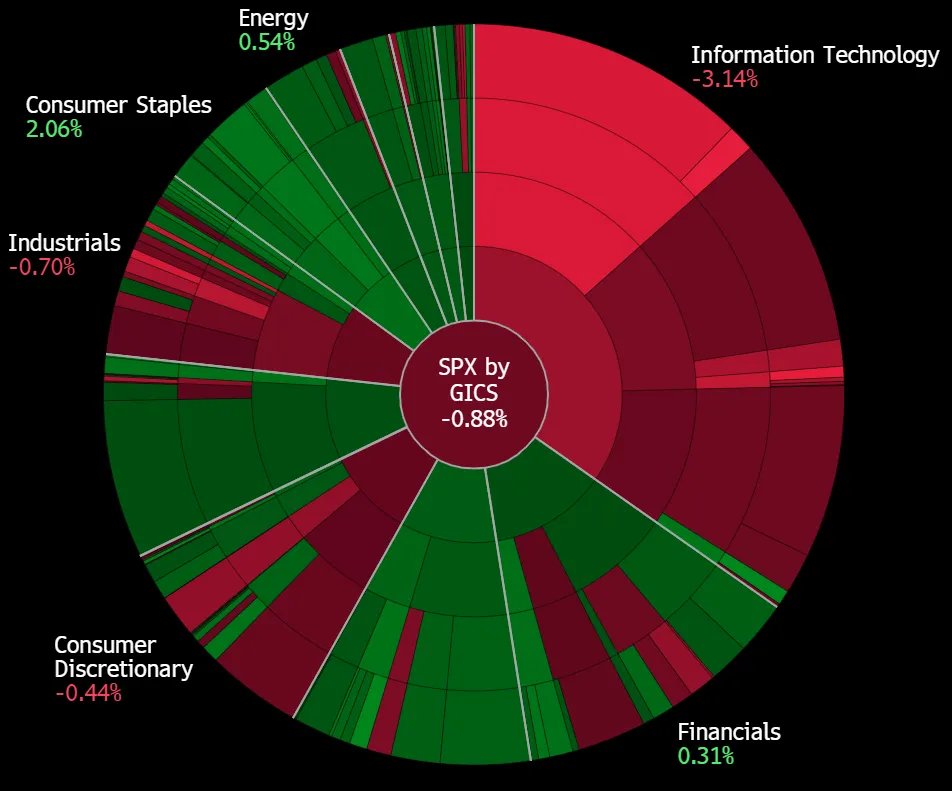
US stocks closed sharply lower on Nov. 20, with the S&P 500 falling 3.7% and closing more than 10% below its Oct. 6 record, a technical correction. The Nasdaq Composite dropped 5.3%, erasing its 2026 gain. The S&P 500 information technology sector fell about 5%, the worst of the 11 sectors.
Bespoke Investment Group noted that tech's weighting in the S&P 500 has fallen to 34.3% from 40.2% on Oct. 6, still more than a third of the index, while the XLK ETF is down roughly 25% from its Oct. 6 high. Carson Group's Ryan Detrick said tech is down 26.2% since that peak and is the only group underperforming the S&P 500's -11.5%.
Losses are concentrated in semiconductors and hardware: Micron is down 49% from its high, Seagate and Applied Materials 57% each, Oracle 58%, Marvell 60%, Intel 61% and SanDisk 72%. Apple sits just 3.2% below its 52-week high, and consumer staples are only 2.3% off their peak, underscoring the rotation into defensives.
The unwind followed Nvidia CEO Jensen Huang's resignation on Nov. 12 and a 13% drop in Anthropic shares on their second trading day, after an IPO priced at $83 that closed at $97.17 on debut. Bespoke flagged tech and communication services as the only two sectors in 20%-plus drawdowns; Mike Zaccardi, citing Goldman Sachs, said the average mutual fund is underweight tech by more than 600 basis points.
How this story unfolded
Company🔥Developing
Twenty One Capital Adds 172.25 BTC at $58,054, Lifting Treasury to 43,841 Coins
The purchase brings this week's buying to $20 million as bitcoin slips below $58,000, even as XXI shares trade well below the value of its coins.
Twenty One Capital (NYSE: XXI) said on Nov. 20 that it bought 172.25 bitcoin for about $10 million in cash, at an average price of roughly $58,054 per coin, bringing total holdings to approximately 43,841 BTC. CEO Rapha Zagury said the purchase lifted this week's buying to $20 million, adding: "We don't deploy cash simply because it's available. We wait for the right opportunities and act decisively."
It is the company's second purchase since its December NYSE listing. On Nov. 16 it bought 154.32 BTC at about $64,801 apiece, taking holdings to roughly 43,668 BTC. By the count cited in the market coverage, Twenty One ranks third among public corporate bitcoin holders, behind Metaplanet (about 44,000 BTC) and Strategy.
The buying came as bitcoin slid below $58,000 on Nov. 20, down from around $64,900 on Nov. 18, which let the company buy at a lower average price than the prior week. The central issue for XXI remains its persistent discount to the value of its coins: the stock is down roughly 47% year to date, and management has outlined a Berkshire-style operating platform intended to narrow that gap.
Among peers, Strive (ASST) held about 43,124 BTC at the end of October, leaving fewer than 1,000 coins between the two and keeping the treasury rankings in flux. Twenty One is majority-owned by Tether and Bitfinex, with SoftBank Group as a significant minority holder.
How this story unfolded
2026-09-23
Company
Microsoft Ties Azure Pay to Performance, Adding Stock for Top Performers
With Azure growing 48% and 2026 capex near $175 billion, Microsoft is using equity awards to sort talent in its cloud unit
Microsoft is shifting compensation in its Azure cloud division further toward performance, with top-rated employees receiving additional stock awards and lower-rated staff facing formal meetings with managers, Bloomberg reported on Nov. 20, citing an internal memo. The memo was sent by Arun Ulagaratchagan, executive vice president of Azure, who wrote that "pay-for-performance only works if we are equally rigorous on both sides." Microsoft has not separately commented publicly on the memo.
The change lands as Azure expands quickly while the company tightens costs. Azure revenue rose 48% year over year to $33.2 billion in the quarter ended in September, with total revenue up 19% to $92.3 billion. Microsoft expects roughly $175 billion in capital expenditure for calendar 2026 and on Oct. 26 offered voluntary buyouts to about 60,000 employees, more than a quarter of its global workforce.
For investors, the signal is a gradual shift of compensation from fixed cost to performance-linked variable cost, set against rigid AI infrastructure spending. MSFT closed at $484.52 on Nov. 20, down 2.77% on the day and about 7% over the past month, with the stock driven more by capex and AI return timelines than by a single pay policy.
Peers including Amazon and Meta have similarly tightened performance reviews and trimmed lower-rated roles in recent years, with equity becoming the main lever for AI talent. Concentrating extra stock in Azure's top performers suggests pay differentiation in cloud and AI hiring remains wide.
Two executives with close ties to Tether are raising money for a new fund, Kintsugi Capital, that aims to deliver roughly 4% net yield on top of gold's own return using XAUt, Tether's gold-backed token, Bloomberg reported on Nov. 20. The fund is targeting more than $100 million in assets under management within its first 12 months, according to the investment materials.
The vehicle is led by Alessandro Giori, formerly Tether's senior manager of global strategic partnerships and head of MENA, alongside Koh Onozawa Martinez, per press accounts. Its strategies include hedged staking, lending, basis trading and options, with the fund domiciled in Cayman/BVI structures.
The pitch lands as Tether's footprint in bullion expands. Tether's reserve report shows 827,417.63 fine troy ounces (about 25.7 tonnes) backing an equal number of XAUt tokens as of Sept. 30, worth roughly $3.44 billion, while Bloomberg has reported the company's own gold holdings approaching $20 billion. XAUt itself distributes no yield, so a yield product could widen demand for the token.
For the market, the fund would pair gold exposure with on-chain carry, potentially drawing institutions that want cash flow alongside bullion — while importing lending and options counterparty risk into tokenized gold. Tether did not comment, and the fund's formal relationship with the issuer has not been disclosed.
TD Cowen Upgrades UnitedHealth to Buy, Sets $455 Target and 2027 Top Pick
Analyst Ryan Langston sees Medicare Advantage repricing and an Optum Health recovery lifting EPS growth into 2028, after the stock slid on audit-rule and rate worries
TD Cowen analyst Ryan Langston upgraded UnitedHealth (UNH) to Buy from Hold on Friday, Nov. 20, and raised his price target to $455 from $402, naming the insurer his firm's top idea for 2027. The new target implies roughly 38% upside from the Nov. 19 close of $330.48.
The call came alongside an upgrade of Humana (HUM) to Buy with a $485 target, both framed around a recovery in Medicare Advantage. Langston projects adjusted EPS of $20.60 in 2026, $23.57 in 2027 and $27.61 in 2028, describing a credible path to mid- to high-teens growth through at least 2028 on better Medicare Advantage benefit design and an Optum Health rebound.
UNH rose about 2.8% to close at $339.85 on Friday, among the Dow's better performers. The shares had pulled back after CMS proposed tougher Medicare Advantage audit rules and as 2027 rates and medical costs weighed; in early October the company said it would exit some 2027 Medicare Advantage plans and reduce certain service areas.
Separately, a filing showed Barrow Hanley Mewhinney & Strauss cut its UnitedHealth stake by 1.0% in the prior quarter, a modest trim that sits alongside the more bullish sell-side view.
Anthropic is in talks to lease up to 1GW from Stream Data Centers, primarily using Google TPUs and Nvidia GPUs.
2026-11-16124 posts · 82 authors
Reports of Jensen Huang considering a comeback to Nvidia lift futures, while OpenAI and Anthropic orders extend Google TPU shipment visibility to 2029.
2026-11-18111 posts · 92 authors
Nvidia announces a $10 billion investment in Anthropic shares, sparking debate over strategy shifts following Jensen Huang's departure.
2026-11-19106 posts · 74 authors
Disclosures reveal Anthropic's money network behind Jensen Huang criticism, while Nvidia rises and markets await Anthropic's IPO.
2026-11-2065 posts · 56 authors
Anthropic's IPO offers 980 million shares raising $81.3 billion, with concerns that liquidity requirements were underestimated.
2026-11-2151 posts · 36 authors
CNBC coverage highlights circular financing among Anthropic, Nvidia, and Oracle, warning the worst is yet to come for AI.
Ahead of the Trump-Xi state dinner, multiple outlets published the attendee list of tech executives, including Jensen Huang, Sam Altman, Sundar Pichai, and others.
2026-11-1284 posts · 66 authors
Trump allowed Jensen Huang on Air Force One to China, Huang admitted to an affair, and Trump suggested Tim Cook replace him as Nvidia CEO.
2026-11-1386 posts · 64 authors
Trump revealed Huang called him amid the spy scandal, saying Huang was 'going through hell' and implying he should have stepped down.
2026-11-16107 posts · 71 authors
Trump said Huang did not put national security at risk and supported Nvidia considering reinstating him as CEO.
2026-11-2022 posts · 18 authors
Allegations emerged of Trump and Lutnick's involvement in a major chip smuggling operation with Huang, while Trump pressured Nvidia's board to reinstate him.
2026-11-2145 posts · 35 authors
Trump publicly called on Nvidia to reinstate Huang as CEO, saying he should apologize and return, and noted he discussed the matter with Xi Jinping.
A widely shared list of tech executives, including Jensen Huang, Sam Altman, Sundar Pichai, Satya Nadella, and Elon Musk, was circulated as attendees for the Trump-Xi state dinner.
2026-11-121058 posts · 339 authors
Breaking news of Nvidia CEO Jensen Huang's resignation dominated X, sparking widespread discussion and criticism.
2026-11-13742 posts · 263 authors
Jensen Huang's first X post shared a letter on open models' importance, while commentary framed his departure as an erasure, comparing it to Apple firing Steve Jobs.
2026-11-18781 posts · 280 authors
Jensen Huang published a thank-you letter acknowledging overwhelming support over the past week and referencing his journey to the U.S., which was widely retweeted.
2026-11-20103 posts · 71 authors
Discussion shifted to satirical portrayals of Dario Amodei and Palmer Luckey's critique that mainstream takes on the Nvidia saga miss the bigger picture.
2026-11-2191 posts · 55 authors
The NYT reported Jensen Huang threatened violent acts against an employee, while Trump called for Nvidia to reinstate him as CEO, citing discussions with Xi Jinping.
Gold, silver, and Treasuries sell off while the dollar rallies and crude oil gains bids; analysts see metals forming a strong base.
2026-11-0434 posts · 29 authors
Gold and silver surge after Democrats take Congress, adding $1 trillion in combined market cap, with stocks and bitcoin also rallying.
2026-11-1832 posts · 29 authors
Gold plunges below $3,800 and silver below $46, with over $500 billion wiped from the metals markets.
2026-11-1948 posts · 39 authors
Gold falls under $3,745 and silver under $45 as the dollar hits its highest since April 2025, with all major assets declining.
2026-11-2076 posts · 49 authors
Gold drops below $3,550 and silver below $42, with combined market cap down $15 trillion from record highs.
2026-11-2125 posts · 19 authors
Commodity inflation expectations drop sharply as oil and fuel prices fall over 15% this month, with analysts highlighting chart-based correction signals.
Discussions centered on QQQ breakout with questionable breadth, revisiting Qullamaggie's strategy from six years ago, plus humanoid hand subsystem costs and capital rent concept.
2026-09-298 posts · 6 authors
Private equity owns 447 US hospitals with 13% rise in ER deaths, Goldman's treasury fund launched on Lynq network, and advice against daily stock monitoring.
2026-11-135 posts · 5 authors
Twenty One Capital held 43,514 BTC worth $3B with Tether/Bitfinex controlling 62% of firm, plus discussion on investor humility.
2026-11-1714 posts · 9 authors
Twenty One Capital bought 154.3 BTC at ~$64,801 average, raising total holdings to 43,668, marking first purchase since going public.
2026-11-196 posts · 5 authors
Goldman's prime-book net flow in global tech hit a six-week z-score of -4.4, an extreme rarity, drawing market attention.
2026-11-217 posts · 5 authors
Twenty One Capital bought another 172.25 BTC at ~$58,050, raising total to 43,841, with CEO emphasizing decisive action on opportunities.