地政学
イラン、オマーン協議が大詰めでホルムズ海峡規制強化を検討英語原文
テヘランは「敵対的な」船舶への制限を検討しつつ、オマーンとの通過枠組みも進めており、重要な石油輸送の要衝が焦点に。
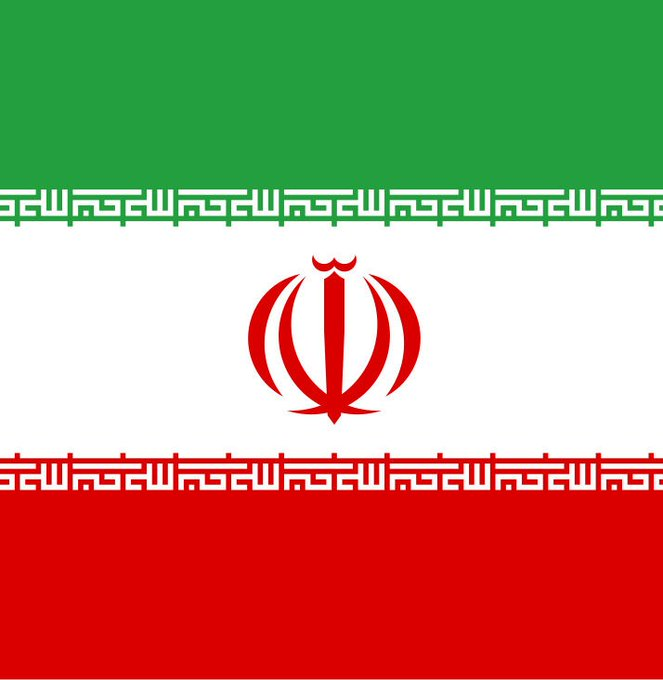
Iranian lawmakers are reviewing a draft bill that could tighten transit rules through the Strait of Hormuz, including possible limits on vessels tied to the United States, Israel and other “hostile” states. At the same time, Tehran and Muscat are negotiating a new maritime framework, with Iranian Foreign Ministry spokesman Esmaeil Baghaei saying the talks have made “positive” progress at both technical and political levels.
The stakes are high because the Strait of Hormuz is one of the world’s most important energy arteries, roughly 33 km wide, and has carried a major share of global seaborne crude and LNG flows. Reports cited by regional outlets indicate the emerging arrangement is not necessarily a full reopening of the strait, but rather a mechanism for how vessels would pass, who would oversee traffic, and whether any security-related fees would apply.
Markets are watching the story closely because any change to transit rules can affect tanker routes, freight rates, insurance costs and the risk premium embedded in oil prices. Shipping names, oil producers, LNG exporters and energy-importing economies are all exposed to disruptions in Hormuz-linked trade flows.
Washington says the talks are moving ahead, while Iran says the discussions are only with Oman and do not involve direct U.S. participation. Oman has not immediately commented, and the final shape of any agreement remains unclear until official details are released.