An Amazon-branded cargo jet overran a runway at Miami International Airport on Sunday afternoon, catching fire and killing at least five people while injuring five others. Airport operations were disrupted after officials shut down runways and taxiways during the emergency response.
The aircraft was identified by the FAA and other reports as a Boeing 767-300 cargo plane operated by 21 Air on a flight from San Juan, Puerto Rico. The National Transportation Safety Board said it is leading the investigation, and officials have not said what caused the crash.
The incident puts a spotlight on Amazon’s air-cargo logistics network and on the safety record of the contractor operating the flight. For Amazon (AMZN), the event is a transportation and operations headline rather than a financial disclosure issue, though investors may watch for any follow-up on service disruptions or liability exposure.
Amazon said it was heartbroken by the deaths and would cooperate fully with authorities. Miami-Dade officials said the injured were taken to hospitals, including three in critical condition.
The Finance Ministry-led recapitalization spans banks and insurers, with investors watching capital ratios, dilution, and policy support for a slowing economy.
China’s Ministry of Finance said it will inject 360 billion yuan into eight state-controlled financial institutions through special treasury bonds. Xinhua said the package covers ICBC, Agricultural Bank of China, the Export-Import Bank of China, China Export & Credit Insurance Corporation, and four major insurers; ABC and ICBC together plan to raise up to 260 billion yuan through share placements.
The move broadens Beijing’s recapitalization playbook beyond banks alone and, for the first time, extends it to insurers. The step comes as weak credit demand and softer profitability continue to weigh on the financial system, while insurers’ solvency ratios have also come under pressure.
In Hong Kong trading, shares of ABC, ICBC and several insurers slipped after the announcement, with investors weighing dilution, approval timing and the size of the new capital base. Analysts said stronger capital buffers can improve resilience and lending capacity, but the near-term macro boost may be limited if loan demand stays soft.
The finance ministry has not endorsed larger figures circulating on social media; the verifiable public number remains 360 billion yuan, according to Xinhua and reporting based on official statements.
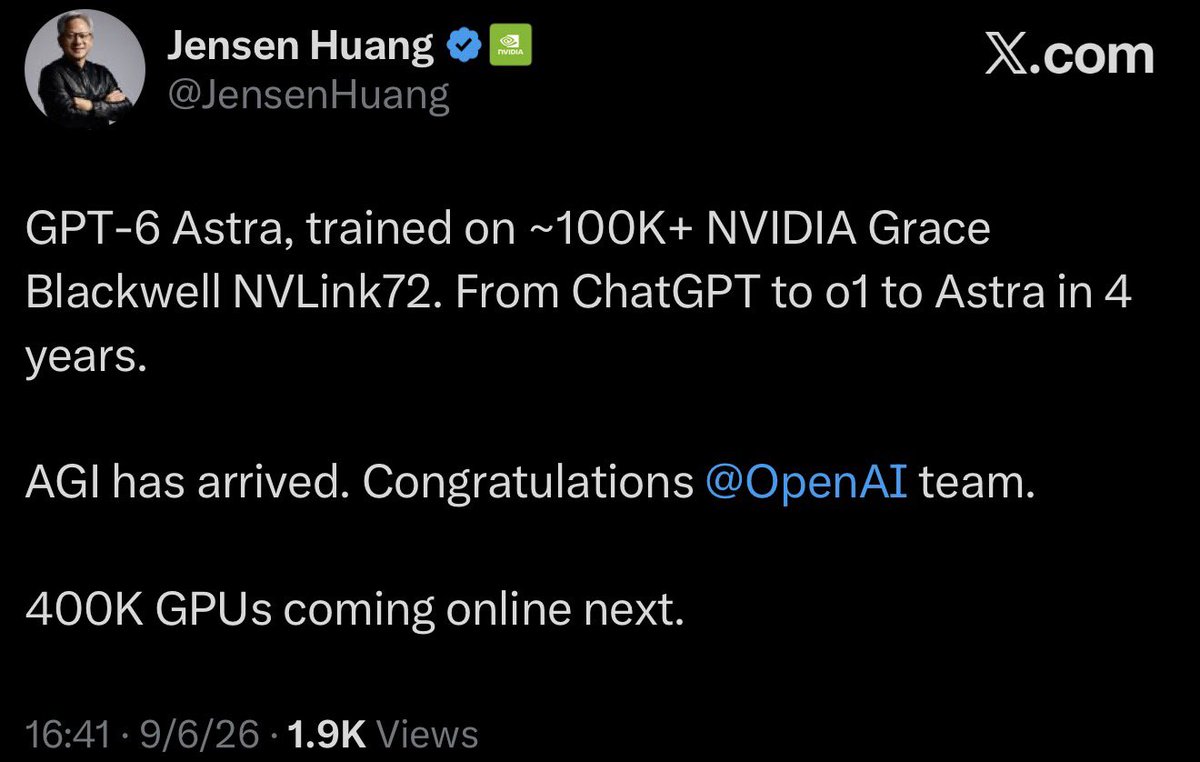
Nvidia CEO Jensen Huang said on X that “AGI has arrived,” congratulating OpenAI on its new Astra model. Media reports relayed Huang’s claim that Astra was trained on more than 100,000 Nvidia Grace Blackwell NVLink72 systems and that another 400,000 GPUs are coming online.
The backdrop is OpenAI’s launch of Astra earlier this week, which the company described as one of its most capable and aligned models and as a system that can handle demanding professional tasks. Huang’s comment is his own assessment, not an industry-wide verdict; AGI remains a contested term without a single accepted test.
For investors, the note keeps Nvidia at the center of the AI infrastructure trade, with NVDA as the primary ticker and ORCL as a secondary watchpoint tied to compute and cloud capacity. The market will likely keep focusing on GPU supply, data-center capital spending, and whether electricity and infrastructure can keep pace with model scaling.
OpenAI has not been shown here endorsing Huang’s AGI conclusion, but its Astra release clearly sharpened the debate. What is verified is Huang’s public statement and the compute figures he cited; whether those numbers define AGI is still a matter of interpretation.
Liquid Network saw roughly 4,000 BTC, worth about $320 million, leave its federation wallet on Sept. 6. The operators later said the funds were controlled by self-described white hats who contacted the team through on-chain Bitcoin messages and signaled they may return most of the coins after a fix.
Cross-checks from multiple reports point to an Elements software flaw rather than a stolen signing key. SideSwap said the peg-out went through a valid authorization process, and Liquid said neither the PAK nor other federation keys were compromised.
Liquid has paused bridge nodes, while exchanges have halted or prepared to halt L-BTC deposits and withdrawals. That leaves users of the sidechain facing a temporary redemption bottleneck, even as other issued assets on the network were said to be unaffected.
Blockstream is still coordinating with the actors and asking them to wait until every node is patched. The main unresolved question is whether the reserve can be restored to full backing for outstanding L-BTC once the Bitcoin is returned.
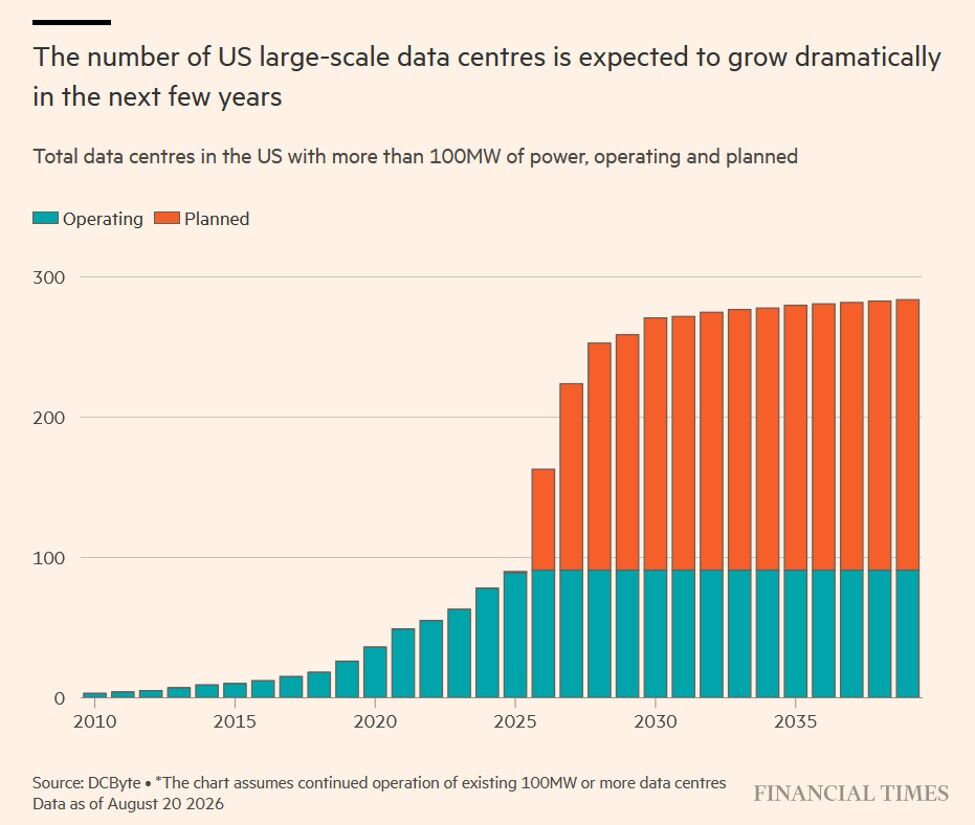
New market signals show the U.S. now has about 90 operating data centers above 100 megawatts, a record high, and that figure could rise to roughly 280 by 2030 if currently planned projects are completed. Multiple posts also say tech companies are preparing for about $7 trillion in AI infrastructure spending.
The buildout extends a two-year surge in AI-driven data center construction. Industry commentary has increasingly framed electricity, cooling, land and grid interconnection as the key constraints, rather than chips alone.
For markets, the main listed beneficiaries remain the big cloud and AI infrastructure spenders, including Microsoft, Alphabet, Meta and Amazon. Investors will keep watching capex guidance, delivery timelines and power availability because those factors directly shape cloud expansion and margins.
The latest signal is still mainly a market-commentary and re-post story, not a fresh company filing. Any firm commitment behind the $7 trillion figure will need confirmation from earnings calls, project announcements or other primary disclosures.
Bitcoin ETFs pulled in $73.1 million in a single day, one of the largest daily inflows since January, according to a report cited by 247wallst.com. The latest X chatter also centered on BTC pressing into a key weekly zone, while some traders warned that spot demand is cooling.
That comes on top of broader ETF strength. Recent coverage showed U.S. spot Bitcoin and Ethereum funds drawing roughly $986 million to $987 million in weekly inflows, with Bitcoin funds extending a three-week run of positive flows, based on CoinGlass data cited by FXStreet and KuCoin.
For the market, the main beneficiaries are Bitcoin-linked vehicles, especially IBIT, which reportedly led last week’s U.S. spot Bitcoin ETF inflows. If subscriptions keep improving, traders are likely to focus on BTC liquidity and the behavior of large institutional allocators rather than on short-lived price swings.
Still, the tape is not one-sided. Some market participants on X say Bitcoin has not convincingly cleared its 50-week moving average, and others point to weakening spot demand. The picture is still one of improving flows mixed with technical disagreement.
市場
燃料油の供給不足は日量21.8万バレル、シンガポールVLFSOは76%急騰英語原文
War-hit refineries are tilting output toward diesel and jet fuel, squeezing ship fuel supplies and lifting bunker costs.
Reuters reported on Sept. 7 that refiners hit by the wars in Russia, the Middle East and related shipping disruptions are prioritizing diesel, gasoline and jet fuel, leaving fuel oil tighter for ships and power plants. Energy Aspects now sees a 218,000-barrel-per-day fuel oil deficit in the third quarter.
The pressure is most acute in Asia, where Singapore — the world’s largest bunker hub — imports more than half of its nearly 1 million barrels per day of demand, according to Kpler import data cited by Reuters. On Sept. 1, Singapore prices for very low sulphur fuel oil had risen 76% since the Iran war began, to just under $825 a metric ton, or about $130 a barrel.
Higher bunker costs can feed through to shipping rates and power-generation fuel bills, making the fuel oil market a key barometer for refiners and shipowners alike. Reuters said Russia’s fuel oil exports fell to a record-low 591,000 bpd in August, while Middle East exports dropped 45% year on year in March-August.
For U.S. refiners including Valero, Marathon Petroleum, Phillips 66 and Delek, the story is less about a single direct hit than about product mix and margins: when plants chase stronger diesel and gasoline economics, fuel oil output can be squeezed further.
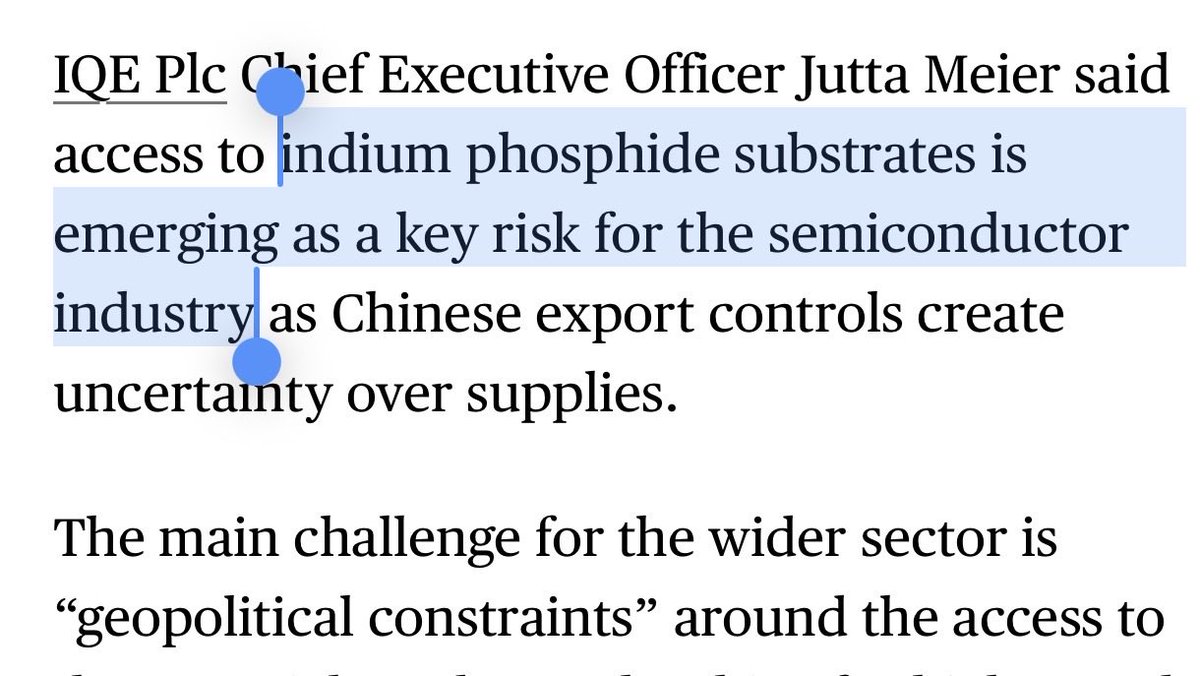
IQE CEO Jutta Meier told Bloomberg that access to indium phosphide substrates is emerging as a key risk for the semiconductor industry, citing uncertainty created by Chinese export controls. That is the new development in today’s signal.
Indium phosphide is a critical material for photonics used in next-generation AI data centres. Reuters reported in June that China had throttled export licences for indium phosphide since February 2025, and that the issue had been discussed in U.S.-China trade talks. DIGITIMES later reported some easing on certain substrates, but supply-chain diversification is still under way.
The risk matters for substrate makers and optical-component suppliers such as AXT and IQE, and it can ripple through the AI optical interconnect supply chain. For hyperscalers and transceiver vendors, any shortage can affect build-outs and delivery visibility.
IQE’s latest public signal points to rising supply uncertainty rather than a quantified financial hit. AXT remains one of the key names in the substrate supply chain, while the broader industry continues to watch whether alternative sourcing can reduce dependence on China.
Tesla’s Robotaxi/Cybercab rollout in Austin has kept the Uber-versus-Tesla debate front and center, with social media and investors focusing less on the launch itself and more on whether the business can scale. The latest X signal reflects a market that is increasingly trying to price the economics of autonomous ride-hailing rather than treat it as a concept story.
Recent reporting says Tesla has expanded its Cybercab-related fleet in Texas and continued limited-area operations, while Bull and bear camps are drawing opposite conclusions. ARK’s Brett Winton argues that cheaper, more available rides could expand the market materially, while Gary Black says platform power and broad consumer reach could still favor Uber once autonomy becomes commoditized.
That leaves both stocks exposed to the same narrative from different angles. Uber is being asked whether a first-party robotaxi network can siphon demand away from its marketplace, while Tesla is being valued on whether robotaxi can become a meaningful profit engine beyond car sales.
The verified data points are still modest compared with the scale of the market opportunity: reporting puts Tesla’s unsupervised Robotaxi miles above 380,000 and its Texas Cybercab fleet at about 45 vehicles, versus Waymo’s more than 220 million fully autonomous miles as of March 2026. For now, the story is less about a final winner than about a rapidly intensifying contest for the economics of autonomous mobility.
これまでの経緯
2026-07-23投稿3件 · 投稿者3人
企業動向
Apple’s first foldable iPhone may debut in North America first, with South Korea after October; output at just a few hundred units英語原文
Supply-chain reports point to hinge and panel yield problems, stretching the rollout beyond launch week.
Apple’s first foldable iPhone is expected to launch in North America before other regions, while South Korea may not see the device until late October or later. Korean media, citing supply-chain sources, say current output is only a few hundred units a day, with hinge and panel yields still the main bottlenecks.
The device is widely expected to be unveiled at Apple’s Sept. 9 event alongside the iPhone 18 Pro and Pro Max. The staggered launch would follow earlier reports that Apple lacks enough defect-free components to support a same-day global rollout.
For investors, a slower foldable rollout would push back the contribution of the new form factor to Apple’s AAPL product cycle, while leaving Samsung Electronics with more time to defend its foldable lead. Earlier industry estimates cited in the reports suggested Apple could take 25% of the foldable market in its first year, while Samsung’s share was seen easing from 40% to 32%.
Apple has not publicly commented on the reported production issues. The claims remain tied to media reports and supply-chain sources, and the final launch schedule will only be confirmed once Apple presents the product and announces availability dates.
South Korea’s 250 billion won AI push nears beta, targeting 5 million users英語原文
The state-backed “AI for All” plan is moving from announcement to rollout, with spending set to support compute, operators and public-sector AI services.
South Korea’s Ministry of Science and ICT has moved the “AI for All” program into implementation, with the three operator-led consortia headed by SK Telecom, KT and Kakao preparing closed beta tests before broader launch. The service is designed to offer free AI agents for everyday tasks such as reservations, payments and public-service requests.
The latest reporting adds concrete rollout details and budget figures. The government plans to allocate 250 billion won next year, including 30 billion won for operating support, 170 billion won for 2,000 B200 GPUs and 50 billion won to spread AI agents across public and specialized use cases.
For investors, the clearest read-through is to AI infrastructure and memory supply chains, which is why names such as NVDA, MU, SKHY and TSM are being discussed around the project. Still, the reports describe policy support and service deployment rather than confirmed procurement terms for any single chipmaker.
Kakao said it aims to reach 5 million monthly active users by December, while broader official messaging frames the project as a national push to make homegrown AI easy to use in daily life. The public rollout timing and funding structure are the key near-term developments, not any forecast about stock performance.
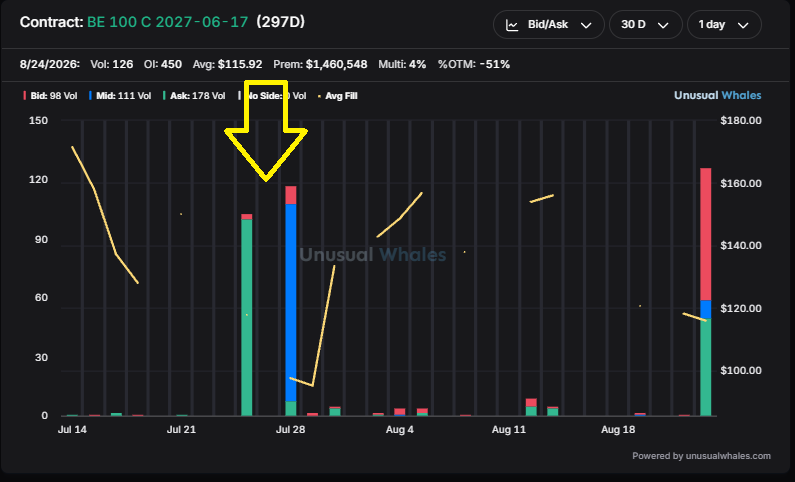
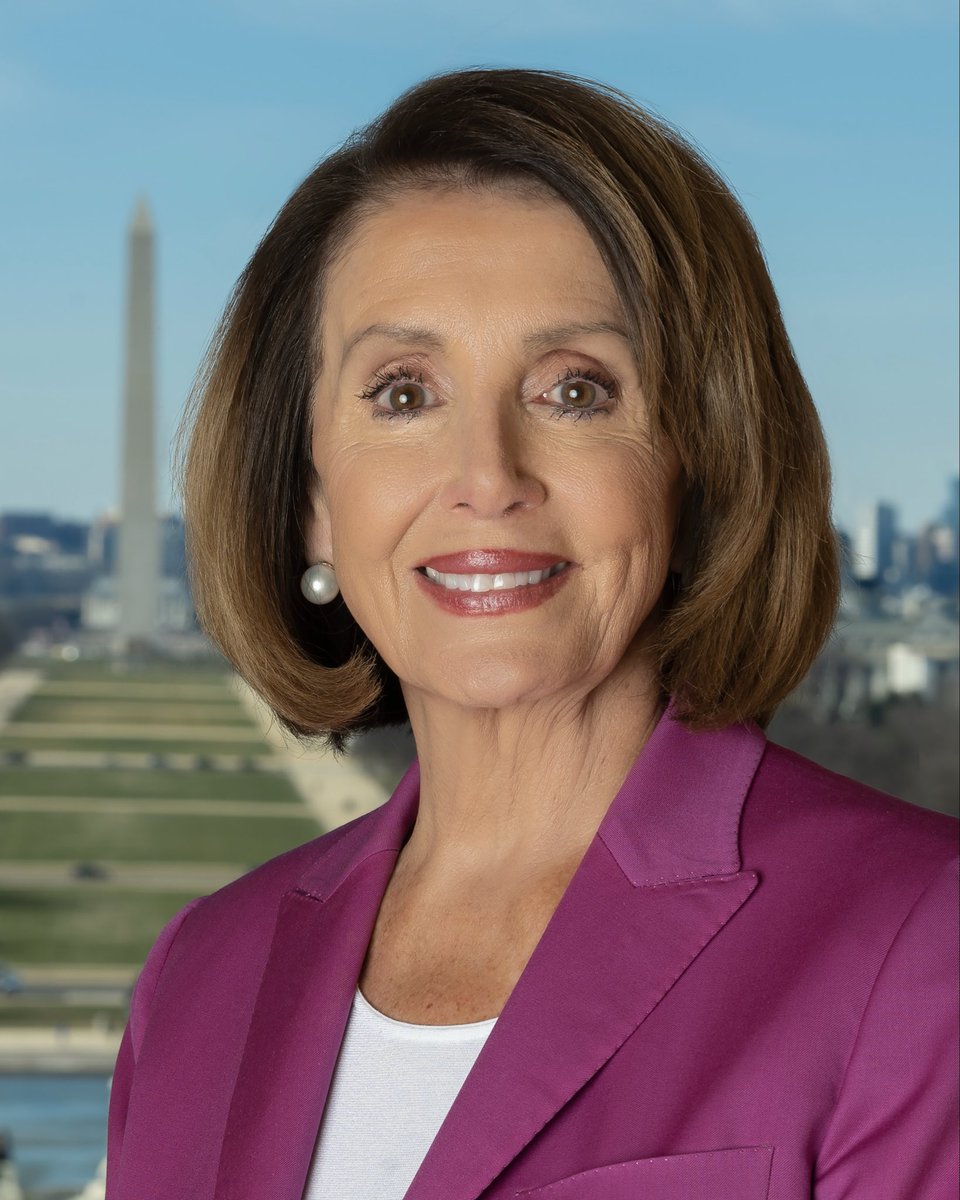
New disclosures show a household account linked to former House Speaker Nancy Pelosi bought 10,000 Bloom Energy shares on July 24 and another 5,000 shares on July 28, along with 200 call options expiring June 17, 2027 at a $100 strike. On Sept. 4, S&P Dow Jones Indices said Bloom Energy will join the S&P 500 on Sept. 21.
The trade has drawn extra attention because Bloom Energy makes solid-oxide fuel cell systems used to generate on-site power, a theme increasingly tied to AI data-center electricity demand. The company recently reported quarterly revenue above $1 billion for the first time and raised full-year revenue guidance, adding to investor interest.
Bloom Energy extended gains after the index announcement and closed Sept. 4 at $252.87, up 7.35%. S&P 500 inclusion typically triggers forced buying from index funds, which is why the stock has become a focal point for traders watching AI infrastructure names.
Pelosi’s office has previously said she does not own stocks herself and has no involvement in or prior knowledge of her spouse’s transactions. No formal wrongdoing has been found in connection with the trades.
これまでの経緯
2026-08-24投稿15件 · 投稿者12人
Pelosi disclosed new stock trades up to $13.5 million, including buys in Bloom Energy and Intel.
企業動向
Astra buzz puts Oracle’s $300B OAI backlog back in focus at 19x forward earnings英語原文
Investors are linking the new model launch to Oracle’s AI cloud backlog and rethinking what that long-dated revenue stream may be worth.
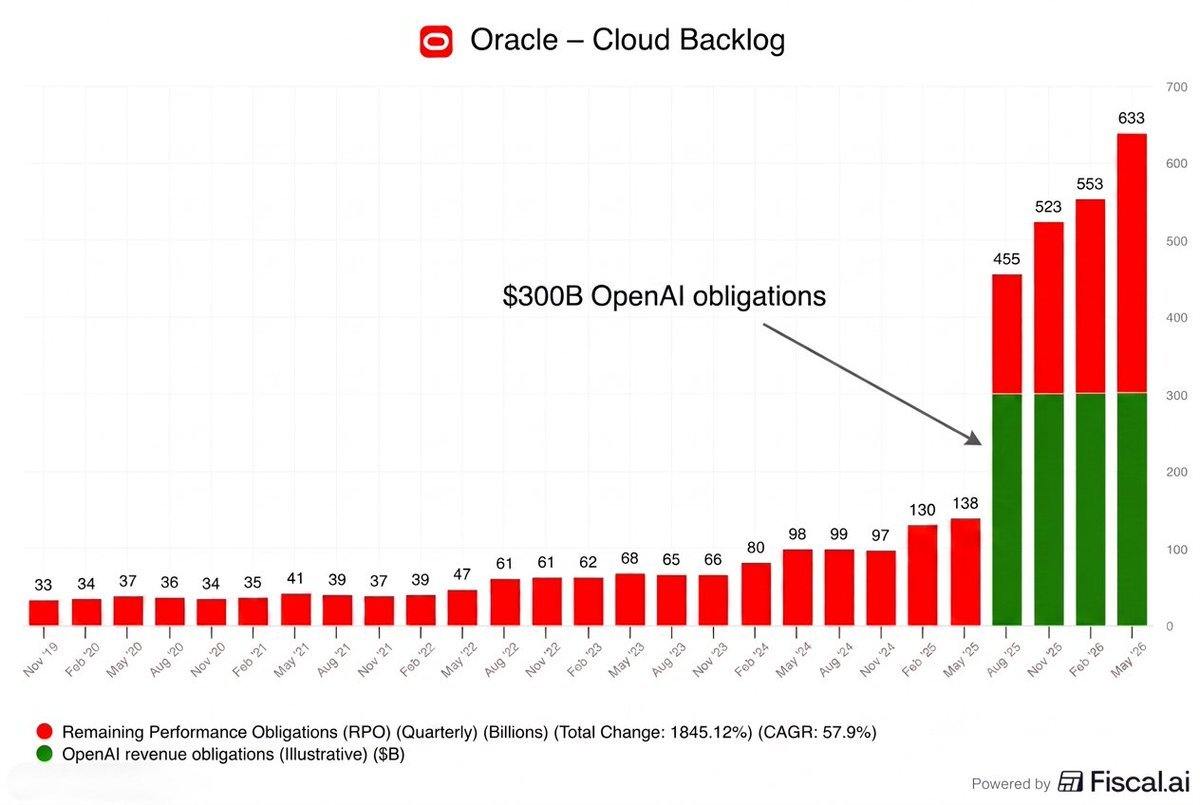
Two X posts today tied OpenAI’s GPT-6 Astra launch to Oracle’s valuation, arguing that the company’s reported OAI backlog of $300 billion could support a richer forward multiple. The comments are market interpretation, not an Oracle statement.
The backdrop is fresh but not brand-new. A Sep. 6 Motley Fool piece said Oracle’s AI cloud demand has pushed its cloud-infrastructure backlog to $638 billion, while another article that day described Oracle as a key beneficiary of surging AI infrastructure spending.
For ORCL, the immediate market relevance is valuation: investors are weighing whether AI demand visibility justifies a higher multiple and faster revenue recognition. Other AI-linked names can move in sympathy, but Oracle is the direct subject of the backlog debate.
No new company response was cited in the signal set, and the social posts should be read as investor commentary rather than confirmed guidance.
SK hynix is accelerating its move to 1c DRAM, the sixth-generation 10nm-class process. Industry estimates cited in multiple reports put 1c at about 10% of SK hynix DRAM output in Q1 2026 and roughly 13% in Q2, with the share projected to reach around 34% in Q4.
The ramp is linked to preparations for HBM4E, where 1c DRAM is expected to serve as the core die. SK hynix said in July that it had already provided HBM4E samples to customers, while reporting indicates that 1c-based DRAM shipments began in earnest in the second quarter.
For investors, the key read-through is to SK hynix’s process transition, cost structure and supply capacity in advanced memory. The move also keeps pressure on Samsung Electronics and Micron as the industry compares 1c adoption across leading DRAM makers.
The latest reports also suggest 1c could overtake 1b as SK hynix’s main process in the first quarter of 2027, although that timing remains an industry forecast rather than a company guide. For now, HBM4E remains in the sample stage and mass production will depend on customer qualification and yield stability.
A fresh X signal says a supply-chain tour and SEMICON 2026 point to a stronger DRAM outlook than feared. The note turns constructive on DRAM and expects blended DRAM prices to rise about 10% QoQ in 4Q26, after high-single-digit to teens gains in 3Q26.
That comes against a still-tight industry backdrop. TrendForce said on Sept. 7 that 2Q26 DRAM industry revenue jumped 59.5% QoQ to nearly $154.73bn, with AI server demand, HBM3e, LPDDR5X and high-capacity RDIMMs supporting demand while supply growth lagged.
The signal matters for memory names such as Micron, Samsung Electronics and SK hynix, as well as memory-focused funds. Continued pricing strength would keep investors focused on server DRAM and HBM mix, while PC and mobile inventory digestion remains a key watch item.
The X post is a research view, not a company filing, so the 4Q26 pricing call still needs validation from monthly contract data. Prior market research has also pointed to capacity shifting toward server DRAM and HBM, which keeps the supply picture tight.
Novo Nordisk said on Sept. 7 it has stopped two additional phase 3 studies of ziltivekimab, HERMES and ATHENA, after an independent data monitoring committee concluded both were unlikely to reach a different outcome from the earlier ZEUS trial. The company said all patients will still complete the planned three-month follow-up visits.
Ziltivekimab is an IL-6-targeting antibody being developed for cardiovascular disease. In late July, Novo reported that ZEUS, a study of more than 6,300 patients, reduced inflammation biomarkers but failed to cut major adverse cardiovascular events versus placebo.
The new trial stops add to pressure on Novo’s non-obesity pipeline and help explain why the shares were weaker in premarket trading. Ziltivekimab had been one of the company’s more visible cardiovascular growth options beyond diabetes and obesity, while the ARTEMIS post-heart-attack study is still expected to read out in the first half of 2027.
Novo said the newly halted studies were HERMES and ATHENA, while ARTEMIS will continue as planned. The company previously said the ZEUS miss would lead to a non-cash impairment charge in Q3 2026, but would not change its 2026 adjusted operating profit outlook.
これまでの経緯
2026-07-11投稿3件 · 投稿者3人
Novo Nordisk presented positive long-term safety and efficacy data for Mim8 in a Phase 3 hemophilia A extension study at ISTH 2026.
企業動向
Valor in talks to lead $500 million UFORCE round at $5 billion valuation英語原文
A SpaceX backer may anchor fresh capital for the defense startup, a notable sign for the space-defense ecosystem
Market wires say defense startup UFORCE is in talks to raise $500 million at a $5 billion valuation, with Valor — described as a SpaceX backer — discussing a lead role in the round. The deal has not been publicly confirmed, and the information remains at the negotiation stage.
The story matters because UFORCE sits in the defense-tech lane that often overlaps with the broader space and national-security ecosystem. That overlap is drawing extra attention as SpaceX continues to dominate headlines around AI spending, valuation, and share unlock risks.
For investors, the immediate read-through is sentiment around SPCX, since Valor’s SpaceX link may cause traders to connect the financing to the SpaceX ecosystem. But the reports describe a proposed fundraise, not a completed transaction, so any broader implications remain unproven for now.
If the round is finalized, the key follow-up will be whether the valuation and investor lineup point to a tighter defense-capital cycle. Until then, the only verified fact is that talks are underway, not that the financing has closed.
People’s Bank of China data showed official gold reserves rose to 76.73 million ounces at the end of August, up 650,000 ounces from July. At the same time, the State Administration of Foreign Exchange said China’s foreign-exchange reserves increased to $3.4383 trillion, a gain of $19.5 billion from the previous month.
August’s gold addition was larger than July’s 640,000 ounces and June’s 480,000 ounces, marking the biggest monthly increase since October 2023. SAFE said the FX reserve rise was driven by currency translation effects and changes in asset prices, alongside a weaker dollar in August.
For the market, continued official gold purchases are often read as a sign that reserve diversification remains in progress, supporting sentiment in gold-linked assets such as gold miners and ETFs. The FX reserve increase also helps anchor expectations around external resilience and currency stability.
The latest figures extend a 22-month streak of official gold accumulation. Investors will now watch whether the PBOC maintains the pace into September, alongside moves in bullion prices and the U.S. dollar.
Bitcoin is trading around the $80,000 area, with traders still focused on whether the $82,850 zone can be retested and held. The latest X signal says liquidity is stacked above $82K, while a cluster of longs sits near the $76K low, reinforcing a range-trading setup.
That fits with recent market coverage showing repeated selling in the $82.3K to $82.85K band, even as U.S. spot Bitcoin ETFs posted about $986.7 million of net inflows last week — the third straight week above $1 billion in weekly inflows. financemagnates.com fxstreet.com
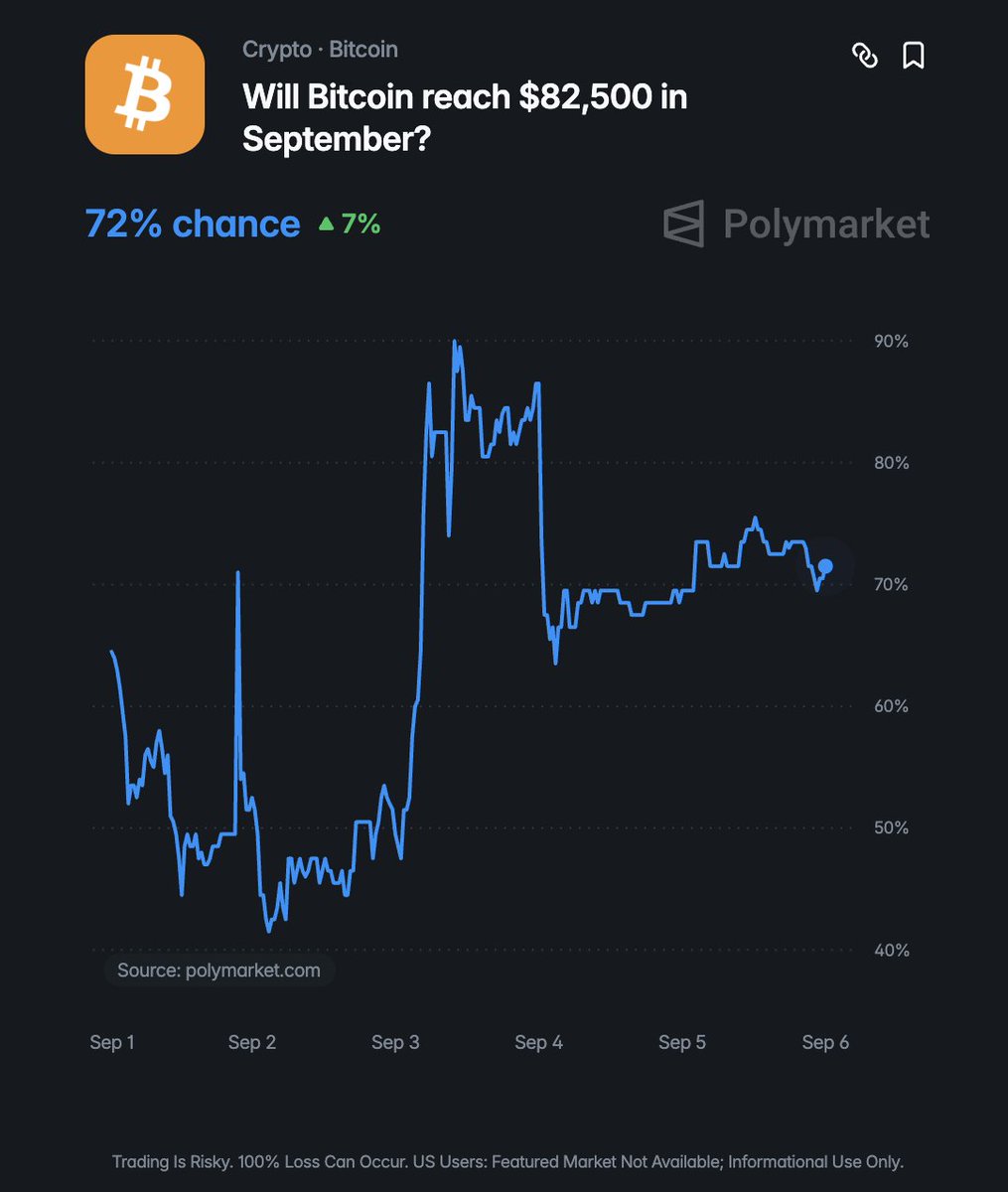
For markets, that matters because Bitcoin tends to set the tone for crypto beta: ETF flows support the majors, while a prolonged range can leave room for altcoins such as NEAR, LINK and SUI to trade on relative strength. The X feed also highlighted a Polymarket-derived 72% chance of Bitcoin finishing the month above $82,500, adding a fresh sentiment datapoint to the setup.
The call is not a forecast of direction; it is a snapshot of positioning and odds. Traders are still waiting for a decisive break or rejection to define the next leg.
Japan July coincident index hits 120.6 as leading gauge climbs to 117.9英語原文
Cabinet Office data showed both gauges rising for a second straight month, with semiconductor-related production and shipments doing much of the heavy lifting.
Japan’s Cabinet Office said preliminary July data showed the coincident index at 120.6, up 1.7 points from June, while the leading index rose 1.7 points to 117.9. The baseline assessment was left unchanged at “showing improvement.”
The gains were driven largely by stronger production and shipments tied to semiconductor manufacturing equipment, which boosted industrial production, investment goods shipments and export volumes. Weakness in minivehicle shipments and softer wholesale sales of pharmaceuticals and cosmetics offset part of the strength.
For markets, the release matters mainly for yen and Japan rates traders because it feeds expectations on the pace of domestic recovery. The synchronized rise in both indices suggests the manufacturing-led upswing is still offsetting some softness in consumption.
No official pushback was reported in the release. Investors will now watch the final revisions and the next monthly print to see whether the improvement broadens beyond industrial sectors.
Eurozone Sentix investor confidence rose to 5.1 in September, well above the 1.7 forecast and up from 0.9 in the previous month. The reading marks a fifth straight monthly increase and the highest level since February 2022.
The Sentix survey tracks investors’ views on the current economic situation and the six-month outlook for the euro area. Readings above zero indicate optimism, while those below zero signal pessimism.
According to Sentix, both current conditions and expectations improved in September, with Germany also contributing to the gain. The index is often watched as an early gauge of euro-area growth momentum, though its direct ECB impact is usually limited.
In markets, a stronger-than-expected Sentix print can lend support to the euro and European risk assets because it points to firmer growth sentiment. Traders will still need to confirm the picture with hard data such as PMIs, inflation and GDP.
Australia’s ANZ-Indeed job advertisements rose 2.5% month on month in August, a step up from July’s 0.8% increase. Multiple X wires flagged the release on Monday, pointing to a firmer-than-expected reading in hiring demand.
In ANZ’s June update, the bank said the series had eased about 28% from late-2022 peaks but remained above pre-pandemic levels. Indeed economist commentary also highlighted softness in retail, food preparation and management, partly offset by stronger demand for nurses and real estate professionals; August’s rebound suggests the labour market still has underlying resilience.
For rate-sensitive assets and Australian payroll-linked names, the print matters because it feeds into expectations for the pace of labour-market cooling. A stronger hiring backdrop can push back assumptions around policy easing, although a single month is not enough to settle the trend.
ANZ and Indeed have long treated the series as a timely gauge of labour demand. The August rise will now be watched alongside unemployment, wages and vacancy data to see whether the recent cooling is stabilising or re-accelerating.
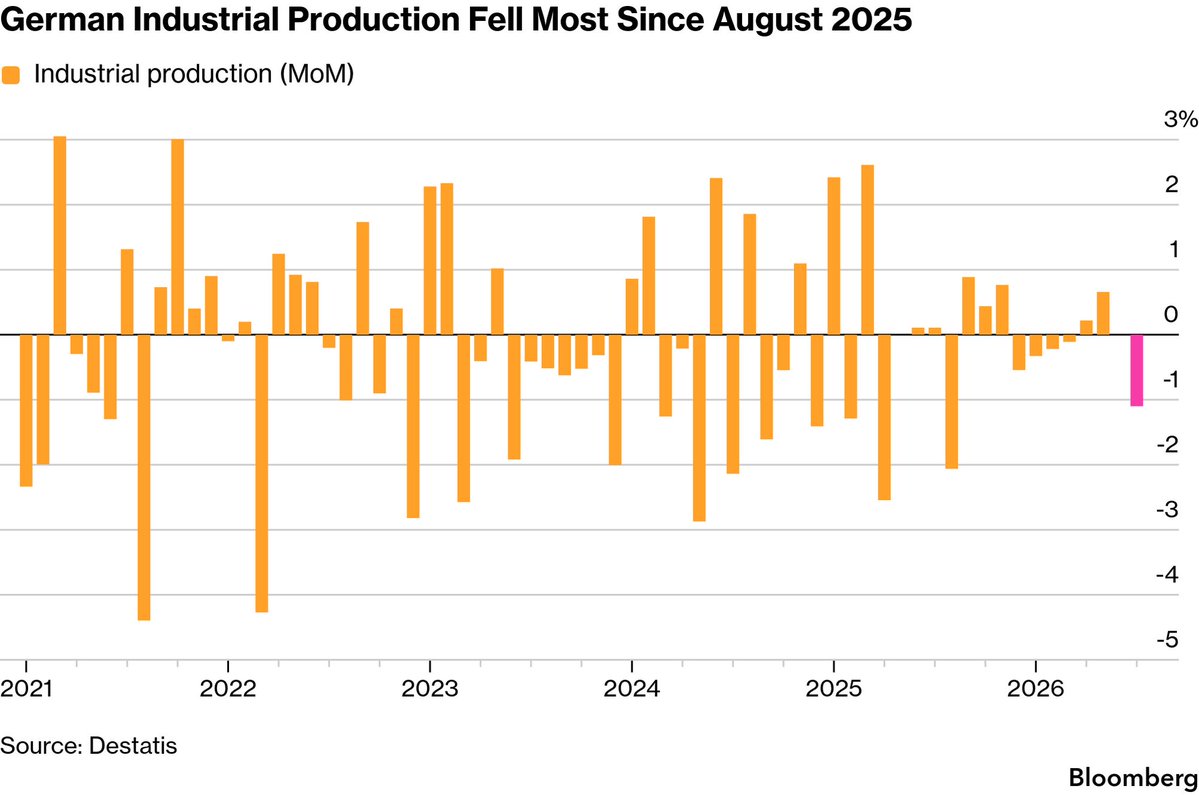
Germany’s industrial production fell 1.1% in July from the previous month, while output was 1.6% lower than a year earlier, according to the Federal Statistical Office Destatis. The June figure was revised to flat from an initially reported 0.2% gain, and economists had expected a 0.2% monthly increase for July.
Destatis said the decline was driven mainly by a 9.2% drop in automotive production. Energy output rose 4.7% on the month, but it was not enough to offset the weakness across industry; industrial production excluding energy and construction fell 2.2% from June.
The release is important because German factory data are a key read on the health of the euro area’s largest economy and often influence expectations for the euro and European Central Bank policy. Reuters reported the euro was trading softer after the data, while the broader three-month comparison still showed production 0.4% higher in May-July than in the prior three months.
Destatis also said production in energy-intensive industrial branches fell 1.7% month on month and was 0.5% below a year earlier. Reuters cited the German automotive association VDA as saying a multi-week production shutdown likely played a major role in the July auto-sector decline.
Switzerland August unemployment steady at 3.0% and 3.1% in line with forecasts英語原文
SECO’s latest labor report showed no surprise in either unadjusted or seasonally adjusted unemployment, a release that feeds into CHF and SNB rate expectations.
Switzerland’s State Secretariat for Economic Affairs (SECO) said August unemployment held at 3.0% on an unadjusted basis and 3.1% seasonally adjusted, exactly matching market expectations. X market wires earlier carried the same figures.
SECO also reported 141,544 unemployed people, or 147,970 seasonally adjusted, while youth unemployment rose to 3.4% and job vacancies totaled 43,733. The data suggest Switzerland’s labor market remained broadly stable at the end of summer.
Labor data in Switzerland can move the franc and shape views on the Swiss National Bank’s policy stance. Media reports said USD/CHF slipped after the release, indicating an immediate FX response to the jobs numbers.
SECO and secondary media reports were aligned on the headline figures, with no material discrepancies in the release. Attention now turns to inflation and SNB commentary for the next policy cue.
UK Lloyds house prices fall 0.4% in August as average value slips to £298,468英語原文
Higher borrowing costs and geopolitical uncertainty are still weighing on Britain’s housing market, with annual prices turning negative for the first time since late 2023
Lloyds’ house price index showed UK home prices fell 0.4% year on year in August, the first annual decline since November 2023. On a monthly basis, prices slipped 0.2%, taking the average home value to £298,468, according to the bank’s latest reading.
The print matches the X signal and underscores how sensitive the housing market remains to mortgage costs and affordability. Lloyds said the backdrop has become more difficult because of higher inflation, borrowing costs and geopolitical tensions.
For the market, the data can matter for UK housebuilders, mortgage lenders and brokers, as softer prices and slower activity can affect loan demand and transaction volumes. August mortgage rates were unchanged at 6.58%, keeping financing costs elevated for would-be buyers.
Lloyds said the market is subdued, but there is no sign of a rush of sellers dumping prices. Analysts said buyers remain active, yet they are being more selective as borrowing costs stay high and uncertainty persists.
Swiss August foreign reserves rise to CHF 770.1bn from CHF 768.3bn英語原文
The latest central-bank print confirms another increase in Switzerland’s reserve stock, keeping the market focused on liquidity buffers and FX intervention capacity.
Switzerland’s foreign currency reserves rose to CHF 770.1 billion in August from a revised CHF 768.3 billion in July, according to the latest monthly data. Multiple market wires circulated the same August figure, matching the official release.
Foreign reserves are a key gauge of external liquidity and the Swiss National Bank’s room to maneuver in currency markets. For Switzerland, monthly reserve prints are watched for clues on valuation effects, portfolio flows and any need for FX operations.
The data are unlikely to move individual Swiss stocks on their own, but they matter for CHF-sensitive assets, fixed income positioning and broader macro hedging. Investors typically read the series alongside rate expectations and exchange-rate developments rather than in isolation.
No additional policy comment accompanied the release, so this remains a routine monthly update rather than a policy event. The next read-through will come from whether the reserve trend persists in the following print.
Capital B said on Sept. 7 that it bought 376 Bitcoin for €25.3 million, or about €67,182 per coin. After the purchase, the company and its subsidiary held 3,521 BTC in total, and it reported a year-to-date BTC Yield of 2.17%.
The acquisition followed a new financing package. Public disclosures show Capital B completed roughly €1.44 million in ATM issuance and about €28.7 million in private placement proceeds, giving it more than €30 million of funding for additional Bitcoin purchases.
The company’s cumulative Bitcoin acquisition cost now stands at €309.4 million, implying a blended average of €87,878 per BTC. The latest coins were bought at a materially lower price than that average, underscoring how the firm is using capital raises to keep expanding its treasury.
For investors, the update reinforces Capital B’s role as one of Europe’s most active listed Bitcoin accumulators. The market will likely keep watching whether the company continues to tap equity-linked financing to add to its balance sheet and how that affects per-share Bitcoin exposure.
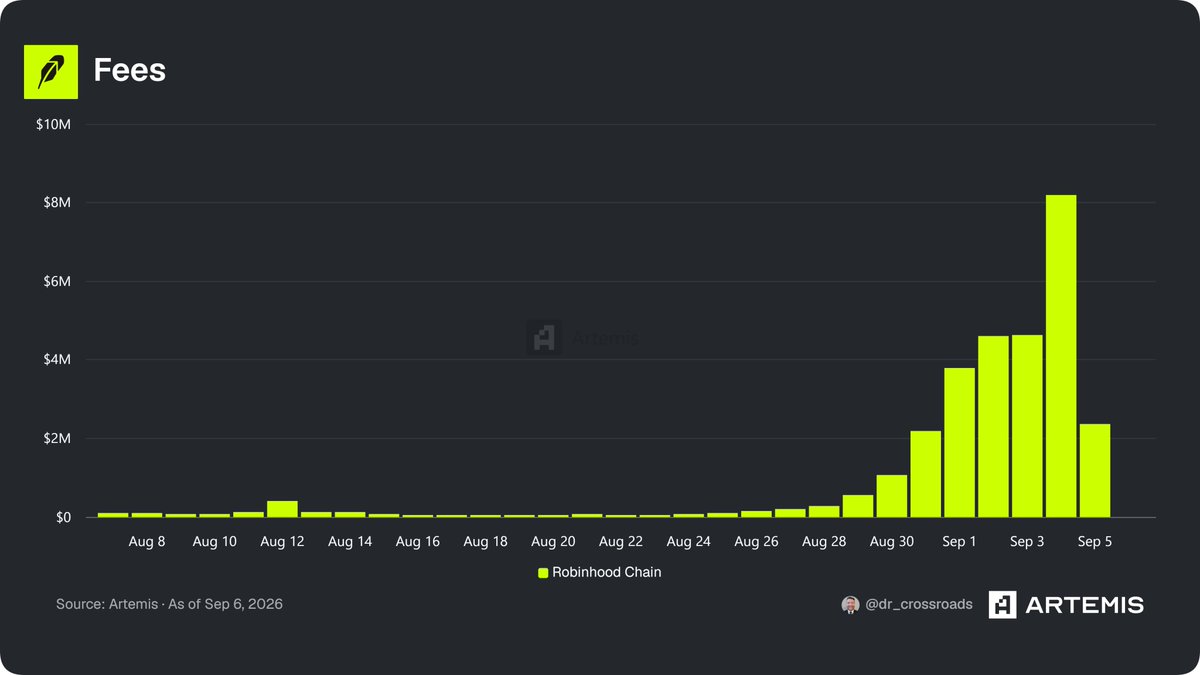
Robinhood Chain generated more than $8 million in fees on Friday and still posted $2.4 million on Saturday, according to the latest X signal from market watchers. The numbers indicate that activity on the network did not immediately fade once the trading week ended.
The chain, which launched on July 1, has recently seen a string of outsized fee days as on-chain activity accelerated. Earlier reporting showed Robinhood Chain already posting record daily revenue at the start of September, putting the new network near the top of blockchain fee rankings.
For HOOD, the surge has become an important market narrative because analysts have tied the chain's revenue growth to higher price targets. But chain fees do not map one-for-one to Robinhood's reported earnings, so the real test will be whether this on-chain momentum translates into durable financial contribution.
Robinhood has not issued a fresh official disclosure specifically confirming the Friday and Saturday fee figures. For now, traders are relying on chain data and analyst notes to judge whether the spike is a one-off burst or a more durable revenue stream.
これまでの経緯
2026-07-10投稿26件 · 投稿者16人
Robinhood Chain surpassed 17 million transactions in its first week, with 24-hour DEX volume exceeding $560 million, overtaking Hyperliquid to set a new all-time high.
企業動向🔥進行中
Vistra CEOが4,465株を取得、Pelosi氏とThiel氏の保有銘柄が再浮上英語原文
The fresh catalyst is a new CEO purchase; Pelosi and Thiel are part of the stock’s longer-running ownership backdrop, not today’s new filing.
Vistra CEO James A. Burke bought 4,465 shares on Sept. 1 at an average price of $135.25, for a total of $603,891.25. He also purchased 2,200 shares on Aug. 31 at $135.99, according to an SEC disclosure and a subsequent market report.
The X posts circulating today fold Nancy Pelosi and Peter Thiel into the same narrative, but neither represents a new trade in the current signal. Pelosi previously disclosed a Vistra purchase in January, while Thiel Macro reported a Vistra position in its second-quarter 13F filing.
Investor attention around Vistra remains tied to nuclear generation and power demand from data centers. The Motley Fool said Thiel Macro’s second-quarter Vistra stake was worth about $59 million, and noted long-term power deals with AWS for 1,200 megawatts from Comanche Peak and with Meta for more than 2,600 megawatts from sites in Ohio and Pennsylvania.
The social post’s claim that the stock trades below Pelosi’s buy price may be directionally consistent with earlier disclosures, but the exact comparison depends on the filing’s range and the relevant trade date. For now, the verifiable new development is the CEO’s latest insider buying, not a new Pelosi or Thiel transaction.
これまでの経緯
2026-07-16投稿3件 · 投稿者3人
Pelosi announced support for the Massie amendment to cut $3.3B in U.S. military aid to Israel, citing need for policy change.
企業動向
Ripple and Florida add a $5 million college-football deal as XRP hits the field英語原文
Florida Athletics says XRP will appear on the field at Ben Hill Griffin Stadium and across digital channels, with education support included.
Florida Athletics announced on September 4 that it has entered a multi-year partnership with Ripple, bringing the XRP logo onto the field at Ben Hill Griffin Stadium starting this football season. The deal also extends to digital properties and event signage, with support earmarked for financial and technology education.
The arrangement itself is not new, but it is back in circulation today because X users are treating the sponsorship as fresh market-relevant news. Reported deal value has been put at about $5 million a year by some outlets, though neither Florida Athletics nor Ripple has publicly confirmed a figure.
For XRP traders, the key point is what the agreement does not include. Coverage so far says the partnership does not disclose any requirement for the university to accept XRP for tickets, merchandise or donations, which limits any direct read-through to token demand.
Ripple benefits from a high-visibility brand placement in college football, while XRP holders are left with marketing exposure rather than a clear usage catalyst. That makes the deal noteworthy for the company’s outreach, but less clearly meaningful for the token’s underlying market structure.
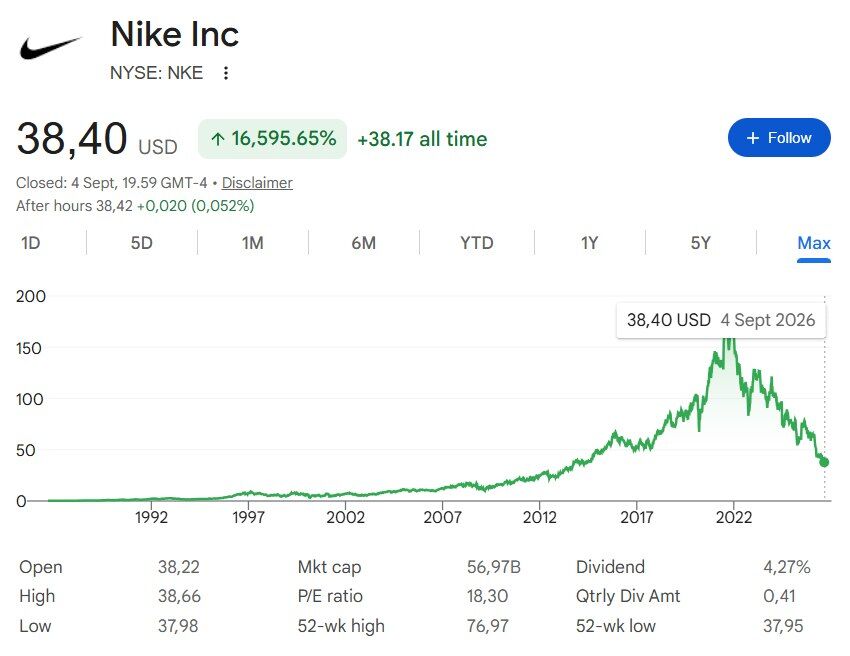
S&P Dow Jones Indices said Nike will be removed from the S&P 100 before the U.S. market opens on Sept. 21, ending its 18-year run in the benchmark. Nike will remain in the S&P 500.
The move arrives after a bruising stretch for the sportswear company. Public reports say Nike’s market value has fallen from about $281 billion at its November 2021 peak to roughly $57 billion, a decline of more than $220 billion.
The reshuffle also adds Dell Technologies, Palo Alto Networks, Arista Networks and SanDisk, highlighting how the S&P 100 is tilting toward technology names. Nike’s fiscal 2026 revenue was $46.4 billion, essentially flat year on year, while its shares closed at $38.40 on Sept. 4, the lowest level in about 12 years.
Nike has been trying to rebuild wholesale relationships and sharpen product innovation under CEO Elliott Hill. Recent reporting also pointed to a 13% drop in Greater China revenue in fiscal 2026 and signs of stabilization in North American running shoes.
A viral X post revived a harsh five-year return check on two consumer names as fresh index-rebalance and earnings headlines keep pressure on the sector.
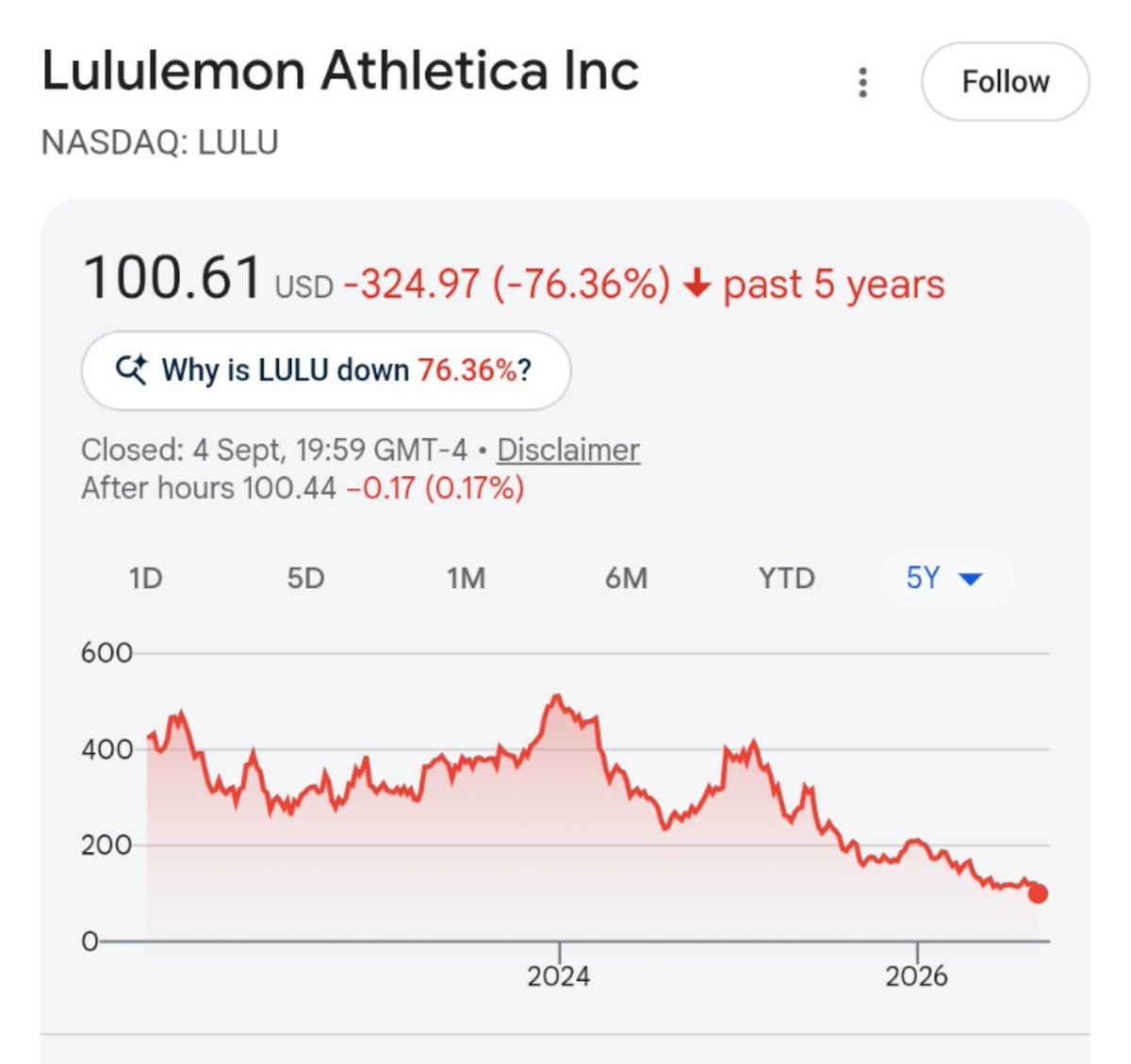
A viral post on X said that a $10,000 investment in Nike five years ago would be worth about $2,500 today, and a similar stake in Lululemon would be around $2,600. The claim fits the broader narrative that both stocks have badly lagged the market over the period.
For Nike, The Motley Fool published a cross-check in October 2025 saying a $10,000 investment five years earlier would be worth about $6,300. It also published a July 2026 piece saying $10,000 invested a decade ago, with dividends reinvested, would still be worth less than the original amount.
Lululemon has also been under pressure in recent coverage, with local reports focusing on post-earnings weakness and company-specific uncertainty. For both names, the conversation is less about a single-day move and more about how valuation, growth and brand momentum have reset.
The market relevance is straightforward: Nike and Lululemon are bellwethers for discretionary consumer spending and branded apparel sentiment. Nike’s recent S&P index reshuffle coverage adds another layer of attention, while Lululemon remains a closely watched stock after its latest volatility.
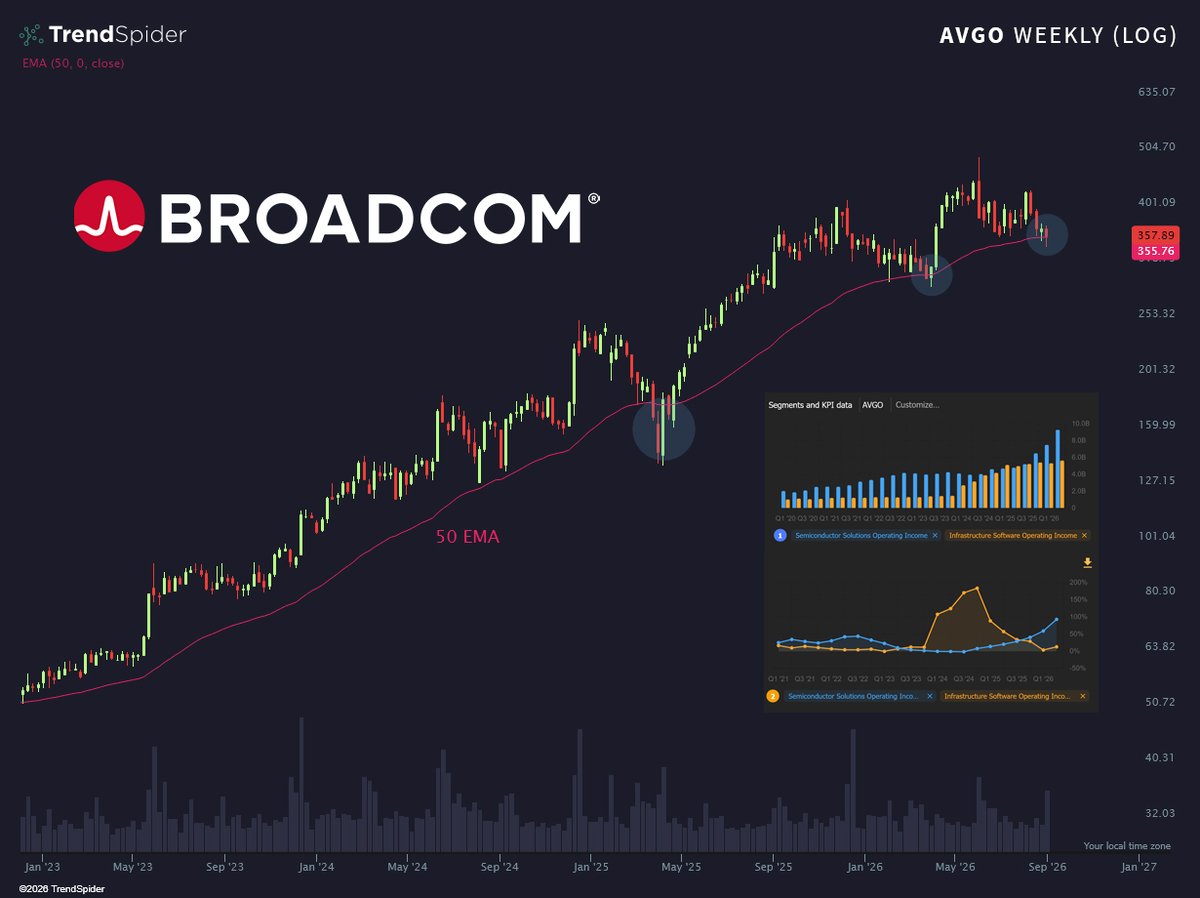
Broadcom (AVGO) is back in the spotlight after X posts said the stock is testing its 50-week exponential moving average for only the third time since 2023. One of the same posts noted the stock is up 620% over the past five years, underscoring how far the AI trade has carried the name.
The latest catalyst comes from Broadcom’s early-September earnings release, where the company reported fiscal Q3 revenue of $29.6 billion and AI semiconductor revenue of $16.7 billion, up 221% year over year and 54% from the prior quarter. Management also guided for about $34.8 billion in fiscal Q4 revenue, keeping attention on whether growth can stay ahead of expectations.fool.com
For traders, the immediate question is less about the long-term AI story and more about whether AVGO can hold a major technical support area after a huge multi-year run. The move also matters for peers such as Nvidia and Marvell, because Broadcom remains one of the key names in custom AI chips and networking.startupfortune.com
In other words, today’s signal is about price action layered on top of a still-strong operating backdrop. Broadcom’s AI revenue surge is real; the market is simply deciding how much of that success is already in the stock.
これまでの経緯
2026-07-09投稿5件 · 投稿者5人
Broadcom CEO said chips will get bigger, not smaller, with stacking unable to boost per-square-mm performance, targeting a 2028 flagship; market concentration concerns grew as Meta expanded AI capacity with in-house silicon.
市場🔥進行中
デル316%高、モデルナ394%高 2026年S&P500レースを再点検英語原文
Fresh social-media tallies keep the two stocks near the top of the 2026 leaderboard, with AI hardware and mRNA pipeline hopes driving the gap.
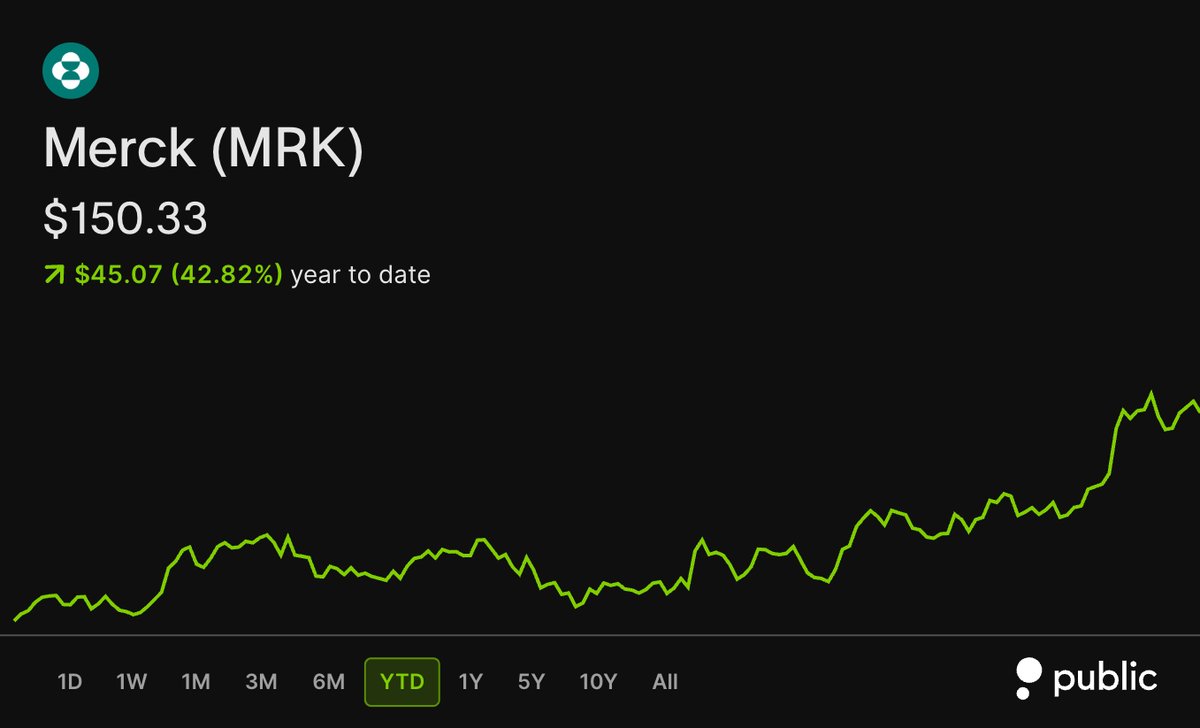
As of Sept. 7, the latest X signals put Dell Technologies up about 316% for 2026 and Moderna up about 394%, ranking them No. 3 and No. 2 among S&P 500 stocks. A separate post also claimed Merck is the best-performing Dow stock this year, up about 43%.
The move is consistent with recent reporting on both names. Dell's strength has been tied to surging AI-server demand and a higher full-year outlook, while Moderna's rally accelerated after August late-stage data on its personalized mRNA cancer therapy with Merck.
For the market, the message is continued concentration in a handful of high-beta themes: AI infrastructure on one side and pipeline re-rating in biotech on the other. Energy has also been a 2026 standout, but this signal is primarily about the ranking update between Dell and Moderna.
Publicly available material referenced here does not add a new corporate statement on top of the social posts. The key takeaway is that the year-to-date leaderboard remains volatile even for large-cap names with very different fundamentals.
これまでの経緯
2026-08-20投稿3件 · 投稿者3人
市場
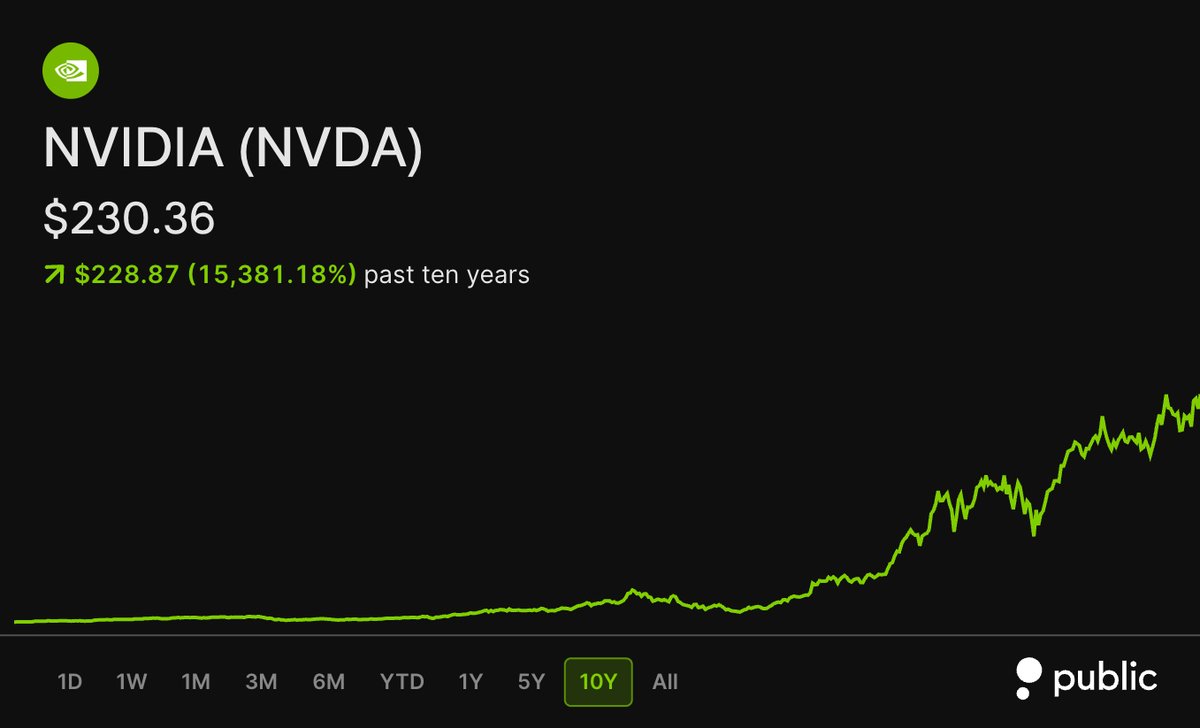
Nvidia up more than 15,000% in a decade, shares at $230.36英語原文
The X-fueled rally talk puts Nvidia’s long-run gains back in focus as investors keep watching AI capex and chip demand.
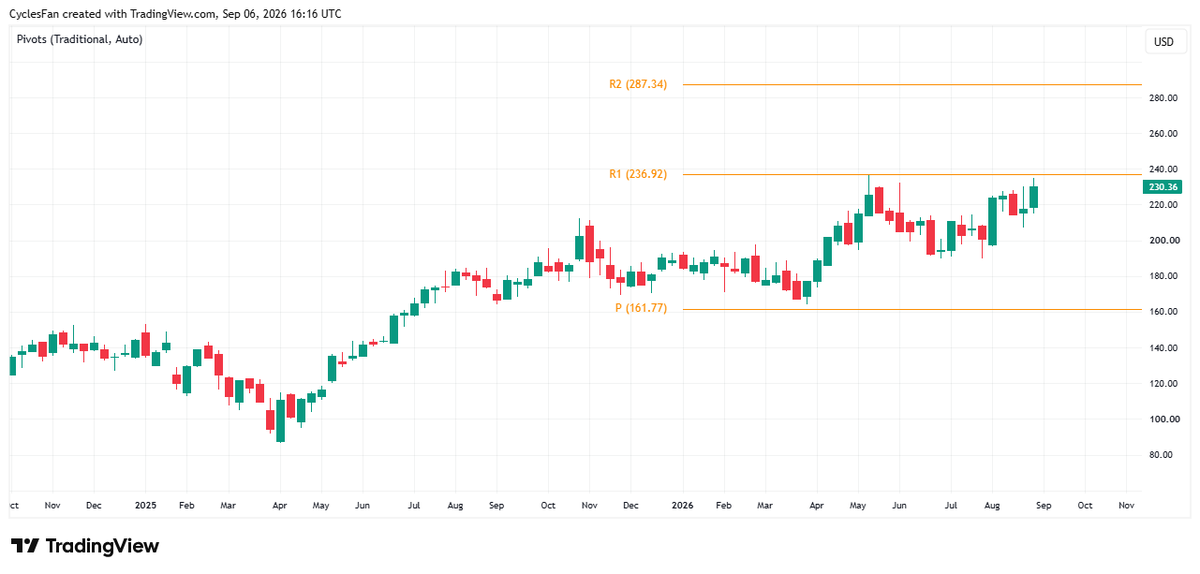
Nvidia shares are trading at $230.36, while posts circulating on X say the stock is up more than 15,000% over the past decade. The figure quickly revived debate over how much of the company’s rise has been driven by AI infrastructure demand.
The broader context is Nvidia’s dominant position in data-center GPUs and the continuing buildout of AI compute by cloud providers and model developers. That backdrop has kept Nvidia at the center of market conversations even when there is no fresh corporate announcement.
For markets, the move is mainly a sentiment signal for NVDA and the wider AI hardware complex, including peers and suppliers tied to chip manufacturing and server spending. Investors often treat Nvidia as a proxy for the durability of the AI investment cycle.
No new company response was visible in the X-linked chatter reviewed for this item. The discussion is centered on long-term stock performance rather than a new operational development.
Nvidia remains within roughly 3% of its all-time high, and a technical debate on X has centered on whether the stock can close above 237 on a weekly basis. Some traders say that level would confirm a fresh upside leg, while others expect a pullback instead of a breakout in September.
The backdrop is still dominated by Nvidia’s role in the AI supply chain. Recent coverage highlighted the company’s $12.9 billion acquisition of Hugging Face and its involvement in more than $500 billion of AI-compute financing efforts with major Wall Street firms, reinforcing the market’s view of Nvidia as a core AI infrastructure name.
Price references in recent reports put the stock around €198.56 on the European market, up 5.7% for the week and just 1.9% below its 52-week high, while another market note cited NVDA near $230. For traders, the question is less about the AI story fading and more about whether momentum can keep outrunning valuation and supply-chain constraints.
No new company announcement appears to have changed the setup today; the latest move is in the trading narrative itself, with bulls and bears interpreting the same chart very differently.
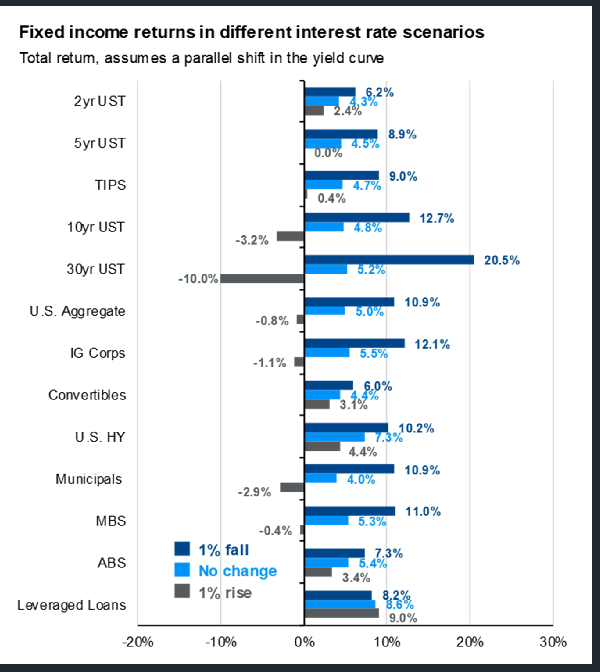
A widely shared scenario model on X says the iShares Core U.S. Aggregate Bond ETF, or AGG, would return about -0.8% over the next year if yields rise 1%, but about +10.9% if yields fall 1%. The post is being used to frame the improved carry profile of bonds after the selloff.
The backdrop is a U.S. Treasury market still under pressure, with the 10-year yield repeatedly testing the 4.8% area. Recent coverage has pointed to Treasury buyback plans, sticky inflation, and heavy sovereign supply as the main forces keeping long-dated yields elevated.reuters.com, fx168news.com
That matters for AGG, TLT and other duration-heavy bond ETFs, but also for rate-sensitive equities, REITs and leveraged credit. Investors have been rotating toward short-duration funds and higher-grade corporate credit as a way to preserve income while limiting mark-to-market swings.cmnews.com.tw
The Fed outlook is also feeding the move. A recent report on stronger-than-expected August job gains said the data lifted expectations for a September rate hike, and this week's inflation print plus Treasury buyback details could set the tone for the next leg of bond trading.fool.com, zhitongcaijing.com
Callum Thomas’s Sept. 6 Weekly S&P 500 ChartStorm centers on the tape’s technical setup, seasonality, credit spreads, tech investment, capital-expenditure crowding out, profit margins and the split between “tech” and the “tech-nots.” chartstorm.info The series is closely watched by market participants looking for clues on U.S. market internals rather than headline index moves alone.
Recent installments show the same broader theme. On Aug. 9, ChartStorm said global equities were in a bull market and that investors were piling into tech stocks at a record pace, while the July 26 edition said the Mag-7, the S&P 493 and both cap-weighted and equal-weighted S&P 500 measures had peaked. chartstorm.info chartstorm.info The Sept. 6 note extends that debate over leadership, breadth and rotation.
For markets, the most exposed areas remain mega-cap tech and AI-linked supply chains, including semiconductors, cloud services, data centers and power infrastructure, while credit spreads and margin trends matter to bond investors and cyclicals. If tech capex keeps crowding out other forms of investment, relative performance may continue to hinge on the tech-versus-non-tech split.
The X signal itself is only a pointer to the new weekly note and does not add any independently verifiable numeric claims. All cited figures and context here come from the public ChartStorm pages and prior editions.
U.S. spot Bitcoin ETFs took in about $986.9 million in net inflows for the week ended Sept. 4, extending their streak to a third straight week of gains. Spot Ethereum ETFs added about $218.4 million, while XRP funds recorded roughly $18.96 million in net inflows and Solana funds about $6.18 million.
The latest numbers add to a broader recovery in crypto fund demand. Reports citing SoSoValue data said Bitcoin ETFs saw roughly $731 million of inflows on Sept. 3 alone, with BlackRock’s IBIT accounting for about $454 million, and that Bitcoin ETF inflows totaled about $3.8 billion over the past three weeks.
For XRP, the ETF flow is still meaningful but small relative to Bitcoin. The figures suggest investors are still allocating far more capital to Bitcoin wrappers than to altcoin products, even as XRP continues to attract incremental demand.
No new issuer guidance or product change was cited in the latest reports; the main story remains the flow data itself and the scale gap between Bitcoin and the rest of the field.
これまでの経緯
2026-07-17投稿3件 · 投稿者3人
T. Rowe Price launched the first actively managed multi-token spot crypto ETP, while CME added Bitcoin Cash to its crypto index futures.
市場
0x362a’s 15,785 ZEC short is down $5.27M英語原文
Lookonchain says the whale opened the position three days ago; Hyperbot shows the account still carrying multiple ZEC shorts near a liquidation threshold.
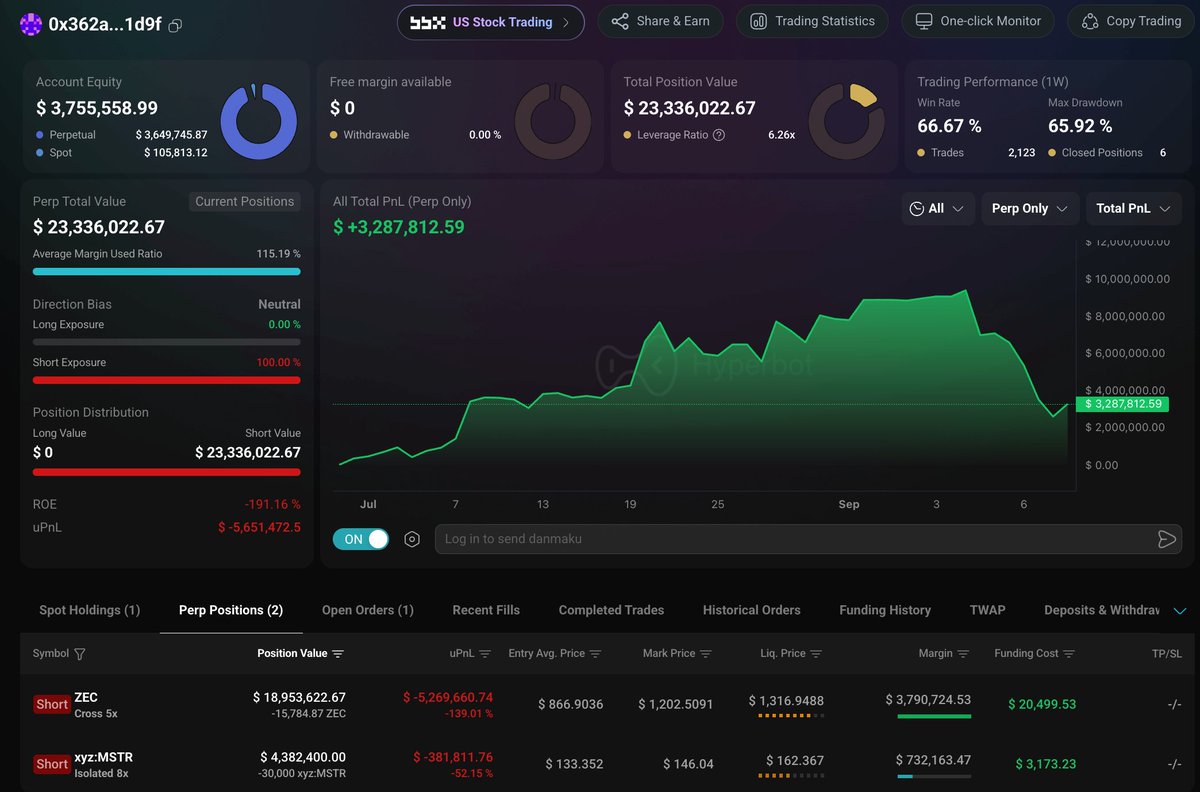
Lookonchain said on Sept. 7 that trader 0x362a shorted 15,785 ZEC three days earlier and is now sitting on a $5.27 million loss. The account had previously logged 26 straight winning trades, according to the same post.
A separate check on Hyperbot shows the wallet still holding ZEC perpetual short exposure, with the tracker listing about $16.81 million in position value, 5x leverage, an average entry near $866.9 and a liquidation price around $1,290.87. That makes the trade a large leveraged bet rather than a small speculative stub.
For crypto traders, whale positions like this are often watched as a real-time sentiment gauge, especially when volatility in the underlying token accelerates. The immediate market focus is ZEC and its derivatives, not equities or macro data.
There has been no public response from the trader. One social post also claimed the short was “$120 away from liquidation,” but that figure could not be independently verified from the materials checked, so it is not treated as fact here.
Analysts cited Robinhood Chain as a case study of ETH's economic evolution, while Solana led 24-hour DEX volume with $4.15 billion, with Robinhood Chain ranking third.
2026-09-03投稿40件 · 投稿者25人
Robinhood Chain generated $4 million in daily network revenue, a global record, lifting HOOD shares 13% and being called one of crypto's most asymmetric opportunities.
2026-09-04投稿51件 · 投稿者26人
Robinhood Chain launched on Phantom, but the network then halted block production, stalling transactions for at least 14 minutes with no cause disclosed.
2026-09-06投稿14件 · 投稿者11人
Robinhood Chain hit a record $3.7 billion in 24-hour DEX volume, overtaking Solana and reshaping the onchain market within two months of launch.
2026-09-07投稿5件 · 投稿者4人
Tokenized stock holders doubled in August, with Robinhood Chain, BNB Chain, and Solana accounting for 95% of holders, while Robinhood Chain generated over $8 million in fees on Friday.
Druckenmiller exited AVGO and memory stocks before July's chip crash, rotating into cloud names; SemiAnalysis reported Broadcom losing share as Google partners with AMD on TPU v10.
2026-08-27投稿10件 · 投稿者10人
Jensen Huang dismissed OpenAI's claim that its Broadcom-built Jalapeño chip beats GB300, saying he takes nothing personally; sentiment and positioning on AI infrastructure improved post-NVDA earnings.
2026-09-03投稿52件 · 投稿者39人
Broadcom guided AI revenue to ~$58B FY26, ~$115B FY27, and ~$230B FY28, a 4x jump in two years, with supply secured and demand exceeding outlook; Q3 results beat estimates.
2026-09-04投稿13件 · 投稿者12人
Markets weighed NVDA's supply-constrained growth, AVGO's AI revenue quadrupling in two years, and OpenAI Astra's AGI benchmark breakthrough; multiple firms cited demand exceeding supply.
2026-09-06投稿3件 · 投稿者3人
AVGO tested its 50-week EMA for the third time since 2023; an analyst noted management's $230B FY28 AI revenue forecast exceeded his model; photonics ecosystem drew attention.
2026-09-07投稿2件 · 投稿者2人
Dell's COO projected AI to comprise 75% of data center demand by 2030, adding 200 GW of power; analysts flagged CRDO and MRVL among optical and semiconductor names.