The White House on Monday released the terms of its deal with North American Blue Energy Partners (NABEP), adding detail to a Venezuela oil agreement first announced by President Donald Trump. Under the plan, NABEP would get 100-year development rights to 17 oil fields with about 65 billion barrels of proven reserves.
The latest disclosure also says the company plans up to $100 billion in oil infrastructure investment, while U.S. agencies would receive a 35% equity stake and a right to buy 20% of output at cost. The State Department would also have a first refusal right on the remaining production, according to the reporting.
For refiners, the arrangement matters because Venezuelan crude is typically heavy and can fit into complex refining systems. Shares of Phillips 66, Marathon Petroleum, Valero and Delek US are the most directly exposed among the candidate names, as traders weigh any future shift in heavy-crude supply and feedstock economics.
Reuters said NABEP confirmed the transaction, while the White House framed it as zero cost to U.S. taxpayers and a bid to revive Venezuela’s oil sector. Analysts cited in coverage said the challenge remains execution: rebuilding infrastructure, sustaining political support and turning paper rights into actual barrels.
Reuters, citing a person familiar with the matter, said Anthropic has signed a $35 billion cloud-computing deal with Lambda, an Nvidia-backed provider, for capacity at a data center campus in Nueces County, Texas. The site is being developed by Hut 8 and is said to cover about 350 megawatts.
The deal comes just days after Anthropic said it would spend $45 billion to rent AI cloud capacity from Nscale’s West Virginia campus. Together, the disclosures highlight how frontier-model developers are locking in infrastructure at an unprecedented pace.
For investors, the structure puts multiple names in focus: Anthropic as the customer, Lambda as the cloud intermediary, Nvidia as both investor and, per WSJ reporting, leaseholder on the underlying campus, and Hut 8 as the developer of the physical asset. The arrangement also points to continued demand for AI data-center capacity.
None of the companies immediately commented on the reported transaction. Key commercial details, including the amount Lambda will pay Nvidia for access to the facility, have not been disclosed.
Apple has completed a long-signaled leadership transition, with John Ternus taking over as CEO and Tim Cook moving to executive chairman. Cook said in a final memo to employees that he leaves the role with “enormous comfort” in Ternus’s leadership.
Ternus, who joined Apple’s design team in 2001 and rose to senior vice president of hardware engineering, inherits a company valued above $4.5 trillion and employing about 166,000 people. The handoff comes as Apple tries to accelerate its AI strategy while managing a complex supply chain and political pressure in Washington.
For investors, the key question is how the new chief will balance product execution with the need to catch up in artificial intelligence. Apple’s next major test arrives at its September 9 iPhone event, where the company is expected to show how the new leadership era translates into product decisions.
Cook is staying on as executive chairman, meaning the transition is less a clean break than a reallocation of responsibilities. That keeps continuity at the top even as Apple enters a new phase centered on hardware, AI and global policy relationships.
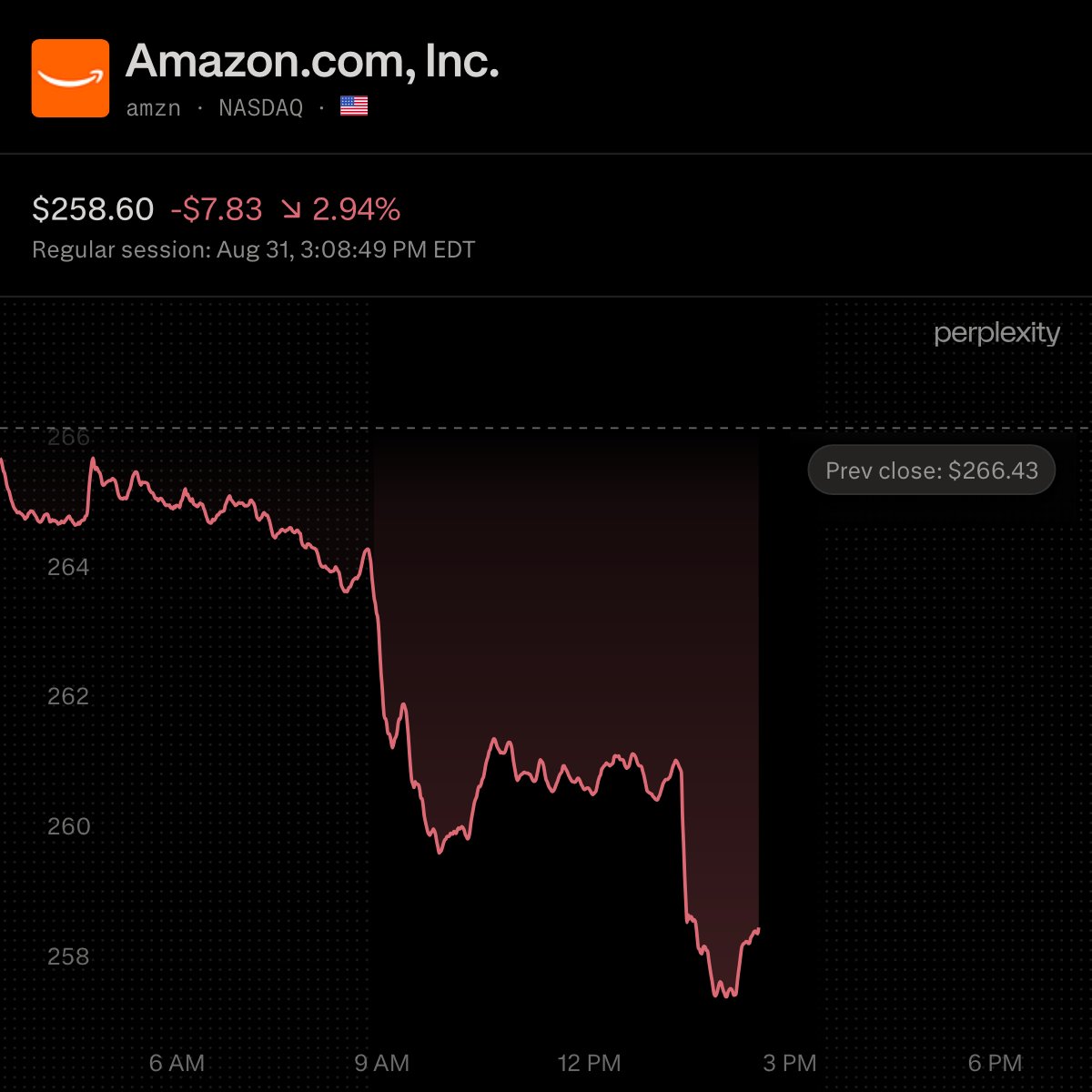
According to multiple reports citing people familiar with the matter, the U.S. Federal Trade Commission is preparing to sue Amazon over allegations that it misled advertisers about pricing and ad placement. The reported case would be brought alongside 22 states, adding breadth to the regulatory challenge.
The dispute comes as Amazon Ads has become a more important part of the company’s growth story. Amazon also unveiled its “First Day Ready” back-to-school campaign on Aug. 31, underscoring how central advertising and brand partnerships have become to the business.
For markets, AMZN is the direct focal point because the alleged conduct concerns ad auctions and pricing mechanics, which could affect advertiser costs and platform take rates. Any escalation could also increase compliance scrutiny around a business line that investors have been treating as a key profit engine.
Amazon has not yet issued a new detailed public response in the reports reviewed. The company has previously rejected broader antitrust allegations, arguing that its practices support competition, lower prices and faster delivery for customers.
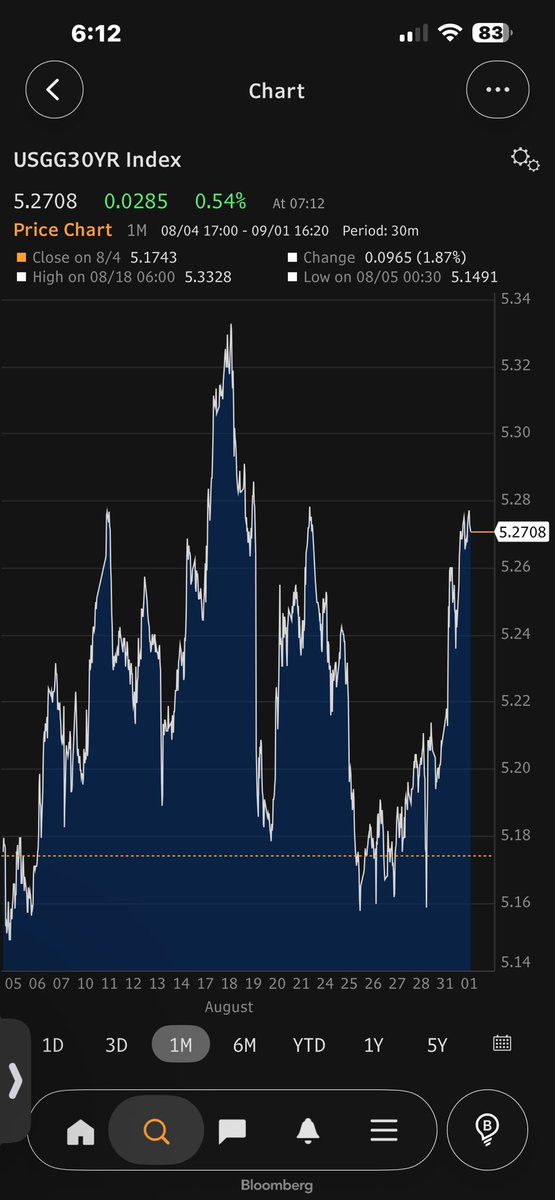
Global government bonds sold off again on Tuesday, with the U.S. 10-year Treasury yield trading near 4.788%, its highest level since January 2025, while Japan’s 10-year yield touched 3.00% for the first time since 1996. The latest move followed renewed fighting involving the U.S. and Iran around the Strait of Hormuz, which has lifted crude prices and put inflation back in focus.
The selloff has been broad-based, with Reuters citing fresh pressure on long-dated yields in the U.K. and Europe as well. Analysts also pointed to heavier sovereign supply and rising fiscal concerns in the U.S., where debt-service worries are increasingly colliding with a backdrop of sticky inflation expectations.
For markets, higher Treasury yields raise the discount rate for equities and feed through to consumer borrowing costs. CNBC said the average 30-year mortgage rate climbed to 6.87% on Monday, the highest since June 2025, underscoring how quickly rate-sensitive parts of the economy respond to moves in long-term yields.
Treasury Secretary Scott Bessent said higher energy prices should fade and described the bond market as the world’s best-performing market, but investors remain focused on oil, inflation prints and central-bank guidance. The immediate issue is not just one data point: it is the market’s repricing of longer-lasting inflation and funding pressure.
규제
Trump seals 9 pharma pricing deals, expanding MFN pact to 26 firms and 89% of branded drugs영어 원문
The White House says the latest round extends state Medicaid pricing deals and deepens its push to align U.S. drug prices with rich-world benchmarks.
President Donald Trump on Monday announced a new round of drug-pricing agreements with nine pharmaceutical and biotech companies, including Astellas, BeOne Medicines, CSL, BridgeBio, Sun Pharma, Teva and UCB. The administration said the deals will offer state Medicaid programs most-favored-nation prices tied to the lowest prices in other developed countries.
The announcement builds on earlier agreements with 17 large drugmakers. With the latest sign-ons, the White House said 26 companies are now covered, representing about 89% of the branded-drug market.
For investors, the most relevant names include U.S.-listed BeOne Medicines (ONC) and CSL, as well as other global drugmakers named in the deal. Bloomberg reported that the nine companies also committed to at least $19.6 billion in near-term U.S. manufacturing investment.
The administration has not quantified the savings from this latest batch of deals. Reuters noted that Medicaid already receives substantial statutory discounts, so the budget impact and patient benefit are still unclear.
Apple said in a new court filing dated Aug. 31 that OpenAI is destroying evidence tied to its trade-secrets case. The company also alleges former iPhone engineer Chang Liu downloaded a confidential Apple circuit schematic and used it in work at OpenAI.
The dispute stems from Apple’s July lawsuit, which centers on Liu’s access to Apple-linked cloud data after leaving the company and whether those materials were carried into OpenAI. Apple says a returned MacBook yielded fresh forensic evidence, including messages about destroying evidence.
For investors, the immediate relevance is legal risk for AAPL and renewed scrutiny of OpenAI’s hardware ambitions and employee mobility. Apple is seeking monetary damages and an order barring the alleged conduct and the destruction of proprietary materials.
OpenAI has previously rejected the claims and called Apple’s lawsuit meritless. The case is still in the pretrial discovery phase, with Apple pressing for expedited fact-finding.
사건 전개
2026-07-09게시물 3개 · 작성자 3명
Apple and Broadcom announced a $30 billion+ custom chip deal covering AI and wireless chips, with AVGO up 4.8%.
2026-07-11
시장
S&P 500 and Dow end August at record monthly closes as gold falls below its 200-day average and the dollar weakens for a second month영어 원문
Month-end positioning and rate expectations are splitting markets, with metals and the greenback moving opposite to U.S. equities.
U.S. stocks finished August with the S&P 500 and the Dow posting record monthly closes, extending the summer risk-asset rally. At the same time, gold has now logged multiple closes below its 200-day moving average for the first time since early June.
On the macro side, the dollar weakened for a second straight month, with traders linking part of that move to plans to accelerate Treasury debt buybacks. Recent market commentary also points to continued inflows into gold and bonds, suggesting investors are rotating around rates, supply, and policy messaging.
In equities, the month-end gains helped cushion the broader market, but rate-sensitive segments remain vulnerable to shifts in yields and Fed guidance. For metals, the break below the 200-day line is a technical warning sign for gold-linked products, while a softer dollar offers some support to commodity pricing more broadly.
There is no single one-way move across assets; instead, the tape looks shaped by rebalancing flows and changing expectations for rates and Treasury operations. The next key drivers are the Fed’s guidance, the pace of Treasury buybacks, and whether capital keeps moving from the dollar toward gold and bonds.
U.S. President Donald Trump will meet on Tuesday with refiners and fuel distributors to discuss ways to expand refining capacity, lift supply and bring gasoline prices down. The White House said the session will focus on near-term steps and include Energy Secretary Chris Wright and Interior Secretary Doug Burgum.
The meeting comes after a year of persistently high gasoline prices, with supply constraints and geopolitical disruption keeping pressure on refined-fuel markets. The administration also said it wants to support higher flows of Venezuelan crude into U.S. refineries.
Refining stocks remain in focus, including Valero Energy, Marathon Petroleum, Phillips 66 and Delek US Holdings. Reuters reported that Marathon, Phillips 66 and Valero posted a combined $12.6 billion in second-quarter profit, underscoring how strong crack spreads have supported margins.
The White House has not released a full attendee list, and Reuters reported Exxon Mobil was not invited. Industry sources also said executives may raise biofuel policy and the Jones Act, both of which can affect fuel shipping and supply costs.
Global markets stayed under pressure on Tuesday as oil prices and sovereign yields rose together. Japan’s 10-year benchmark yield topped 3% for the first time since 1996, while Brent crude held above $92 a barrel.
The move came as renewed Middle East tensions, including U.S.-Iran clashes, revived inflation concerns and lifted expectations for further policy tightening by major central banks. Traders also pushed up odds of a Fed rate hike later this year.
Equities felt the strain immediately: U.S. stock futures fell, Europe’s STOXX 600 weakened, and Asian markets traded lower. Higher yields raise borrowing costs and tend to hit rate-sensitive sectors, including technology shares that rely on debt to fund growth.
For now, the market is focused on the same three variables — oil, inflation and interest rates — with no sign of a near-term reversal in that setup.
Bloomberg reported that Hyperliquid Labs is in advanced talks with Payward, Kraken’s parent company, to make selected Hyperliquid perpetual futures available to U.S. traders through Bitnomial, Payward’s CFTC-regulated venue. The report said Payward has already presented a framework to the Commodity Futures Trading Commission, but any launch would still need regulatory approval.
The development matters because Hyperliquid has grown into one of the largest offshore perpetuals venues, yet its permissionless design and lack of a central operator have kept it out of the U.S. market. Decrypt said the platform handles more than $4 billion in daily volume, underscoring why regulators and market participants are paying close attention to the proposed structure.
Crypto markets quickly priced in the headline. Several industry outlets said HYPE briefly climbed to around $84 after the report, while Benzinga had previously noted that Hyperliquid Strategies (NASDAQ:PURR) rose 94% in August, reflecting spillover interest in the theme.
Neither Payward nor Hyperliquid Labs has confirmed a deal, and Bloomberg said the monetary terms were not disclosed. The talks remain subject to CFTC review and could still change before any U.S. launch is possible.
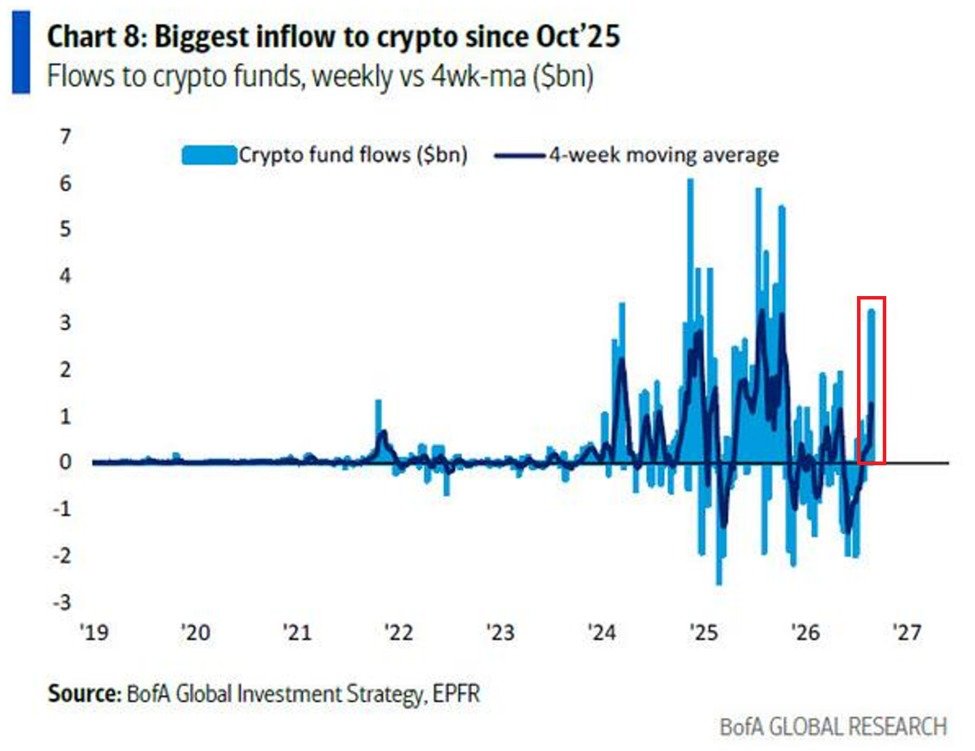
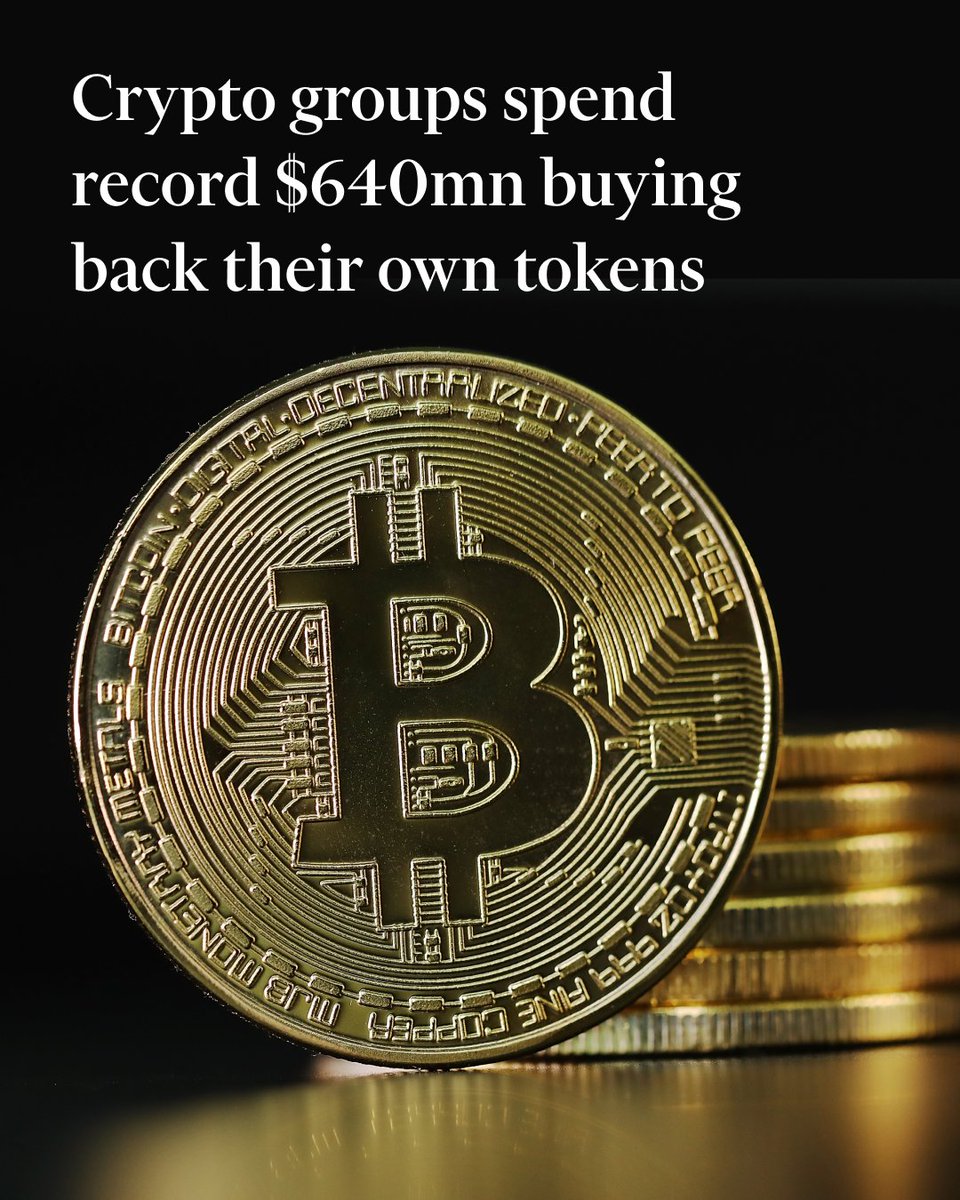
Market trackers say crypto ETFs drew $3.2 billion in net inflows last week, the strongest weekly intake since October 2025. BlackRock’s iShares Bitcoin Trust (IBIT) accounted for $928 million of that total, extending a $1.3 billion haul in the prior week.
The figures were first amplified by market commentary and then echoed by multiple outlets. 24/7 Wall St., citing BofA Global Research data, said crypto funds pulled in $3.2 billion and that IBIT had drawn $1.3 billion the week before; Cointelegraph later reported a $216.7 million daily rebound in Bitcoin ETF flows, with IBIT contributing $205.9 million of that amount.24/7 Wall St. Cointelegraph
For the market, the key issue is not just price action but the persistence of institutional allocation. IBIT remains one of the main vehicles for compliant bitcoin exposure in U.S. brokerage accounts, and sustained creations translate into real spot demand through authorized participants.
No new company statement from BlackRock was identified in the latest reports. X posts and third-party writeups broadly converge on the same direction of flows, though some accounts cite a lower $2.3 billion figure for crypto ETFs; the higher $3.2 billion total is the one more widely matched by the cited media reports.
사건 전개
2026-07-04게시물 3개 · 작성자 3명
Bitcoin showed weekly bullish divergence, with IBIT and MSTR reclaiming February lows seen as a potential squeeze trigger.
시장
PG&E falls 21%, Edison 23% as California wildfire bill leaves liability intact영어 원문
A weekend compromise in Sacramento failed to deliver the investor protections utilities had sought, prompting a sharp reset in wildfire-risk pricing.
California lawmakers advanced a wildfire-response bill over the weekend, but the package did not include the liability shield Governor Gavin Newsom had sought for investor-owned utilities. The omission sparked a sharp selloff in PG&E, Edison International and Sempra on Monday.
The market reaction reflects lingering concern that utilities could still face costly wildfire-related lawsuits and higher financing costs. Bloomberg reported that at least three analysts cut ratings on utility stocks after the bill was unveiled, underscoring how sensitive the sector remains to any change in liability rules.
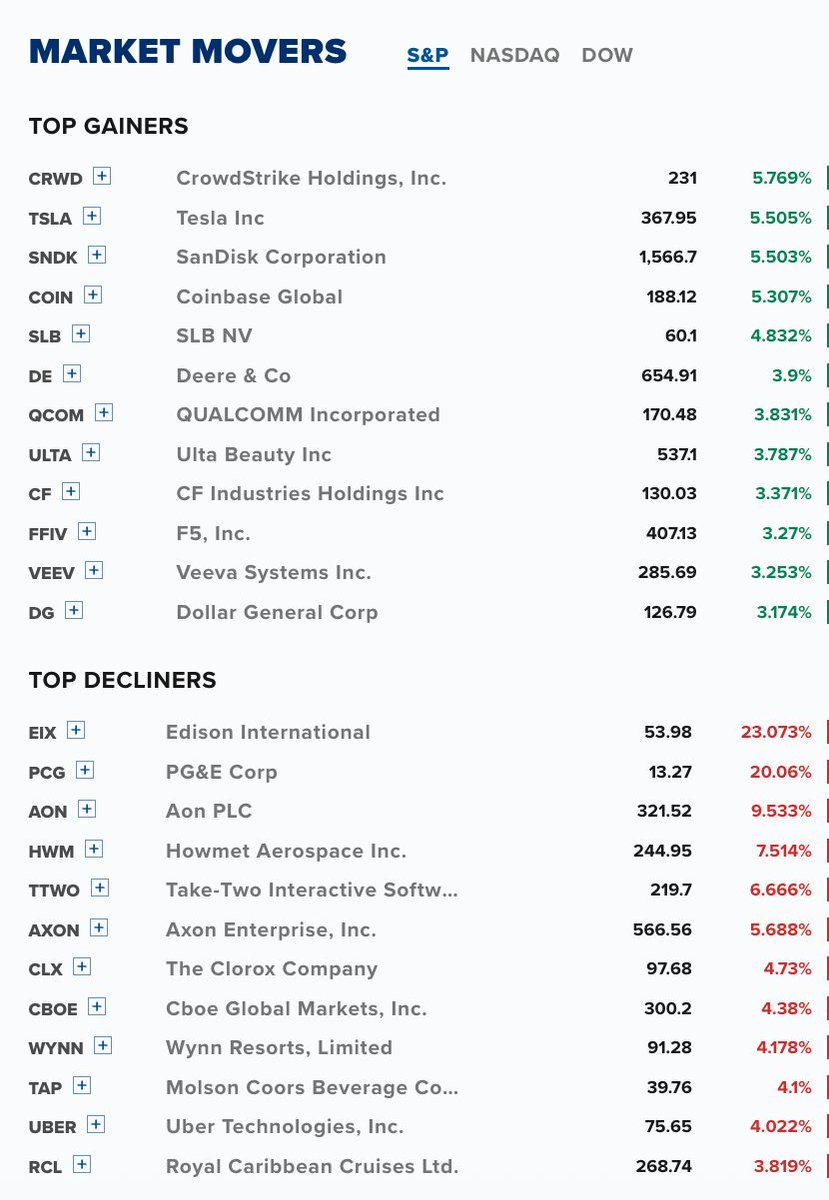
Intraday, PG&E fell as much as 21% and Edison International as much as 23%, while MarketScreener’s Reuters-sourced close showed PG&E down 20.06% to $13.27. TD World said the compromise did not restore the $18 billion wildfire insurance fund’s refill mechanism or preserve liability caps.
PG&E said the measure fell short of a durable, financeable framework, while Edison said only comprehensive reform could both protect fire survivors and allow the utility to access capital at a reasonable cost. Sempra was also dragged lower as investors repriced California utility exposure more broadly.
SB Energy filed its S-1 with the U.S. SEC on Sept. 1 and said it plans to list on Nasdaq and Nasdaq Texas under the ticker SBE. In the filing and accompanying announcement, the company said Nvidia intends to invest $3 billion through a mix of a private placement and a prepaid forward contract, while SB Energy disclosed a $439 billion contracted backlog.
The filing underscores how aggressively the AI buildout is reaching into power infrastructure. SB Energy said it has no operational data center capacity yet, but it has 8.8 gigawatts of contracted data-center capacity, including 803 megawatts under construction; it also said its Ports-Pike campus in Ohio could require up to 10 gigawatts of grid load at full buildout.
For investors, the news puts SBE and NVDA at the center of a growing AI-capex trade. SB Energy is effectively turning its backlog and strategic partnerships into an IPO story, while Nvidia is deepening its exposure to the infrastructure layer that supports AI compute demand.
The company said the offering is subject to regulatory and market conditions and that the share count and price range have not yet been set. Earlier reporting on valuation and fundraising targets varied, so the final prospectus will be the key document to watch.
Amazon Web Services and Microsoft Azure have launched a preview of direct private connectivity between the two clouds through AWS Interconnect – multicloud and Azure Multicloud Interconnect. AWS said the preview is available in four regions: US East (N. Virginia), US West (N. California), Asia Pacific (Sydney) and Europe (Frankfurt).
The significance is operational rather than cosmetic: multicloud networking has traditionally required custom infrastructure, carriers or lengthy manual provisioning. By productizing the link, the two cloud rivals are making it easier for enterprises to move workloads, data and AI traffic between environments without building their own private backbone.
The move matters most for AMZN and MSFT because cloud networking is a stickiness layer that can influence where workloads live and how much customers spend over time. For AWS, the service helps anchor enterprise traffic inside its network fabric; for Microsoft, it broadens Azure’s role in hybrid and AI-heavy deployments.
Neither company disclosed pricing, bandwidth caps or a full general-availability date in the initial announcement. Public descriptions say the service uses secure private connectivity and is designed to reduce provisioning time from weeks or months to a few clicks.
Police and multiple outlets said Bank of America vice president Erin Piacenti was killed in a stabbing attack in Times Square on Monday. A 68-year-old man was also stabbed and is in stable condition after being taken to hospital.
The attack unfolded in one of Manhattan’s busiest areas, with investigators saying the suspect carried two knives and appeared to act without a clear motive. Authorities also said the suspect had prior mental-health-related encounters with police, but no arrest history.
For markets, the incident does not change Bank of America’s earnings outlook or operating metrics, so any immediate effect is likely to be limited to sentiment and security concerns rather than fundamentals. BAC remains the core ticker to watch because the victim was a senior executive at the lender.
Bank of America has not been reported to have issued a fresh public statement on the case as of now. Police say the investigation is ongoing, and details may be updated as next-of-kin notifications are completed.
On X today, crypto traders and market watchers converged on a similar message: Bitcoin’s move above $80,000 is being treated less as a breakout to chase and more as a market to buy on dips. killaxbt said the focus should be on longs on pullbacks, while Kalshi Crypto posted a market-implied 25% probability that Bitcoin reaches $100,000 this year.
The backdrop is an unusually strong August. Bitcoin rose about 25% for the month, one of its best monthly gains in nearly two years, while spot Bitcoin ETFs drew roughly $924.48 million in net inflows last week and another $216.70 million on Monday. Strategy also said it bought 4,603 BTC for about $370 million, reinforcing the sense that institutional demand remains active.
For crypto-linked assets, persistent ETF inflows and corporate accumulation matter because they help absorb supply and keep sentiment constructive around Bitcoin exposure. That supports the broader ecosystem, including companies with BTC on balance sheets and vehicles that track the token more directly, even as traders debate whether the next move is consolidation or another leg higher.
The latest X chatter does not settle the bigger question of where Bitcoin tops out; instead, it shows the market is still focused on positioning, liquidity pockets and key technical levels. With year-to-date gains already substantial, the near-term trade is increasingly about how deep any pullback gets and whether buyers return quickly at lower levels.
사건 전개
기업
Sony and Warner sue Anthropic, seek $150,000 per song영어 원문
The publishers say Claude was trained on copyrighted lyrics and sheet music, deepening the music-industry fight over AI training data.
Sony Music Publishing and Warner Chappell have sued Anthropic in California federal court, accusing the company of using copyrighted song compositions without permission to train its Claude AI models. The complaint says the material included works by the Beatles, Taylor Swift and Michael Jackson, among hundreds of others.
Reuters reported the case on Aug. 31, underscoring how copyright disputes around generative AI are now reaching music publishing as well as books and news. The filing adds another front to a broader wave of litigation over how AI systems are trained and what content can be used.
Media reports say the labels are seeking up to $150,000 per infringed copyright and want a court order blocking Anthropic from using their works in AI training. Anthropic said it disagrees with the claims and intends to defend itself.
For investors, the dispute keeps Sony’s music publishing arm and Anthropic in focus as the market weighs licensing costs, legal exposure and the wider economics of AI training data. Any broader fallout would also be watched by peers across the content and AI sectors.
The Information reported that SpaceX has reorganized leadership of its data-center operation, naming Jake Palmer to oversee physical infrastructure and Daniel Dueri to supervise compute infrastructure. The report also said co-founder Ross Nordeen left in March, underscoring a broader management reset after a rapid buildout.
The backdrop is a much larger AI infrastructure push. Earlier reporting said SpaceX’s Memphis data-center footprint has about 1 GW of compute capacity and hundreds of thousands of Nvidia GPUs, while the team has added more than 40 employees over the past year. The company has also been pushing Texas site visits, new hiring and power-supply work.
For investors, the story is mostly about execution risk and operating discipline rather than a fresh commercial contract. The key equity to watch is SPCX, while suppliers tied to the buildout — including Nvidia and APR Energy — remain part of the broader infrastructure trade.
No formal timeline for the leadership overhaul was disclosed in the report, and there was no indication that it reflected a breakup or a retrenchment. The development appears to be a post-buildout reorganization of responsibilities inside the AI division.
사건 전개
2026-08-05게시물 3개 · 작성자 3명
SpaceX's first public earnings showed $7.8B revenue (up 92% YoY), with Mizuho reiterating Outperform and $200 price target.
규제🔥진행 중
Trump backs data centers as 70% of Americans oppose local builds영어 원문
The White House is framing AI infrastructure as an economic necessity while local backlash is turning into a campaign issue.
President Donald Trump said on Monday that communities opposing data centers could end up “backwards and poor,” and urged Americans to “let data reign.” The comments are the latest high-profile defense of AI infrastructure as the administration leans into a pro-build message.
The broader backdrop is rising resistance to data-center construction across the U.S., driven by concerns over electricity bills, water use, noise and strain on local grids. CNBC cited a Gallup survey from March showing 70% of Americans oppose building AI data centers in their local area, including 48% who strongly oppose.
For AI infrastructure names, the debate keeps attention on the compute-and-power buildout rather than just model software. Recent coverage around CoreWeave (CRWV) also shows the stock and company remain tightly linked to the theme: its CEO sold about 308,000 shares for roughly $27.3 million on Aug. 25, alongside other insider sales and expansion headlines.
Republicans are increasingly treating the issue as an election variable, with the NRSC warning that backlash could spill into the Ohio Senate special election. So far, the White House, Vice President JD Vance and the NRSC have all tried to recast the fight as one about jobs, taxes and U.S. competitiveness, while opponents focus on local utility costs and environmental tradeoffs.
사건 전개
기업🔥진행 중
OpenAI ad business reaches $1B run rate in 200 days영어 원문
The company says ads are live in 40+ countries as it expands monetization ahead of a likely IPO, raising stakes for Alphabet and Meta.
OpenAI said on Monday that its advertising business has reached a $1 billion annualized revenue run rate, roughly 200 days after launch. The company also said ChatGPT ads are now available in more than 40 countries and will keep expanding to new markets.
The update matters because OpenAI is trying to prove it can build a diversified revenue model beyond consumer subscriptions, enterprise deals and usage-based APIs. Ads are now one of the clearest signs that the company is moving from product adoption to monetization at scale.
For the broader ad market, the main read-through is Alphabet and Meta, which could eventually face additional competition for brand budgets if ChatGPT advertising keeps growing. OpenAI says the ads are clearly labeled, do not change chatbot answers and do not give advertisers access to private conversations.
It is worth noting that the $1 billion figure is a company-reported run rate, not audited full-year revenue. Still, it suggests OpenAI’s ad push has moved from experiment to a meaningful business line ahead of a potential IPO.
사건 전개
2026-07-08게시물 4개 · 작성자 4명
Cloudflare and OpenAI announced a research pilot to improve search indexing, with Cloudflare touted as a potential AI economy megacap.
기업
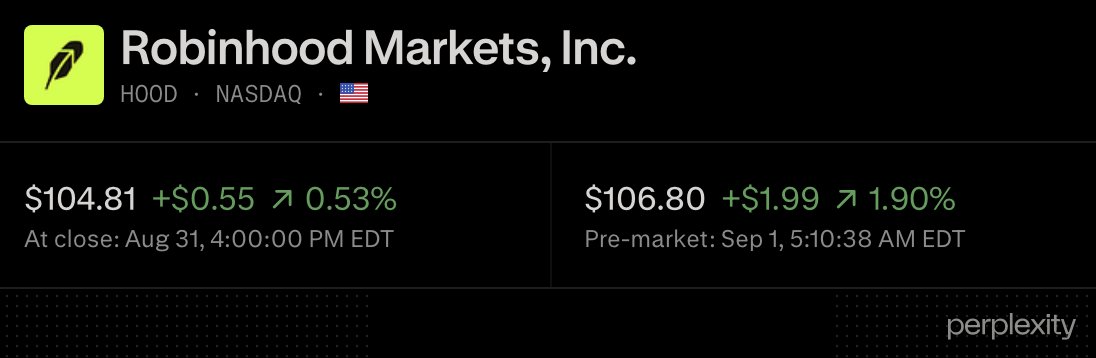
Robinhood Banking tops $4 billion as Morgan Stanley lifts HOOD target to $150영어 원문
The latest asset milestone adds to Robinhood’s banking momentum, while a fresh Wall Street upgrade highlights improving monetization across the platform.
Robinhood CEO Vlad Tenev said on X that Robinhood Banking has crossed $4 billion in assets, calling the jump a sign of customer trust in how the company handles money. The update was quickly echoed by several outlets covering the stock and product roadmap.
Robinhood’s banking offering is part of a broader push to turn the app into a one-stop financial platform. Public reporting earlier this year showed the business had already exceeded $3 billion in deposits and roughly 240,000 customers by late summer, underscoring the speed of adoption.
The milestone may help keep HOOD in focus with investors who are watching whether banking can deepen engagement beyond trading. Separately, Morgan Stanley upgraded Robinhood to Overweight and raised its price target to $150 from $124, saying broader products are improving economics across the existing customer base.
Robinhood’s banking services are provided through Coastal Community Bank rather than by Robinhood as a licensed bank, with FDIC coverage extended via sweep arrangements. The company also continues to promote new features, including Trump Accounts, as it broadens its product set.
Meta said on August 31 that Muse Code is out of beta and rolling into monthly subscriptions. The terminal-based coding tool is being positioned for larger engineering tasks, with multi-agent workflows, cross-session context sharing and a developer-preview SDK.
The move follows Meta’s August 5 launch of Muse Code beta, marking a shift from a trial product to a paid platform. Meta has also highlighted workflow orchestration and agent collaboration as core features, suggesting it wants Muse Code to function as a coordination layer for engineering teams rather than a simple code assistant.
For investors, the immediate relevance is to META’s AI product narrative and developer ecosystem, not near-term revenue. Meta has not disclosed full pricing details, usage caps or SDK documentation, so the key verified change today is commercialization starting, not the eventual scale of monetization.
Meta’s own post says monthly plans are rolling out with pricing starting at $5, and that the SDK is in developer preview. Third-party coverage echoed the same launch details, while leaving the commercial terms largely unspecified.
사건 전개
2026-07-08게시물 39개 · 작성자 28명
Meta's Muse Image rose to #2 in the Image Arena, while the company emphasized continued hunger for more computing power amid market turbulence.
기업🔥진행 중
Strategy buys $369.7 million of Bitcoin, lifts holdings to 845,050 BTC영어 원문
Saylor’s “We’re Back” post preceded the company’s first BTC purchase in roughly 10 weeks, reviving attention on its funding mix.
Strategy disclosed that it bought 4,603 bitcoins for $369.7 million between Aug. 24 and Aug. 30, at an average price of $80,318 each. The purchase lifted its total bitcoin holdings to 845,050 BTC, according to the company’s latest filing and follow-up reports.
The buy came after Michael Saylor posted “We’re Back” on X over the weekend, signaling the company’s return to accumulation after a roughly 10-week pause. In the interim, Strategy had been focused more on liquidity management, preferred-stock repurchases and balance-sheet adjustments.
Investors continue to watch MSTR because bitcoin purchases remain closely tied to the company’s financing model and equity issuance. The latest transaction was funded alongside roughly $602 million of common-stock proceeds, part of which also went to cash reserves and STRC buybacks.
So far, the company has not disputed the disclosed figures, which have been corroborated by multiple reports. The key question for the market is how long Strategy can keep supporting its bitcoin treasury through capital-market activity.
사건 전개
2026-07-03게시물 7개 · 작성자 7명
Analyst sees MSTR at $570; Saylor accused of selling Bitcoin.
기업
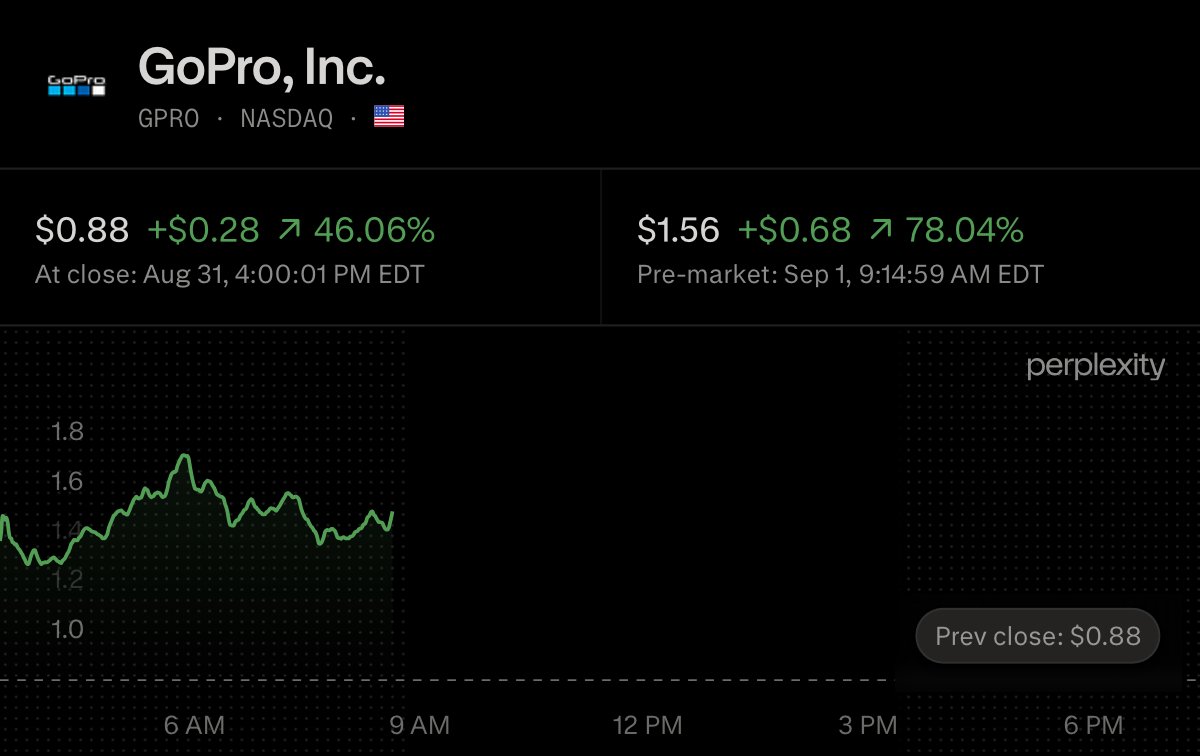
GPRO seen in $285M Starman Optical merger report, with $1.14 cash per share영어 원문
The X chatter would move GoPro’s restructuring from a strategic review into a potential deal, but no formal company announcement was immediately verified.
Multiple posts on X said GoPro has agreed to merge with private optical-photonics company Starman Optical in a $285 million recapitalization transaction. The reports said GoPro shareholders would receive about $1.14 in cash per share, keep roughly 10% of the combined company, and see about $92 million of GoPro debt repaid at closing.
The reported deal would build on actions GoPro has already disclosed this year. In May, the company said its board had launched a review of strategic alternatives, and in July it announced $20 million in financing from founder and CEO Nicholas Woodman, signaling an active effort to reshape the business and balance sheet. investor.gopro.com prnewswire.com
GPRO shares have already been highly volatile following earlier shareholder-related headlines, and media reports on Sept. 1 said the stock surged again in premarket trading. If the merger report is confirmed, traders will focus on the cash payout, the debt repayment, and the post-close ownership split rather than GoPro’s standalone action-camera business. 247wallst.com
As of now, the publicly verifiable record still stops at GoPro’s strategic-review disclosures and financing announcement; a formal merger filing or press release was not immediately found in the sources reviewed.
YouTube said on its official blog that Amazon has joined the YouTube Shopping Affiliate Program. Eligible U.S. creators can now tag Amazon products in Shorts, long-form videos and livestreams and earn commissions on sales, with the rollout starting Sept. 1, 2026.
The move extends YouTube’s push into commerce by bringing a major retailer directly into its creator monetization stack. For Amazon, the partnership expands product discovery beyond its own storefront and into one of the world’s largest video platforms.
For markets, the collaboration puts Alphabet and Amazon in focus. Alphabet could benefit from stronger YouTube monetization, while Amazon gains another off-site acquisition channel tied to creator content and video traffic.
YouTube said the program is limited to eligible creators enrolled in the relevant partner and influencer programs. Neither company has publicly disputed the setup, and investors will now watch for adoption, click-through rates and any lift in conversion metrics.
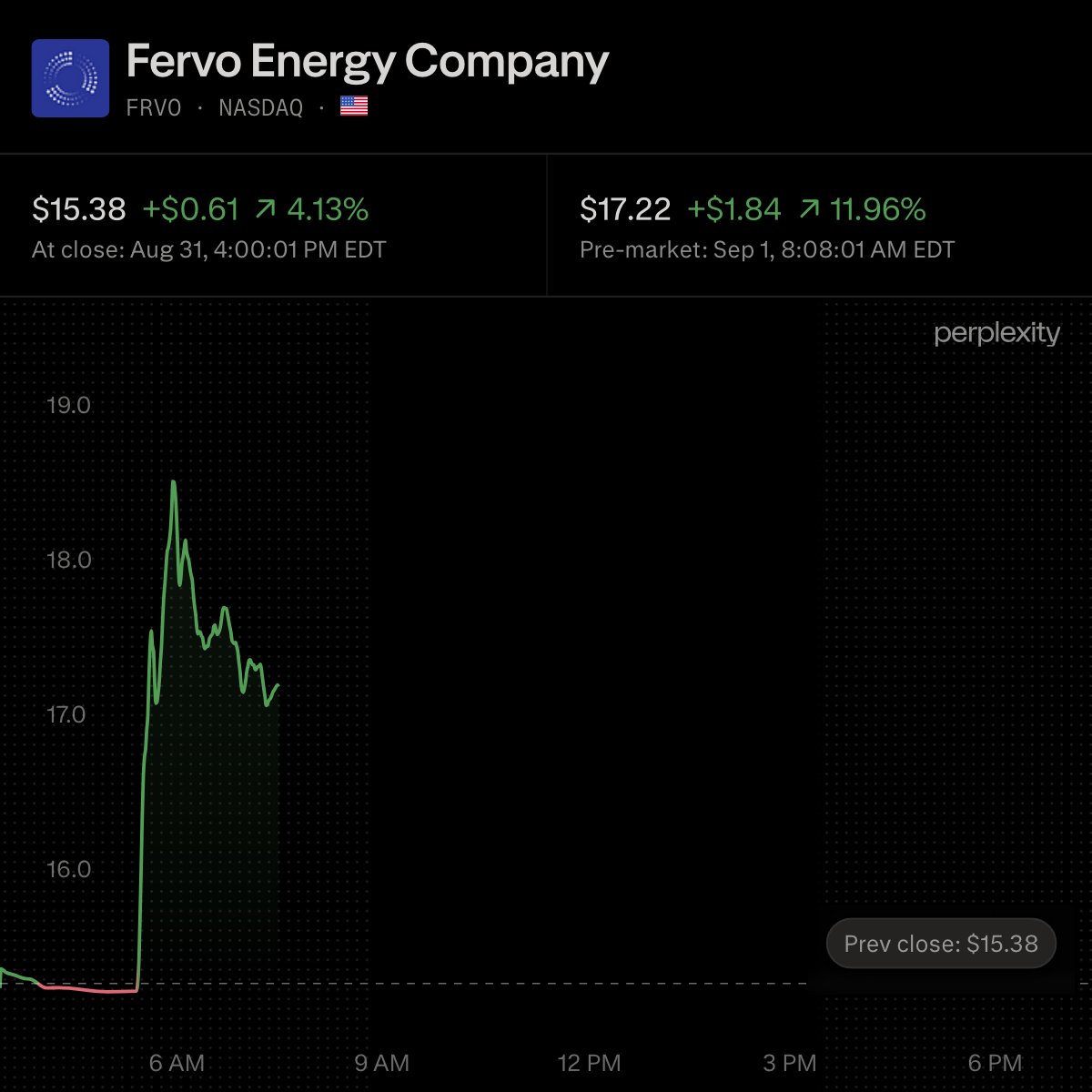
Google has signed a 396 MW geothermal power purchase agreement with Fervo Energy, according to WSJ and Reuters reports published on Sept. 1. The electricity will come from Fervo’s Cape Station project in Utah, with deliveries expected to start in 2028. Google would also be able to add roughly 600 MW more by June 2030, taking the partnership close to 1 GW.
The agreement comes as hyperscale tech companies keep hunting for reliable, carbon-free electricity to support data-centre growth. Compared with wind or solar, geothermal offers a more dispatchable supply profile, which helps explain why firm clean power is becoming a higher-priority input for AI infrastructure.
The market reaction was positive for Fervo, whose shares moved higher in pre-market trading after the report. For Alphabet, the deal reinforces its strategy of locking in long-dated power for compute-heavy operations, though the reports did not disclose contract value or term, limiting any direct read-through to earnings.
Fervo has not provided additional public detail in the reported coverage. The company’s Cape Station project has been positioned as a major enhanced-geothermal buildout, and Google had already been working with Fervo before this latest agreement.
기업
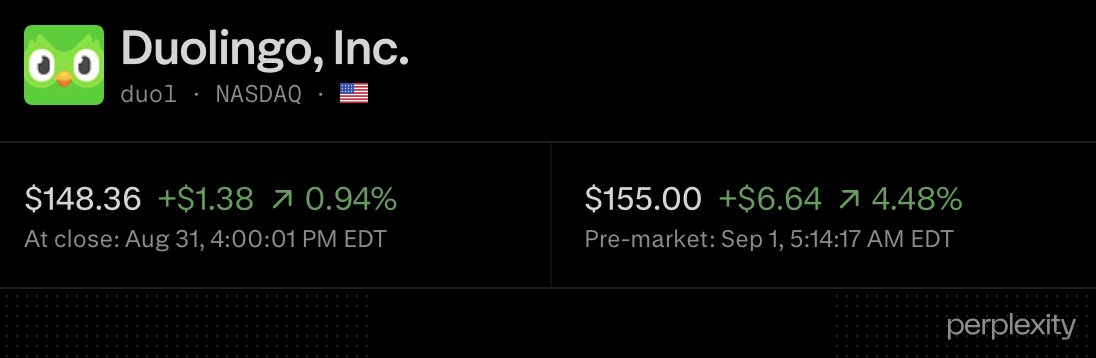
Evercore lifts Duolingo to $210, valuing it at 20x 2028 EBITDA영어 원문
The upgrade comes with higher 2027-2028 earnings estimates and helped Duolingo trade sharply higher before the open.
Evercore ISI upgraded Duolingo to Outperform from In Line and doubled its price target to $210 from $105. The firm said the new target is based on about 20 times estimated 2028 EBITDA and that its 2027 and 2028 EPS forecasts now sit 10% and 25% above Street consensus, respectively.
The call is the latest analyst reassessment of Duolingo’s business rather than a new company disclosure. Evercore said its view reflects a proprietary survey and an analysis of product improvements, while other market commentary framed the note as a “Netflix 2022” style setup.
The stock reacted immediately, rising about 6% to 7% in premarket trading. That strength stood out against a weaker broader market backdrop, with stock futures lower on the day, underscoring that the move was driven mainly by the analyst action.
Separately, other firms have also turned more constructive on Duolingo in recent weeks, but the key fresh detail today is Evercore’s doubled target and revised earnings assumptions. Duolingo had not publicly commented on the upgrade at the time of reporting.
Hims & Hers Health said on Aug. 31 that it has begun serving customers in Australia, marking the company’s first entry into the Asia-Pacific region. The rollout starts with the rebrand of Eucalyptus’ men’s health platform Pilot to Hims.
The company said Australia’s telehealth market is projected to reach $2.56 billion by 2034, and that the country could help it reach $1 billion in international annual revenue within the next three years. Hims also said nearly 30% of Pilot patients live in regional and rural Australia, underscoring demand for remote care.
For investors, the move is primarily relevant to HIMS, as it expands the company’s international footprint after the Eucalyptus acquisition. The Australian launch also provides a template for future brand transitions and localized operations across other markets.
The company said local leadership and Australian medical providers will oversee care in the market. Hims is also integrating Pilot customers into its own platform while preserving treatment plans and provider relationships.
Japan August consumer confidence rises to 35.5, topping 35.3 forecast영어 원문
The Cabinet Office survey showed a modest improvement in household sentiment, with inflation expectations still elevated. Investors will watch whether the pickup translates into actual spending.
Japan’s consumer confidence index rose to 35.5 in August from 34.9 in July, according to the Cabinet Office, beating the 35.3 forecast cited in market wires. The reading was released on September 1 and marked a fourth straight monthly increase.
The survey was conducted on August 15 and covered 8,400 households, with a 79.5% response rate. The share of respondents expecting prices to rise over the next year stood at 89.0%, down 3.8 percentage points from July, while views on daily life and durable-goods purchases improved.
For markets, the report is usually a secondary macro input for the yen, Japanese government bonds and Tokyo equities. The larger question is whether better sentiment feeds through to wages and household spending, which traders will gauge from upcoming labor and consumption data.
The headline figures were confirmed by the Cabinet Office release and matched by market news services that carried the same August reading and July comparison. No company-specific response is involved in this macro survey.
The U.S. Bureau of Labor Statistics said July job openings came in at 7.271 million, below the 7.313 million consensus and down from a revised 7.359 million in June. Quits fell to 3.056 million, with the quits rate slipping to 1.9%.
JOLTS is a closely watched gauge of labor demand and is released with a one-month lag, making it a useful cross-check on the labor market between monthly payroll reports. The latest print suggests hiring demand remains modestly softer even as openings stay historically elevated.
The release can matter for the dollar, Treasury yields and rate-sensitive equities because it feeds into expectations for Federal Reserve policy. Traders typically watch whether softer openings reinforce the case for a cooler labor market or whether the headline remains close enough to forecasts to limit the market reaction.
The BLS also revised June openings to 7.359 million from 7.182 million previously, a reminder that the series can move meaningfully after initial release as more survey responses arrive.
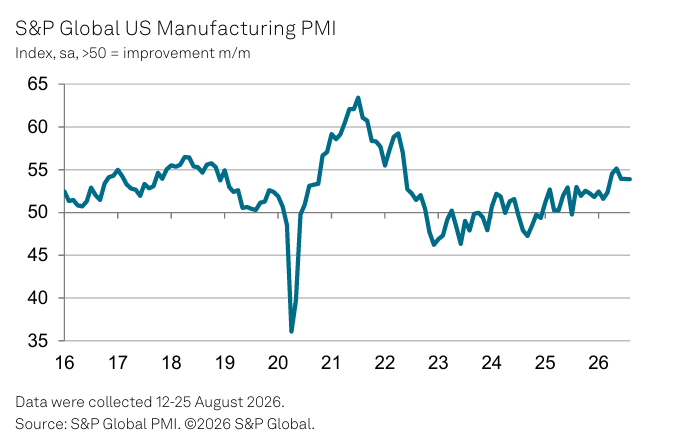
Final August manufacturing PMI data showed the eurozone at 52.7, slightly below the flash reading of 52.8 but still in expansion territory. Germany’s final print came in at 54.3, above the 54.1 forecast and unchanged from the prior reading, while France finished at 51.1, missing the 51.5 consensus.
The releases add another confirmation of the month’s manufacturing picture after the initial flash surveys. Reuters’ read-through highlighted that French new orders remained in contraction for a fourth straight month, even as output turned marginally higher for the first time since April, underscoring how uneven the recovery remains across the bloc.
For markets, the numbers are most relevant for the euro, Bund yields and rate expectations, with industrial names in Germany typically the most sensitive equity channel. A stronger German print alongside softer French and Spanish data suggests investors will keep watching whether the improvement broadens beyond the core economy.
No fresh company or policy response was cited in the released reports. The data instead serve as a timely confirmation that eurozone manufacturing is expanding, but not yet in a synchronized way.
Deere & Co. said on Sept. 1 it has introduced JD, an AI assistant built into Operations Center that lets farmers ask questions about their field, machine and operational data. The company says the tool can help users get answers on topics such as fertilizer use, crop performance and operational efficiency.
The launch extends Deere’s digital strategy beyond its 2025 Help AI feature, which focused on equipment setup and troubleshooting. JD moves the company further into data analysis across farm operations, rather than just support for machinery and manuals.therobotreport.com pubt.io
For investors, the update reinforces the software-and-data narrative around DE, though it is not a near-term financial catalyst on its own. The stock has recently benefited from analyst optimism, and the new AI product may help support Deere’s longer-term precision-agriculture positioning.benzinga.com fool.com
Deere said JD will start with a limited early-access program for select U.S. agricultural customers before broader availability later this year through web, mobile and eventually in-cab displays. The company also reiterated its farmer data commitment, saying customers control their data and Deere does not sell farm data.
Novartis said on Sept. 1 that remibrutinib met the primary endpoint in both REMODEL-1 and REMODEL-2, two Phase III studies in relapsing multiple sclerosis. The oral BTK inhibitor reduced annualized relapse rates versus teriflunomide and also improved key inflammatory MRI measures.
The data add a fresh catalyst for Novartis’ neuroscience franchise. Remibrutinib is already marketed as Rhapsido for chronic spontaneous urticaria, and the MS program enrolled about 2,000 patients worldwide across the two trials.
Shares rose in premarket trading as investors focused on the drug’s commercial potential and the possibility of a new oral option in a large autoimmune market. At the same time, the company is still managing scrutiny around a separate cell-therapy program that was paused after three patient deaths, though that issue is distinct from the remibrutinib readout.
Novartis said it will present the full dataset at a medical meeting in Toronto and plans to seek regulatory approval globally. The company described the safety profile as favorable, with no liver safety signal observed in the phase III studies.
Bessent fires back at Druckenmiller over $4 billion buybacks, 10-year yield flat영어 원문
The Treasury chief says the buyback program is already helping steadier trading, while the debate underscores who sets the tone for long-dated U.S. rates.
U.S. Treasury Secretary Scott Bessent pushed back on criticism from investor Stanley Druckenmiller in a CNBC interview on Monday, saying the veteran hedge fund manager “changes his mind a lot” and joking that he may have lost money after publishing his warning. Bessent also said he had spoken with Druckenmiller after the op-ed and described the conversation as fine.
The dispute centers on Treasury’s decision in August to at least double longer-dated debt buybacks to $4 billion per operation, an effort aimed at calming volatility in the long end of the U.S. curve. Bessent said the department has not yet executed the larger buybacks, but argued that the announcement itself has helped support market performance.
Bessent repeatedly defended the U.S. bond market as the strongest globally, saying the 10-year Treasury yield has been flat since President Trump took office. That stands in contrast with Druckenmiller’s Wall Street Journal argument that liquidity tools cannot solve a solvency debate and may only delay the reckoning.
For markets, the fight matters most for Treasury yields, rate-sensitive assets and the pricing of long-duration debt. The immediate issue is whether Treasury’s repurchase program can temper disorderly moves in the curve, not a change in the underlying fiscal backdrop.
사건 전개
시장
S&P 500 stock correlation falls to 0.10 as SPY volume hits a 2004 low영어 원문
A split tape is making index flow less reliable and individual names more prone to abrupt moves.
A market note widely circulated on Tuesday said the median 63-day correlation between S&P 500 stocks and the index itself has dropped to +0.10, a record low. At the same time, SPY trading volume slipped to its weakest monthly level since September 2004, underscoring how thin and fragmented broad-market participation has become.
The backdrop is a late-August tape marked by sector rotation and rising macro stress. Reporting from the final trading day of August pointed to renewed US-Iran tensions, higher crude prices and firmer bond yields, which helped drive a more segmented market where mega-cap tech, energy and defensives were not moving in lockstep.
That kind of setup tends to matter most for heavily owned names. Alphabet fell below its 200-day moving average, while Coinbase remained a focus in crypto-related equity trading, showing that stock-level catalysts can now overpower index-level cohesion more easily than they did earlier in the year.
The key takeaway is structural rather than directional: lower correlation can improve dispersion opportunities, but it also weakens the stabilizing effect of index flows. In practice, that means traders are watching liquidity, breadth and single-stock volatility more closely than the headline index trend.
U.S. stocks opened September lower. Market posts on X highlighted declines in the S&P 500, Nasdaq and semiconductor shares, while oil and gold-linked assets held up better on the session.
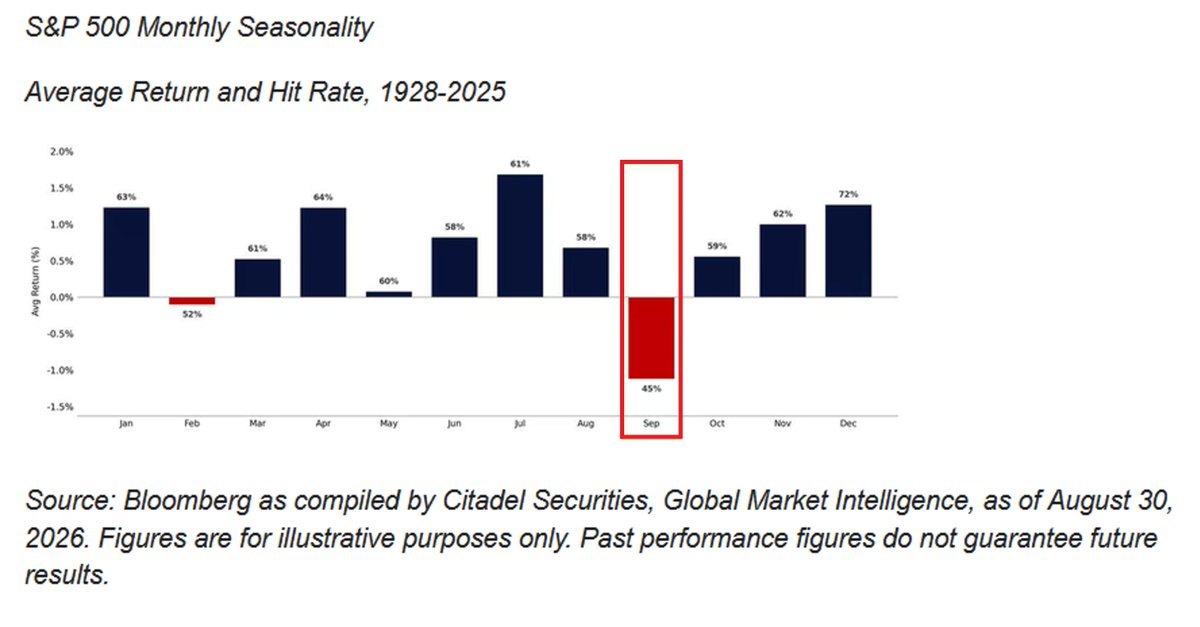
August had ended on a stronger note. Prior coverage showed the S&P 500, Dow and Nasdaq each gained 2.4% for the month, but September has long carried the weakest seasonal profile for U.S. equities, with the S&P 500’s long-run average September return in negative territory.
The first-day move matters because semiconductors and AI-heavy names carry outsized influence on index performance. X chatter pointed to weakness in SMH, QQQ and SOXX, suggesting chip stocks were a key drag, while gains in USO reflected continued sensitivity to energy prices and geopolitical risk.
Still, recent research frames September seasonality as a statistical tendency rather than a rule. Carson Research, Bespoke and Investopedia all point to a historically soft month, but the AI trade and recent earnings strength have kept this year’s setup from fitting the usual pattern exactly.
The Vanguard 500 Index Fund marked its 50th anniversary on Aug. 31. Vanguard says the fund, launched in 1976 as the First Index Investment Trust, now has more than $1.7 trillion in assets across all share classes.
The milestone matters because the product helped define passive investing. Vanguard says the original idea of tracking the S&P 500 at low cost was once met with skepticism, but index funds are now a common building block in retirement plans.
For investors, the scale of the Vanguard 500 family continues to make the product line a reference point for the broader S&P 500 ETF and mutual fund market, including VFINX, VFIAX and VOO. Vanguard also said Investor Shares returned 13.40% year to date as of Aug. 28, with an expense ratio of 0.14%.
The anniversary does not bring a new product change, but it keeps Vanguard’s flagship index strategy in focus. The message from the company is the same one it has pushed for decades: broad diversification, low costs and staying invested over the long term.
사건 전개
2026-08-14게시물 3개 · 작성자 3명
Leon Cooperman disclosed Q2 portfolio with top holdings in Vertiv, Rocket Companies, and Energy Transfer; discussions also covered Powerball payout decline due to bond yields and a simple TLT/XLE system outperforming trend-following indices.
기업
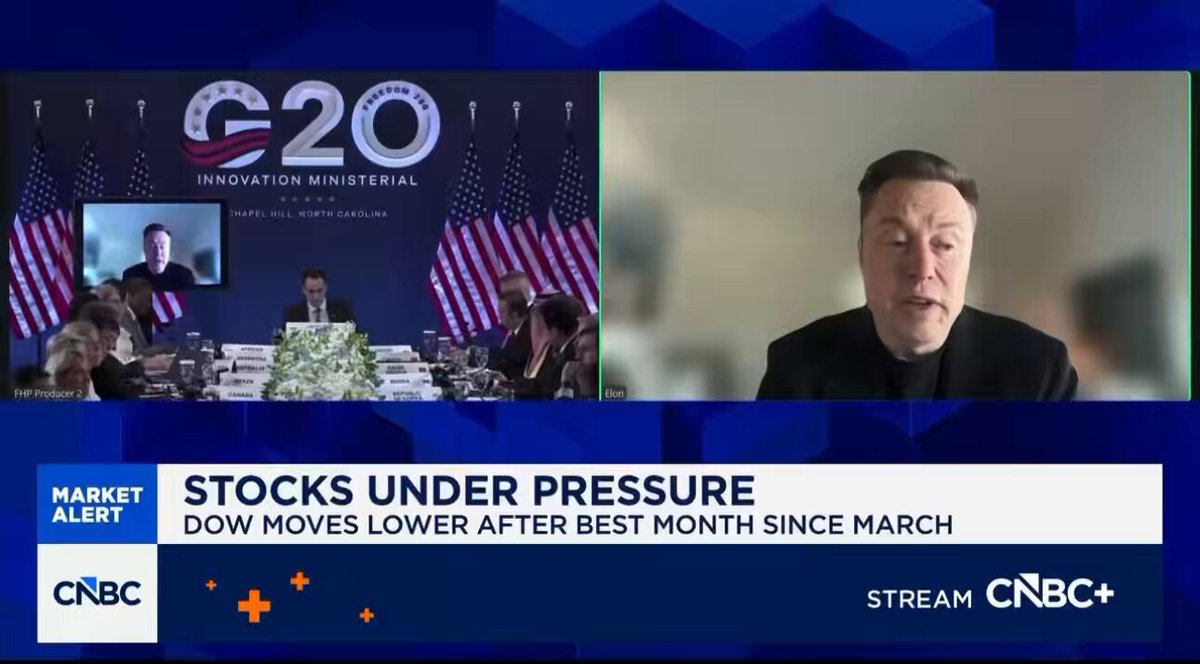
Musk says AI could lift global GDP 20% to 30%, as TSLA doubles down on autonomy and robots영어 원문
He says AI is already delivering “significant productivity gains,” with physical AI at the center of Tesla’s bet.
Elon Musk said artificial intelligence is already producing “significant” productivity gains and could ultimately increase the global economy by 20% to 30%. He said physical AI is a major part of that outlook, as Tesla continues to bet on self-driving cars and humanoid robots to automate transportation and labor.
The remarks extend Musk’s recent bullish framing of AI adoption. A separate follow-up report translated his top-end estimate into roughly $30 trillion in annual economic value, underscoring how large the implied productivity expansion would be if the vision materializes.
For markets, the key ticker remains TSLA. Tesla’s investment narrative has increasingly shifted from EVs toward robotaxis and Optimus, and Musk’s comments reinforce investor attention on autonomy and robotics as the company’s long-term growth engine.
The comments are a forecast, not a financial disclosure, and Tesla did not announce fresh guidance with the remarks. Investors will still need to see real product rollout, scale-up and profit conversion before the macro story translates into company results.
Apple sued OpenAI, accusing it and its hardware chief of orchestrating trade secret theft to build AI devices, sparking widespread attention.
2026-07-14게시물 20개 · 작성자 18명
Musk said OpenAI 'stole' all of Apple's phone tech, and Apple's lawsuit threatens to upend OpenAI's iPhone rival plans.
2026-07-15게시물 22개 · 작성자 17명
OpenAI unveiled its first device, a screenless AI speaker designed by Jony Ive; Apple explores acquiring AI chip firms.
2026-08-31게시물 4개 · 작성자 4명
Reports said OpenAI bought tens of thousands of Apple Macs for AI agents, while Anthropic rents Macs via AWS, potentially boosting Apple's Mac business.
2026-09-01게시물 26개 · 작성자 20명
Apple accused OpenAI of destroying evidence and claimed an employee accessed secret power converter plans and trained AI on proprietary data.
Bitcoin showed catch-up momentum vs. equities and gold; Ark Invest increased its stake in crypto infrastructure stocks; US spot Bitcoin ETFs recorded their 8th consecutive weekly net outflow.
2026-08-21게시물 31개 · 작성자 25명
Spot Bitcoin ETF daily volume exceeded $5.3 billion, and weekly net inflows reached $1.6 billion, the highest in 10 months.
2026-08-25게시물 31개 · 작성자 26명
Thailand's SEC proposed rules for Bitcoin and crypto ETFs; US spot Bitcoin ETF volume surged 72% above average, trading over $5 billion that day.
2026-08-26게시물 40개 · 작성자 28명
Thailand's SEC advanced spot Bitcoin and Ethereum ETF approvals; US spot Bitcoin ETFs saw $2.08 billion in inflows over five sessions; BlackRock enabled direct BTC-to-IBIT swaps at $1 million to reduce tax liabilities.
2026-08-31게시물 6개 · 작성자 6명
Commentators reflected on the once-mocked Winklevoss Bitcoin ETF filing, now a massive inflow leader; Solana, Ethereum, and Bitcoin ETFs have all surpassed $1 billion in assets.
2026-09-01게시물 18개 · 작성자 13명
US spot Bitcoin ETFs saw $924 million in net inflows last week; crypto ETFs globally attracted $3.2 billion weekly, the largest since October 2025, while rising Treasury yields accompanied the news.
Meta released Muse Spark 1.1, topping MedScribe and TaxEval benchmarks, while sparking privacy debates over image generation from Instagram photos without notifications.
2026-08-06게시물 26개 · 작성자 22명
Meta launched AI coding agent Muse Code, positioned as a cheaper alternative to Claude Code and Codex, with Muse 1.2 model quality reportedly surpassing Google's.
2026-08-10게시물 27개 · 작성자 23명
Meta announced open-sourcing its most powerful model Muse Spark 1.2 and unveiled lightweight Muse Glimmer for local devices, seen as America's open-weights counterpart.
2026-08-27게시물 4개 · 작성자 4명
Meta was reported to potentially spend $10B annually on Anthropic's models despite public criticism, and launched Muse Image API at $0.01 per image, revealing reliance amid external scrutiny.
2026-09-01게시물 5개 · 작성자 5명
Muse Code exited beta with paid plans, adding multi-agent workflows and shared context for complex engineering tasks.
Trump's June trades revealed purchases over $500K in IWM and IOO ETFs, plus large buys in BRK.B and CTAS; top ETF list showed copper, uranium, and nuclear ETFs leading gains.