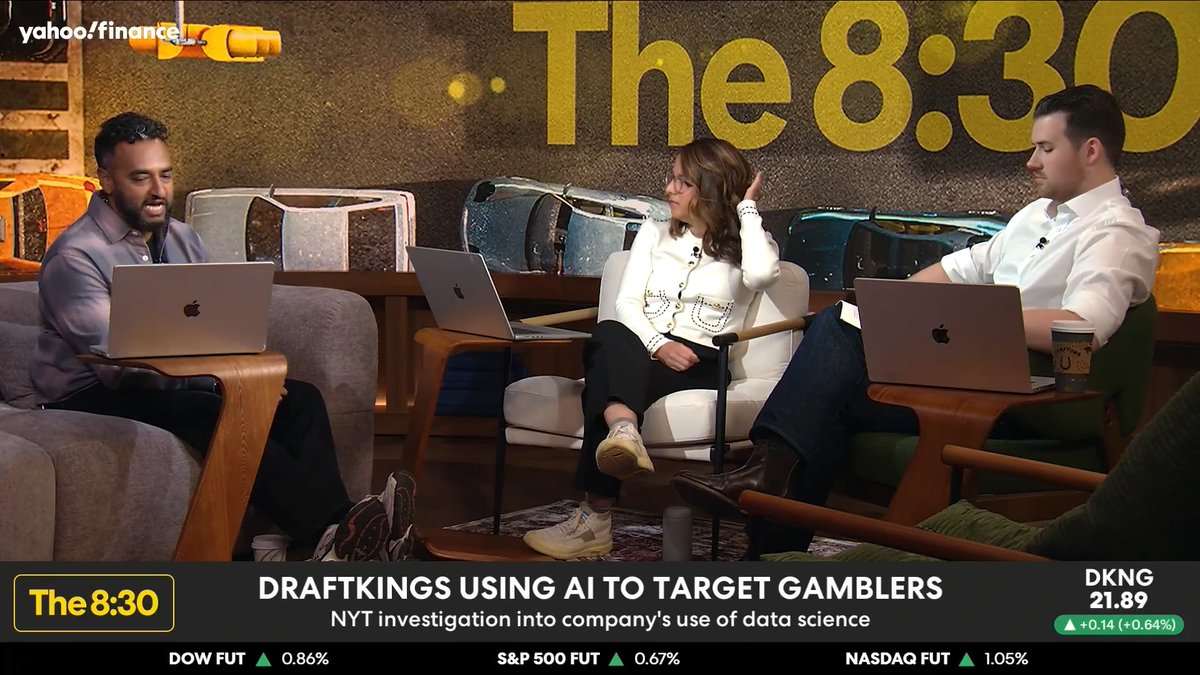
The New York Times says DraftKings built a machine-learning model in 2023 that ingested betting frequency, daily balance patterns, and the ratio of losses to total wagers, then assigned casino users an internal “elasticity” score. According to the report, the higher the score, the more promotional value the company expected from that customer.
The investigation also says DraftKings directed about $400 million in automated promotions in 2025 and that executives credited data science with improving sportsbook margins by 13% that year. It further reports the company shelved a separate internal effort in 2024 to detect customers drifting toward gambling harm.
For investors, the issue centers on DraftKings’ core business model and the reputational and regulatory risk tied to targeted promotions. Shares of DKNG are the obvious focus, since the dispute goes to how the company allocates marketing dollars and whether those tools cross the line into exploiting vulnerable users.
DraftKings told the Times that its offers go to customers showing sustained, engaged use of the platform, not to users selected because of losses. The company said it maintains a responsible-gaming program with deposit limits, time limits, self-exclusion, and monitoring of more than two dozen behavioral indicators.
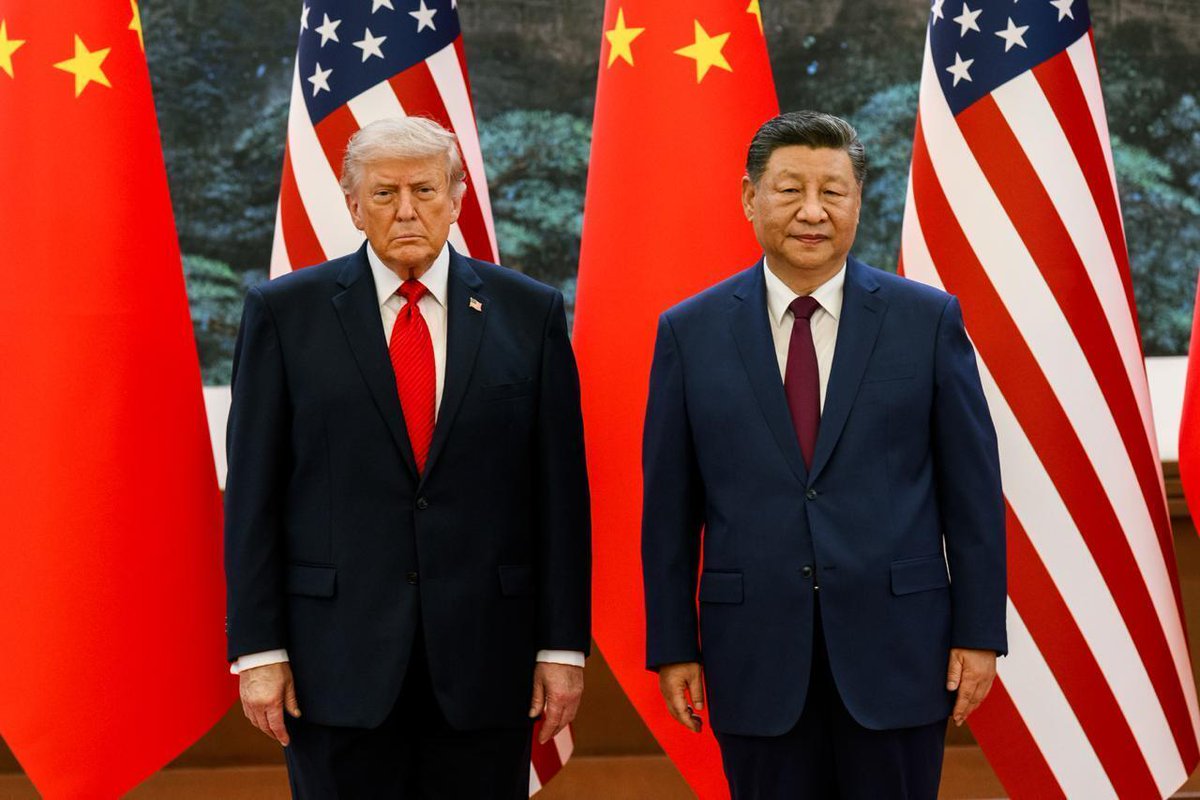
China’s Foreign Ministry confirmed that President Xi Jinping will make a state visit to the United States from September 23 to 25 and meet President Donald Trump. The talks are set to cover China-U.S. relations, global peace and development, according to Beijing.
The latest development is not the meeting itself, but the emerging agenda around it. Bloomberg reported that one possible deliverable is a revival of about $6 billion a year in U.S. LNG trade, while Reuters said the fragile trade truce expires in November and artificial intelligence has also become part of the discussion.
For markets, the focus is on energy exporters tied to U.S. LNG and on Chinese equities in the U.S., including Alibaba, which have been sensitive to shifts in bilateral ties. The reports suggest the summit is still centered on preserving the truce rather than announcing a broad breakthrough.
Beijing said it wants to deepen dialogue, manage differences and improve the relationship’s stability, while Trump said he would discuss “almost everything” with Xi. Reuters also reported that both sides have discussed a notification mechanism for AI-related incidents.
X signals say the European Union has fined Google $460 million for violating GDPR privacy rules. A second post independently echoed the same figure and allegation.
This sits alongside a recent local report on Alphabet, though the library does not include a direct article on the same enforcement action. The only nearby coverage notes that Bill Ackman’s Pershing Square sold its Alphabet stake in Q2, keeping Alphabet in the market spotlight.
The key listed ticker is GOOGL, since Google is the target of the fine. The material does not include any company response, so the report should stay limited to the confirmed enforcement action and its immediate market relevance.
Bitcoin briefly hit $85,248 on Monday, its highest level since Jan. 29. CoinGlass said more than $600 million of crypto positions were liquidated over 24 hours, with shorts making up the bulk of the move; CryptoSlate put the 24-hour liquidation total at about $750.5 million, roughly 86% from shorts.
The move came as institutional demand improved and risk appetite firmed. IG said U.S. spot Bitcoin ETFs drew about $433 million of net inflows on Sept. 18, leaving them with a modest $6.2 million net inflow for the week, while oil prices and Treasury yields eased.
Bitcoin also reclaimed an important technical area around its 50-week EMA after clearing the May resistance band. Several market reports said the rally has pushed BTC closer to the cost basis for U.S. spot ETF investors, around $86,000.
The rally has been amplified by forced short covering, which can extend price moves quickly but tends to fade once bearish positioning is cleared. Analysts cited by the reports said sustained gains will depend on fresh spot demand rather than liquidation-driven buying alone.
Market trackers say daily charter rates for very large crude carriers on the Persian Gulf-to-China route have climbed to about $1.035 million, nearly five times pre-war levels of roughly $208,000. Traffic through the Strait of Hormuz also thinned sharply, with only 17 commodity vessels crossing over the weekend versus about 125 large merchant ships before the conflict.
The surge comes as heightened security risk in and around Hormuz and heavier use of ship-to-ship transfers soak up scarce tanker capacity. Separate market data cited in recent coverage put average global VLCC earnings at about $651,000 a day, underscoring that the squeeze extends beyond one route.
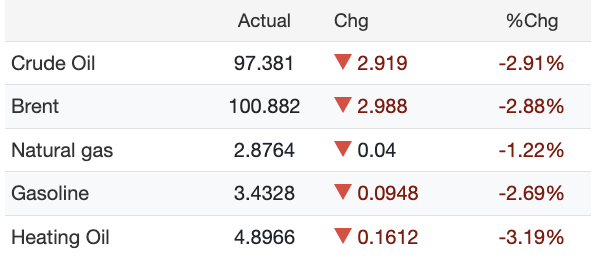
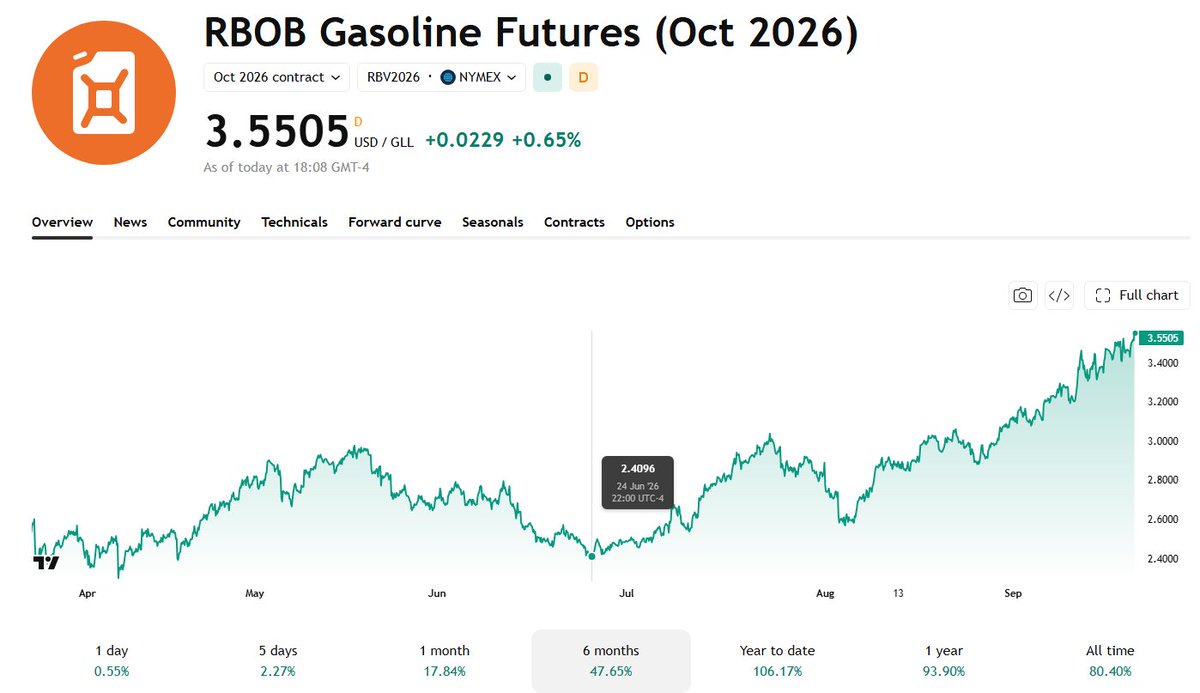
For refiners, the key metric is delivered crude cost, not just benchmark oil prices. Higher freight, insurance and war-risk premiums can keep gasoline and diesel prices elevated even if crude benchmarks ease.
Oil tanker owners with spot exposure, including Frontline, International Seaways and DHT Holdings, are among the most direct beneficiaries of the rate spike. The main watchpoint now is whether transit volumes through Hormuz and alternative Saudi export routes recover enough to release tankers back into the market.
사건 전개
2026-07-31게시물 3개 · 작성자 3명
시장
Treasury investors shift into short-dated bonds as yields top 5%영어 원문
Funds are moving to the front end of the curve, reflecting a renewed bet that inflation will eventually cool
Fresh market signals show investors are rotating toward shorter-dated U.S. government bonds. Bloomberg reported that buyers are favoring the front end of the Treasury curve on the view that the Federal Reserve will ultimately bring inflation under control.bloomberg.com
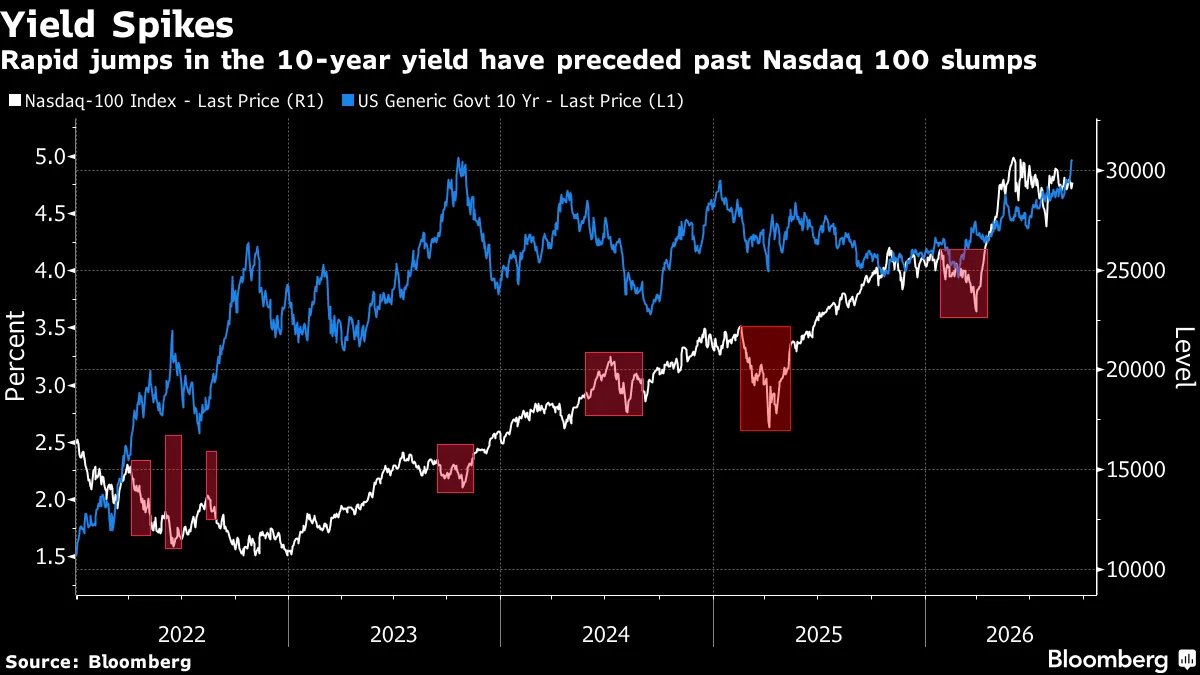
The move comes after a sharp rise in yields. Bloomberg said the 2-year Treasury yield has climbed to around 4.75%, while other market commentary says the 10-year yield has at times moved above 5%, making short-duration bonds relatively more attractive.bloomberg.com
For equities, higher yields typically mean pressure on valuations, especially in long-duration growth stocks such as tech. The shift also suggests investors are repricing the rate path: until policy is clearly nearer its peak, cash and short-term fixed income remain competitive.thedailyupside.com
The reports describe market positioning rather than a new policy move. Investors are still watching Fed officials’ comments for clues on whether rates stay elevated for longer.
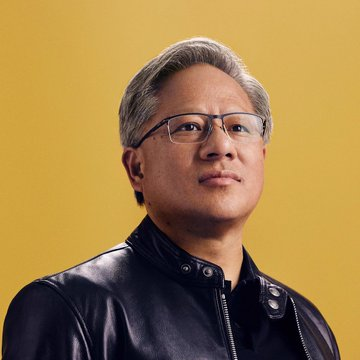
Nvidia CEO Jensen Huang said the industry moved too quickly on AI data centers and should have engaged local communities earlier. “We’re sorry we didn’t come talk to you sooner,” he said, while arguing that newer facilities use less water and should help fund local power systems, roads and schools.
The comments come as Huang continues to defend rapid AI development. In the same interview, he said the industry should go “as fast as we can,” but not faster than it should, and reiterated that existing laws on product liability, cybersecurity and unauthorized access are enough for now.
The broader backdrop is Nvidia’s central role in the AI infrastructure boom. CBS News reported that Nvidia’s market value has reached $5.3 trillion, making it the world’s most valuable company, while communities near new data centers are increasingly scrutinizing energy use, water demand and local disruption.
For investors, the issue matters well beyond NVDA shares. Any tougher local permitting or infrastructure requirements could affect the pace of AI capex across chips, servers, power equipment and data-center buildouts, even as Huang keeps pushing the case for faster deployment.
Paramount Skydance and California officials are in advanced settlement talks over the antitrust lawsuit tied to Paramount’s planned acquisition of Warner Bros. Discovery, according to multiple reports. One reported term would impose a financial penalty if the merged company fails to release 30 films theatrically a year.
The proposed merger has been facing one of its final regulatory hurdles. Reuters reported that the sides have also discussed a $1.5 billion California production investment and a pledge not to sell either studio lot, while other Democratic state attorneys general are still pressing for tougher protections.
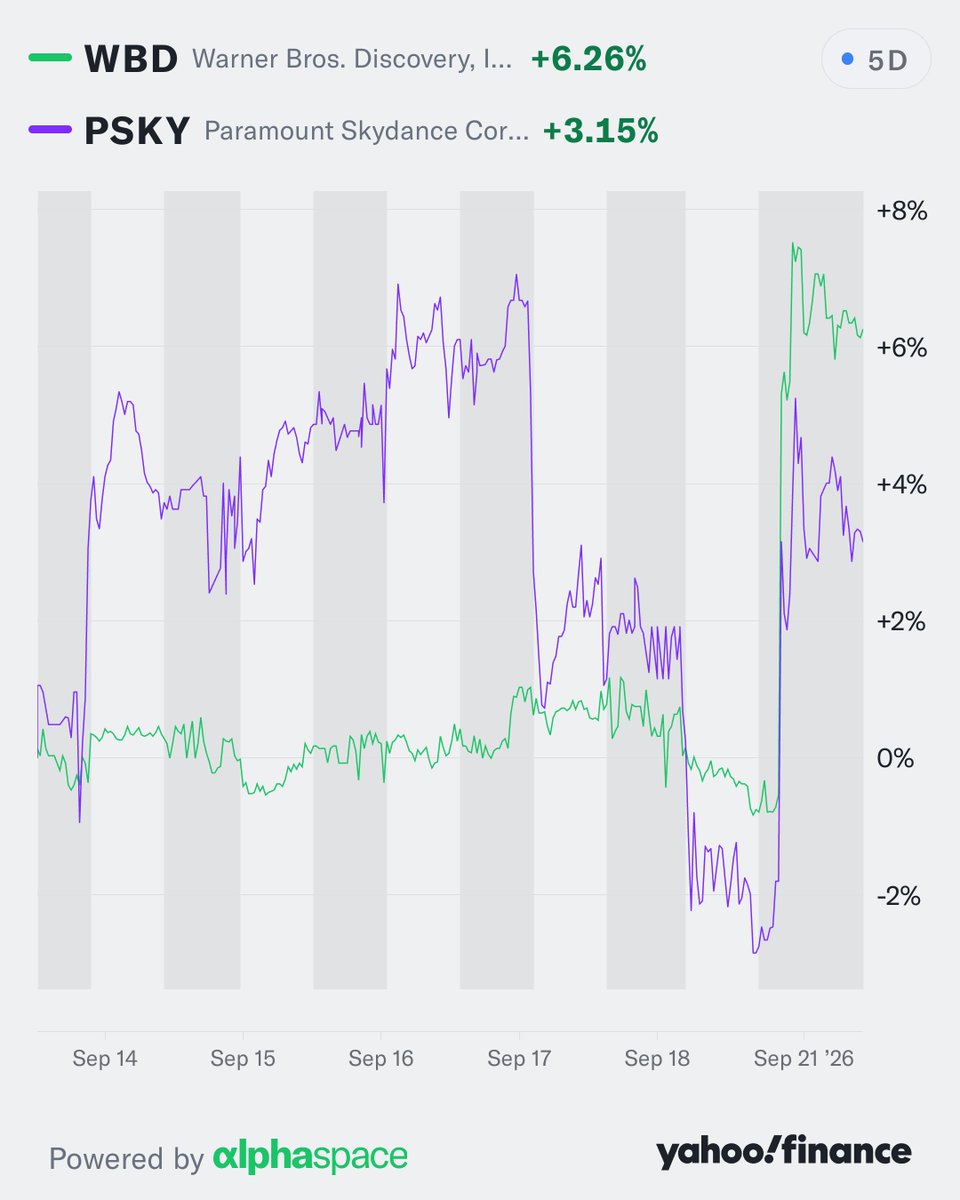
The stock market reacted quickly: Warner Bros. Discovery and Paramount Skydance both rose in premarket trading after the reports. Reuters said the moves added about $6.3 billion in combined market value if the gains hold, underscoring how closely investors are watching the settlement process.
California’s attorney general said settlement talks are confidential and could not be confirmed or denied, while Paramount had not immediately commented. Even if a deal is reached, the merger would still need to clear remaining procedural and financing steps before closing.
Coinbase said eligible U.S. users can now request IPO shares at the offer price before public trading begins. Multiple X posts said the rollout starts with Oura’s upcoming IPO.
The move expands Coinbase’s product scope beyond crypto trading into primary-market access for retail customers. In the past 48 hours, the site’s newsroom coverage of COIN was mainly about stock performance and broader crypto-market moves, not this feature launch.
For markets, the key ticker in focus is COIN, since the announcement reflects a new business capability for Coinbase rather than a peer comparison or backdrop story. Investors will likely watch how the company packages this retail offering and whether it broadens its platform reach.
The only directly verifiable details in the signal are that Coinbase says eligible U.S. users can request IPO shares before trading starts, and that Oura is the first available deal. The site’s news library does not show an earlier report on this same event.
Fundstrat co-founder Tom Lee said on CNBC that the S&P 500 could reach 8,200 by year-end and described the fourth quarter as potentially “one of the biggest rallies of our lifetime.” The remark circulated widely on X today after being picked up by crypto and market accounts.
The backdrop is a still-sensitive rate environment. A 24/7 Wall St. report noted that Lee’s call came just before the Federal Reserve’s latest move, while Ed Yardeni cut his year-end S&P target to 7,900 from 8,400 in a separate note cited by the same report.247wallst.com
For markets, Lee’s view matters most for rate-sensitive equities and risk assets: if sentiment improves, large-cap growth names and crypto proxies such as Bitcoin-linked stocks can move together more easily. But the immediate news is the fresh, bullish public framing, not a confirmed market outcome.
Lee also told CNBC he still sees the S&P 500’s 8,200 target as potentially conservative, according to a separate market summary published Monday. That keeps his message squarely in the bullish camp even as other strategists remain more cautious.stocktwits.com
사건 전개
2026-07-24게시물 12개 · 작성자 9명
기업
Meta unveils Petal, a 7,000-km transatlantic cable for 2029영어 원문
The new U.S.-France link is designed for 1 petabit per second and marks Meta’s latest subsea infrastructure push.
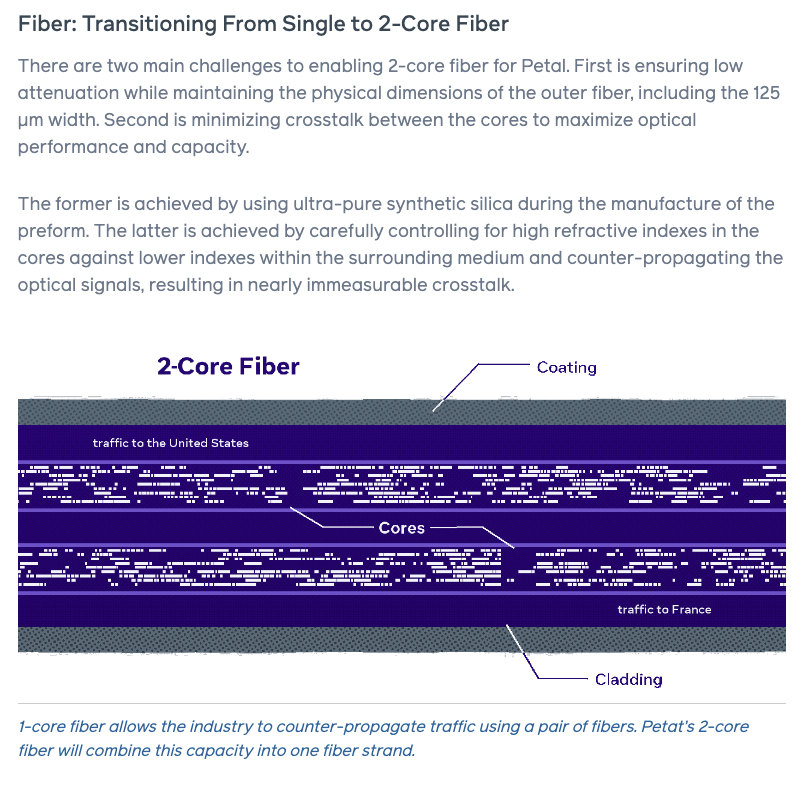
Meta said on Sept. 21 that it is launching Petal, a transatlantic subsea cable planned to connect the U.S. and France across roughly 7,000 kilometers and enter service in 2029. The company said Petal is designed for 1 petabit per second and would be the first transoceanic cable to deploy multi-core fiber technology at scale.
Meta said the system should deliver about twice the capacity of today’s best-in-class transoceanic cables without a proportional increase in power or physical infrastructure. The build will be developed with NEC and Sumitomo Electric Industries, with Orange supporting the French landing.
Subsea cables carry about 99% of intercontinental traffic and are a critical layer of the global internet. For Meta, the project adds another data-pipeline asset to support bandwidth-intensive services and longer-term AI infrastructure needs.
For investors, the announcement reinforces META’s position as one of the largest private backers of subsea cable systems. Meta said it has invested in more than 20 subsea cable projects, making Petal another sign of its continued commitment to the backbone of global connectivity.
Amazon said it plans to deploy an additional 5,000 smart delivery glasses in its delivery network this year and expects the total to top 20,000 devices by the end of 2027. The glasses use computer vision to put navigation, package scanning and address-verification prompts directly in drivers’ line of sight.
The disclosure adds fresh scale to a project Amazon had already described publicly as a hands-free delivery tool designed to reduce phone checks during route work. The company says the wearable system was shaped with input from hundreds of delivery associates and is intended to make last-mile operations safer and more seamless.
Amazon also said it is committing another $1.9 billion to its Delivery Service Partner program, alongside additional safety technology such as dynamic hazard alerts and surround-view cameras. For AMZN, the update underscores continued investment in logistics automation rather than a new revenue stream.
For the market, the headline matters because it ties Amazon’s AI story to a concrete operational rollout inside its delivery network. The company has not publicly denied the deployment figures cited in the latest disclosure.
Smart-ring maker Oura and some of its existing shareholders are seeking to raise as much as $2.2 billion in a U.S. initial public offering. The company plans to sell 50 million shares at $40 to $44 each, with Oura selling 13.5 million shares and existing holders offering the rest.
The filing puts Oura on track for a Nasdaq listing under the ticker OURA. In the updated paperwork, Eli Lilly indicated interest in buying up to $100 million of shares, while Dragoneer indicated interest in up to $300 million.
At the top of the range, the deal implies a valuation of about $14.1 billion. That would make Oura one of the larger consumer-device listings this year and put fresh focus on its recurring-membership model as well as its wearable-hardware business.
Oura has not added new public comment beyond the filing details reported by multiple outlets. Goldman Sachs, Morgan Stanley and J.P. Morgan are among the lead underwriters on the deal.
Oppenheimer reiterated its Perform rating on Tesla, saying the company’s shift into a vertically integrated Physical AI platform is advancing. The firm also said the Optimus humanoid robot could still face delays as Tesla works through manufacturing complexity.
The note lands alongside fresh supply-chain reporting from China. Media outlets said Tesla’s robotics team has been auditing suppliers in the Yangtze River Delta, including established auto suppliers such as Tuopu Group, Sanhua Intelligent Controls and Joyson Electronics, with checks focused on quality, compliance and production readiness.
For investors, the update keeps Tesla’s robotics story in a transition phase: still a key valuation narrative, but one that depends on supply-chain validation before it becomes a manufacturing story. The supplier reports have also kept shares of Tesla-linked component makers in focus, though the order and audit details remain industry-sourced rather than formally confirmed by Tesla.
Earlier reports said the third-generation Optimus is being positioned as Tesla’s volume-production model. Oppenheimer’s new takeaway is that even with progress on Tesla’s AI strategy, the road from prototype to mass production may remain uneven.
사건 전개
2026-07-23게시물 3개 · 작성자 3명
Musk noted growing overlap with SpaceX on Terafab but declined merger talk on the call; analysts questioned Tesla's valuation and Figure's competitive pressure.
규제
Microsoft AI chief says China should not be a shield against U.S. AI safeguards영어 원문
His CNN remarks sharpen the policy split in Washington, where industry leaders and the White House remain divided on how far AI rules should go.
Microsoft AI chief Mustafa Suleyman said on CNN’s Fareed Zakaria GPS that China’s AI progress should not be used as an excuse to block U.S. efforts on AI safety. He said, “I don’t think we should use China as the bogeyman for not making progress on our own efforts” on AI safety.
The comment adds to Suleyman’s recent push for shared norms and guardrails around advanced AI systems. Bloomberg reported last week that he argued regulation should be seen as a way to create common standards and improve safety, rather than as a brake on innovation.
For markets, the message matters most for Microsoft (MSFT) and the broader AI regulatory backdrop. Microsoft is a major AI developer and platform provider, so any shift toward clearer or stricter safeguards could affect compliance costs, product rollout speed, and the operating environment for the sector.
The remark also highlights the policy divide in Washington. The Trump administration has favored a more targeted, use-case-driven approach, underscoring that the debate is now less about whether to regulate AI than about what kind of rules should apply.
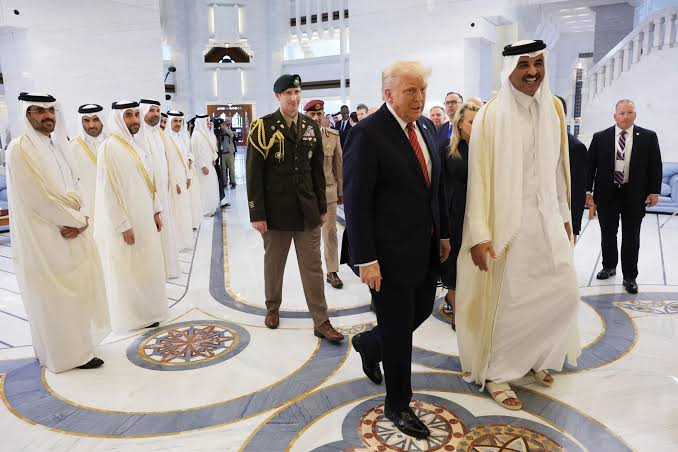
Qatar Investment Authority and J.P. Morgan Asset Management said they have signed a memorandum of understanding to create a $20 billion strategic partnership. The arrangement includes a $15 billion public equities mandate and a $5 billion private markets investment initiative focused on established middle-market companies in the U.S.
The announcement adds a formal layer to a relationship that had already surfaced in earlier reporting, but today’s disclosure provides the definitive structure and size. It also fits QIA’s broader push to work more closely with major Wall Street managers across public and private markets.
For markets, the significance is mainly at the asset-management and private-capital level, rather than as a direct read-through to JPMorgan Chase’s core banking franchise. Investors will watch whether the mandate translates into higher fee-generating assets and deeper activity in private credit and customized equity management.
Both firms framed the partnership as a long-term collaboration aimed at generating sustainable value. QIA said it wants access to JPMAM’s global equity and private-credit capabilities, while JPMAM emphasized its ability to deliver customized solutions across public and private markets.
The New York Yankees are reportedly close to completing a transaction that would give Apollo Global Management a 16% economic stake in the franchise and value the team at more than $12 billion.nypost.com The reported structure would make Apollo the club’s second-largest equity holder behind the Steinbrenner family.
This is an extension of an earlier financing disclosure: the Yankees had already announced a $2.6 billion investment from Apollo to support growth and refinance existing debt.longbridge.com The new reporting adds the expected ownership split, valuation, and more detail on how the financing is being structured.
If completed as reported, the deal would underscore Apollo’s push into sports investing through its Apollo Sports Capital platform. For APO, investors are likely to view the Yankees transaction as another high-profile deployment in alternative assets, though the latest step is still based on media reports rather than a formal closing announcement.
Current reports also say the Steinbrenner family would remain above 60% and that Apollo’s package includes both debt and equity components.manhattandaily.com Final terms have not yet been publicly disclosed.
NEAR has climbed more than 80% over the past seven days. Multiple reports said the token was trading around $4.17 on Sept. 21, up from roughly $2.30 on Sept. 13, with 24-hour volume nearing $2 billion.
The latest catalyst is near.com’s Sept. 17 switch of Hyperliquid perpetual futures to a “confidential by default” mode. The feature lets traders use more than 50 markets with leverage of up to 40x while obscuring the link between funding wallets and the accounts holding positions; NEAR Intents handles cross-chain routing across more than 30 blockchains and over 100 assets.
A separate milestone also added to the attention: Confidential Intents TVL topped $70 million, triggering the first snapshot under the NEAR@3.33 incentive program. Public reports also put cumulative NEAR Intents volume above $29 billion, giving traders a concrete usage benchmark for the privacy product.
The move does not replace Hyperliquid’s public execution layer or order book. Instead, it adds a privacy layer on top of existing infrastructure, and the market is reacting to the combination of product rollout, incentive mechanics and rising activity metrics.
사건 전개
2026-08-20게시물 3개 · 작성자 3명
Trump hosted a White House crypto summit with major firms, urging Congress to pass the CLARITY Act, while Moderna and Merck reported cancer vaccine trial progress.
시장
Meta’s Muse revives the CPU trade, lifting Arm and Intel영어 원문
X posts say AI agents need more CPUs; our news library shows Arm already gained 4% on Friday and chip shares stayed firm Monday.
Multiple X posts are converging on the same market theme: AI agents need more than tokens, they need CPUs to get work done. One post says Arm is building CPUs with Meta and OpenAI, while Meta’s new Muse agent is being treated as the latest catalyst for the trade.
That view fits recent coverage in our news library. Investopedia said chipmakers were broadly higher ahead of Monday’s open, and The Motley Fool noted that the AI trade remains hot even as valuations look stretched.
The market read-through points to ARM, AMD, and INTC as the names most directly tied to the CPU demand narrative. Defense World reported ARM was up 4% on Friday, and 247WallSt said AMD was up 5% premarket on Monday after a supply-chain report about a 10% chip price increase.
What is verifiable in the materials is the market reaction and the broader “agentic AI drives CPU demand” thesis. The specific Arm-Meta and Arm-OpenAI collaboration details appear in the X signal, while the news library does not add independent confirmation of those partnerships.
Stifel said DRAM bit growth is expected to slow to 15% to 20% in 2027, down from the mid- to high-20% range it expects for 2026. The firm also said industry supply would need to expand 40% to 50%+ to close the deficit.
The new call is a fresh read on the memory cycle, centered on DRAM and HBM4 pricing negotiations. Stifel added that HBM4 pricing per bit could roughly double as 2027 pricing talks wrap up.
For the market, the note keeps Micron and SK Hynix at the center of the memory-trade debate. The tweet also said phased-in collar-based supply agreements and near-term bit shipment constraints are limiting supply growth.
Recent coverage in the news database has also highlighted Micron and Korean memory peers against the backdrop of AI and data-center demand. The incremental development here is Stifel’s specific view on the 2027 supply gap, DRAM bit growth, and HBM4 pricing.
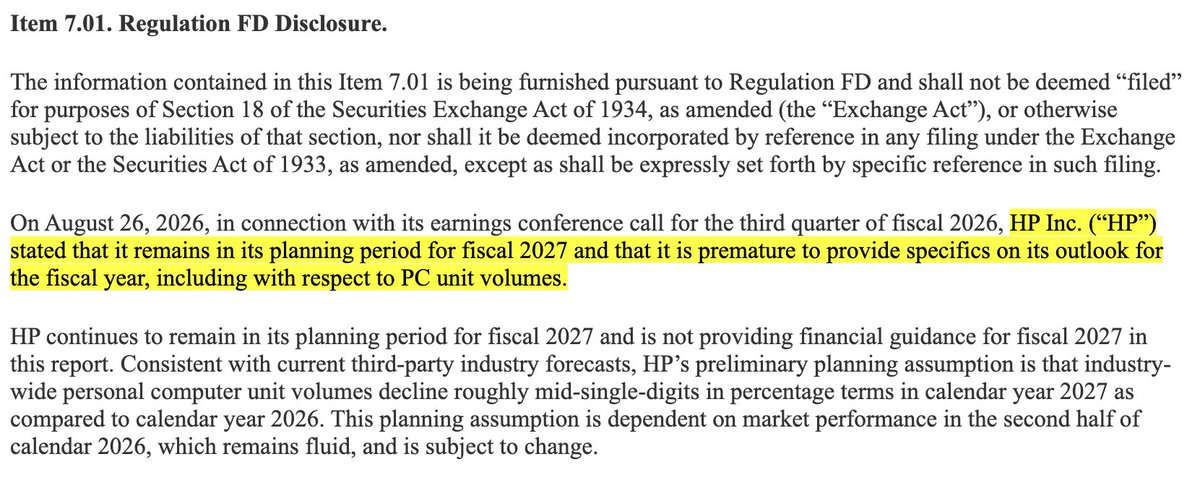
HP said its preliminary planning assumption is that industry-wide personal computer unit volumes will decline roughly mid-single-digits in 2027. The company stressed that this is not formal 2027 guidance and could change depending on how the PC market performs in the second half of 2026.
The stance extends a cautious outlook for the PC market. Barron’s reported the same day that HP withheld guidance and said it expects personal computer unit volumes to fall by a mid-single-digit percentage point in 2027 as costs continue to rise.
For investors, the focus remains on HPQ and broader PC demand trends. The comment may be read as a signal on industry shipping momentum, though the materials provided do not quantify any direct financial impact.
HP framed the figure as an internal planning assumption rather than a committed forecast. The company said the estimate remains contingent on market conditions later in 2026.
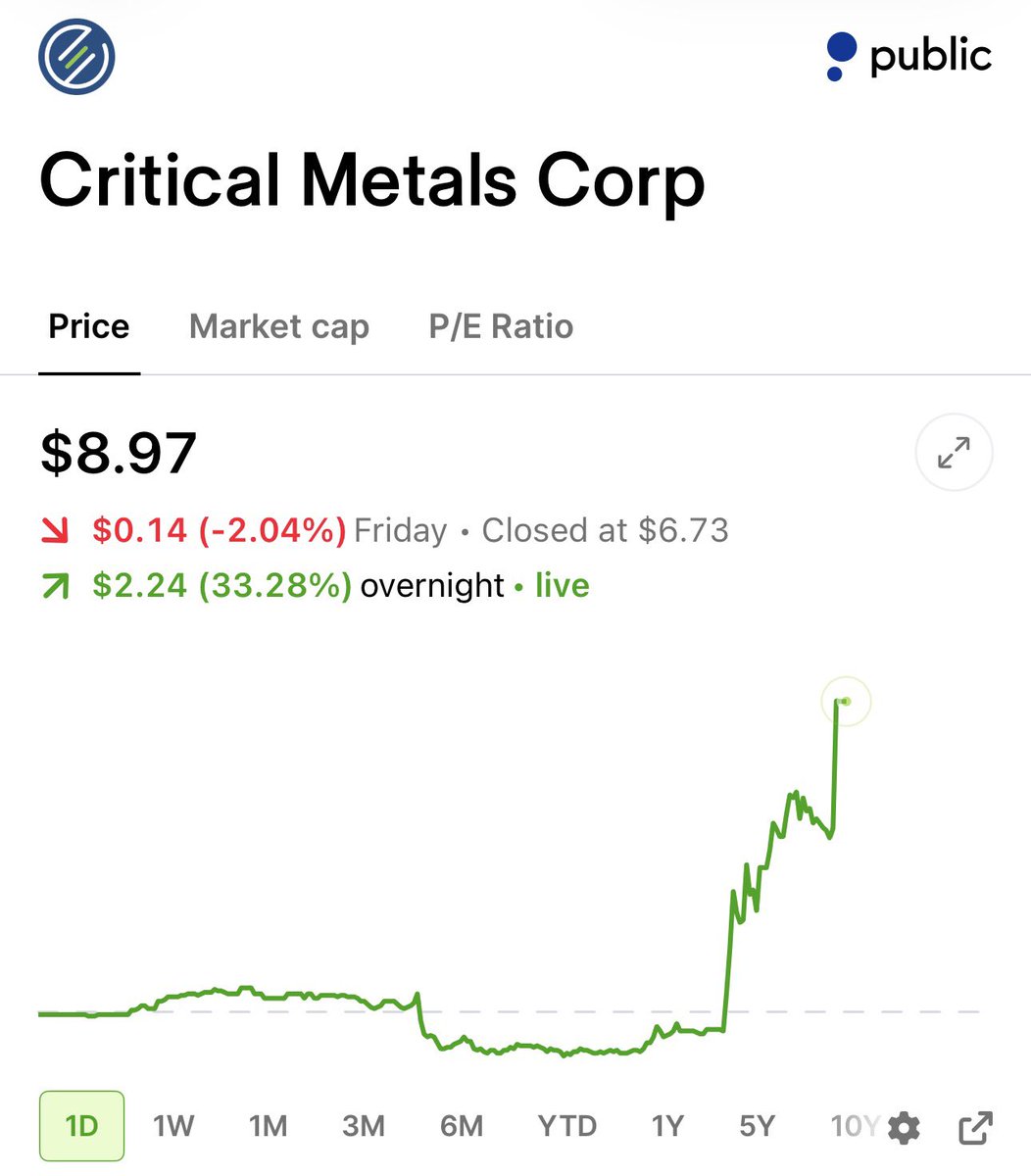
U.S.-listed Greenland names surged in premarket trade on Monday, led by Critical Metals (CRML), which was up roughly 25% to 27%, while Greenland Energy (GLND) and Greenland Mines (GRML) also jumped sharply. CNBC, 24/7 Wall St. and MT Newswires tied the move to President Trump’s announcement of a U.S.-Denmark-Greenland security arrangement.
The market reaction centers on reported provisions said to include permanent U.S. security access in Greenland, basing and overflight rights, and limits on sensitive investments. The agreement text has not been released, but Critical Metals’ Tanbreez project stands out because the company says it holds Greenland’s only rare earth exploitation permit.
Importantly, the reported framework does not grant Critical Metals a new mining right, project funding or an additional permit. The rally therefore looks driven more by geopolitics and sector sentiment than by a direct change in the company’s operating profile.
丹麦和格陵兰领导人 have said the deal reinforces common security while recognizing sovereignty and self-determination, and it still has procedural steps before taking effect. For now, the move has lifted the whole Greenland resource cluster, with CRML the clearest direct proxy.
JPMorgan Chase CEO Jamie Dimon is in India this week, where he is scheduled to attend the firm’s annual investment conference in Mumbai and meet executives from major conglomerates. Bloomberg reported that the bank is sharpening its push into Indian investment banking as it looks for more deal and financing business.
The trip comes against a broader expansion of JPMorgan’s India franchise. The bank is betting on more cross-border M&A, capital raising and private investment opportunities, while continuing to build out operations such as its GIFT City presence.
For investors, the key read-through is JPMorgan’s exposure to India-linked fee pools rather than a direct earnings event. The move also highlights how global banks are competing for a larger share of India’s rapidly growing deal market.
Indian Finance Minister Nirmala Sitharaman also met Dimon in Mumbai during the conference, according to local reporting. JPMorgan has not publicly offered a separate new statement on the visit beyond the conference activity described in the reports.
Google on Monday officially unveiled Googlebook, a new laptop line built with partners Acer, ASUS, Dell, HP and Lenovo. The entry price is $899, preorders are live, and the first U.S. shipments are scheduled for Oct. 4.
The pitch centers on tighter integration with Android phones: once signed in, users can sync settings, messages, Wi‑Fi, passwords and files to the laptop, alongside Gemini-powered features. Google also set a fairly high baseline for the launch lineup, including 16GB of memory at minimum and chip options from Intel Core Ultra Series 3 or Qualcomm Snapdragon X Elite.
For the market, the announcement puts Alphabet’s hardware push in the spotlight and gives Intel and Qualcomm a fresh premium-PC showcase. Multiple reports framed the launch as Google’s formal move into the high-end laptop segment, with distribution through the Google Store, Best Buy and select retailers.
The announcement is now official rather than speculative. What comes next is whether the new category can win share outside the existing Chromebook base and make Android-to-PC continuity a compelling buying reason.
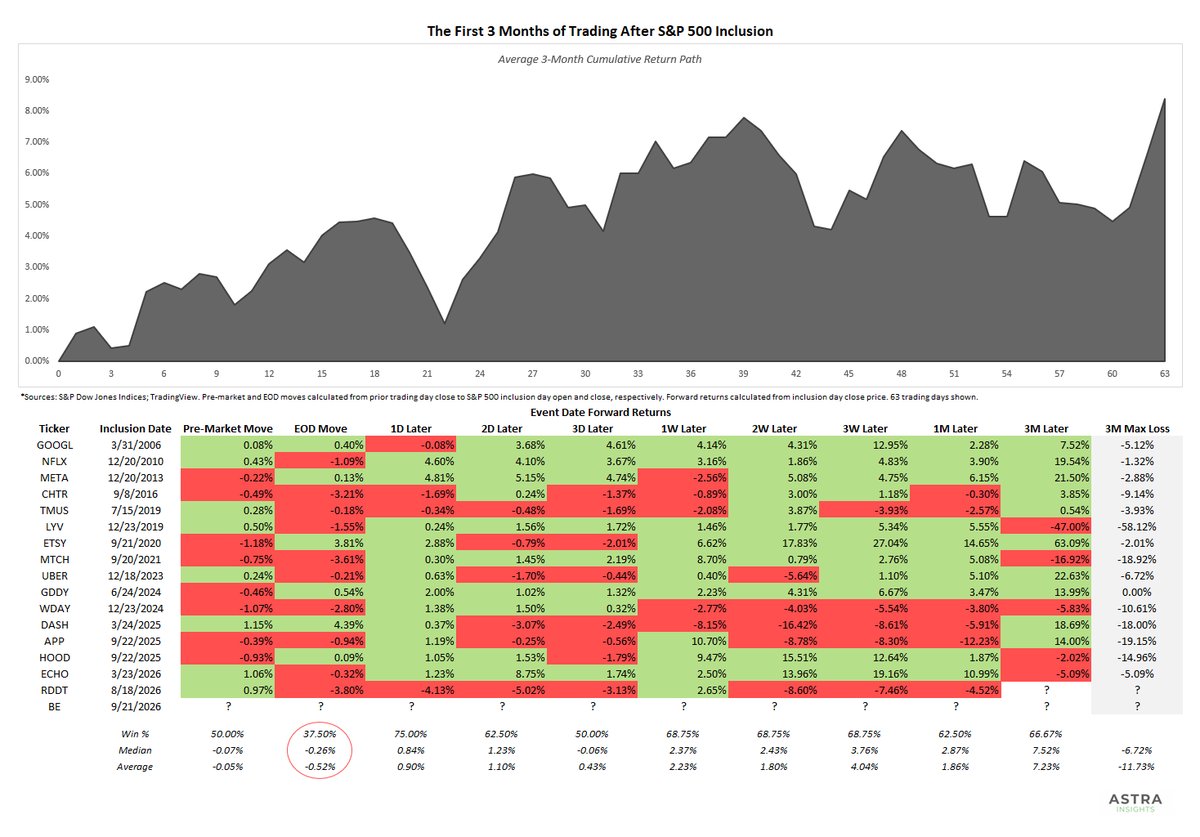
X signals indicate that Bloom Energy (BE) is joining the S&P 500 today. Schwab Network said the stock’s technical levels and an example options trade are being discussed in connection with the move.
A second X post framed the inclusion day as historically mixed for the stock, citing a 38% win rate on the inclusion date. It also said the three-month average cumulative return path has been favorable.
For BE, the key market angle is the index event itself: investors are watching how the addition may affect trading activity and passive positioning. The move also keeps attention on the stock alongside recent company-specific headlines in the news flow.
No new company response was included in the sourced posts.
Novo Nordisk on Monday laid out a long-term growth plan that calls for more than DKK 150 billion, or about $23 billion, in pipeline sales by 2035. The company also said it aims to launch more than five blockbuster drugs by 2030.
The update came during the company’s Capital Markets Day and centered on future pipeline output and new product launches rather than more specific near-term growth targets. Reuters and CNBC said investors were underwhelmed by the level of detail.
Shares fell in response, with CNBC reporting a decline of as much as 7% and the WSJ saying the stock dropped more than 4%. The market’s focus remains on whether Novo can defend its position in an increasingly crowded obesity-drug field.
Novo is trying to convince investors that it can keep expanding beyond Wegovy as competition intensifies. The company’s latest strategy puts the spotlight on how quickly future launches can translate into sales.
Trafigura said on Monday it has carved out its supertanker business into Volare Shipping and plans to sell a minority stake before listing the company on Euronext Growth Oslo. Multiple reports put the fundraising target at about $500 million, with trading expected in early October if approvals are secured.
The timing matters because the VLCC market has been exceptionally strong. Reuters said Volare will own and operate 14 supertankers, while Trafigura’s release and follow-up reporting indicate the unit currently has six vessels on the water and eight newbuilds on order for delivery between 2026 and 2028.
For shipping investors, the announcement adds another listed exposure to a segment benefiting from elevated crude transport rates. It also underscores how large commodity traders are using capital markets to fund fleet expansion and lock in long-term exposure to tanker assets.
Trafigura said the unit will remain commercially managed by its global shipping division. The company framed the move as a financing step for its newbuilding program, with the proposed listing still subject to regulatory and placement outcomes.
Priority Technology Holdings (NASDAQ: PRTH) said it has agreed to be taken private by an investor group led by Chairman and CEO Thomas Priore. The company described the deal as definitive and put the enterprise value at about $1.6 billion.
The same transaction was reported today by WSJ, Reuters and Business Wire, confirming that the buyout is the key new development in the PRTH story. This is now a live company event rather than a rumor-driven move.
For PRTH, the market will focus on the change in control, the deal valuation and the path to closing. Johnson Fistel has also opened an investigation into whether the board breached fiduciary duties in connection with the proposed sale.
The main entities in play are Priority Technology and the Priore-led investor group. Any additional shareholder or regulatory action was not detailed in the provided material.
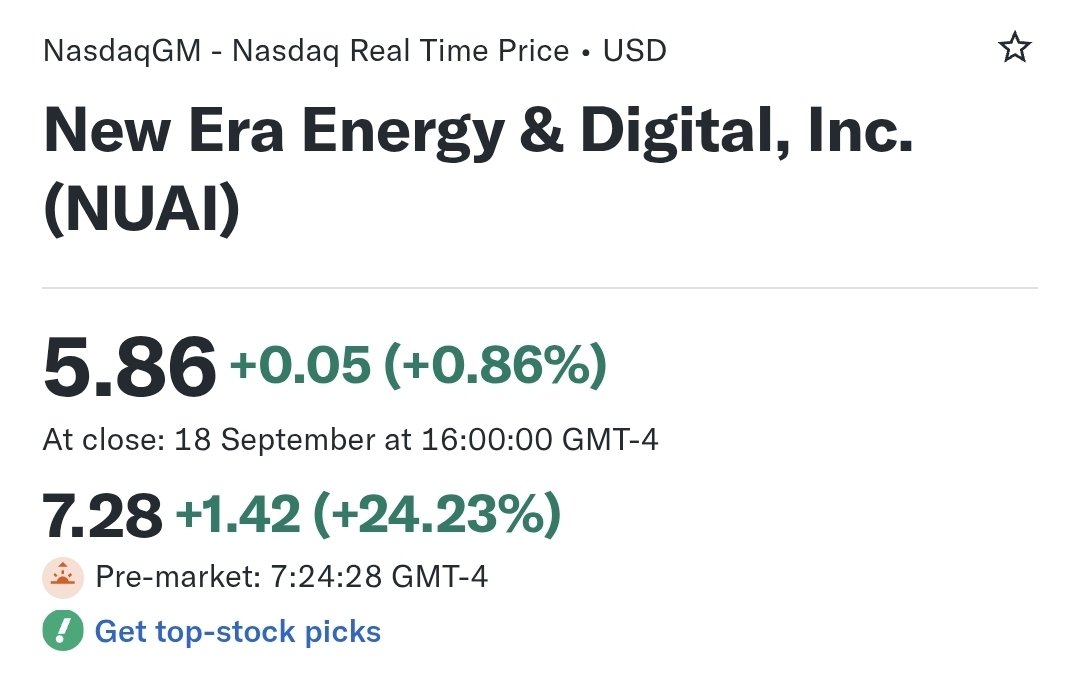
New Era Energy & Digital said a subsidiary has signed a 20-year power purchase agreement with a Vistra affiliate for its Texas data center project. The deal covers up to 207 MW of firm power for phase 1.
The power will come from Vistra’s 1,180 MW Odessa generation facility, which is directly adjacent to the data center site. For a large-scale data center, long-term power access is a critical step in moving the project forward.
Shares of $NUAI moved in response to the announcement, while Vistra also remains in focus as the supplier in the agreement. The materials provided do not include additional terms beyond the signing itself.
The announcement adds a concrete infrastructure milestone to the project’s development timeline. It confirms that one of the major uncertainties around power supply has now been addressed in contract form.
Accenture said it has entered a $1 billion, five-year AI safety partnership with Anthropic. The arrangement will create a team of embedded evaluators to red-team models and stress-test safety guardrails before deployment.
The deal underscores how AI adoption is increasingly tied to pre-launch safety checks and enterprise risk controls. For large customers, the ability to validate systems before they go live is becoming a key part of the buying process.
Accenture shares rose in premarket trading after the announcement, with the X signal citing a gain of roughly 7% to 7.8%. The move also put Anthropic back in focus alongside related names mentioned in the post, including NVDA, MU, SNDK and LITE.
The clearest new development today is the partnership announcement itself. No additional company response was included in the supplied materials.
Einride teams with Nvidia on heavy-duty autonomous trucking stack영어 원문
The partnership links Hyperion, Halos, Cosmos and Blackwell to Einride’s freight network as the company aims to scale its electric and autonomous fleet.
Einride said on Sept. 21 that it will work with Nvidia to adapt the NVIDIA DRIVE Hyperion platform for heavy-duty trucking, integrating Halos safety tools, Cosmos data workflows and Blackwell infrastructure into its autonomous-driving program. Nvidia will supply the underlying compute platform and AI development tools, while Einride remains responsible for the end-to-end autonomous system, validation and customer deployments.
The collaboration builds on Einride’s existing freight operations. The company said it already runs hundreds of electric trucks for customers in the U.S., Europe and the Middle East, and it expects its network to expand to 1,500-2,000 vehicles by 2028.
For Nvidia, the deal broadens its automotive footprint beyond passenger EV and robotaxi programs into long-haul freight. For ENRD, the partnership provides a stronger technology foundation for scaling autonomy, but the announcement did not disclose a contract value, unit order or deployment timeline.
The release is best viewed as a platform-validation milestone rather than a revenue event. The market will now look for more evidence of commercial deployment, including additional autonomous trucks in paid service and broader customer rollout.
Marvell said it has shown industry-first 2nm optical interconnect demonstrations at ECOC 2026 for AI data centers. The demos include 102.4Tbps co-packaged optics and 2nm 400G-per-lane optical PAM4 technology.
The news is part of a broader push to upgrade AI-network connectivity. The company says the effort is aimed at delivering more bandwidth with less power as clusters grow larger.
The market reaction has been constructive for MRVL, with one report saying the stock gained 2% on Monday and another citing a 3.1% premarket move. Coherent also highlighted optical innovations at the same event, underscoring that the AI-infrastructure theme extends beyond a single company.
Marvell framed the demos as an effort to “push the envelope of what is possible in optical tech.” The company’s message is that next-generation AI data centers will need faster optical links to keep up with demand.
Novo Nordisk said its experimental CagriSema delivered greater weight loss than Eli Lilly’s tirzepatide in the REIMAGINE 5 trial. At a 1.0 mg dose of each component, patients lost 12.4% of body weight at week 60, versus 9.1% on tirzepatide.
The update lands alongside Novo Nordisk’s capital markets day messaging, where the company outlined a longer-term growth plan for its pipeline. Separate coverage in the news library says the company targeted more than five blockbuster drug launches by 2030 and more than 150 billion Danish crowns in pipeline sales by 2035.
For investors, the comparison keeps NVO and LLY at the center of the obesity-drug race. Novo’s latest trial readout adds another data point to the competitive narrative, while Lilly remains the benchmark named in the study update.
No response from Lilly is included in the provided materials. Based on the available sources, the item should be treated as a company and clinical-development story rather than a final commercial verdict.
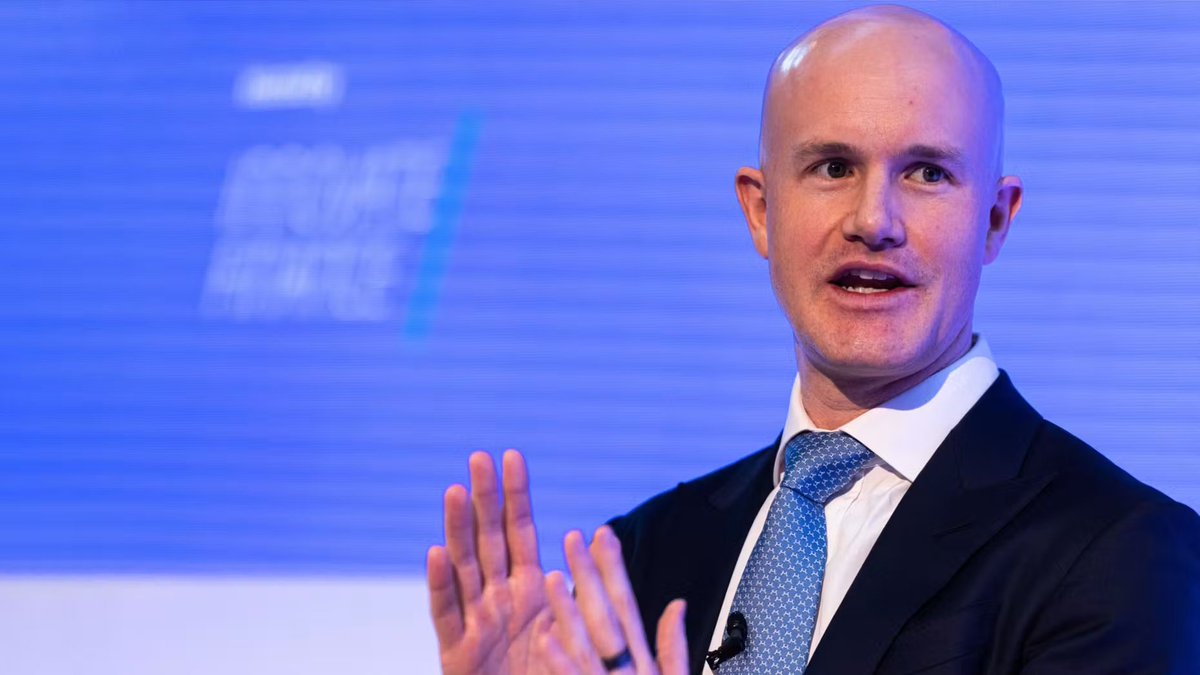
Coinbase CEO Brian Armstrong said on X that The Wall Street Journal is preparing a story that will blame him and Coinbase personally for the CLARITY Act’s failure to advance. Armstrong said his January objections were aimed at an earlier draft that still needed work on DeFi, tokenization, CFTC authority and stablecoin rewards.
The dispute sits inside a broader legislative collapse: the Senate failed to invoke cloture on Sept. 15, with the bill falling short of the 60-vote threshold. Later reporting said the vote ended 49-50, and Armstrong has since argued that the final draft was materially improved and that he supported it.
For Coinbase, the fight matters because CLARITY would shape the U.S. market-structure rules that frame its core business. The issue also ripples through COIN shares because investors have long treated regulatory clarity as a key variable for trading volumes, custody demand and broader crypto sentiment.
Armstrong’s latest post does not settle responsibility for the bill’s defeat, but it does sharpen the public record around which draft he opposed and when. With Congress stalled, federal agencies are increasingly seen as the near-term rulemakers for crypto.
사건 전개
2026-07-23게시물 3개 · 작성자 3명
Coinbase CEO calls for a full Senate floor vote on the CLARITY Act, stating negotiations are complete.
매크로
Chicago Fed activity index slips to -0.04 in August영어 원문
The monthly reading points to growth still running below trend, with the prior month revised to 0.08.
The Chicago Fed National Activity Index came in at -0.04 in August, a reading below zero that indicates U.S. economic activity is still running below its historical trend. The August figure matched market expectations, while July was revised to 0.08, according to published reports.marketscreener.com
The index is compiled from 85 monthly indicators and is widely used as a broad gauge of U.S. growth momentum and inflation pressure. MarketScreener and other reports also noted that the three-month CFNAI Diffusion Index eased to 0.02, while production-related components weakened in August.digitallook.com
For markets, the release matters mainly as a macro read-through for rates, the dollar and rate-sensitive equities rather than as a company-specific catalyst. It does not point to any one stock, but it can shape expectations around U.S. growth and policy sensitivity.gate.com
The X signal aligned with the published data: actual -0.04, consensus -0.04, and the prior month revised to 0.08. That makes this a straightforward macro update rather than a conflicting print.marketscreener.com
S&P 500 breadth weakens as index hovers near record영어 원문
X posts flagged deteriorating market breadth; outside data confirm the index is still near highs while participation has thinned sharply beneath the surface.
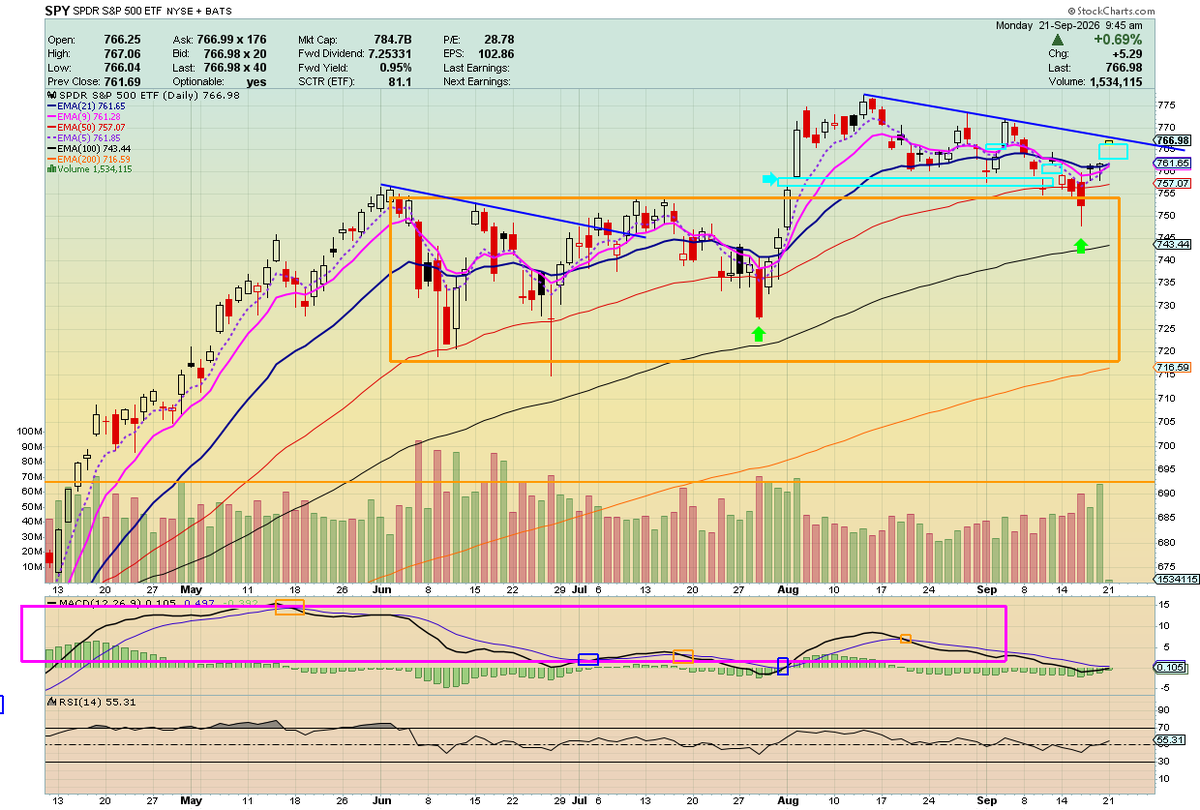
Multiple X posts today pointed to the same setup: the S&P 500 remains near record territory, but market breadth has weakened materially. One post cited the index being about 2.08% from its all-time closing high, while another highlighted a possible break of a weekly bull flag in SPY.
Independent sources back up the broad picture. The CMT Association, citing William Delwiche, said the S&P 500 was less than 2% below its all-time high while only slightly more than half of constituent stocks were above their 200-day moving averages. Cardano Capital likewise reported the index at 7,650.50 on Sept. 18 versus the Aug. 13 record close of 7,798.99, with breadth readings around 49% to 52% above the 200-day average.
That gap matters because it shows the headline index is being carried by a narrower set of leaders. For SPY and large-cap market-weighted portfolios, the issue is not an immediate crash call, but a thinner base of support if selling broadens beyond a handful of mega-cap names.
The broader backdrop also showed more new lows than new highs and weaker short-term participation, reinforcing the concentration story. LPL Financial strategist Adam Turnquist was cited as saying only about 60% of S&P 500 stocks were above their 200-day moving average, below the historical average seen when the index is making new highs.
X chatter centered on Meta’s Muse. KawzInvests said Muse can search, compare, and help complete purchases for a user, then asked a simple question: what happens when a purchase starts with an AI agent instead of Booking.com, Expedia, or Uber?
The discussion did not stop at a single-platform takeover story. Investinc_intel argued that the future of AI commerce will not be one company owning the entire stack, instead assigning Meta/Muse the role of a personal agent while Shopify provides commerce infrastructure.
There is no direct same-event report in the newsroom feed over the past 48 hours. What can be confirmed is that the market conversation is shifting toward a split between consumer-facing AI agents and the merchant/inventory layer, rather than a clean replacement of aggregators.
For stocks, the debate puts META and SHOP in the center of a new narrative about AI-enabled purchasing. But the signal remains a social-media discussion, so it should be treated as framing, not as evidence of a completed product or revenue outcome.
ASST claims 135% monthly return as ETF buzz builds영어 원문
Strive’s stock rally is back in focus after a CEO post on X, alongside fresh context from the company’s expanding bitcoin treasury and a new leveraged ETF.
Strive CEO Matt Cole said on X that one month after the company’s “no controlled burn” announcement, $ASST delivered a 135% total return, ranking No. 1 among U.S. small caps and No. 2 across the broader U.S. stock market. The post refers to a market-performance claim, not a new operational filing or corporate action.
The wider backdrop is Strive’s growing bitcoin treasury. Company filings show 25,000 BTC as of Sept. 11, after a 469-BTC purchase at an average price of $77,954, while REX Shares and Tuttle Capital Management launched the T-REX 2X Long ASST Daily Target ETF on Cboe to deliver 200% of ASST’s daily move before fees and expenses.
That combination has kept ASST in the spotlight with traders, and the stock rose 6.4% on Sept. 18 to $30.09. The new ETF, however, resets leverage daily, so multi-day results can diverge sharply from a simple 2x reading of the stock’s cumulative move.
The verified facts are the BTC holdings and ETF launch; the 135% return and ranking are Cole’s own social-media claim and should be treated as such until confirmed by independent market data providers.
X signals said Strategy Inc. (MSTR) was “pumping right out the gate” and briefly traded above $165, with gains of about 8% intraday. The same post stream also noted a Discord-circulated weekly options trade that reportedly posted a 250% result.
A related site report said MSTR was up about 7% as Bitcoin climbed to around $85,000, up roughly 6% on the day. That keeps the stock’s trading tightly linked to moves in Bitcoin.
Another X post said CRCL was up 7% to $97.84, and a separate signal highlighted MPC’s recent run in refining shares. Those names are mentioned in the material, but the only directly corroborated same-event coverage here is MSTR.
For now, the new verified development is that MSTR continued to move higher in early trading alongside Bitcoin. The available site coverage and X signals point to the same theme: traders are still treating MSTR as a high-beta proxy for Bitcoin moves.
Analysts criticized Wall Street's capex myopia, Tesla highlighted Optimus reusing FSD's end-to-end AI stack, and Wells Fargo reiterated a Sell rating.
2026-08-06게시물 8개 · 작성자 8명
SpaceX announced Terafab in Grimes County, Texas; Musk estimated ~25% of its AI compute for Optimus and ~75% for AI spacecraft.
2026-08-07게시물 8개 · 작성자 6명
Musk's Terafab compute split went viral; analysts noted most capacity may target space AI, with Tesla's Optimus job openings far exceeding Cybercab's.
2026-09-20게시물 3개 · 작성자 3명
Speculation emerged on a subscription stack for transport, AI, connectivity, and robot labor; Tesla audited Chinese suppliers, and Figure's progress posed a new challenge.
2026-09-21게시물 4개 · 작성자 4명
Oppenheimer saw Tesla's AI pivot progressing but Optimus delays likely; a Tesla team began supplier audits in Ningbo, including Tuopu Group.