Trump administration proposes a $5 billion Middle East energy rebuild fund영어 원문
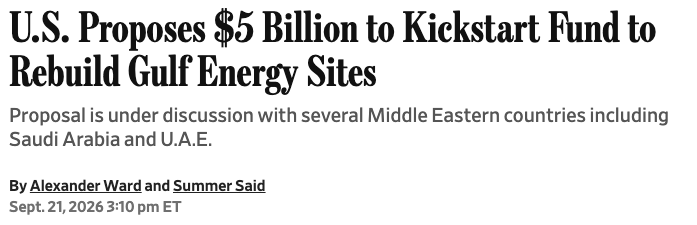
The U.S. plan would seek partner contributions to repair energy infrastructure damaged in the Iran conflict and reduce reliance on the Strait of Hormuz.
Multiple reports citing the Wall Street Journal say the Trump administration has proposed creating a $5 billion fund to help Middle Eastern countries rebuild energy infrastructure damaged in the Iran conflict. The plan would also aim to reduce the region’s dependence on the Strait of Hormuz for oil and gas shipments.
The idea comes against the backdrop of months of conflict and renewed concern over the security of energy assets and maritime chokepoints in the Gulf. Columbia University’s Center on Global Energy Policy has also highlighted how energy leverage and sanctions have shaped U.S.-Iran policy debates.
For markets, the proposal is relevant to oil, shipping and energy-infrastructure contractors, as it points to possible rebuilding demand and a push for alternate transport routes. It may also matter for Gulf-focused energy names and service providers if the fund moves beyond the proposal stage.
For now, the reporting points to a proposal rather than an approved program. The key questions are whether regional partners will match the U.S. contribution, which countries will participate and how quickly any funding could be deployed.
Saudi Arabia has restarted its East-West Pipeline and could resume crude exports from the Red Sea port of Yanbu later on Tuesday, according to multiple reports citing trade sources. Bloomberg also reported that Saudi Aramco has informally told several Asian refiners they should soon be able to collect crude at Yanbu.
The pipeline was shut after drone attacks earlier this month, interrupting flows through a route that had been carrying about 4 million barrels a day before the outage. The restart would restore a key outlet that allows Saudi crude to move west without first transiting the Strait of Hormuz.
Oil markets reacted quickly, with traders trimming the supply-risk premium as more Saudi barrels are expected to return to the market. The move is also important for Asian refiners that had been adjusting loading plans and for European buyers that rely on Red Sea shipments.
Saudi Aramco and the energy ministry did not immediately respond to requests for comment in the reports cited.
사건 전개
2026-07-25게시물 13개 · 작성자 10명
Houthis claimed strikes on Saudi Aramco's Jazan refinery, but unverified videos circulated widely with no official confirmation.
2026-07-28
기업
Paramount clears lawsuits from 12 state AGs, advancing $110 billion Warner Bros. deal영어 원문
The settlement removes a major regulatory hurdle from one of media’s biggest mergers, with investors watching the path to closing.
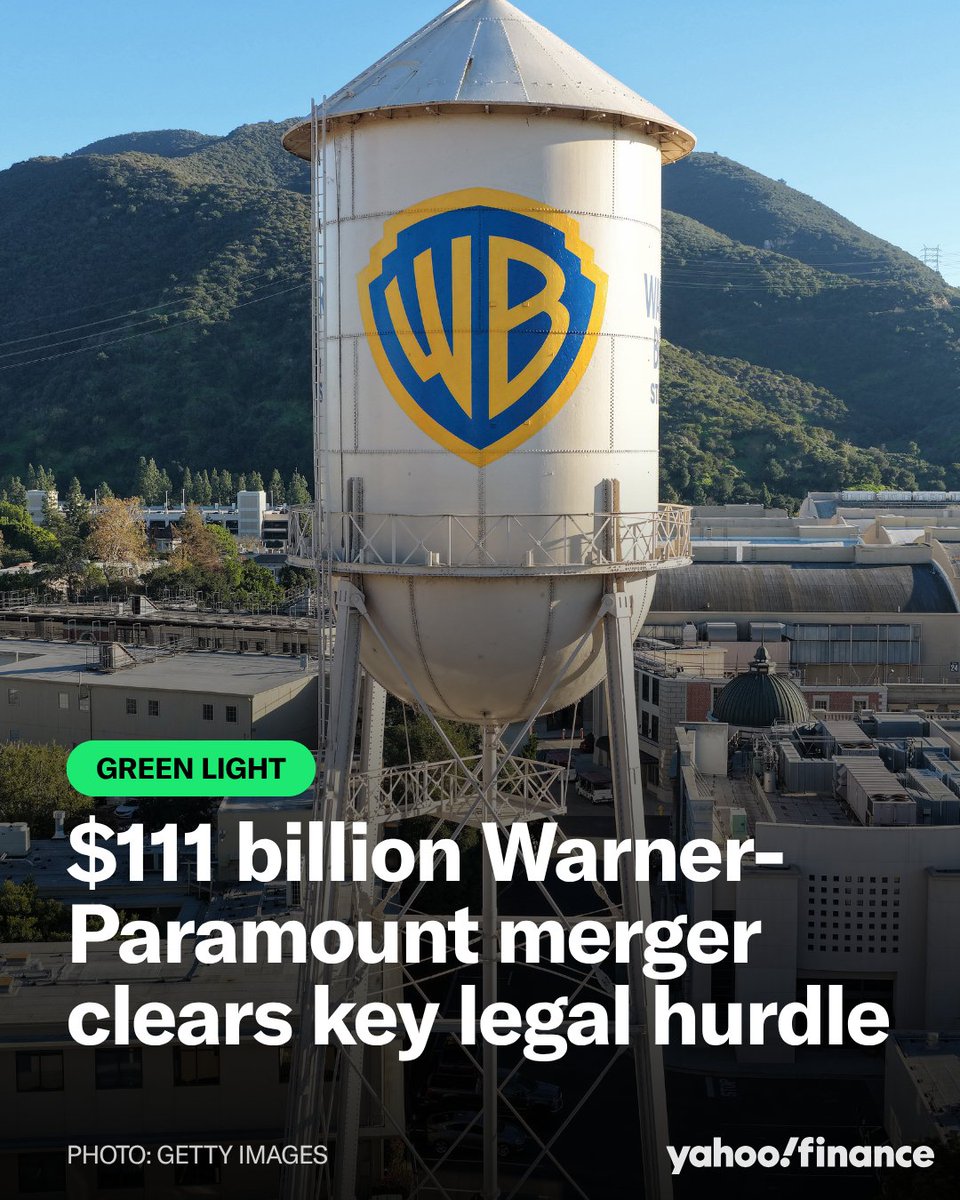
Paramount has settled with 12 state attorneys general and the Writers Guild, removing a major legal obstacle to its $110 billion acquisition of Warner Bros. Bloomberg, Reuters and CNN all reported the development on Monday.
The merger has been one of the most closely watched deals in media. A previous Wall Street Journal report described how Paramount ended its standoff with California, underscoring that the regulatory fight has been building for some time.
Markets reacted to the latest progress, with reports saying Paramount Skydance and Warner Bros. Discovery shares rose on Monday. The focus now is whether the settlement translates into a cleaner path to closing.
Bloomberg and Reuters said the settlement covers the California-led state group and the writers union. For now, this is a follow-through development in the same deal story rather than a new takeover rumor.
China reportedly probes DeepSeek and Moonshot over Claude routing claims영어 원문
The inquiry follows Anthropic’s September 10 report alleging unauthorized use of Claude through customer-request routing; no outcome has been announced.
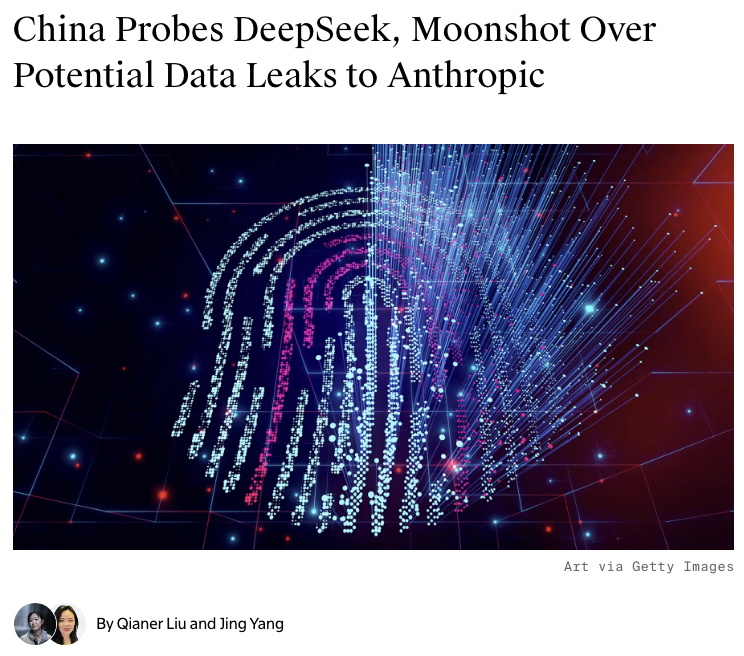
China’s internet regulator is reportedly investigating DeepSeek and Moonshot AI after Anthropic alleged the companies routed user requests to Claude without authorization. The report was first surfaced by The Information, citing people familiar with the matter.
The episode traces back to Anthropic’s 154-page report released on September 10, which said seven Chinese companies were using Claude at scale and named DeepSeek, Moonshot AI, Alibaba, Zhipu, SenseTime, MiniMax and Xiaomi. The accusations have not been independently verified in the materials available so far.
For markets, the main read-through is regulatory risk for China’s AI sector and for companies with exposure to cross-border model access and data handling. Alibaba is relevant because it was named in the Anthropic report and remains a major listed bellwether for Chinese AI spending.
The companies named in the report have disputed Anthropic’s characterization, and the scope of any regulator action has not been disclosed. No penalty or final finding has been announced in the public reports reviewed here.
사건 전개
2026-07-29게시물 3개 · 작성자 3명
Hyperliquid saw real-world assets outpace crypto in weekly volume for the first time, with stocks at 61%; Moonshot AI closed a $35B round; Jensen Huang urged Washington to embrace Chinese AI models.
According to a Techmeme roundup of fresh reporting, Amazon has blocked Meta’s personal AI agent Muse from accessing Amazon.com to shop on users’ behalf, citing terms-of-service, security risks and the absence of merchant consent; Shopify, meanwhile, says it will let Muse complete checkout on its stores through Shop Pay. techmeme.com This is the day’s new development, not merely a reprise of earlier speculation.
The broader backdrop is the rise of agentic shopping, where AI assistants compare products and place orders across retailers. That shift threatens to pull commerce discovery away from a retailer’s own interface, which matters for Amazon because its model relies heavily on owning the customer relationship and monetizing traffic through its platform and ads.
For markets, the immediate read-through is to AMZN and META. Amazon is defending its own retail gateway, while Meta is trying to make Muse a cross-merchant shopping layer; Shopify’s willingness to participate suggests open platforms may become more agent-friendly, while closed platforms are likely to demand verified access and revenue-sharing terms.
Amazon has publicly defended its block, and Techmeme also surfaced comments from Shopify CEO Tobi Lütke and Meta CEO Mark Zuckerberg indicating that Muse is being positioned for real checkout, not just product search. techmeme.com That turns AI shopping from a theory into an active commercial negotiation over who owns the transaction layer.
Circle said Binance bought $100 million of its shares at $80.84 each, in a private placement subject to a two-year lockup. Reuters and CNBC both reported the same terms on Tuesday.
The transaction also extends the companies’ commercial partnership for five years. The cooperation centers on promoting USDC globally, with an emphasis on emerging markets.
The latest update matters because it combines equity investment with a longer distribution agreement. That deepens the link between Circle, the issuer of USDC, and Binance, one of the largest crypto exchanges.
The market focus is on Circle’s CRCL shares, since the stake purchase and partnership expansion both directly involve the company and its stablecoin business.
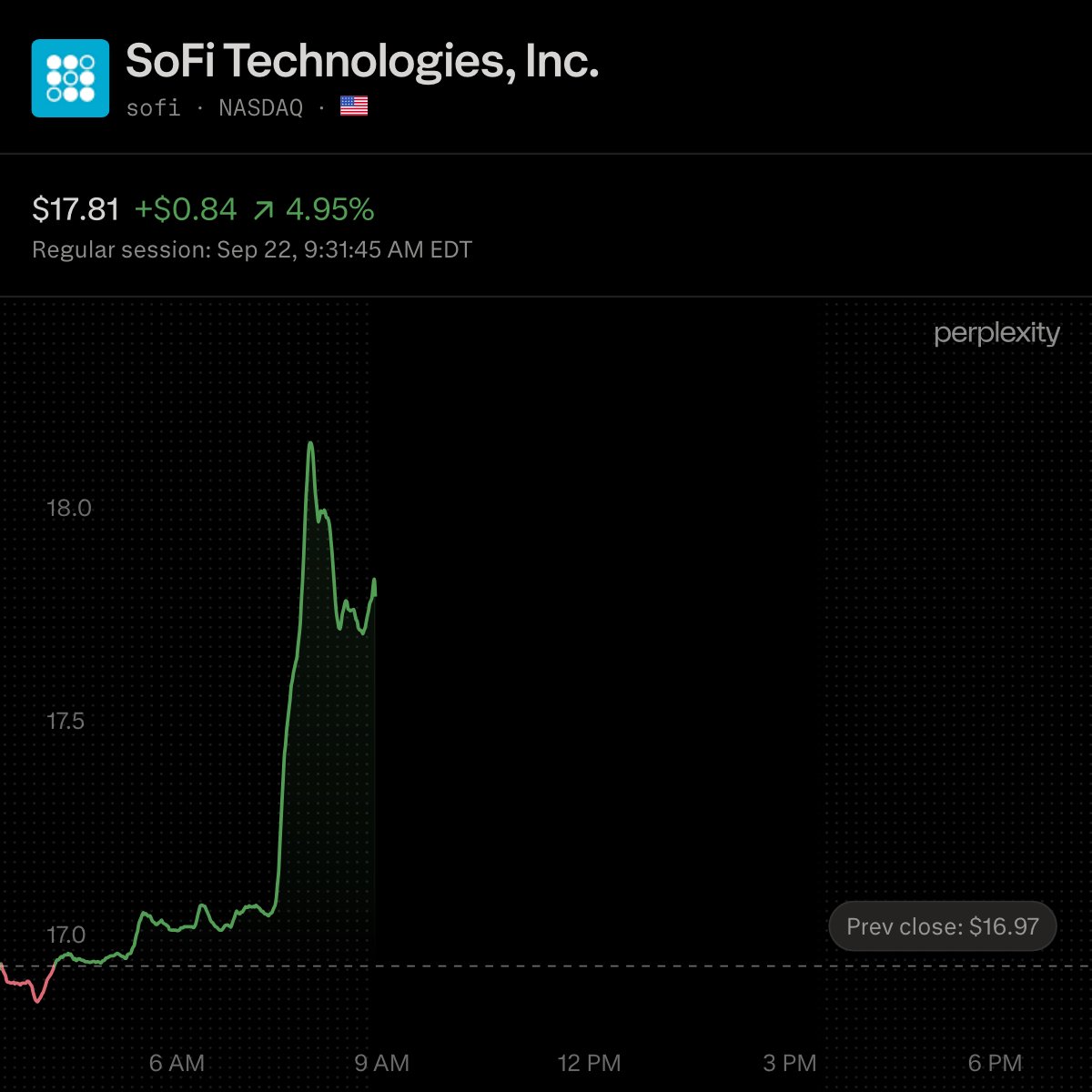
SoFi and Mastercard said SoFi Bank’s debit and credit card program is now live with stablecoin settlement, using SoFiUSD across Mastercard’s network. Multiple posts point to the same change: SoFi is moving its roughly $25B card business onto blockchain-based settlement.
The significance is that stablecoin settlement is no longer just a concept; it is now embedded in payment infrastructure. SoFi CEO Anthony Noto said businesses can get faster access to money “via the speed of blockchain, with the safeguards of a bank.”
Shares of SOFI were bid up in premarket and early trading, with X posts citing gains of about 5% to 6.5%. The reports also describe this as the first live stablecoin settlement program at a U.S. national bank on Mastercard’s network, tied to annualized volume of more than $25B.
The available material does not show a separate detailed response from Mastercard beyond the joint announcement. The new information in today’s signal is the live launch itself, not the broader backdrop of SOFI trading interest seen in recent coverage.
Meta’s AI agent Muse kept driving momentum in $META, which rose more than 11% on the day and added roughly $190 billion in market value. The move reinforced Meta as one of the clearest winners in the consumer AI trade.
The backdrop is Muse’s surprisingly fast adoption: the app quickly climbed to the top of the U.S. free-app charts, and analysts have framed it as an example of valuation re-rating after real consumer usage rather than pure product hype. Reuters and Bloomberg coverage both point to that same investor narrative.
Gene Munster says the same dynamic could show up next in Apple and Tesla. He highlighted Apple’s foldable iPhone Duo and personalized Siri, as well as Tesla’s FSD, Cybercab and Optimus, as potential catalysts for a similar reset in market expectations.
For now, the key question is whether Muse can sustain engagement and turn usage into monetization through subscriptions, ads or transaction take rates. That is the test investors are now applying not just to Meta, but to the broader AI assistant category.
사건 전개
2026-07-30
기업
AMD tops $1 trillion as Lisa Su’s turnaround story goes viral영어 원문
X posts spotlight the company’s new milestone and revive attention on Su’s decade-long transformation of AMD.
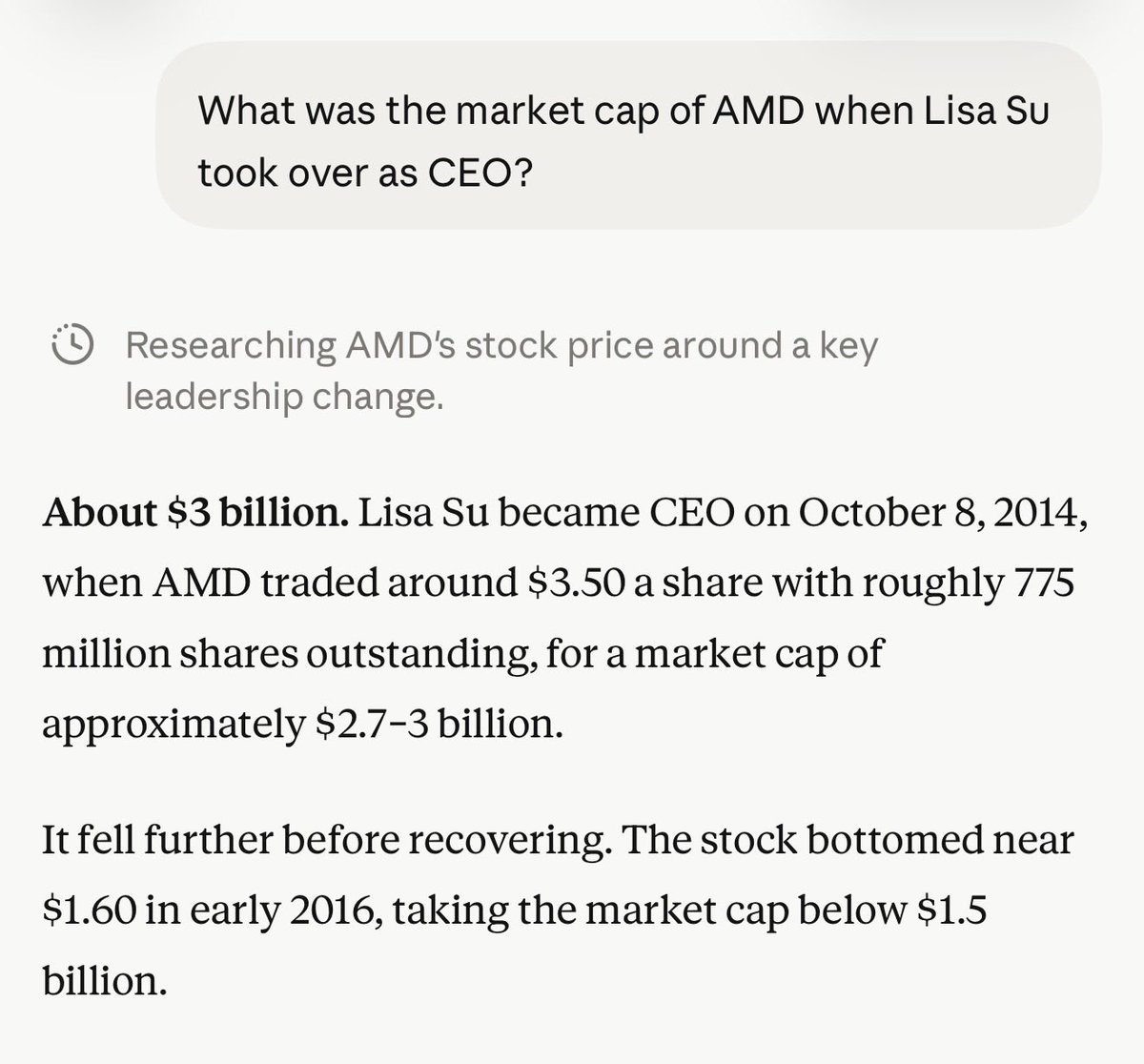
Multiple X posts say AMD has crossed $1 trillion in market value, with Lisa Su credited for the company’s turnaround. Jon Erlichman wrote that AMD was worth about $2 billion when Su became CEO in 2014, and is now worth $1 trillion.
The milestone comes after a long run of gains tied to AI chip demand. Reuters reported on September 21 that AMD passed $1 trillion in market capitalization for the first time on Monday, while CNBC and Finbold also noted the stock’s continued surge to fresh highs.
For the market, AMD remains one of the key names in the AI chip trade, and the new valuation benchmark keeps attention on both fundamentals and multiple expansion. The discussion is centered on AMD itself, with spillover interest across the broader semiconductor group.
The X chatter is largely celebratory and focused on Su’s leadership, without any contrary statement from AMD or other named parties in the provided material.
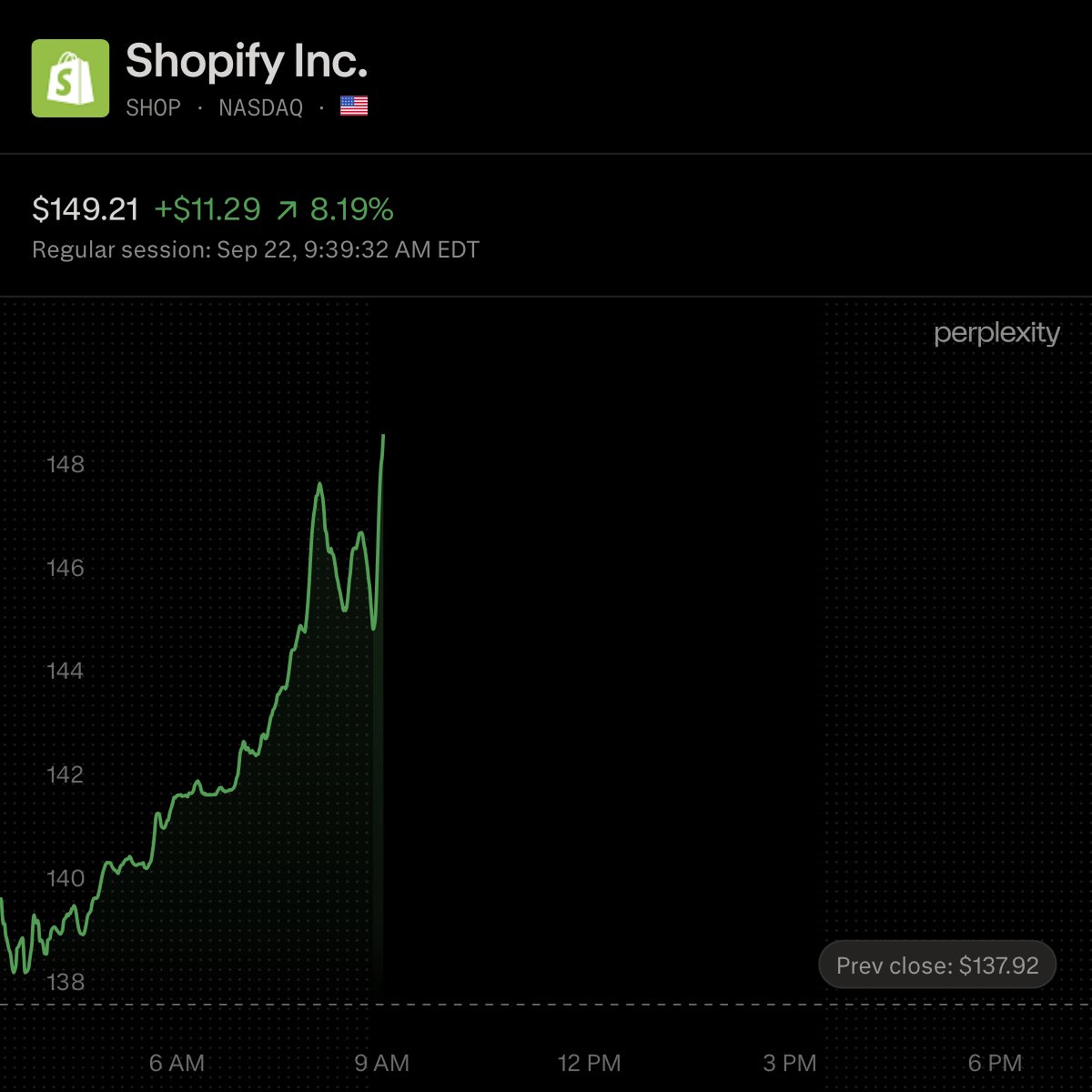
Meta and Shopify announced today on X that they are working together to bring agentic checkout with Shop Pay across all Shopify stores. The companies said shoppers will be able to move from product discovery to checkout directly inside Muse.
The news extends an earlier narrative around AI-powered shopping. MarketWatch reported on Sept. 21 that Shopify was partnering on payment technology with Meta's Muse, and a separate report said Meta mentioned Shop Pay as a coming payment option at the Muse launch on Sept. 8.
The announcement matters most for SHOP and META. Shopify gains another distribution path for Shop Pay, while Meta gets a more complete shopping loop inside Muse. Several X posts also suggested SHOP shares were extending gains on the update, though the posts did not agree on the exact move.
Meta CEO Mark Zuckerberg also said more partnerships like this are coming soon. That makes today's update not just a product integration, but a signal that the companies want to deepen the AI commerce stack further.
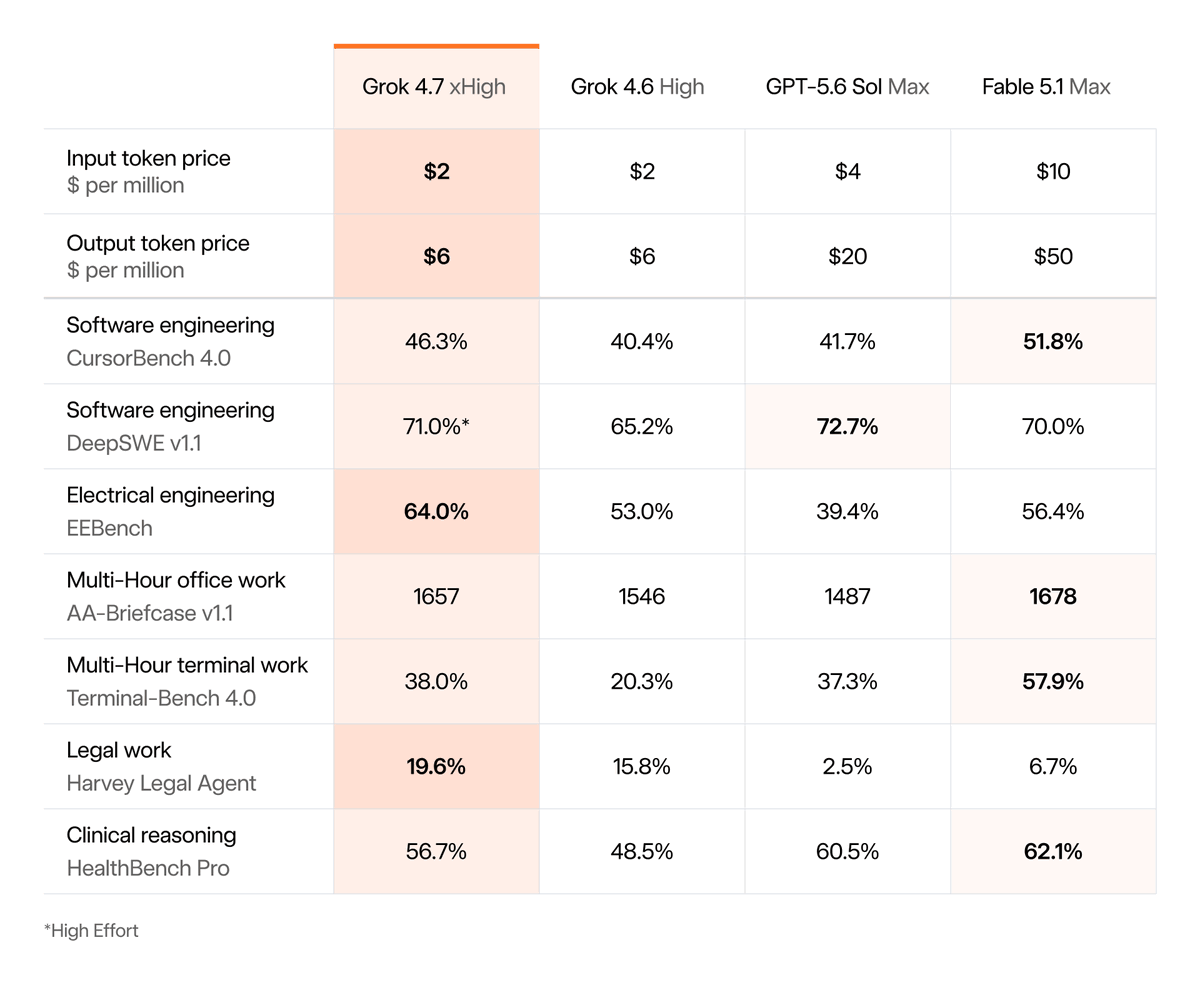
SpaceXAI said it has unveiled Grok 4.7, the latest version of its flagship model, and described it as twice as fast as comparable AI systems while costing half as much. FinancialJuice also reported pricing of $2 per million input tokens and $6 per million output tokens.
The launch appears to be the newest step in the Grok product line. WallStEngine shared benchmark comparisons versus Grok 4.6, with improvements reported across CursorBench, Terminal-Bench, EEBench, HealthBench Pro and DeepSWE.
For the market, the headline mainly centers on SPCX because the event is tied to SpaceXAI’s product strategy and pricing. The immediate significance is competitive positioning in AI models, not a broader macro or regulatory development.
The current materials only include the company-side claims, with no counterstatement from another party in the same event. Nearby coverage in the site’s 48-hour news library concerns SPCX as well, but it does not directly verify this Grok 4.7 launch.
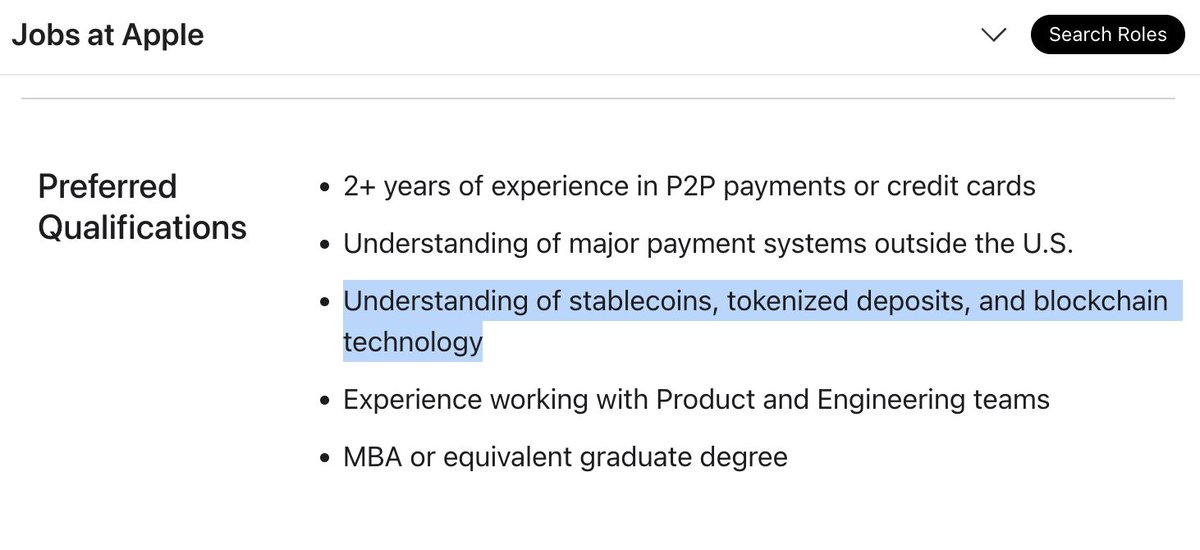
Multiple outlets reported today that Apple and Google are hiring for roles tied to stablecoins, blockchain, and digital assets. Apple’s opening is centered on Apple Pay financial strategy, while Google is recruiting in Hong Kong for a Web3 and digital-asset infrastructure architect.
The new detail is not a rumor about entry, but the language in the postings themselves: stablecoins, tokenized deposits, RWA, and custody are explicitly listed as preferred skills. The reported scope suggests Apple is evaluating consumer payments use cases, while Google is focusing more on cloud infrastructure for institutional clients.
For investors, the immediate read-through is narrative rather than financial: AAPL and GOOGL are the names most exposed to any future payments or cloud monetization angle. If Apple were to integrate stablecoin capabilities into Apple Pay, it would reshape its consumer-payments story; if Google deepens Web3 infrastructure work, it would reinforce the case for digital-asset-related cloud services.
At this stage, however, the evidence is limited to hiring signals. That does not prove either company is planning to issue its own stablecoin or launch a product in the near term.
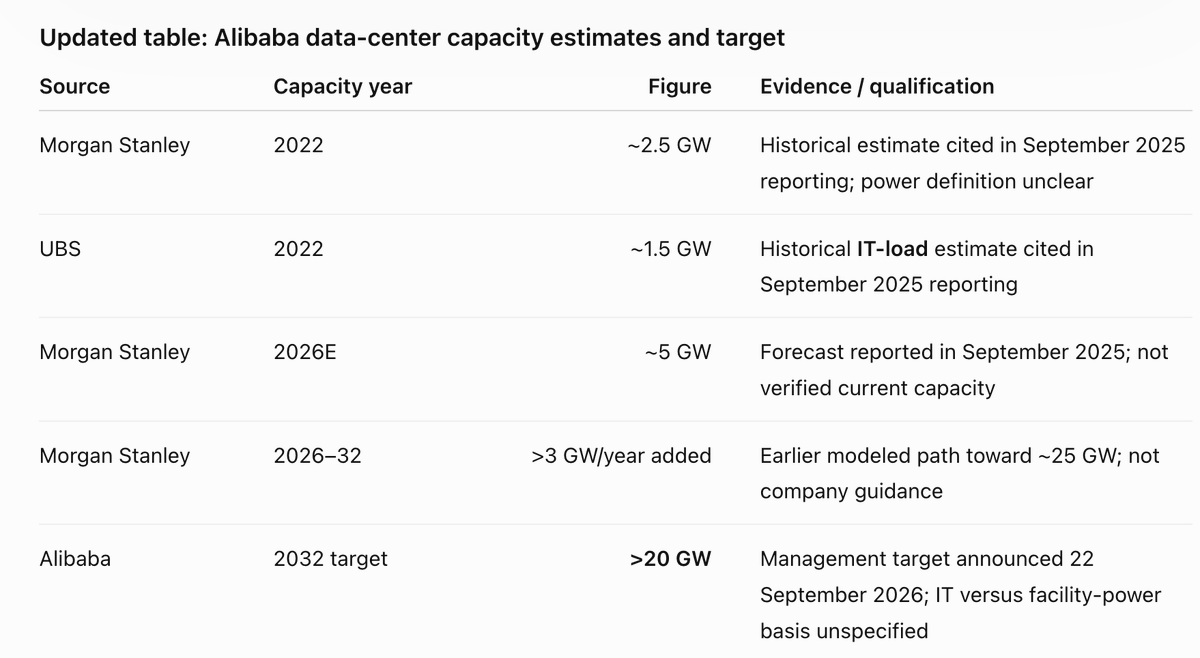
Alibaba announced its Zhenwu V900 AI chip at an AI event today and said it is targeting more than 20GW of data center capacity. Multiple signals said the chip is designed for both training and inference, with performance roughly three times its predecessor.
Reuters coverage in the news library matches the same event: Alibaba also plans to train a new model with 5 trillion to 10 trillion parameters. Together, the reports frame the announcement as a broader push to expand compute and model scale around Alibaba Cloud.
The news helped lift BABA in premarket trading, with X signals showing gains of about 3%. Tencent also unveiled a new image-generation model the same day, highlighting a wider AI product race among major Chinese internet names, though Alibaba is the direct focus here.
No additional company response was available in the provided materials beyond the launch itself. The core facts are supported by today’s X signals and the Reuters report in the news library.
Apple has launched a new Mac mini and Mac Studio powered by its latest Apple silicon. Multiple X signals say the Mac mini comes with M6 and claims up to 4x faster AI performance, while the Mac Studio ships in M5 Max and M5 Ultra configurations.
The launch underscores Apple’s push toward on-device AI. The Mac Studio top configuration is said to support up to 512GB of unified memory, 1.2TB/s memory bandwidth, and up to an 80-core GPU, pointing to heavier local model workloads.
Pricing seen in the signals puts the Mac Studio M5 Max at $2,499 and the M5 Ultra at $5,499. The Mac mini is listed from $899, with an M5 Pro version at $1,699, making AAPL the central ticker in this hardware refresh.
The products are described as available today. No additional company statement was included in the materials provided.
President Donald Trump said on Truth Social on September 21 that the Department of Justice and other U.S. law-enforcement agencies can rein in artificial intelligence risks “if we have to.” He added that the administration would be careful and that he would “only encourage AI or, SI (SUPER INTELLIGENCE)!”
The comments build on a weekend post reported by Nextgov/FCW in which Trump said he wanted to create an “AI Force” and appoint a new AI lead. Business Insider also reported that Trump said the DOJ has the ability to “rein” AI if needed, reinforcing the administration’s light-touch posture toward the industry.
For investors, the policy signal matters most for Nvidia and the broader AI hardware complex, including SMH. A clearer enforcement backdrop could affect expectations around deployment pace, compliance spending, and the regulatory risk premium attached to frontier AI infrastructure.
The White House has continued to frame AI as a growth engine rather than a sector to restrain. Nextgov/FCW said White House science and technology policy chief Michael Kratsios described the goal as coordinating to ensure the technology keeps driving economic growth.
Nvidia has agreed to buy another $1.5 billion of SB Energy Class N non-voting common stock in a private placement tied to SB Energy’s U.S. IPO, according to reports citing SEC filings. Combined with an earlier $1.5 billion commitment, Nvidia’s total investment in the data-center infrastructure company rises to $3 billion.newsquawk.comgmt8press.com
SB Energy is backed by SoftBank and is seeking a U.S. listing. One report said the new shares will be sold at 90% of the final IPO price, implying a 10% discount to the offering price.gmt8press.com
For Nvidia, the deal extends its capital allocation into the AI infrastructure buildout beyond chips. For investors, the immediate public-market relevance is centered on NVDA and the prospective SBE listing, while the transaction itself remains contingent on the IPO closing.
사건 전개
2026-07-24게시물 4개 · 작성자 4명
Jensen Huang dismisses near-term chip bust; bulls tout AI infra as decade capex cycle; media reports $1.5B Nvidia prepayment to Amkor for packaging expansion.
2026-08-16
시장
CME to launch BCH and UNI futures on Oct. 19영어 원문
The exchange is expanding its regulated crypto derivatives lineup with new Bitcoin Cash and Uniswap contracts.
CME Group said on Tuesday it plans to launch Bitcoin Cash and Uniswap futures on October 19, pending regulatory review. The contracts will be offered in both standard and Micro sizes within CME’s 24/7, CFTC-regulated crypto derivatives marketplace.
The move extends CME’s broader digital-asset product lineup, which already includes futures on Bitcoin, Ether, XRP, Solana, Cardano, Chainlink, Stellar, Avalanche and Sui. The new listings add two more altcoins to a regulated venue that has become a key reference point for institutional crypto hedging.
CME also said its crypto futures and options averaged 279,800 contracts a day in the first half of 2026, representing $8.3 billion in notional value, while average open interest reached 264,600 contracts, or $15.4 billion notional. The company said its 2026 additions of Cardano, Chainlink, Stellar, Avalanche and Sui futures have contributed more than $1 billion in total notional value year to date.
X posts about the announcement pointed to fresh trading interest in BCH and UNI, with some reports saying BCH touched $300 and UNI rose above $9. Those price moves were not independently verified in the provided material, but the announcement itself confirms the key new development for the two tokens.
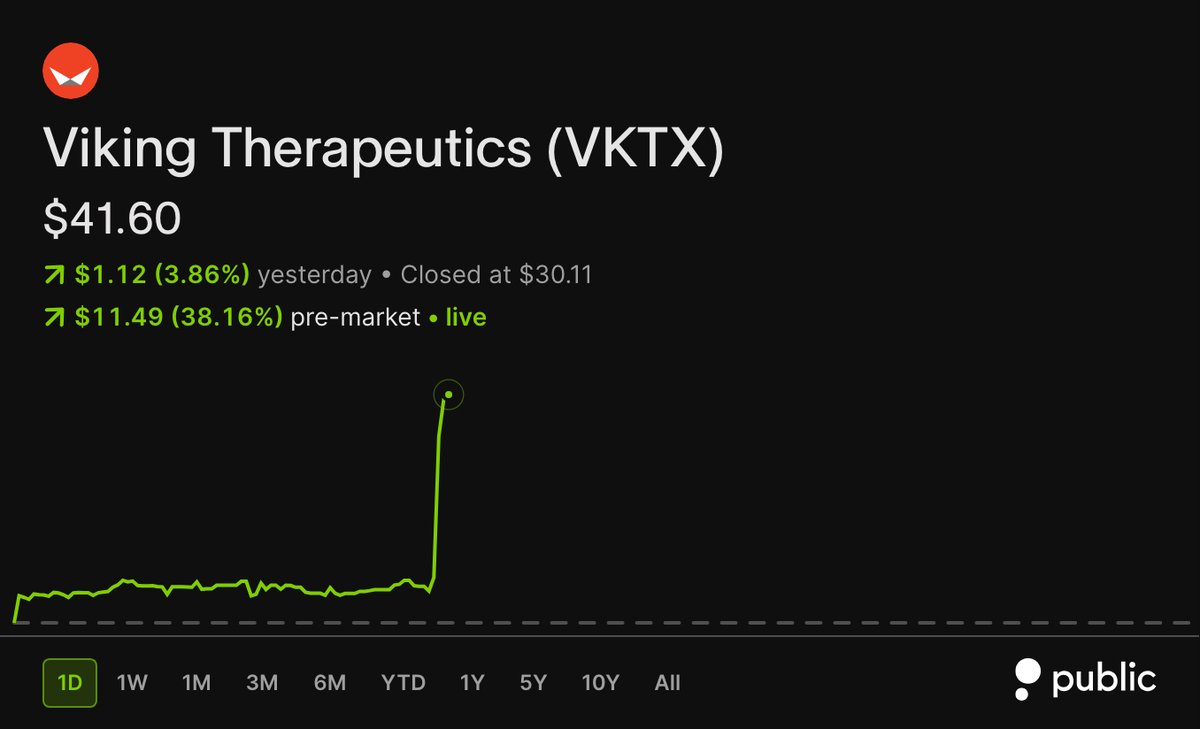
Viking Therapeutics on Tuesday said its experimental obesity drug VK2735 helped patients preserve up to 97% of prior weight loss when switched from weekly injections to every-other-week dosing, and up to 90% with monthly dosing. The company also said gastrointestinal adverse-event rates during the 12-week maintenance period were comparable with placebo.
The readout extends earlier VK2735 induction results. Viking had previously reported about 16% to 19% weight loss after 21 weeks of weekly dosing across cohorts, while an exploratory group that stayed on weekly treatment reached 21.7% weight loss by week 33 with no plateau observed.
Investors reacted quickly: Reuters reported Viking shares rose about 40% in premarket trading. The update has market relevance beyond VKTX, because lower-frequency dosing can be a key commercial differentiator in the obesity drug market.
Viking said it plans to study oral maintenance dosing in a later part of the trial. The company has disclosed top-line results only so far, with fuller data expected later through future medical presentations or filings.
Eli Lilly has broken ground on a manufacturing site in Houston with an investment of about $650 million. The roughly 1 million-square-foot facility will produce active pharmaceutical ingredients for Foundayo, also known as orforglipron, as well as other medicines.
According to the company reporting in the news library, the Houston project is Lilly’s 10th U.S. manufacturing site announced since 2020. The PR Newswire item says the plant will employ more than 600 people, while the X signal adds that operations are expected by 2030.
For investors, the update underscores Lilly’s push to expand domestic manufacturing capacity around LLY. The announcement is tied to Foundayo, so the market may focus on supply-chain resilience and future production readiness rather than any immediate financial impact.
No separate market reaction was provided in the source materials. The disclosed message is centered on manufacturing expansion and the company’s U.S.-based supply chain buildout.
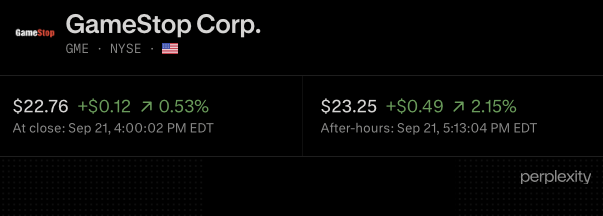
GameStop CEO Ryan Cohen disclosed a new insider stock transaction to the U.S. SEC on Sept. 21, buying 1,150,680 shares of GameStop at an average price of $22.94 apiece, for a total of about $26.4 million. GameStop shares rose 3% in postmarket trading after the filing became public.
This follows earlier reporting in the news database on Sept. 21 that Cohen had already pushed his personal stake past 40 million shares through open-market buying. The latest filing adds another layer to that accumulation story.
For the stock, GME remains the direct market focus. The after-hours move shows traders reacting to Cohen’s continued purchases rather than to any broader company announcement.
No additional response from GameStop or Cohen was included in the source material. The figures cited here come from the SEC filing as relayed by multiple reports and the news database entries.
Reuters, citing sources, reported that Gazprom Neft’s Moscow refinery has stopped crude processing after a Ukrainian drone attack on Sept. 20. The strike set fire to both of the plant’s main distillation units, and repairs could take several weeks.
The Moscow refinery is one of Russia’s largest, with a reported annual capacity of about 11 million tonnes. Reuters sources said it processed 11.6 million tonnes of crude in 2024, equivalent to roughly 230,000 barrels per day, and supplies a significant share of Moscow’s fuel market.
For markets, the shutdown adds another potential disruption to Russian fuel supply and keeps focus on refined-product availability, especially gasoline and diesel. Among the tickers named in the social signal, CLMT, DK, MPC and PSX are refiners or fuel-related companies, so traders may watch for any read-through to crack spreads and sector sentiment, though none of them are the direct target of this incident.
Ukrainian officials said the wider strike campaign has taken more than 45% of Russia’s refining capacity offline, but that figure comes from Ukraine’s General Staff and should be treated as an official Ukrainian assessment. Russian officials have acknowledged damage and temporary flight restrictions around Moscow, but have not publicly detailed the full extent of refinery losses.
Apple shares hit a fresh all-time high today, with social-media reports saying the company was once again nearing the $5 trillion market-cap mark. The move kept AAPL at the center of the megacap rally.
This is a valuation story rather than a product-launch story. Reuters previously reported that Apple briefly topped $5 trillion in July, reaching as much as $5.036 trillion intraday, while market-cap data published on September 20 still put the company around $4.91 trillion.
For markets, the immediate read-through is to AAPL and, by comparison, other megacap tech names such as Nvidia. Investors continue to reward Apple’s lighter AI capex posture and strong cash generation, but the stock’s near-40x earnings multiple leaves less room for disappointment.
There has been no fresh company statement tied to today’s market move. The reported “back over” $5 trillion framing reflects intraday price action and a moving valuation threshold, not a new corporate event.
사건 전개
2026-07-25게시물 5개 · 작성자 5명
Apple's stock hit a new all-time high above $333, pushing its market cap past $4.9 trillion.
시장
Citi sees 52.9% jump in enterprise SSD demand for 2027영어 원문
AI inference and KV-cache offloading are seen pushing more storage closer to GPUs, while NAND supply stays tight.
Citi said enterprise SSD demand is expected to rise 52.9% year over year in 2027, followed by another 41% increase in 2028. The bank tied the call to AI inference, continual learning, and Nvidia's KV-cache offloading.
The note adds to the market debate over how AI infrastructure is reshaping storage requirements. Citi also sees total SSD demand rising 53% in 2027, underscoring a continued shift toward higher-capacity storage positioned nearer to GPUs.
On pricing, Citi said NAND demand is expected to outgrow supply by about 25%, a setup that could keep conditions firm. The stocks explicitly mentioned in the signal are Micron (MU), SK hynix (SKHY), and Sandisk (SNDK).
In the past 48 hours, our newsroom noted Micron's latest share-price bounce and upcoming earnings coverage, while another piece discussed China's memory push and its implications for Micron and SK hynix. Together with Citi's note, the market focus remains squarely on AI-driven storage demand.
WSJ reports that a rocket-supply crunch is intensifying, prompting launch providers and customers across the space industry to scramble for flight capacity. OpenOutcrier also flagged $SPCX up 0.2% premarket.
The pressure matters because many space missions depend on predictable launch schedules. As capacity tightens, customers may need to book earlier or look for alternative rides to orbit.
A related report in the site’s news library says SpaceX is winding down its flagship vehicle while rivals try to ramp up output, helping explain why the supply-demand balance is getting tighter. SpaceX remains the central company in this event line.
Market attention is likely to stay focused on how launch availability affects scheduling across the sector, with $SPCX the ticker most directly tied to the story.
Elon Musk posted on X that in seven days, the first Starship launch to orbit will carry Starlink V3 satellites intended for operational use. Multiple reports say the planned payload is 26 V3 satellites, marking the rocket’s first orbital mission tied to an operational Starlink deployment rather than a pure test flight.
The significance is the shift from development flying to revenue-linked infrastructure. Reporting around the mission says each Starlink V3 satellite is designed to add about 1 Tbps of capacity, implying roughly 26 Tbps from the full loadout and a major step up from Falcon 9-launched V2 Mini capacity.
For investors and the aerospace supply chain, the key names are SpaceX and its Starlink business, while the broader launch market is watching the timing. But the schedule is still contingent on FAA approval for the orbital flight-plan license modification, so the target date is not fully set in stone.
For now, the new information is Musk’s explicit seven-day countdown and the operational-use framing for Starlink V3. The next confirmation point will be whether SpaceX and regulators allow the mission to proceed on that timeline.
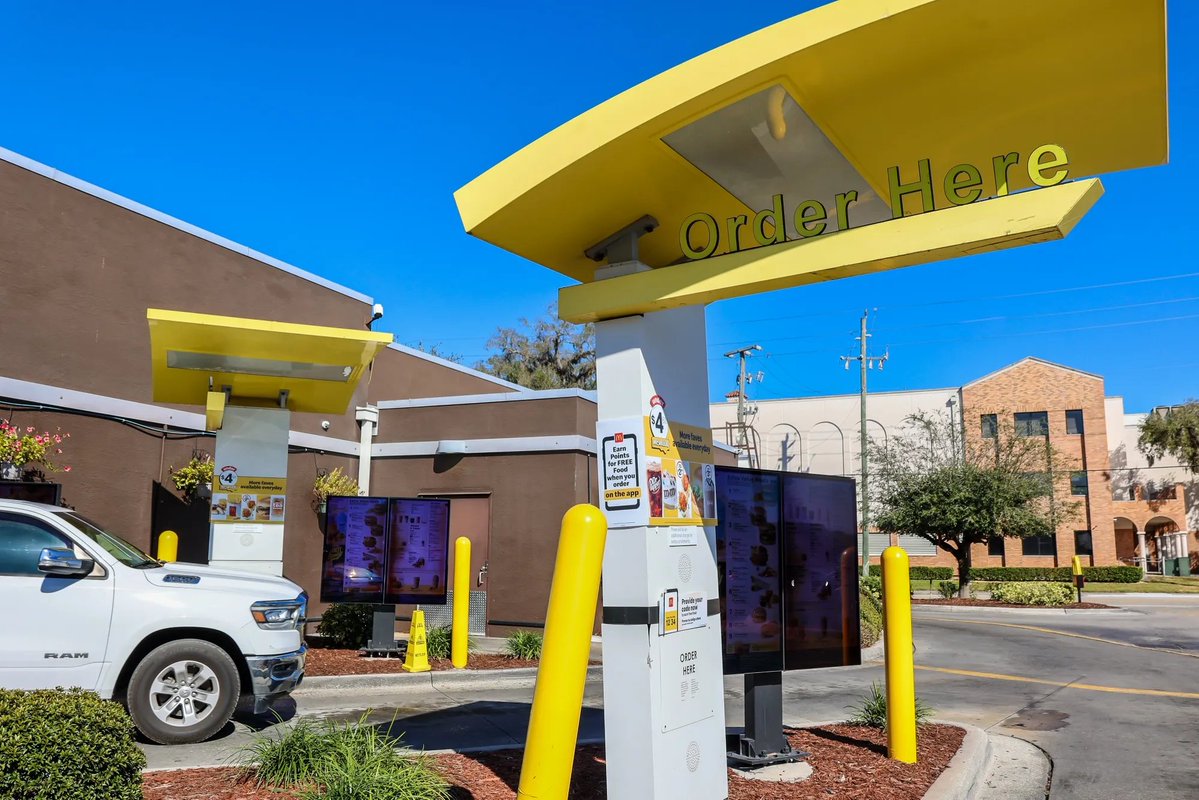
McDonald’s is testing ads from other brands on digital menu boards in its restaurants, reaching customers while they wait for their orders. The X signal and the accompanying report both frame the move as a way to monetize the company’s large footprint.
The timing matters because McDonald’s is also holding an investor day in Chicago today, according to the newsroom materials. CNBC notes that the company’s U.S. business has been under pressure, putting more attention on growth levers tied to its digital and in-store assets.
For markets, the story is centered on MCD itself: the pilot is part of its operating strategy and could shape how investors think about incremental revenue opportunities. The company’s digital screens may become a more important commercial channel if the test is expanded.
There has been no denial or formal response in the provided materials.
Moderna said it will present Phase 3 melanoma data for intismeran autogene plus pembrolizumab at ESMO 2026 on October 24. The company also plans to show Phase 1 pancreatic cancer data and Phase 3 results from its high-risk stage I NSCLC program.
The update pushes investor attention from the earlier disclosure to a fuller set of late-stage clinical presentations. In the newsroom’s recent coverage, Moderna had already said three abstracts tied to its personalized cancer vaccine were accepted by ESMO 2026, including a Presidential Symposium slot for the Phase 3 melanoma data.
On X, traders and market watchers highlighted MRNA’s move higher and framed the stock reaction around the upcoming cancer vaccine data. The discussion centers on Moderna itself rather than on any other listed company.
The confirmed incremental detail is the timing and scope of the upcoming readouts. Any further clinical detail will have to wait for the ESMO presentation on October 24.
Alibaba CEO said Alibaba Cloud aims to lift its global data-centre capacity to more than 20 GW by 2032. The statement was echoed across multiple X accounts, making the expansion target the latest disclosed milestone in the company’s cloud buildout.
The signal landed alongside other Alibaba AI updates on the same day. Reuters reported that the company plans to train a new AI model with 5 trillion to 10 trillion parameters and has unveiled a new chip.
For investors, the focus is BABA, since the target speaks directly to capital spending, cloud scale and the company’s AI infrastructure roadmap. Within the past 48 hours, nearby reporting has centered on Alibaba’s chip, model and legal headlines, keeping the name in active market focus.
Alibaba has not provided further detail in the materials available here on how it will reach the 20 GW target. On the record in this package, the clearest takeaway is the CEO’s long-term capacity goal and the broader push into cloud and AI infrastructure.
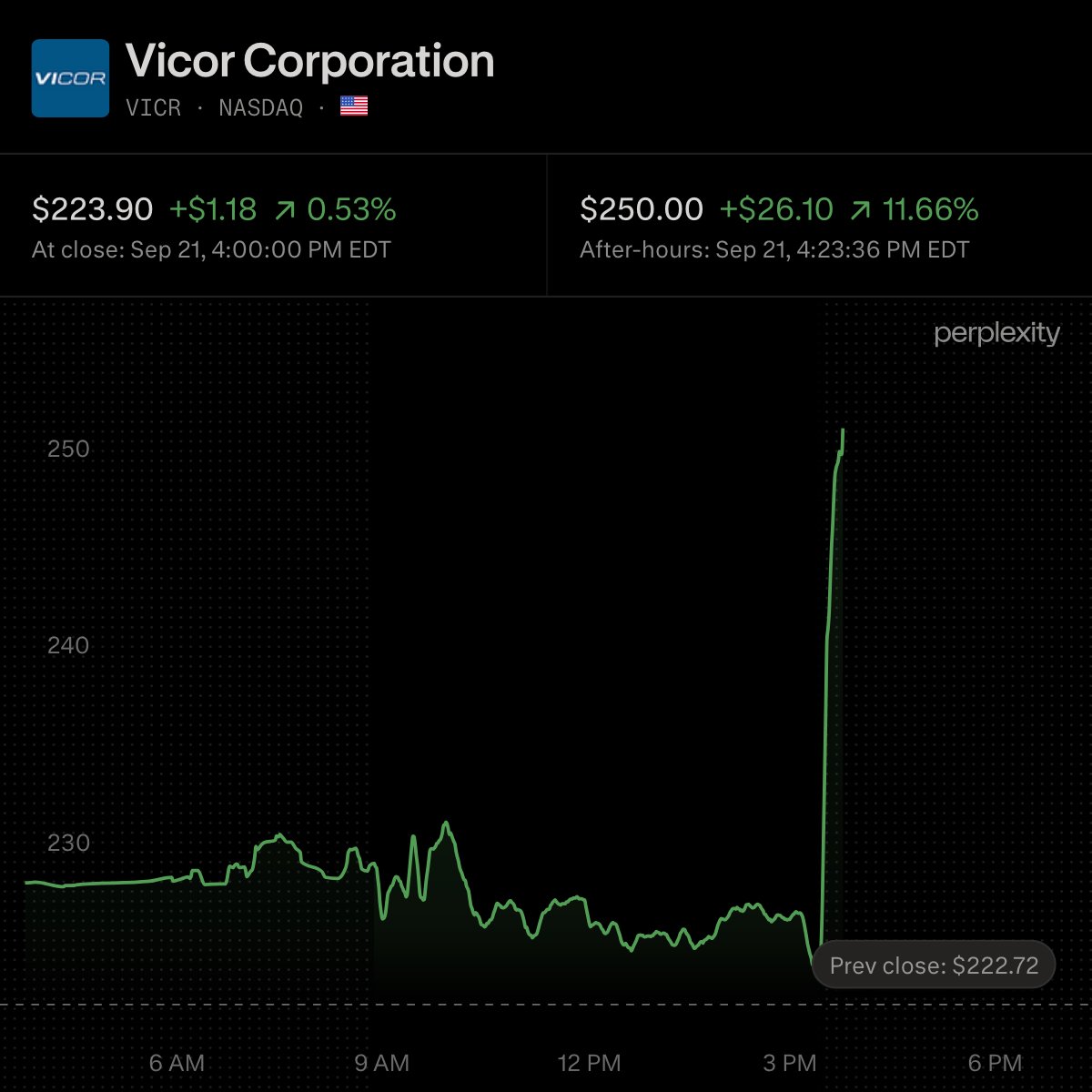
Vicor said it now expects third-quarter revenue to grow more than 20% sequentially, up from a prior outlook of nearly 10%. The company tied the revision to royalties from a new non-exclusive license for its Vertical Power Delivery technology.
The update was published on September 21, 2026 and is the latest step in Vicor’s licensing-driven story. The company also said four leading OEMs and hyperscalers have now licensed the technology.
Shares moved higher after the announcement, with multiple X posts citing gains of roughly 12% to 13%. The rally was linked to rising royalty expectations as AI chip power density keeps increasing.
Vicor’s statement makes the royalty stream the key new driver behind the guidance change. The company did not present the revision as a broader change in demand conditions beyond the licensing income update.
The UK Office for National Statistics said public sector net borrowing came in at £18.3 billion in August, up £2.9 billion from a year earlier and above the Office for Budget Responsibility’s £15.7 billion estimate. The figure was the second-highest August borrowing total on record, after 2020.
For the financial year to August, public sector net borrowing reached £77.3 billion, down £2.2 billion from a year earlier but £8.1 billion above the OBR forecast. Public sector net debt stood at £2,985.5 billion at the end of August, equivalent to 93.8% of GDP.
The numbers underline the pressure on UK public finances from higher spending, inflation effects and debt-interest costs. For markets, the release matters mainly for gilts and rate expectations, with traders watching the fiscal path into the autumn Budget.
The ONS also said the current budget deficit was £12.4 billion in August and £51.9 billion in the year to date, while central government net borrowing was £13.3 billion in the month. The UK government has confirmed its Budget will be delivered on 28 October, when the OBR will publish updated forecasts.
U.S. stocks extended their rebound on Sept. 21, with the S&P 500 and Nasdaq advancing while the equal-weight S&P 500 lagged sharply. Traders described the move as a size-led rally, signaling that the latest leg higher was still concentrated in megacap technology and AI-linked names.
The backdrop was a market still digesting higher rates, firm commodity prices and mixed credit signals. CNBC and market data showed the Nasdaq at a record close and the S&P 500 back within striking distance of its high, while the equal-weight index rose only modestly.
Meta, Intel and AMD were among the day’s standout movers, helping communication services and semiconductors lead the tape. Energy stocks lagged as Brent eased, reinforcing the gap between AI winners and more rate- and commodity-sensitive parts of the market.
Investors are now watching whether the post-Fed bounce can broaden or whether it remains a narrow, megacap-led move. For now, the market’s message is that leadership still sits with the largest technology franchises.
기업
Jensen Huang calls AI extinction fears a “zero percent” risk영어 원문
The Nvidia CEO pushed back on apocalyptic talk, saying the debate should be grounded in facts.
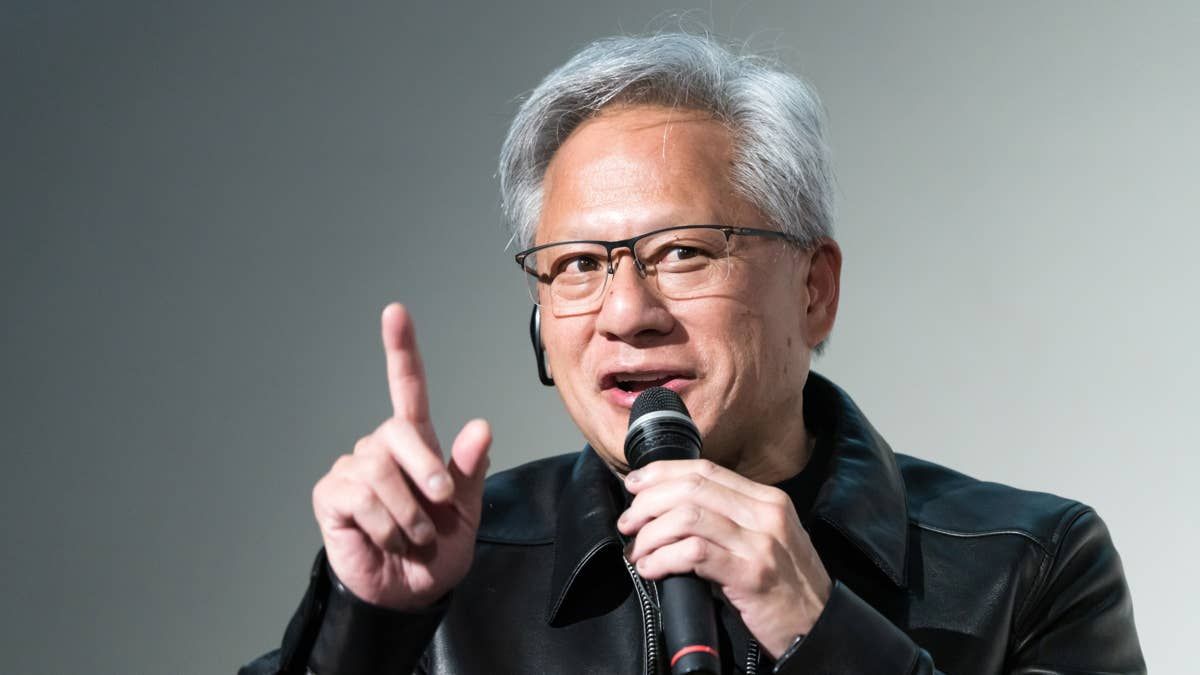
Nvidia CEO Jensen Huang said the chance of AI making humans extinct is “zero percent,” while dismissing some of the rhetoric around the technology as “too much drama.” He argued that the discussion should be based more on facts.
The remarks surfaced through reporting tied to a CBS News interview, making this the latest public pushback from Nvidia’s chief on AI doom scenarios. The message shifts attention away from sensational warnings and back toward the practical debate over the technology.
For markets, the comments matter because Nvidia remains one of the most closely watched names in AI. The company’s shares and fundamentals continue to be framed around the strength of the AI buildout, and investor interest has stayed elevated.
No new product announcement or financial disclosure was included in the material. The immediate update is Huang’s attempt to cool the extinction narrative, not a change in Nvidia’s business outlook.
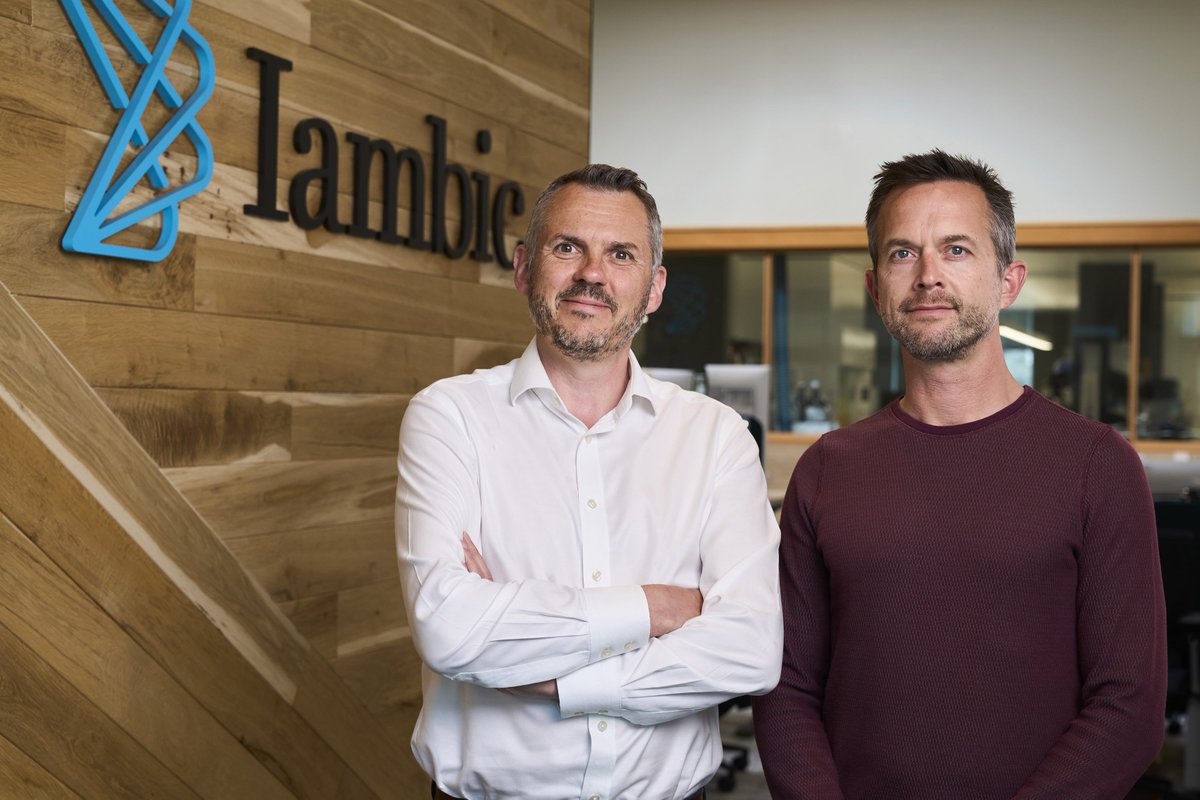
Iambic Therapeutics has filed for a U.S. initial public offering. The move came just hours after the company announced a multi-year collaboration with AbbVie focused on AI-driven drug discovery.
A PR Newswire release in the site archive says the partnership will use Iambic’s AI platform to accelerate small-molecule discovery across immunology, neuroscience and oncology. The X signal also describes Iambic as a clinical-stage life sciences and technology firm with Nvidia among its shareholders.
For the market, the immediate focus is on Iambic’s listing story and the pace of its commercial and financing progress. AbbVie is the collaboration counterparty, so the announcement adds context to its external research strategy rather than making it the IPO issuer.
No additional response from AbbVie was included in the materials provided. The key new detail in this signal is the timing: the IPO filing followed the collaboration announcement within hours.
Microsoft’s Xbox division is reportedly preparing to cut hundreds of jobs this week and consolidate several game studios, according to The Information, as cited by multiple outlets. If confirmed, it would mark Xbox’s second major staffing reduction of 2026.
The new report builds on Microsoft’s July restructuring memo, which outlined about 3,200 role reductions across the fiscal year and said the changes would touch Activision, Bethesda/ZeniMax, Blizzard, King, Mojang and Xbox Game Studios. Microsoft also said at the time that publicly announced first-party projects would not be cancelled.
For investors, the story is about execution and cost discipline inside Microsoft’s gaming unit rather than a change to the company’s overall outlook. The key near-term question is which studios, if any, are folded together and whether the move affects project timelines or the status of announced games.
Microsoft has not publicly confirmed the latest report or named any affected teams. For now, the details remain attributed to The Information and subsequent secondary coverage.
Oura has filed updated terms for its U.S. IPO, targeting up to $2.2 billion in proceeds at a fully diluted valuation of $15.62 billion. The deal covers 50 million shares priced between $40 and $44, with 13.5 million sold by the company and 36.5 million sold by existing shareholders.
The revised filing marks an increase from the $14.1 billion valuation cited in earlier coverage of the offering. Oura’s prospectus also shows strong recent growth, with 3.6 million rings sold in the past 12 months and revenue of $1.21 billion for the nine months ended June 30.
The structure of the deal means roughly 73% of the base offering is secondary stock, so most of the cash raised will go to current investors rather than Oura’s balance sheet. That makes the listing an important gauge of demand for wearable-health and broader consumer-tech IPOs.
Oura is expected to list on Nasdaq under the ticker OURA after the offering closes. The company’s debut will be watched as a key benchmark for the fall IPO market and for health-tech names more broadly.
사건 전개
2026-07-30
기업
Coherent launches PhotonLink for AI datacenter optics영어 원문
The company said the platform spans CPO, NPO and chip-to-chip links, with revenue expected to ramp in Q4 2026.
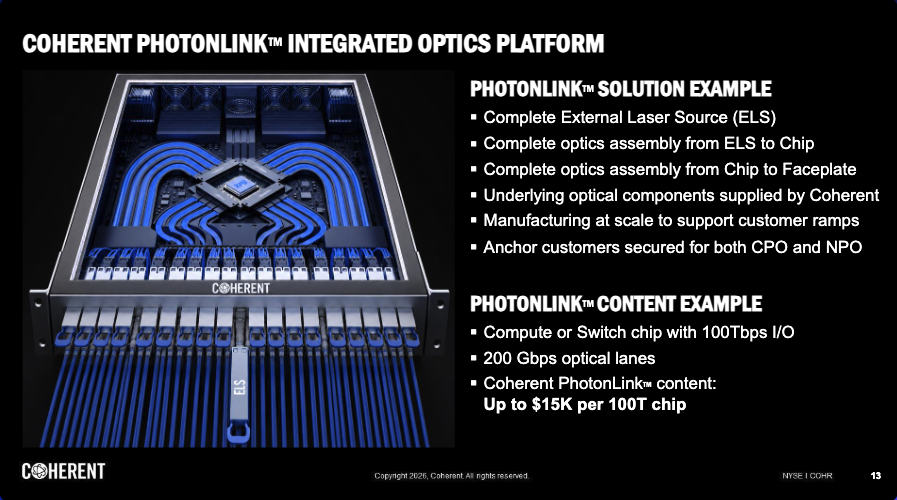
Coherent Corp. said it has launched PhotonLink, an integrated optics platform for AI datacenters. The platform is designed to support CPO, NPO and chip-to-chip optical connectivity.
The launch comes alongside Coherent’s appearance at ECOC 2026 in Málaga, where the company is also showcasing optical technologies for AI infrastructure. In the company materials, PhotonLink is positioned as part of a broader push into next-generation optical interconnects.
For COHR, the news reinforces its AI datacenter positioning. Coherent also said it expects PhotonLink revenue to ramp in Q4 CY2026 and is expanding 6-inch indium phosphide and specialty fiber manufacturing capacity for the platform.
A separate post noted that the presentation did not include higher earnings guidance, customer commitments or an updated revenue outlook. Based on the available materials, the incremental takeaway is product and capacity buildout rather than a financial revision.
Zeta Global said it has appointed Lalitha Stables as President, U.K. and opened a new London hub. The company said the site will bring together more than 120 U.K. employees in one location.
The move adds a clearer local operating structure to Zeta’s expansion in Britain. Stables previously held senior roles at HubSpot, Salesforce and Google, with a background in enterprise technology and international growth.
For investors, the news is mainly relevant to ZETA because it speaks to the company’s UK execution, customer coverage and hiring plans rather than a near-term financial metric. The stock was trading higher after the announcement, according to market coverage.
Zeta has framed the hire and office launch as part of a broader push to strengthen its presence in the U.K. market. No party has disputed the announcement in the materials reviewed.
A macro thesis on the AI buildout emerged; five Chinese AI models shifted the competitive landscape; DeepSeek and Moonshot AI are raising with ARR in the hundreds of millions.
2026-08-18게시물 4개 · 작성자 4명
Trump-backed World Liberty Financial partnered to offer restricted Chinese AI models; Chinese platforms are cheaper and nearly as capable; Anthropic and OpenAI saw rapid revenue growth.
2026-09-11게시물 18개 · 작성자 15명
Anthropic's threat report detailed Russian AI-agent cyberattacks; it accused Moonshot of routing ~300K requests to Claude; DeepSeek and Moonshot models run on Venice.
2026-09-15게시물 4개 · 작성자 4명
Chinese AI lab funding drew attention; hardware cited 10T-param models as baseline; Mizuho called the chip selloff from AI exec slowdown calls a buying opportunity.
2026-09-22게시물 7개 · 작성자 7명
China's regulator launched probes into DeepSeek and Moonshot over Anthropic's allegations of routing sensitive data to Claude.
13F season reveals top manager buys (MSFT, META, V); Sandisk projects high margins through 2030 with LTAs covering most 2028 output.
2026-08-17게시물 42개 · 작성자 28명
Nvidia agrees to backstop over $100B for OpenAI's Ohio data center via SB Energy, serving as exclusive chip supplier; hyperscalers' off-balance-sheet commitments exceed $2.4T.
2026-08-18게시물 18개 · 작성자 18명
Nvidia invests $1.5B in SB Energy, backing 4.25GW Ohio campus; analysts note guarantee only valid if fully built, leaving exit risk for OpenAI.
2026-09-21게시물 3개 · 작성자 3명
Nebius' open-model bet seen as winning; Blackstone highlights scarce-component plays; Jensen Huang expected at Trump state dinner for Xi.
2026-09-22게시물 9개 · 작성자 9명
Nvidia qualifies Tesla Megapacks for DSX AI factories; SB Energy postpones IPO amid pushback on $50B+ valuation, delaying to late October.